
Discover why Rabat is the perfect Moroccan destination to visit in 2026
If you’re anything like me, you’re probably tired of the frantic pace of the usual tourist hotspots, which is exactly why Rabat has been sitting at the top of my list for 2026.
Why Rabat is the Perfect Understated Escape for 2026
If you’re anything like me, you’re probably tired of the frantic pace of the usual tourist hotspots, which is exactly why Rabat has been sitting at the top of my list for 2026. While everyone else is fighting for elbow room in Marrakech or the chaotic sprawl of Casablanca, this city offers a rare, breathable alternative that feels like a well-kept secret. It serves as the administrative heartbeat of the country, yet it manages to avoid that claustrophobic density you find in other major hubs. Honestly, the atmosphere here is just different because it balances being the seat of the royal palace and foreign embassies with a surprisingly laid-back, coastal vibe.
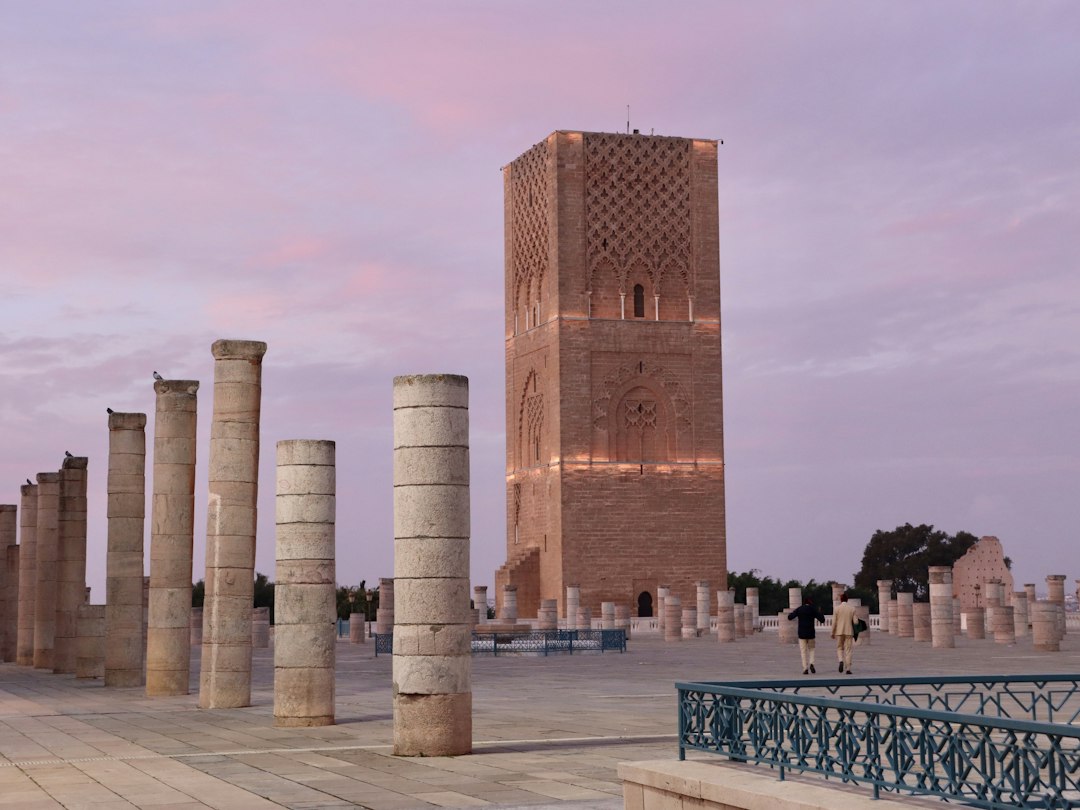
You really have to appreciate how the city handles its history, too. Take the Hassan Tower, for instance, which stands as this massive, unfinished 12th-century minaret that tells a much more interesting story than a completed monument ever could. Then there is the Chellah, a medieval fortified necropolis where you can walk through layers of Roman ruins tucked right next to Islamic burial grounds. It’s not just a collection of old walls; it’s a living timeline that earned its UNESCO status back in 2012 by actually managing to blend modern urban planning with its historic roots. And if you need a break from the walking, the light rail system is genuinely efficient, making it easy to zip over the Bou Regreg River into Salé without having to haggle with taxi drivers.
What really convinced me that this is the perfect escape is how much care has gone into preserving the natural waterfront. You won't find those high-density, cookie-cutter resorts here because the coastline is strictly protected, keeping the Atlantic views feeling wild and authentic. Plus, the recent work on the coastal corniche gives you over five kilometers of dedicated pedestrian walkways, which is perfect for an afternoon stroll when the oceanic climate keeps things temperate. Whether you’re checking out the Atlas Lion conservation at the zoo or wandering through the 17th-century Andalusian Gardens, you get the sense that Rabat is a place that values quality of life over just moving bodies through a turnstile. It’s a sophisticated, understated choice, and frankly, I think you’ll find it’s exactly the kind of recharge you’re looking for.
A Literary Journey: Exploring the UNESCO World Book Capital
If you’re planning a trip to Rabat in 2026, you’re hitting the city at a fascinating time because it’s officially holding the title of UNESCO World Book Capital. Honestly, it’s not just a fancy label; the city is genuinely transforming its public spaces into open-air reading rooms and pop-up libraries that blend perfectly with those UNESCO-recognized streets we were just talking about. I’ve been looking into how they’re doing it, and it’s impressive how they’re using the legacy of the 14th-century explorer Ibn Battuta to bridge the gap between ancient travel narratives and today’s readers. It feels like a smart, intentional way to make history feel current rather than just something you stare at behind glass.
The city is really leaning into a "decentralized" approach here, meaning they’re pushing reading initiatives out of the elite hubs and directly into local neighborhoods. They aren't just putting on one-off events, either; there’s a heavy focus on digitizing massive collections of rare manuscripts. For a researcher or even just a curious traveler, this is a big deal because it means that fragile, historical texts are finally becoming accessible to people who aren’t sitting in a restricted archive. They’re even running workshops for the local youth that use digital storytelling to bump up literacy rates, which feels like a much more effective way to leave a lasting mark on the city than just throwing a festival and packing up.
What I find most interesting is how they’re balancing these modern digital tools with the preservation of oral traditions. You can actually attend forums that look at how Moroccan storytelling has shifted from spoken word to written literature, which is a pretty cool angle if you’re into the mechanics of culture. It’s clear the city is using this year as a catalyst for a real, physical upgrade to their library infrastructure through public-private partnerships. When you walk through the city in 2026, you’re not just seeing a tourist destination; you’re seeing a place that’s actively trying to build a permanent intellectual footprint. It’s a sophisticated, quiet shift that’s moving Rabat away from being just another stop on a map and turning it into a genuine hub for regional exchange.
Stepping Back in Time: Rabat’s Rich Historical Landmarks
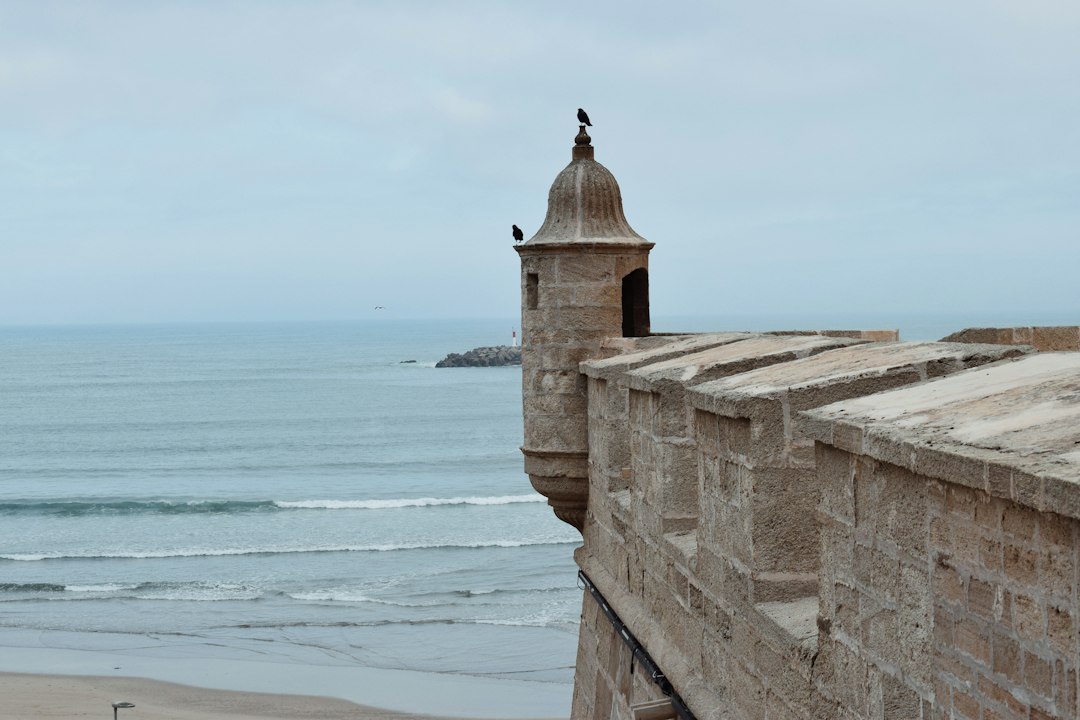
If you really want to understand the soul of this city, you have to look past the surface and see how the architecture itself acts as a historical record. The Kasbah of the Udayas is the perfect starting point, especially when you consider the Bab Oudaia gate; architectural historians often cite it as one of the most sophisticated examples of 12th-century military design still standing. It’s wild to think that beneath those walls lie the remains of a 10th-century ribat, a fortress that once guarded the river mouth long before the current city took shape. You’re essentially walking over layers of defense systems that were built to survive everything from sieges to the relentless salt spray of the Atlantic.
The way the city integrates different eras is honestly impressive. Take the Chellah, for instance, where you can see how the Roman city of Sala Colonia—the southernmost outpost of Mauretania Tingitana—eventually gave way to the Merinid dynasty. When you walk through that mosque complex, look closely at the marble floor tiles; they show a beautiful cross-pollination of Al-Andalus craftsmanship that you just don't see anywhere else. It’s a tangible reminder of how trade and movement shaped the region’s aesthetic long before modern tourism took hold. The preservation here isn't just about painting old walls; it’s about maintaining the actual geological composition of the rammed earth and lime that has defied erosion for hundreds of years.
If you’re curious about how life actually functioned back then, head over to the Rue des Consuls in the Medina. It was once the mandatory residence for foreign diplomats, a setup that fundamentally dictated the city's layout, and you can still find traditional weaving workshops there using the same vertical loom technology that’s been in use for centuries. It’s not a museum piece; it’s a living continuation of an ancient trade. Even the engineering is worth a second look, like the subterranean cisterns that used a smart filtration system to collect rainwater, proving that early urban planners were obsessed with self-sufficiency. It makes you realize that Rabat’s history isn't just a series of monuments, but a very practical, engineered blueprint for how to survive and thrive on this coast.
Coastal Charm: Embracing the City’s Unique Seaside Atmosphere
You know that feeling when you finally step out of a stuffy, concrete-heavy city and catch your first real breath of salt air? That’s exactly what hits you in Rabat, and it’s not just a nice sensation; it’s a tangible, scientific reality. The Bou Regreg estuary acts as a massive natural buffer, creating a specific microclimate where the Atlantic sea breeze effectively kills the urban heat island effect that plagues so many other North African capitals. It’s fascinating how the local vegetation, like the hardy Tamarix trees along the cliffs, actually serves a dual purpose by stabilizing the soil against the relentless, high-energy Atlantic swells. When I look at how the city’s defensive walls were laid out centuries ago, I’m always struck by how they were engineered to channel that laminar airflow straight into the narrow streets of the Medina. It’s essentially a passive, centuries-old air conditioning system that keeps the heart of the city comfortable without needing a single watt of electricity.
If you really start looking at the ground beneath your feet, you’ll notice the coastal shelf is made of a porous limestone called calcarenite. This stuff is brilliant because it absorbs moisture from the sea and keeps the city’s foundation cool even when the summer sun is at its peak. It’s a perfect example of how the city’s geography works in its favor, especially when you pair it with the high albedo of the traditional white-washed buildings that reflect nearly 80 percent of solar radiation. I’ve spent time watching the water levels at the river mouth, which can fluctuate by up to two meters, and it’s a constant reminder of how the tide-driven nature of this place has dictated everything from maritime trade to modern harbor logistics. It’s this constant, rhythmic exchange between the river and the ocean that makes the atmosphere here feel so much more alive than in a landlocked city.
Honestly, there’s a quiet sophistication in how this place manages its natural environment that you just don't see in flashier tourist hubs. The cooling effect is so consistent that air quality sensors in 2026 consistently show particulate matter levels far lower than what you’d find in Casablanca or other dense urban centers. You can see the health of this ecosystem in the rocky outcrops near the Kasbah, where rare migratory seabirds like the Audouin’s gull stop over, confirming that the habitat is still thriving. Even the local fishing ecosystem benefits from the Canary Current, which pulls in cooler, nutrient-rich waters that feel a world away from the warmer, shallower seas you might find elsewhere. It’s a rare place where the climate, the geology, and the urban design all seem to be working together, and for a traveler looking for a recharge, that sense of natural balance is exactly what makes the trip feel worth it.
Curating Your Stay: Where to Eat, Sleep, and Relax in the Capital
When you’re finally ready to put your bags down, you’ll find that the best way to experience the capital isn't by hiding in a generic resort, but by choosing a stay that respects the city's unique architectural intelligence. Many of the high-end riads here are masterclasses in bioclimatic design, using central courtyards as thermal chimneys to draw hot air upward, which keeps your room noticeably cooler than the streets outside. It’s a bit of a marvel when you realize these spaces rely on traditional tadelakt plaster—a lime-based finish that naturally regulates humidity—rather than just blasting the air conditioning. I’ve noticed that the most prestigious heritage hotels even use Zellige geometry, a grid system that optimizes light without letting the heat gain get out of control. It’s this kind of old-world engineering that really makes you feel connected to the place.
The local dining scene is just as grounded in this philosophy of local integration. You’ll see a major shift toward zero-kilometer sourcing, where the top kitchens buy their seafood directly from artisanal cooperatives within a ten-kilometer radius of the port. It’s not just a trend; it’s a way to ensure the ingredients are as fresh as the Atlantic air. Chefs are even reviving pre-colonial recipes that incorporate coastal halophytes—salt-tolerant plants from the nearby marshes—which adds a layer of depth to the food you won't find on a standard tourist menu. Honestly, eating at one of these historic venues, often built on foundations of volcanic basalt for extra resilience, feels like you’re partaking in a tradition that’s been refined for centuries.
If you’re looking to truly relax, the wellness sector has caught on to the same spirit of resourcefulness. Several spas are now incorporating mineral-rich muds sourced directly from the Bou Regreg estuary, which carry a unique sediment profile shaped by the river meeting the ocean. Even the way these properties manage their footprint is worth noting, with many shifting to decentralized composting and replacing thirsty, non-native landscaping with indigenous Saharan flora that requires far less irrigation. Some of the newer boutique spots are even getting experimental, using kinetic flooring in hallways to capture energy from footsteps to power their ambient lighting. It’s this blend of ancient structural integrity and modern, low-impact living that makes staying here feel less like a transaction and more like a genuine, sustainable recharge.
Beyond the Bustle: Why Rabat Offers a More Authentic Moroccan Experience
If you’re genuinely looking for a destination that trades the overwhelming sensory overload of typical tourist hubs for something grounded and scientifically remarkable, you have to look at Rabat. It’s not just that it’s quieter; the city is a masterclass in ancient engineering and natural resilience that most visitors completely overlook. Think about the city’s foundation—that highly compressed limestone bedrock provides a level of seismic stability that has protected its 12th-century minarets for centuries, a geological rarity in North Africa. Even the way the city is built feels intentional, with an urban layout that creates a natural wind corridor; satellite thermal imaging confirms this drops ground-level temperatures by three degrees Celsius during peak summer. It’s a passive, brilliant way to keep the city breathable without relying on modern hacks, and frankly, it makes the experience of walking the streets feel effortless.
But the real magic happens when you look at the craftsmanship tucked into the corners of the Medina. Those historic walls aren't just stone; they’re held together by a specific mortar of crushed seashells and volcanic ash that actually allows the structures to flex and contract during temperature shifts without cracking. You can see this same commitment to enduring quality at the Rue des Consuls, where weavers still use natural dyes from crushed Murex snail shells, a process mirroring ancient Phoenician techniques that you just won't find in mass-produced souvenir shops. And if you’re staying in a traditional riad, you’re essentially living inside a climate-control experiment; that Tadelakt lime plaster finish is so effective at regulating humidity that it can drop indoor temperatures by nearly 20 percent without any mechanical help. It’s not just comfortable—it’s a testament to how traditional design can outclass modern air conditioning.
Even the natural environment around the city is doing more work than you’d expect. The Bou Regreg estuary acts as a massive thermal engine, creating updrafts that help over 150 species of migratory birds conserve energy during their long journeys, a phenomenon you can actually witness from the cliffs. If you look closely at those cliff faces near the Kasbah, you’ll see rare fossilized coral deposits, a silent reminder that this city sits on a complex geological history. The coastal buffer zones are just as important, housing over 40 species of indigenous succulents that exist nowhere else in Morocco, acting as a living gene bank for arid climates. Honestly, when you see a rare Mediterranean monk seal popping up in the coastal waters, it’s a sign that the local ecosystem is thriving in a way that’s becoming increasingly rare elsewhere. It’s this intersection of hidden history and natural intelligence that makes Rabat feel less like a checklist of sights and more like a place that has quietly figured out how to exist in harmony with its surroundings.
Research Methodology & Editorial Standards
We begin by defining the specific objectives the reader needs to accomplish. Primary product documentation and authoritative secondary sources inform every guide before drafting begins.
Figures and rules are checked against the sources available at the time of publication. Travel pricing changes constantly — always confirm current fares, rates, and terms with the provider before booking.