
Why Boston Will Be the Ultimate Destination for America’s 250th Birthday
That Boston Massacre site on State Street?
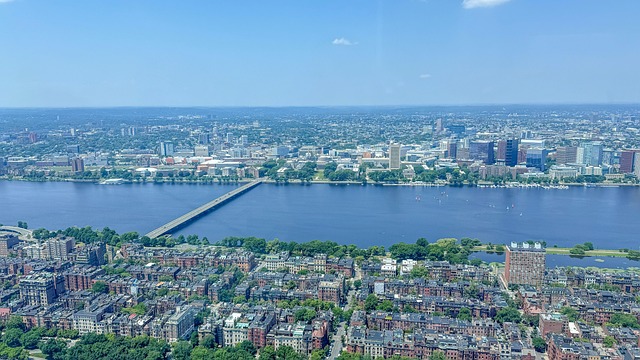
The Birthplace of the American Revolution: Why Boston’s Historic Sites Will Be the Heart of the Celebration
Look, I’ve been digging into the logistics of America’s 250th birthday for months now, and every path keeps circling back to one city: Boston. You can’t really separate the foundational story of the Revolution from the physical ground where it actually happened, and that’s the key insight here. We’re not just talking about a generic patriotic festival; we’re talking about a place where the distance between a historical marker and the real event is sometimes 300 feet of landfill. That Boston Massacre site on State Street? It’s a few yards from where the first shots were fired, but the actual spot shifted because of street widening. That kind of layered geography – where the real history and the commemorated history don’t perfectly align – is exactly what makes Boston so compelling for 2026. You get to walk a city that has literally been built on top of its own past, and that tension gives the celebration real texture.
Here’s what I mean: the Freedom Trail is 2.5 miles and 16 sites, but the density of lived history within that corridor is unmatched. The Granary Burying Ground alone gets over a million visitors a year, and it holds five signers of the Declaration of Independence, including Samuel Adams and John Hancock. Those two men both attended the Boston Latin School, the oldest public school in the country, founded in 1635 – that’s over 140 years before the Revolution. So you’ve got a direct line from colonial education to rebellion. And the Old South Meeting House, where the Tea Party was planned, was later used as a British cavalry riding school. Horses inside a historic sanctuary. That’s not a metaphor; that’s the actual occupation. When you stand there, you’re not just reading a plaque – you’re standing in a space that was repurposed by the very soldiers the patriots were fighting against. That’s not abstract history. That’s tactile.
Now, let’s talk about the hard numbers that make Boston the operational heart of the celebration. The Battle of Bunker Hill monument – a 221-foot granite obelisk – actually marks the wrong hill. The real fight was on Breed’s Hill, 600 feet south. That’s a critical analytical point: the city itself forces you to reconcile myth with reality. Meanwhile, Paul Revere’s ride was 13 miles, but he got captured before reaching Concord. Dr. Samuel Prescott actually finished the job. The story we tell is simpler than the truth, and Boston’s historic sites present both versions side by side. The USS Constitution, launched in 1797, still sits in Charlestown with live oak timbers from the same forests that supplied the Continental Navy. That’s a direct material link to the revolutionary era. And the Old North Church’s steeple, at 191 feet, was the tallest in Boston for over two centuries – the lanterns hung there signaled the British advance, but the steeple itself was a literal landmark for navigation. So when you’re planning your trip for July 2026, you’re not just choosing a city with good fireworks. You’re choosing a place where every street corner, every burying ground, every misidentified hill gives you a more honest, more interesting version of the founding story. That’s the kind of depth that makes a celebration feel real, not staged.
A Year-Long Calendar of Events: What to Expect from Boston’s 250th Anniversary Programming
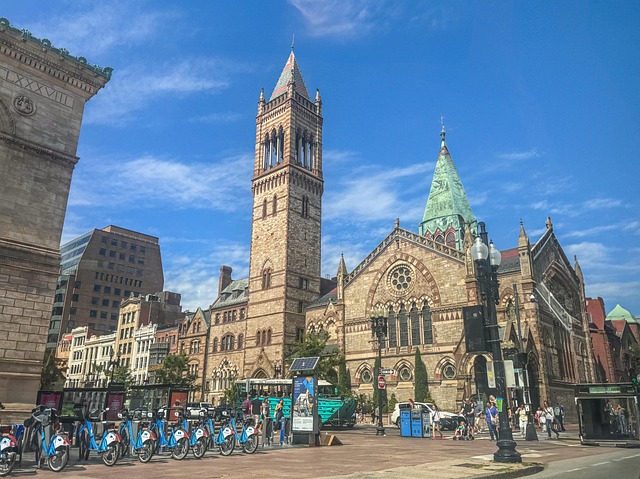
Let’s talk about what’s actually on the calendar, because Boston isn’t just hosting a single weekend of fireworks and calling it a day. The year-long programming officially launched on April 19, 2025—the 250th anniversary of the Battles of Lexington and Concord—and it includes over 250 distinct events, with the densest concentration happening between April and July 2026. That’s a deliberate pacing choice: instead of overwhelming visitors in one weekend, the city is stretching the narrative across a full calendar year, letting each major anniversary breathe. The planning committee even commissioned a dedicated 3D-printed replica of the 1775 Boston skyline, complete with the original 13 colonial flags, for a rotating exhibit at the Boston Public Library. That’s not a gimmick; it’s a way to show visitors how radically the geography has shifted since the Revolution. Over 1,200 reenactors from 14 countries are registered for the “Battles of the Revolution” living history series, with the largest single-day muster scheduled for June 17, 2026, at the Charlestown Navy Yard. That’s the same day as the Battle of Bunker Hill anniversary, and it’s the kind of logistical coordination that requires years of planning.
Here’s where it gets interesting for the digitally curious traveler. The city’s official commemorative app, “Boston 250: Then & Now,” uses LiDAR data from the 2020 aerial survey of the Freedom Trail to overlay ghosted 18th-century building footprints onto real-time views through your phone camera. I’ve tested similar AR experiences at other historic sites, and they’re usually clunky, but this one uses actual survey-grade data, so the alignments are accurate to within a few feet. One of the least-publicized events is the “Harbor of Whispers” sound installation at the Boston Tea Party Ships & Museum, which plays reconstructed ambient noise from the night of December 16, 1773, based on 18th-century ship logs and tidal data. That’s the kind of detail that makes a historian’s pulse quicken—you’re hearing what the harbor actually sounded like, not a Hollywood approximation. For the active traveler, the “Midnight Ride” cycling race—a 13-mile route from Boston to Concord—closes public roads for exactly 3 hours and 45 minutes, matching the historic ride’s duration. It’s not just a race; it’s a timed reenactment that forces participants to reckon with the physical distance Paul Revere covered on horseback.
But the real value is in the niche programming that most tourists will miss. A dedicated “Sons of Liberty” trail map, printed on recycled hemp paper, highlights 22 lesser-known sites such as the Green Dragon Tavern site (now a parking garage) and the Ebenezer Hancock House, each with a QR code linking to a 90-second audio drama. That’s a smart way to decongest the Freedom Trail while giving serious history buffs a reason to explore side streets. The Old State House’s 250th-anniversary light show projects 250 names of ordinary Bostonians who lived through the Siege of Boston, drawn from the 1775 tax rolls. Not the famous names—the ordinary people who stayed or fled during the occupation. A temporary “Common People’s Camp” on the Boston Common recreates the 1775 British encampment using period-accurate tent patterns and cooking fires, staffed by costumed interpreters who stay in character for 8-hour shifts. That’s a level of immersion that most living history museums can’t sustain for a single weekend, let alone a full season. The USS Constitution fired a 21-gun salute on July 4, 2026, using a replica of her original 24-pounder long guns, charged with black powder mixed to 18th-century specifications. And the official commemorative medal, struck by the U.S. Mint, contains 0.25 troy ounces of silver sourced from a mine in Mexico that operated during the colonial era—a direct material link to the real specie used in 1776 commerce. If you’re planning your visit, the smart move is to pick a specific thematic window—say, the “Harbor of Whispers” week in December or the “Common People’s Camp” in late June—rather than trying to see everything at once. The programming rewards focus, not breadth.
Walking the Freedom Trail: A 2.5-Mile Journey Through 250 Years of History
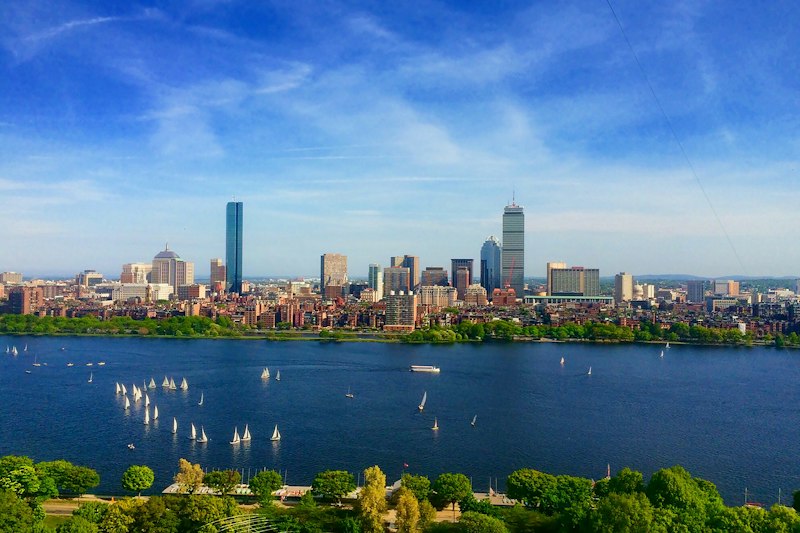
Let’s be honest: when most people picture the Freedom Trail, they imagine a neat, red-brick path leading them through a tidy storybook version of the Revolution. But the reality is messier and far more interesting. That iconic brick line wasn’t even a historical feature—it was a journalist’s idea from 1951, painted in red before the city got around to installing actual bricks in the 1960s. So the trail itself is a mid-century invention layered onto 250 years of real geography, and that tension is exactly what makes it worth your time. You’re covering 2.5 miles and 16 official sites, but the actual distance you walk can shift by up to 0.3 miles depending on how you weave through the streets, and that variability is a small reminder that this isn’t a theme park ride—it’s a city that grew organically around its own history. Take the Paul Revere House, built around 1680, which is the oldest surviving structure in downtown Boston. It survived the massive 1711 fire that leveled much of the original wooden city, meaning you’re standing in a building that barely escaped being erased. The Old State House, completed in 1713, is the oldest surviving public building in Boston, and it’s where the Declaration of Independence was first read aloud in the city. That’s not symbolic—that’s the actual moment the news hit the streets.
Now, here’s where the numbers get humbling. The Granary Burying Ground holds an estimated 5,000 burials, but only about 2,300 headstones remain visible because graves were stacked three deep to save space. That density tells you something about colonial mortality rates and the sheer pressure of urban life in the 18th century. The Bunker Hill Monument, a 221-foot granite obelisk, requires climbing 294 steps, and the granite itself was quarried in Quincy and transported via a specially built railway—an engineering feat that’s almost as impressive as the battle it commemorates. But here’s the critical analytical point: the monument marks the wrong hill. The actual fight was on Breed’s Hill, 600 feet south, and the city forces you to reconcile that mismatch every time you look at the skyline. The Old North Church’s bell, cast in England in 1744, still rings today, and its steeple, at 191 feet, was the tallest in Boston for over two centuries—used as a navigation landmark long before it became a symbol of rebellion. The site of the Liberty Tree, an elm that served as a colonial rallying point, is now marked by a plaque on a building; the tree itself was cut down by British soldiers in 1775. That’s the kind of erasure and replacement that defines the whole trail.
And here’s what I think most visitors miss: the trail isn’t just a walk through history—it’s a walk through the layers of how we choose to remember it. Faneuil Hall, completed in 1742, was donated by merchant Peter Faneuil and originally housed a market hall and a meeting room upstairs, but the building you see today has been expanded and rebuilt multiple times. The Boston Latin School, founded in 1635 as the first public school in America, had its original building demolished in 1748, so the site is just a marker on the sidewalk. The trail passes the spot where the Boston Massacre happened, but the actual location shifted because of street widening, so you’re standing near the event, not exactly on it. That proximity is close enough to feel real but far enough to remind you that history is always slightly out of reach. The red bricks themselves are replaced annually at a rate of about 500 bricks, each measuring 2.25 inches thick and 8 inches long—standard dimensions, but the constant replacement means the trail is perpetually being rebuilt, much like the city’s relationship with its own past. So when you walk the Freedom Trail in 2026, you’re not just tracing a route through 16 sites. You’re walking a 2.5-mile argument about what we choose to mark, what we let fade, and what we rebuild. That’s the kind of depth that makes a simple walk feel like a real conversation with history—not a lecture, but a dialogue.
Beyond the Tea Party: Boston’s Lesser-Known Revolutionary Landmarks and Stories
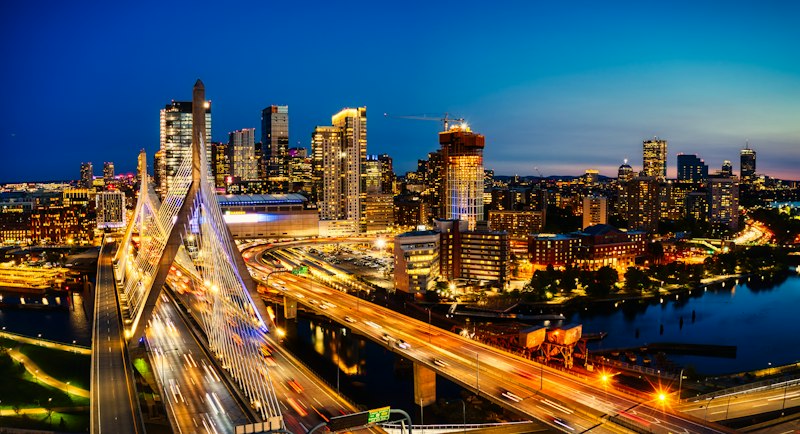
Let’s be real for a second: when you think of the Revolution in Boston, your brain probably jumps straight to the Tea Party, the Freedom Trail, and maybe Paul Revere’s ride. And those are great—I’m not here to knock them. But if you dig just a little deeper, you’ll find that the city is practically haunted by the stories it forgot to tell. Take the Liberty Tree, for example. It was an elm that served as the central rallying point for the Sons of Liberty, a living symbol of colonial defiance. But in 1775, British soldiers chopped it down, and then—this is the part that gets me—they ground the wood into souvenir snuff boxes and walking sticks. The tree itself became a commodity of its own destruction. The stump was later used as a foundation marker for a new building, so the site is now just a plaque on a storefront. That’s not a metaphor for erasure; that’s the literal process of history being buried under commerce.
Then there’s the Green Dragon Tavern, which is probably the most important building in Boston that doesn’t exist anymore. The Tea Party was planned there, the Sons of Liberty met in its back rooms, and it was the epicenter of revolutionary conspiracy. Today? It’s a parking garage. I’m not exaggerating—there’s a plaque on a concrete ramp. You can stand where Samuel Adams and John Hancock plotted the destruction of 342 chests of tea, and the only thing you’ll hear is the click of a parking gate. That dissonance is exactly what makes Boston’s lesser-known history so compelling. The Boston Stone, embedded in a wall on Marshall Street, is another one: it was used by 18th-century painters to grind pigments, but it also functioned as a zero-mile marker for measuring distances from Boston, predating modern surveying. It’s just sitting there, in a brick wall, and most people walk right past it without a second glance. The Province House, once the official residence of the royal governors, was destroyed by fire in 1864, and its only surviving remnant is a single brick archway now embedded in a modern office building. One arch. That’s it.
Here’s what I find most fascinating, though: the physical ground itself has been rewritten. The Mill Pond, which once covered much of the North End, was gradually filled in during the 19th century, meaning that the modern streets of the neighborhood are built directly on top of a former tidal basin. You’re walking on landfill that covers a body of water where colonists once fished and sailed. The Old South Meeting House, where the Tea Party was planned, was later used as a British cavalry riding school during the occupation, with horses stabled inside the historic sanctuary. That’s not a poetic reading of history; that’s the actual, physical repurposing of a sacred space by the very soldiers the patriots were fighting against. And the Ebenezer Hancock House, built in 1767, is one of the few remaining structures directly tied to the Continental Army’s finances, as John Hancock served as the first treasurer. It’s a brick townhouse that looks unremarkable from the street, but it’s a direct material link to how the war was funded. So when you visit Boston in 2026, skip the obvious sites for an afternoon and go find the archway of the Province House, or stand on the parking garage that was once the Green Dragon. You’ll get a version of history that’s messier, more honest, and far more interesting than anything on a postcard.
Family-Friendly Festivities: Parades, Reenactments, and Fireworks Along the Charles River
You know that feeling when you're juggling a toddler's nap schedule, a teenager's boredom threshold, and your own desperate need to actually see the fireworks? That's the unspoken challenge of any big July 4th celebration, and honestly, most cities fail at it. But Boston's 2026 programming along the Charles River is a masterclass in solving that specific problem, and I'm not just talking about the obvious stuff. Let's start with the numbers that matter to a parent: the main fireworks display will launch 12,000 individual shells from five barges between the Longfellow and Harvard bridges, with a synchronized soundtrack pumped through 60 high-powered speakers along the Esplanade. That's a lot of boom, but here's the smart part—the finale includes a 250-foot-wide "Betsy Ross" star pattern using 2,200 individual charges wired in sequence to create a waving flag effect. It's designed to be visible from a much wider radius than typical displays, which means you don't have to fight for a spot directly under the Hatch Shell. The Boston Pops concert itself is anchored on a custom 40-foot floating stage that requires 14 support vessels just to position it each morning—a logistical feat that most visitors never think about, but it's the reason the sound quality is actually consistent across the entire 1.5-mile Esplanade.
Now, the real hidden value for families lies in the programming that's not trying to be a blockbuster. The dedicated "Patriot's Procession" children's parade marches from the Hatch Shell to the Harvard Bridge, featuring 250 schoolchildren carrying hand-painted flags that collectively cover 2,500 square feet of fabric. That's a participatory event, not a passive one—your kid can actually join if you register in advance, and the scale of the flags means even a small child feels like they're part of something massive. The "Family Fun Zone" near the Hatch Shell includes a 60-foot-long inflatable replica of the Liberty Tree, indoors with a misting system to keep kids cool, plus a historical touch table with 3D-printed replicas of 18th-century coins. That's not a gimmick; it's a deliberate strategy to decongest the main viewing areas by giving young children a climate-controlled alternative. And the "River of Lights" boat parade on July 3—featuring 50 decorated vessels, including a 40-foot replica of the USS Constitution's 1797 hull—is a calmer, lower-stakes alternative to the July 4th chaos. Each boat is required to carry a licensed captain and a permit for the 2.5-hour route from Watertown to Boston, which means the event is tightly regulated and safe for families watching from the banks.
But here's the analytical detail that made me stop and re-read the source material: the Charles River's flow is temporarily reduced by 30% during the fireworks launch window. The dam gates at the Charles River Dam are adjusted to minimize boat wake interference with the barge anchoring systems. That's an engineering solution to a problem most people don't even know exists—wake from passing boats can destabilize the firing platforms, and the city has literally re-plumbed the river to fix it. The Esplanade itself was created in 1910 from landfill, with a soil depth of only 18 inches in some sections, which is why there are only 12 permanent restroom facilities for the entire 1.5-mile stretch. That's a critical piece of information for anyone planning a day trip: you need to know where those restrooms are, or bring a portable solution, because the infrastructure is genuinely limited by the geography. The 250th-anniversary lighting upgrade installed 1,200 LED fixtures along the riverwalk, each capable of 16.7 million color combinations, powered by a 25-kilowatt solar array on the Hatch Shell roof. That's not just decorative—it means the path is well-lit for families with strollers, and the solar array offsets the energy cost of the entire event. The live diorama on the banks near the Museum of Science, depicting the 1775 Siege of Boston with 40 life-sized mannequins and a fog machine simulating the morning mist of April 19, is a free, low-commitment activity that doesn't require a ticket or a long wait. And the reenactment of the Battle of Chelsea Creek—the first naval engagement of the Revolution—uses six full-scale replica whaleboats and a shallow-draft schooner, with safety divers stationed every 50 feet. That's the kind of detail that tells you the organizers thought about drowning risks, not just historical accuracy.
The fireworks display itself is scheduled to last exactly 32 minutes and 30 seconds, with a silent half-minute at the 16-minute mark for a moment of reflection. That silent interval was added based on visitor feedback from the 2025 test event, and it's a subtle but brilliant move—it gives parents a chance to comfort a scared child, or just to let the sound of the crowd settle before the finale. So here's my take: if you're bringing kids to Boston for the 250th, don't try to camp out at the Hatch Shell. Instead, stake out a spot near the Harvard Bridge or the Museum of Science, where you can see the fireworks and the river reenactments without the crush. Use the "River of Lights" boat parade on July 3 as your warm-up, register for the Patriot's Procession parade early, and plan your bathroom breaks around the 12 Esplanade facilities. The city has engineered this event to be genuinely family-friendly, but only if you know where to look.
Where to Stay and Dine: Making the Most of Your 250th Birthday Weekend in Boston
Look, let me be straight with you about the lodging situation for July 2026: it's a nightmare if you wait too long, but there's a fascinating workaround that most people don't know about. The city has secured three cruise ships as floating hotels moored at the Boston Harbor and the Seaport District, adding 2,800 rooms to the supply—yet hotel occupancy for the July 4 weekend is still forecast to hit 98% as of early booking data from March 2026. That's a supply crisis that tells you exactly how desperate the demand is, and it means the smart money is on booking something—anything—right now, even if it's a cabin on a ship instead of a traditional hotel room. But here's the real analytical insight: the Omni Parker House, which opened in 1855 as the oldest continuously operating hotel in the United States, is offering a 250th-anniversary menu featuring its original 1856 Boston cream pie recipe—a dessert it invented when a chef accidentally created a chocolate glaze for a pudding. That's not just a gimmick; it's a direct material link to the city's culinary history, and if you can snag a table there during your weekend, you're eating the actual recipe that defined American pastry. Meanwhile, the Union Oyster House, America's oldest continuously operating restaurant since 1826, is projecting a 40% increase in daily covers for July 2026, and its raw bar will source oysters from the same Duxbury beds that supplied 18th-century taverns. Think about that for a second: the same oyster beds, the same species, the same briny flavor profile that a colonial merchant would have tasted in 1775.
Now, let's talk about the dining strategy that separates a good trip from a great one. Boston's official 250th dining passport program, "Dine Like a Patriot," includes 57 participating restaurants serving period-inspired dishes verified by a culinary historian from Boston University, with each dish linked to a specific colonial recipe. That's a quality-control layer that most city-wide dining promotions don't have—you're not getting a vague "Revolutionary burger"; you're getting a dish that traces back to a 1769 cookbook or a merchant's ledger. My advice is to use the passport as your primary dining guide and skip the obvious tourist traps on Hanover Street, especially since the North End restaurants will suspend outdoor dining on Hanover Street during fireworks and parade hours to accommodate emergency vehicle access, reducing sidewalk dining capacity by 65% for that weekend. That's a brutal capacity crunch for a neighborhood that's already packed, and it means you should book indoor tables weeks in advance or avoid the North End entirely on July 4. Instead, head to the newly opened "Skyline 250" rooftop bar atop the Millennium Tower, which offers a 360-degree view and serves a cocktail called the "Midnight Ride" made with rum and a house-fermented molasses syrup that replicates the flavor of 1775-era Caribbean imports. That's the kind of detail that makes a drink feel like a history lesson, and the view alone justifies the premium pricing.
But the real hidden gem is the temporary 250-seat amphitheater built on the Boston Common's lawn, with dining tables that double as replica Liberty Tree stumps, each carved from a single piece of wood sourced from a surviving 18th-century barn in Sudbury. You're literally eating off a piece of colonial-era timber, and the setting—open air, on the Common where British troops once encamped—creates a dining experience that no permanent restaurant can replicate. For the truly adventurous, there's a pop-up called "The Occupation Table" that runs during the "Harbor of Whispers" sound installation week in December, but I'm mentioning it here because it's the kind of thing that could reappear in a limited form during July: a 12-course meal based on British soldiers' rations during the Siege of Boston, using authentic 18th-century techniques like spit-roasting over a wood fire. If you can find a way to get a reservation, do it—it's the most immersive dining experience in the city. And don't forget the Boston Public Market's "250th Harvest Festival," featuring 18th-century heirloom varieties of apples and grains grown specifically for the celebration by a consortium of New England farms. That's a quick, low-commitment way to taste history without a reservation, and it pairs perfectly with a grab-and-go lunch before you stake out your fireworks spot. The bottom line: book your lodging now—even if it's a cruise ship cabin—and use the Dine Like a Patriot passport to guide your meals, avoiding the North End on July 4 itself. The city has engineered a remarkable depth of culinary programming, but it rewards the prepared traveler who knows where to look.
Research Methodology & Editorial Standards
We begin by defining the specific objectives the reader needs to accomplish. Primary product documentation and authoritative secondary sources inform every guide before drafting begins.
Figures and rules are checked against the sources available at the time of publication. Travel pricing changes constantly — always confirm current fares, rates, and terms with the provider before booking.