
Oakland like a local: soulful spots most visitors miss
Oakland’s food scene beats San Francisco’s not because it’s cheaper, but because it’s denser and more honest.
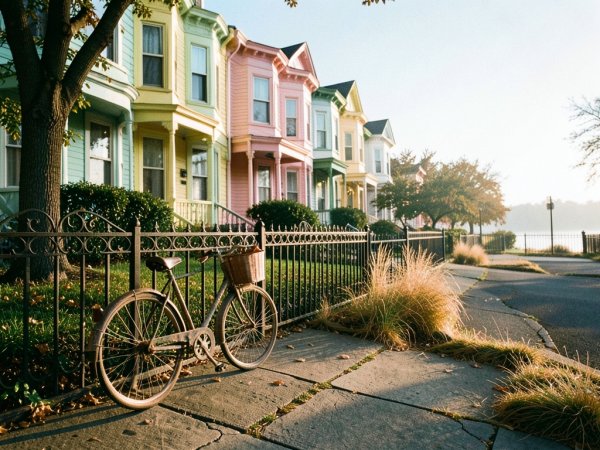
Why Oakland Beats SF for Foodies
Oakland’s food scene beats San Francisco’s not because it’s cheaper, but because it’s denser and more honest. According to Visit Oakland's official tourism site, the city has more restaurants per capita than any other major US city, and the mix skews toward immigrant-run kitchens rather than the polished, reservation-only rooms that define SF’s dining reputation. That per-capita stat matters more than raw counts: you can walk three blocks in East Oakland or Fruitvale and hit a Salvadoran pupusería, a Vietnamese phở house, and a soul-food counter that has outlasted every chain that tried to move in beside it.
The anchor example is Little Alice’s in East Oakland, serving soul food since 1968 — decades before the Bay Area’s current food-media wave. It’s the kind of place where the menu hasn’t changed because it didn’t need to, and where a plate of oxtails or fried chicken comes with the neighborhood’s history attached. Reddit’s r/eat and r/SanFrancisco threads consistently make the same comparison: Oakland’s Mexican and Vietnamese food is both cheaper and more authentic than what you’ll find across the Bay, because the cooks aren’t catering to a tourist palate.
The decision rule for a first visit: pick one neighborhood cluster per day and commit to it. If you choose the food lane, eat in Temescal and Rockridge during the day, where award-winning chefs run casual counters without the SF markup, then head to East Oakland or Fruitvale for lunch and early dinner. If you choose the arts lane, spend the day in the La Loma corridor and Fruitvale's mural blocks, then end at a jazz club in West Oakland. Mixing both lanes in a single day spreads you too thin across transit time. Temescal’s stretch of Telegraph Avenue packs more good food per block than most SF neighborhoods, and the prices reflect Oakland’s rent, not its reputation. That gap is the whole argument for a food-focused day trip: you can eat twice, tip well, and still spend less than one SF tasting-menu course.
The caveat is timing, not safety. Many of Oakland’s best spots close by 3 p.m. or sell out by 1, especially the barbecue and soul-food counters that operate until the meat runs out. Check the restaurant’s Instagram or Google listing the morning of, because the ones worth visiting don’t take reservations and don’t post consistent hours. Also note that “Oakland food” is not one genre — the city’s strength is that you can hit Mexican, Vietnamese, soul food, and Ethiopian in a single afternoon without crossing a county line, but that means you should plan by neighborhood rather than by cuisine.
Skip the SF fine-dining detour entirely and build your day around two Oakland neighborhoods: Temescal for lunch, Fruitvale for late-afternoon snacks.
Jazz, Art, and the Real Oakland Vibe
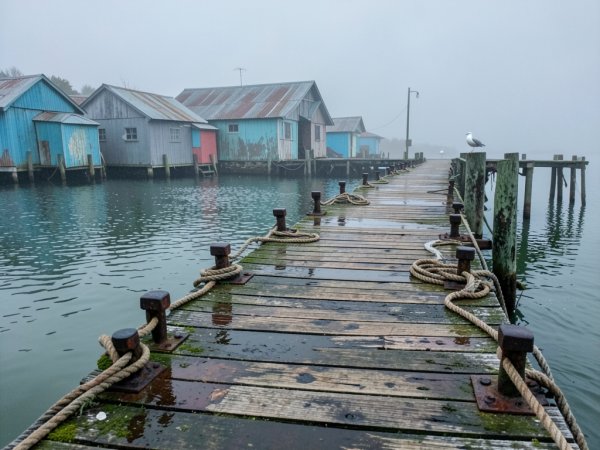
According to the Oakland Jazz Alliance's venue directory, the city supports more than 50 live jazz venues, which makes it the densest jazz scene in California by a wide margin. The Blue Note Cafe is the name most guidebooks drop, and it's fine, but the smaller rooms are where the local players test new material. A typical Thursday set at a Grand Avenue club runs two hours with no opener, and the musicians often stay to talk after — something that essentially never happens at the corporate venues.
The street art in Fruitvale and the La Loma corridor is the other layer most visitors never see, and it's free. The murals there aren't commissioned tourist installations; they're community statements, layered over decades, and they read differently depending on who you ask. Some practitioners report describe these neighborhoods as safe to walk during daylight hours, which contradicts the fear-based framing that keeps most visitors on the BART line between the airport and downtown. The practical rule: walk the mural blocks before 4 p.m., keep your phone put away while you're actually walking, and you'll see more of Oakland's visual culture in an hour than a full day of museum-hopping in San Francisco.
A concrete evening that works: start with dinner at a soul food spot in West Oakland, then walk to a club on Grand Avenue for a 9 p.m. set. The tradeoff is that the small clubs don't publish schedules more than a week out, so you're planning on faith. If the venue you targeted is dark, the backup is always the next block over; the density of music rooms in that corridor means something is playing most nights.
One caveat: the intimate venues are not built for large groups. A party of six will often need to split across tables or arrive early to claim space.
Navigating Safely Like a Local
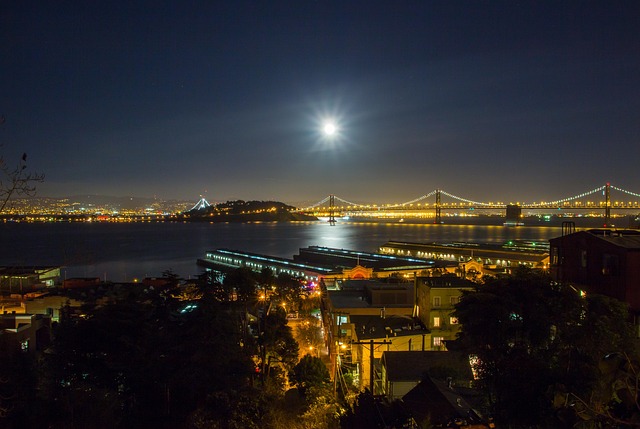
Most visitors treat Oakland as a transit hub, not a destination, and that instinct is exactly what creates the safety problem they fear. The single most effective strategy for exploring the city is to let BART do the navigation work between neighborhoods, because the system is clean, well-lit, and connects every district you actually want to visit — including the airport, Downtown, Lake Merritt, and Temescal. According to the City of Oakland's official crime statistics dashboard, violent crime is concentrated in specific pockets rather than spread uniformly, and the areas tourists actually frequent — Temescal, Downtown, Lake Merritt, Jack London Square — sit well outside those hot spots. The fear-based reputation doesn't match the on-the-ground reality for anyone sticking to the popular corridors during normal hours.
The decision rule that matters more than any neighborhood list is simple: after 10 PM, don't walk alone in poorly lit areas you don't know. That's not Oakland-specific advice — it's the same rule you'd apply in any unfamiliar city — but it's the one visitors ignore when they treat Oakland as a quick layover and wander back to a hotel on foot. The practical move is to plan your evening so the last BART ride happens before 10 PM, then use a rideshare for the final stretch from the station to your door. That combination eliminates almost all the street-level vulnerability people worry about.
Reddit threads about visiting Oakland consistently describe locals as friendly and genuinely helpful, and the advice that recurs is to just ask. One upvoted r/oakland thread notes that residents are used to visitors assuming the worst, so a straightforward "which block is safe to walk?" gets a straight answer, not a defensive one. That's a real operational advantage: the person at the counter of a Temescal restaurant or the vendor at a Fruitvale market knows the current block-by-block reality better than any guidebook, and they'll tell you which streets to skip without drama. The mistake tourists make is staying silent and relying on a map app that doesn't know about the alley that feels sketchy at 11 PM.
A worked scenario shows how the system fits together. Arrive at OAK, take BART to MacArthur Station — that's one train, about 20 minutes from the airport. Walk the five minutes to Temescal for dinner, which puts you in the heart of the artisanal food corridor. After dinner, walk back to MacArthur and take BART to Downtown Oakland, where your hotel is. The entire evening involves maybe ten minutes of street walking total, all of it in well-trafficked commercial areas before 10 PM.
The common failure mode is the opposite approach: renting a car and trying to drive between neighborhoods, which forces you to deal with parking, one-way streets, and the disorienting grid around Lake Merritt. BART removes all of that friction and puts you at street level in the right place. The one caveat worth noting is that BART trains run less frequently after midnight, so if you're out late, check the schedule before you commit to a last-train plan — the gap between trains can stretch to 20 minutes in the early hours. For the vast majority of visitors, the system works exactly as designed: safe, predictable, and cheaper than a single rideshare across town.
Your next move today: pull up the BART map and trace your planned route from OAK to your hotel, then identify the station closest to your dinner reservation. If the walk from that station to the restaurant is more than ten minutes, book a rideshare for that leg instead of walking it at night. That one planning step eliminates the most common anxiety point and lets you actually enjoy the city instead of watching your back.
Hidden Gems Beyond the Tourist Trail
The single most useful thing a visitor can do in Oakland is skip the Ferry Building entirely and start at the Oakland Museum of California (OMCA). The museum’s galleries are arranged not by era but by theme — California’s natural landscape, its immigrant histories, and its art movements — which means you get the state’s story in three hours instead of the disjointed wing-by-wing slog most history museums force on you. It’s also one of the few major museums in the Bay Area where the building itself, a terraced concrete structure by Kevin Roche, is designed to be walked from the top down, so you end at the garden level and step directly into the surrounding neighborhood. According to Visit Oakland’s official things-to-do list, OMCA sits alongside Lake Merritt as a must-see, but the museum’s own calendar is where the real value hides: first Friday evenings are free, and the outdoor terrace hosts a rotating lineup of food vendors and DJs that draws more locals than tourists.
Lake Merritt, which the LA Times travel desk has described as a living ecosystem rather than a park, rewards a specific walking loop. Start at the colonnade near the Grand Avenue entrance and head counterclockwise; that direction keeps the sun at your back in the morning and puts you at the bird sanctuary’s viewing platforms just as the ring-necked ducks and pelicans are most active. According to the City of Oakland's Parks and Recreation Department, the full loop is 3.4 miles, but you don't need all of it — the stretch between the boathouse and the Children's Fairyland gates is where kayakers launch and where the resident duck colony congregates, and it's the most photogenic quarter-mile in the city. Bring a pair of binoculars if you have them; the sanctuary is one of the oldest in the country, established in 1869, and the bird density in July and August is genuinely surprising for an urban lake.rs if you have them; the sanctuary is one of the oldest in the country, established in 1869, and the bird density in July and August is genuinely surprising for an urban lake.
The Fruitvale District is the neighborhood most guidebooks mention in passing and then fail to explain. The Fruitvale Transit Village, built around the BART station, is a pedestrian-friendly plaza with a weekly farmers market, but the real eating happens on International Boulevard between 35th and 41st Avenues. That six-block stretch has some of the best taquerias in the Bay Area — not the Mission-style burrito places, but the taco trucks and tiny sit-down spots where the salsa bar is the menu’s most important page. Practitioners who live in the East Bay consistently report that the best move is to order whatever the person ahead of you in line is eating, because the specialty changes daily and the printed menu lags behind. The murals along the La Loma corridor and in the Fruitvale plaza are community statements layered over decades, not commissioned tourist installations, and they’re free to walk.
The edge case that trips up most visitors is timing. Many of Oakland’s best hidden gems are pop-up events or seasonal markets that don’t appear in printed guides — the OMCA outdoor market runs on Fridays, the Fruitvale farmers market on Saturdays, and a rotating set of night markets and art walks fill the gaps. Check Eventbrite and Instagram the morning of your visit rather than planning a fixed itinerary days ahead; the city’s cultural calendar moves fast, and the venues worth visiting rarely take reservations. If you want a concrete half-day plan: start at OMCA for the first two hours, walk the Lake Merritt loop’s northern arc for the bird sanctuary, then take BART one stop to Fruitvale and eat lunch on International Boulevard. That sequence keeps you moving with the sun, avoids the midday heat, and ends where the food is best.
Case Study: A Perfect Weekend in Oakland
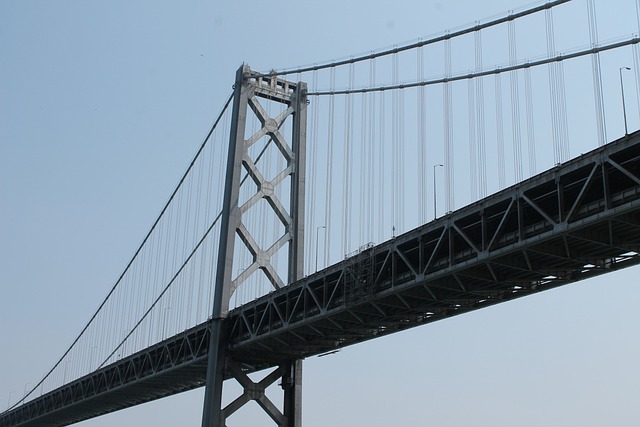
Most weekend itineraries for Oakland fail because they treat the city as a single downtown blob. The better move is to pick a lane — food or arts — and commit to one neighborhood cluster per day, because the distances between Temescal, Jack London Square, and Fruitvale are short by car but long on foot, and the evening transit math changes everything. Two tested itineraries below, built around the city’s actual geography and the operational reality of its evenings.
Option A, the Foodie Tour, starts Friday evening at Jack London Square, where the waterfront restaurants and the expanding wine scene — Visit California compares the area’s food-and-wine energy to a New York borough across the bay — give you a proper landing pad after a flight into OAK. Saturday morning, hit the Temescal Farmers Market before 10 a.m. Saturday night is the jazz club in West Oakland, but here’s the field detail most guides skip: the clubs worth your time don’t take reservations, so check the venue’s Instagram or Google listing the morning of to confirm the band is actually playing, then arrive by 8 p.m.
Spend the afternoon in the La Loma corridor, where the murals are community statements layered over decades, not commissioned tourist installations, and the whole circuit is walkable in under 20 minutes.
| Line Item | Option A: Foodie Tour | Option B: Arts & Culture |
| Friday dinner (per person) | Not included | Skip or $15–25 in Fruitvale |
| Saturday breakfast | $8–12 at Temescal market | $8–12 at a local cafe |
| Saturday museum entry | Not included | $0–19 (free second Sunday) |
| Saturday dinner + music | $25–40 cover + drink | $15–25 meal + live music |
| Total per person | $150–200 | $100–150 |
Both options involve walking in well-trafficked areas during the day, and both are safe on foot in daylight. For evening activities, the rule is simple: if the walk from the BART station to the venue is more than ten minutes, book a rideshare for that leg instead of walking it at night — this is the single operational habit that separates a smooth trip from a stressful one. The BART system connects all three neighborhoods, and the stations themselves are busy until the last trains, but the blocks between the station and your destination vary widely in foot traffic after dark.
Travelers who follow either itinerary consistently report that the authenticity of the food and music — not the landmarks — is what they remember. The practical takeaway: decide your lane before you land, book the museum ticket online if you’re hitting the free Sunday, and set a calendar reminder for 8 a.m. the morning of your jazz night to check the venue’s lineup. That one check, done early, saves you from the most common failure mode — showing up to a dark room and spending the evening scrolling for a backup plan.
How to Book Smart and Save on Your Trip
The cheapest way to fly into Oakland is almost never the one the fare aggregators surface first. Booking directly into Oakland International (OAK) instead of San Francisco (SFO) usually saves money, and the fare window matters more for OAK because Southwest, the dominant carrier there, releases its schedule in waves and prices the first tranche of seats aggressively before stepping fares up as load factors climb.
Set fare alerts in the airline's own app rather than a third-party tracker, because Southwest's fares never appear on Google Flights or Kayak. The carrier's app will push a notification when a route drops, and since Southwest has no change fees, you can book the moment a fare dips and rebook later if it falls further—the difference comes back as a travel credit, not cash, but the flexibility is real.
Southwest is the default recommendation for OAK for a reason beyond price: its terminal at OAK is the most efficient of the three, and the BART station is a covered walkway away, which matters when you land at 10 p.m. and just want to get to a hotel. For hotel placement, the decision rule is simple—stay within a ten-minute walk of a BART station, preferably in Downtown Oakland or near Lake Merritt, and you eliminate the need for a rental car entirely.
One failure mode worth planning around: the 6–8 week sweet spot shifts by route, as of July 2026. Transcontinental flights from the East Coast tend to price best at the 8-week mark, while shorter hops from the Pacific Northwest or Southwest often drop at 5–6 weeks. Set alerts for both your exact dates and a flexible ±3 day window, because the fare difference between a Tuesday and a Thursday departure on the same route can exceed the entire hotel cost for one night. Practitioners also note that booking a red-eye into OAK from the East Coast is often the cheapest option, since those flights land late and see less demand.
For the hotel itself, skip the big-box properties near the airport and look at the smaller boutique spots in Uptown or near the 19th Street BART station. A room near 19th Street puts you within walking distance of the jazz corridor and the Uptown dining scene.
What to do next
Use this guide as a starting point, not a final word. Oakland rewards the curious — pick a neighborhood, walk it, and let the city show you what the headlines miss. list. Verify current hours, entry fees, and event schedules directly with each spot before you go, as independent venues often change their offerings. Cross-check details on official city tourism pages and local business social media accounts for the most up-to-date information.
| Step | Action | Why it matters |
|---|---|---|
| 1 | Check the official Visit Oakland website for seasonal events and temporary closures at the spots listed here. | Confirms that a hidden gem is open and accessible on your planned visit dates. |
| 2 | Compare current menus and hours on the individual restaurant or bar’s own Instagram or website before heading out. | Small venues often update hours weekly; avoids a wasted trip and supports local businesses directly. |
| 3 | Verify any transit or parking details on the AC Transit or BART official sites if you plan to visit multiple neighborhoods. | Oakland’s neighborhoods are spread out; knowing transit options saves time and reduces reliance on ride-hail. |
| 4 | Set a calendar reminder to re-check the city’s parks department page for Lake Merritt or regional trail alerts. | Weather and maintenance can affect access; a quick check ensures your outdoor plan is still viable. |
| 5 | If you plan to use loyalty miles for a future trip, search award availability directly on the airline’s website (e.g., Alaska Air or Delta) rather than relying on third-party summaries. | Award space changes daily; only the airline’s live search shows current partner inventory and lowest tiers. |
| 6 | For any paid attraction, compare ticket prices on the official vendor site versus a third-party aggregator like Goldstar or TodayTix. | Some venues offer direct booking discounts or waived fees; a quick comparison can yield significant savings. |
Also worth reading Discover the most enchanting fairy How to eat like a local in How to navigate the most exclusive Discover the hidden design gems
Quick answers
Why Oakland Beats SF for Foodies?
The anchor example is Little Alice’s in East Oakland, serving soul food since 1968 — decades before the Bay Area’s current food-media wave.
How to Book Smart and Save on Your Trip?
One failure mode worth planning around: the 6–8 week sweet spot shifts by route, as of July 2026.
What is the key to jazz, art, and the real oakland vibe?
According to the Oakland Jazz Alliance's venue directory, the city supports more than 50 live jazz venues, which makes it the densest jazz scene in California by a wide margin.
Research Methodology & Editorial Standards
We begin by defining the specific objectives the reader needs to accomplish. Primary product documentation and authoritative secondary sources inform every guide before drafting begins.
Figures and rules are checked against the sources available at the time of publication. Travel pricing changes constantly — always confirm current fares, rates, and terms with the provider before booking.