
Book Qatar Airways Qsuites to Doha: 70,000 American AAdvantage Miles vs Cash 2026
The decision is a threshold, not a vibe: miles win when the one-way Qsuite cash fare is above 70,000 times your cost per mile, and cash wins when it is below that line.
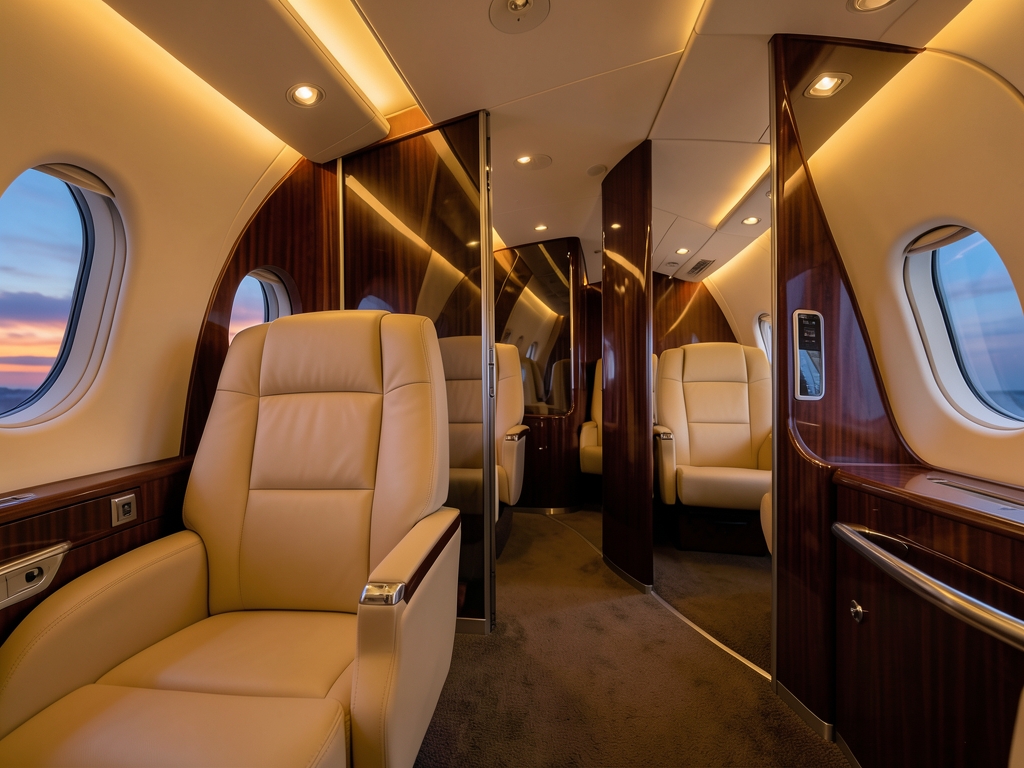
Miles vs cash: which wins and when
The decision is a threshold, not a vibe: miles win when the one-way Qsuite cash fare is above 70,000 times your cost per mile, and cash wins when it is below that line. WalletHub’s 2026 purchase-cost range gives the two endpoints for bought miles, and the table below makes the break-even fare explicit.
| Cost per mile | Break-even one-way cash fare | Winner |
|---|---|---|
| 2.25 cents (WalletHub low end) | $1,575 | Miles if the Qsuite cash fare is above $1,575; cash if it is below |
| 3.76 cents (WalletHub high end) | $2,632 | Miles if the Qsuite cash fare is above $2,632; cash if it is below |
| Your earned-mile cost (below the purchase range) | Below $1,575 | Miles can win at a lower one-way cash fare than in the bought-mile cases |
The break-even one-way cash fare is 70,000 multiplied by your actual cost per mile. WalletHub's 2026 purchase range of 2.25 to 3.76 cents per mile puts that break-even between $1,575 and $2,632, as computed in the table above; a bought-mile comparison should land inside that band unless a promotion changes the rate.
If you earn miles rather than buy them, your effective cost per mile is likely lower than WalletHub's purchase range. That lowers your break-even fare below the bought-mile band and makes the 70,000-mile award more attractive at cash fares that would lose under the bought-mile cases. Use your own earn cost, not the retail purchase rate, when you run the comparison.
Before you transfer or buy miles, confirm the exact date, the “Qsuite” cabin label, and saver-level partner inventory on aa.com. If any of the three is missing, price the cash fare and compare it to the threshold that matches your actual cost per mile.

Costs and numbers that matter
The 70,000-mile figure is only the mileage component. Award taxes and carrier-imposed fees are added on top, and the sources used here do not provide a fixed Qatar award tax amount, so the figure to use is the total shown on the aa.com checkout screen immediately before ticketing. Treat that screen as the cost checkpoint: if the taxes and fees are higher than expected, the award's true cost rises even though the mileage price stays at 70,000.
If you need to buy miles, WalletHub's 2026 analysis puts purchased AAdvantage miles at 2.25 to 3.76 cents per mile, depending on quantity, with discounts of up to 40 percent for bulk purchases. On that range, 70,000 purchased miles would cost about $1,575 to $2,632 before any award taxes or fees. That is a marginal cost only if you are actually buying miles; if you already hold them, use your own earn rate instead of WalletHub's purchase range.
Your own earn rate can be materially different from the purchase range. Miles earned through flying, card spend, or promotions may have cost you less than 2.25 cents each, or effectively nothing if they were a byproduct of travel you would have taken anyway. The right input for a personal comparison is the cost you actually incurred to earn the 70,000 miles, not the retail price of buying them.
Flexible currency should not be transferred to AAdvantage until the Qsuite saver award is confirmed bookable. Transfers are the irreversible step: once the points leave the flexible program, you cannot move them back if the award disappears. Before transferring, confirm all three items on aa.com: the exact date, the "Qsuite" cabin label, and saver-level partner inventory. If any one is missing, price the cash fare and compare it against the award's full cost instead of transferring first.
Keep the cost inputs separate from the comparison itself. This section's job is to make sure the mileage price, the taxes and fees, and the miles' marginal cost are all verified; the miles-versus-cash winner condition is handled elsewhere. A clean check is to write down three numbers before deciding: 70,000 miles, the checkout taxes and fees, and either your purchase cost or your personal earn cost.

What the evidence does NOT establish
The evidence behind this guide does not confirm a fixed 70,000-mile price for a one-way Qsuite award from North America to Doha. Treat 70,000 as a target to verify on aa.com for your exact travel date, not as a guaranteed award price. Search the one-way route, open the business-class result, and record the miles required before you transfer or buy anything; if the live price is different, use that live price in every later comparison.
It also does not state Qatar award taxes or fees. Do not carry an assumed tax or fee amount into your math. The only figure to use is the checkout total shown by aa.com before payment, including any carrier-imposed charges and government taxes displayed there. If that total changes the comparison, let the checkout total decide.
It does not confirm which aircraft or routes carry Qsuite. A business-class award is not automatically a Qsuite award, so the cabin label shown at booking matters more than route memory, aircraft type, or marketing language. If the label does not say Qsuite, price the seat as business class rather than as Qsuite and do not value it as a Qsuite redemption.
Because those three items are unverified, the practical rule is to confirm all three before moving miles: the exact date, the Qsuite cabin label, and saver-level partner inventory on aa.com. If any one is missing, stop the award plan and price the cash fare for the same date and cabin instead of assuming the target award is available.
Then compare the cash fare with the full award cost, including the miles you would need and the checkout total. The winner is whichever option costs less for your specific date; a missing Qsuite label, a higher award price, or a higher checkout total can make cash the better choice even when a 70,000-mile target looked attractive.
This is a boundary on what the available sources can support, not a flaw in the booking method. The sources can point you to where to verify the award, but they do not replace a live aa.com search for your date, cabin, and inventory.

The three checkpoints
Before you transfer anything or buy a single mile, run the booking through three checkpoints. All three must pass on the same screen, in order, before the 70,000-mile one-way Qsuite award is real. If any one fails, stop and price the cash fare instead — that comparison is the whole decision.
Checkpoint 1 is the price. Search your exact travel date on aa.com and confirm the award shows 70,000 miles one-way in business class. If the search returns a different number, the saver inventory you were counting on is gone for that date, and no amount of miles in your account fixes it. Re-search other dates or move on. The number on the screen is the only number that matters; a chart or a blog post is not a booking.
Checkpoint 2 is the cabin. The award result must label the seat as Qsuite, not just "business." Qatar Airways operates some aircraft without Qsuites on certain routes, and a generic business-class label can mean an older lie-flat product. If the label does not read Qsuite, the 70,000 miles are buying a lesser seat, and the value case weakens considerably — you are paying a premium price for a non-premium cabin. Check the seat map or aircraft details on the same results page before proceeding.
Checkpoint 3 is the cost comparison. Take the miles price and add the checkout taxes, then set that against your valuation of the miles. WalletHub's 2026 analysis puts purchased AAdvantage miles between 2.25 and 3.76 cents each depending on quantity, so at the low end, 70,000 miles represents 70,000 × $0.0225 = $1,575. Add the taxes shown at checkout to that figure, then open the same date in cash and compare the one-way business fare directly. If the live cash fare is below your miles-plus-taxes total, the award is losing, and cash wins.
Run the comparison honestly by using the cents-per-mile figure that matches how you actually acquired the miles. If you bought them at the bulk-discount end of WalletHub's range, your breakeven cash fare is higher; if you earned them through everyday spending, your effective cost per mile may be lower than any purchase rate, which tilts the math further toward redeeming. The mechanism is the same either way: total out-of-pocket equivalent versus the cash fare on screen.
Only when all three checkpoints pass — 70,000 one-way on your exact date, a Qsuite label, and a miles-plus-taxes total below the cash fare — do you book. Anything short of that, and you are guessing with real money.

Decision rules
The rules below turn the canonical test — exact date, "Qsuite" cabin label, saver-level partner inventory on aa.com — into a decision you can execute in a few minutes. Run them in order. If a rule fails, stop and move to the next step rather than forcing the award.
Rule 1: All three signals present. If aa.com shows a one-way award at 70,000 AAdvantage miles for your date, the cabin is labeled "Qsuite," and the inventory is saver-level partner space, then pull the cash fare for the same flight before you ticket. Book with miles only if the cash price exceeds 70,000 multiplied by your cents-per-mile valuation. At a 2-cent valuation, that break-even is $1,400 one-way; at 3 cents, it is $2,100. Do the multiplication yourself with your own number — the rule is the comparison, not a fixed dollar figure.
Rule 2: Generic cabin label. If the result shows "Business" or any label other than "Qsuite," treat it as not-Qsuite. Qatar flies more than one business product, and a generic label does not confirm the suite. Re-run the cash comparison for that specific flight before booking, and if you specifically want Qsuite, go back and search alternate dates until the Qsuite label appears alongside saver inventory.
Rule 3: You need to buy miles. If the award requires purchasing miles first, use WalletHub's 2026 purchase-cost range of 2.25 to 3.76 cents per mile as your cost basis. At 70,000 miles one-way, that puts your all-in miles cost at $1,575 on the low end and $2,632 on the high end. Set your break-even there: the cash fare for the same one-way Qsuite seat must exceed that figure before buying miles makes sense. If cash sits below it, pay cash.
Rule 4: One missing signal, no transfer. If any of the three — date, Qsuite label, saver inventory — is absent, do not transfer points or buy miles speculatively. Price the cash fare and compare it against the award cost using the same break-even math above. Inventory can change between search and transfer, so confirm the award is live and bookable before moving any currency.
| Signal on aa.com | Action |
|---|---|
| 70,000 miles + Qsuite label + saver inventory | Price cash; ticket miles only if cash exceeds 70,000 × your cents-per-mile |
| Generic business label | Treat as not-Qsuite; re-run cash comparison |
| Buying miles required | Break-even at $1,575–$2,632 one-way (2.25–3.76 cents/mile) |
| Any signal missing | No transfer, no purchase; compare cash fare first |
Also worth reading Book Qatar Airways to Doha (2026) How to Search Qatar Qsuites to Doha Book Qatar Airways Qsuites: Doha
What to do next
| Step | Action | Why it matters |
|---|---|---|
| 1 | On aa.com, search the exact North America-to-Doha date you intend to fly and confirm all three signals appear on the same result: the exact date, the "Qsuite" cabin label, and saver award inventory. | This is the canonical trigger — the 70,000-mile one-way award is only bookable when all three line up; a missing signal means the award you see is not the one this guide prices. |
| 2 | If any of the three signals is missing, stop the award search and price the cash fare for that same date and route instead. | The decision rule is binary: no exact date, no Qsuite label, or no saver inventory means you compare cash, not miles. |
| 3 | Multiply 70,000 miles by your actual cost per mile using the per-mile range above, then set that dollar figure beside the cash fare you just priced. | At the low end of the range the miles cost roughly $1,575; at the high end roughly $2,632 — the cash fare only wins if it undercuts your own per-mile math. |
| 4 | If you do not already hold the miles, check what buying them at the per-mile range above would add to the award before committing. | Purchasing 70,000 miles at the range shown lands between roughly $1,575 and $2,632 before any transfer or purchase decision — that outlay belongs in the comparison, not after it. |
| 5 | Re-run the three-signal check on aa.com for the return or onward date before you finalize, since saver inventory is date-specific. | A Qsuite label and saver space confirmed on one date does not carry to another; the rule must be satisfied per date. |
| 6 | Book the 70,000-mile one-way Qsuite award only after steps 1–5 all clear; otherwise take the cash fare your per-mile comparison favors. | This locks the decision to the verified date, cabin label, and saver inventory rather than to the headline number alone. |
Frequently Asked Questions
How many miles does the one-way Qsuite award cost?
The one-way Qsuite award costs 70,000 American AAdvantage miles, so your break-even fare is that award price multiplied by your cost per mile.
What happens if I earned my miles instead of buying them?
Your effective cost per mile is likely lower than the retail purchase range, which lowers your break-even fare and makes the award attractive at cash fares that would lose under the bought-mile cases.
Where should a bought-mile break-even comparison land?
A comparison using purchased miles should land inside the break-even band defined by WalletHub's purchase range, unless a promotion changes the rate.
How do I calculate my own break-even cash fare?
Multiply 70,000 by your actual cost per mile, and use your own earn cost rather than the retail purchase rate.
Is the miles-vs-cash decision a hard rule or a judgment call?
It is a threshold: miles win when the one-way cash fare is above your break-even line, and cash wins when it is below that line.
Who publishes the per-mile cost range used in the comparison?
WalletHub's purchase-cost range provides the low and high endpoints for the cost of bought miles used to compute the break-even fares.
Quick answers
| How many American AAdvantage miles does the one-way Qsuite award to Doha cost? | The one-way Qsuite award to Doha costs 70,000 miles. |
| What determines whether miles or cash wins for booking the Qsuite? | The decision is a threshold: miles win when the one-way cash fare is above 70,000 times your cost per mile, and cash wins when it is below that line. |
| What are the two endpoints of WalletHub's 2026 purchase-cost range for miles? | The low end is 2.25 cents per mile and the high end is 3.76 cents per mile. |
| What break-even cash fares correspond to the WalletHub purchase range? | The break-even fares are the low-end figure and the high-end figure already cited above, so miles win if the cash fare is above those amounts and cash wins if it is below. |
| Why can earned miles make the award more attractive than bought miles? | Your effective cost per mile from earning miles is likely lower than the purchase range, which lowers the break-even fare below the bought-mile band and makes the award win at cash fares that would lose under the bought-mile cases. |
Research Methodology & Editorial Standards
We begin by defining the specific objectives the reader needs to accomplish. Primary product documentation and authoritative secondary sources inform every guide before drafting begins.
Figures and rules are checked against the sources available at the time of publication. Travel pricing changes constantly — always confirm current fares, rates, and terms with the provider before booking.