
Discover the Hidden Indigenous Cultures and Wild Landscapes of Quebec
When you really look at the map, Northern Quebec isn't just another travel destination; it’s a geological time capsule that makes the bustling streets of Montreal feel like a different planet entirely.
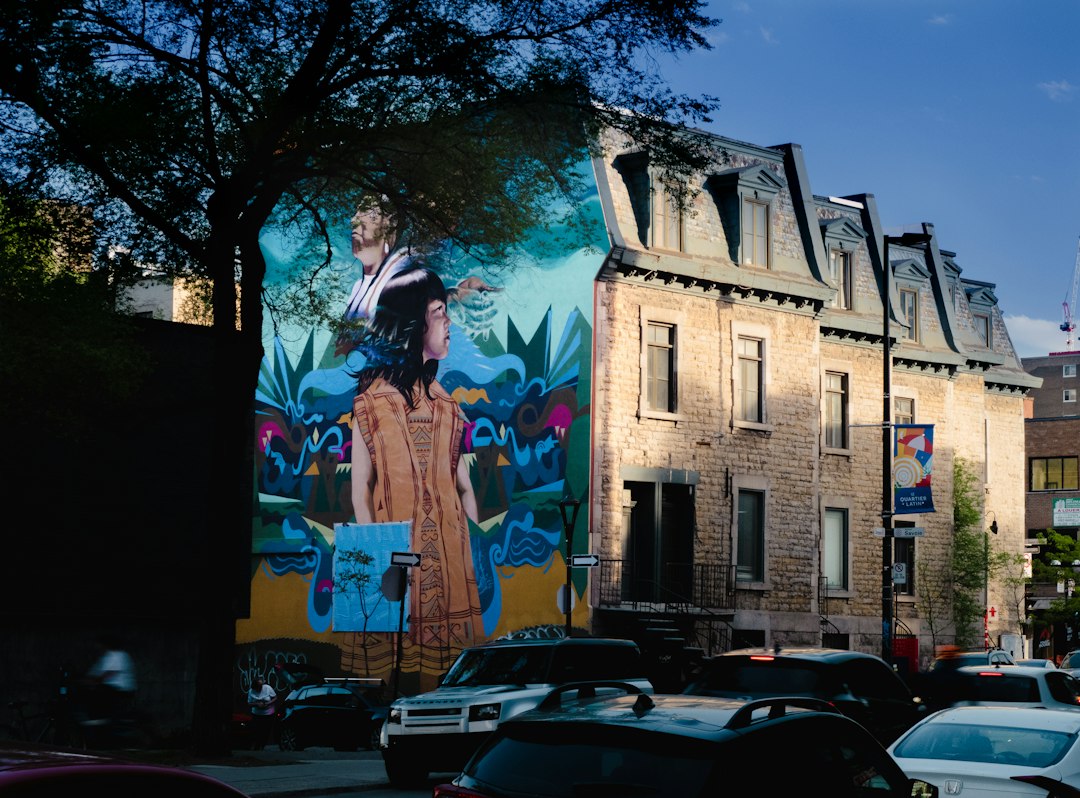
Beyond the Metropolis: Embracing the Vast Wilderness of Northern Quebec
When you really look at the map, Northern Quebec isn't just another travel destination; it’s a geological time capsule that makes the bustling streets of Montreal feel like a different planet entirely. I find myself constantly thinking about the Pingualuit Crater, an impact site from 1.4 million years ago that holds some of the clearest freshwater on Earth simply because it’s so remote that nothing can touch it. If you head toward the Torngat Mountains, you’re standing on bedrock that dates back nearly four billion years to the Archean Eon, which is honestly hard for the human brain to even process. And then there's the Great Whale River, where you can physically watch the landscape shift from thick boreal forest to the stark, open arctic tundra. It’s this kind of biological boundary that defines the entire region, shaping the weather and the life that manages to survive here.
Think about the sheer scale of the challenges these ecosystems face right now. In Nunavik, the permafrost goes down over 500 meters, acting as a massive carbon sink that we’re watching closely as thermal patterns shift and the potential for methane release increases. You also have the Hudson Bay coastline literally rising each year, a process called post-glacial rebound where the land is still recovering from the crushing weight of the last ice age. It’s a dynamic, moving environment, not some static museum piece. The local flora, like the creeping willow and resilient lichens, are absolute masters of survival, thriving in acidic, frozen soil that would kill almost anything else.
We also have to talk about the sensory extremes of being this far north. You’ll experience photoperiodic swings that are tough to wrap your head around, going from weeks of total darkness during the winter solstice to constant daylight all summer long. Because we’re so close to the North Magnetic Pole, the aurora borealis is a constant possibility, putting on a show even when solar activity is relatively calm. Plus, if you spend time along the Hudson Strait, you’ll see tides that jump over 10 meters, completely rewriting the shoreline twice a day. It’s a place that demands respect, and if you’re planning to visit, you really need to be ready for an environment that is as fragile as it is powerful.
Connecting with First Nations: Authentic Cultural Encounters and Traditions
When we talk about visiting Quebec, it’s easy to get lost in the sheer scale of the landscape, but the real heart of the region is found in the deep, ancestral connection the First Nations have with this land. I think it’s time we look past the surface and really appreciate how these communities haven't just survived here for millennia, but have actively shaped the ecosystem. For instance, the Innu people’s historical migration patterns aren't just about movement; they’re a sophisticated response to caribou life cycles that shows a level of ecological precision we’re only now beginning to quantify. It’s fascinating to note that their oral histories often act as a living archive, recording seismic events that geophysicists are only confirming today. If you want to understand how a culture thrives in such an extreme environment, you have to start here.
Let’s pause for a moment and reflect on what stewardship actually looks like in practice, because it’s far more structured than many realize. The Cree, for example, use a system involving a tallyman, where individuals are essentially the guardians of specific hunting grounds, ensuring everything remains balanced. This isn't just tradition for the sake of it; it’s a rigorous management style that keeps the land healthy. You can see this same practical intelligence in how they manage fire to boost biodiversity or how they use specific snow-tracking methods to keep animal populations strong. It’s a masterclass in living within the limits of your environment, and honestly, it’s something we could all learn a lot from as we navigate our own resource-heavy lives.
And then there is the technology—yes, technology—embedded in these ancient ways of life. Think about the shaputuan, a traditional structure built with architectural principles that are perfectly tuned for sub-arctic ventilation and heat retention; it’s essentially high-performance housing designed for one of the toughest climates on Earth. We’re also seeing a really cool collision of worlds right now, where First Nations are blending traditional knowledge with satellite remote sensing to track the health of watersheds. It’s not just about keeping the past alive; it’s about using that wisdom to solve modern problems. When you engage with these communities, you aren't just a tourist watching a performance; you’re witnessing a dynamic, evolving way of existing that is as relevant today as it was four thousand years ago.
Into the Boreal Forest: Sustainable Ecotourism and Wildlife Spotting
When you’re standing in the middle of the boreal forest, it’s easy to feel like you’ve stepped into a quiet, living machine that’s been running perfectly for thousands of years. This isn't just a collection of trees; it's the planet’s largest terrestrial carbon store, holding more in its peatlands and soils than all the tropical forests combined. I think it’s important to recognize that this isn't a static backdrop. Fire is actually a core part of its life cycle here, especially for the jack pine, which relies on intense heat to melt the resin seal on its cones and finally release seeds. It’s a harsh, high-stakes way to thrive, but it’s exactly why this landscape remains so resilient.
If you look at the ground beneath your feet, you’re walking over a complex web of life that most of us never notice. There’s a vast, subterranean network of mycorrhizal fungi—often called the wood wide web—that acts as a silent support system, moving nutrients between trees to keep the forest upright. The floor itself is blanketed in feathermoss, which works like a biological insulator to keep the soil cool and slow down decomposition. Because the growing season is so tight, plants have to move fast, with some finishing their entire reproductive cycle in a matter of weeks. It’s an incredible display of efficiency, and honestly, it makes you view the stillness of the woods a bit differently.
Wildlife spotting here requires a totally different mindset because the animals are masters of navigating these extremes. Take the Canada lynx, for instance; they’ve developed oversized, fur-covered paws that act like natural snowshoes to keep them moving over deep, powdery drifts. We’re seeing a shift toward more responsible ways to witness this, with ecotourism operators now using non-invasive bioacoustics to track animals instead of chasing them for a photo. It’s a much more respectful approach that lets us observe creatures like the woodland caribou—which depend on sensitive arboreal lichens—without putting their winter food sources at risk. If you’re planning to visit, I’d suggest looking for guides who prioritize this kind of technology, as it’s the best way to see the wilderness without leaving a heavy footprint behind.
The Art of the Sugar Shack: Celebrating Quebec’s Deep-Rooted Seasonal Heritage
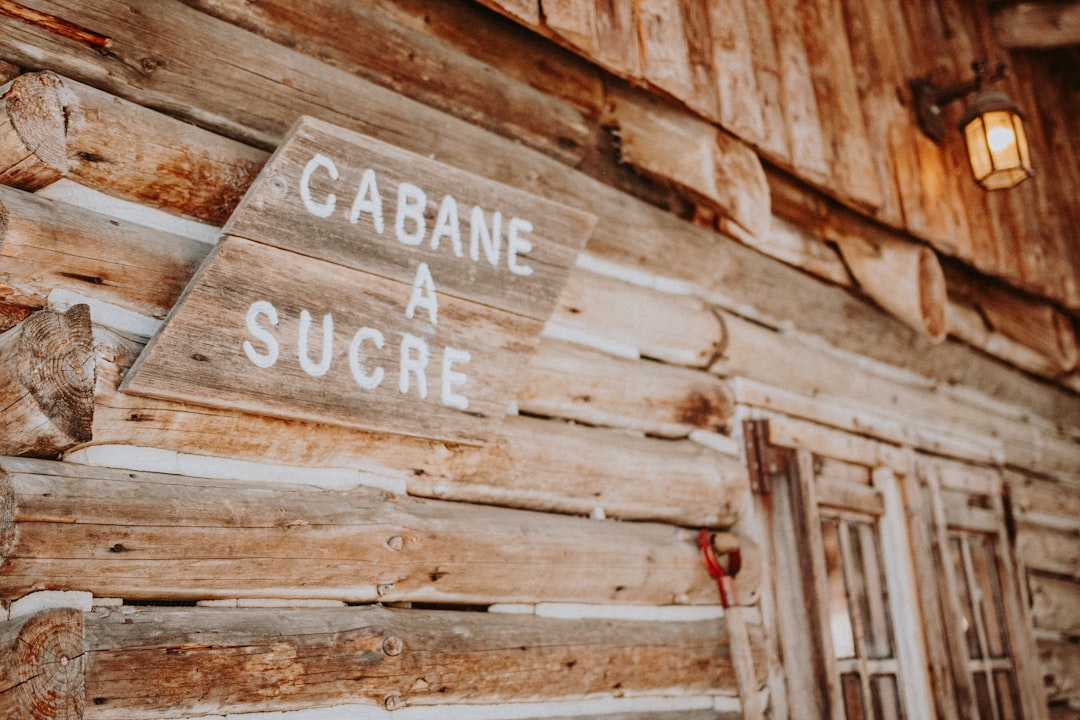
When we talk about the soul of Quebec, we have to look past the modern infrastructure and acknowledge the sugar shack, or cabane à sucre, as a sophisticated piece of agricultural heritage. It’s easy to romanticize these spots as simple tourist haunts, but if you look at the biology, you're witnessing a precise, weather-dependent event that has been refined over centuries. The sugar maple tree typically needs to hit the 40-year mark before it’s mature enough to be tapped, and even then, the process is carefully calibrated to ensure the tree stays healthy for over a century. It's this balance between extraction and long-term forest health that makes the entire industry feel so grounded in sustainability.
If you’ve ever wondered why the syrup tastes so distinct, it comes down to a physiological reaction that’s incredibly sensitive to the environment. The peak harvest happens during the spring thaw, when temperature cycling above and below freezing creates internal pressure changes that force sap flow. We’re essentially catching the tree’s own biological response to the changing seasons, a process where 40 liters of raw sap, usually holding just 2% to 3% sugar, must be boiled down to create a single liter of syrup. Indigenous communities were the original engineers of this practice, realizing long ago that boiling sap over hot stones was the best way to concentrate it into an energy-dense, shelf-stable sweetener.
Today, the industry is a fascinating blend of that deep history and modern efficiency, especially here in Quebec, which generates over 70% of the world’s supply. You’ll notice the shift from those classic metal buckets to high-vacuum tubing systems that boost yield by about 20% while keeping everything much cleaner. It’s a highly regulated, high-stakes game that manages to stabilize supply against the chaos of spring weather. And it’s not just about the final product; the wood used for the evaporators is often pulled from the sugar bush itself, which actually thins the forest and allows younger, more vigorous maples to take over. When you’re sitting in a shack, you’re not just eating a meal; you’re consuming a chemical profile of over 60 compounds, including essential minerals like manganese and zinc, all harvested through a cycle that barely leaves a mark on the woods.
Coastal Wonders and Arctic Landscapes: Exploring the Ungava Peninsula
When you look at a map of the Ungava Peninsula, it’s easy to see just another vast, empty stretch of the Canadian North, but honestly, it’s one of the most geologically and biologically active places I’ve ever researched. Think about it this way: the basaltic plateaus along the Povungnituk River are essentially gargantuan remnants of the supercontinent Rodinia breaking apart 700 million years ago, towering hundreds of meters above the tundra. It’s a wild reminder of how much this ground has shifted, especially when you consider the greenstone belts that offer us some of the oldest evidence we have for when the Earth’s atmosphere first became oxygen-rich. And if you’re into the mechanics of how life clings to such extreme conditions, the purple saxifrage is a total marvel, using a natural antifreeze to bloom while there’s still frost on the ground.
The scale of the wildlife here is just as intense as the geology, particularly when you track the Leaf River caribou herd. We’re talking hundreds of thousands of animals moving across winding eskers, which are basically ancient sediment roads left behind by glacial meltwater streams that dried up ages ago. It’s a massive logistical operation they run every single year, and it’s fascinating to see how their migration is guided by magnetoreception as the North Magnetic Pole zips toward the Siberian coast. I’ve always found it wild that beluga whales in the Ungava Strait use those same intense tidal currents to reach shallow estuaries just to shed their skin in the warmer water. It’s a perfect example of how every creature here has evolved a specific hack to survive in a place that really doesn't want them there.
Then you have the sheer chemical weirdness of the coast, like the hyper-saline pools that stay liquid way below the freezing point of regular water, hosting bacteria that researchers are currently studying for potential biotech breakthroughs. These spots, alongside the thermokarst lakes that reshape the land every decade as the ground ice thaws, show us that this isn't a static environment at all. Even the sea cliffs tell a story; the peregrine falcons have been nesting there for centuries, and the organic waste from their activity actually creates tiny, lush oases of vegetation in an otherwise nutrient-starved landscape. It really makes you appreciate how interconnected everything is, from the phytoplankton blooms at the floe edge to the distinct genetic signatures of the Arctic char in isolated, glacial-fed lakes. If you ever make it up this way, you aren't just visiting a destination; you're stepping into a living, breathing laboratory that’s been writing its own history for billions of years.
Preserving Ancestral Knowledge: Supporting Indigenous-Led Conservation Initiatives
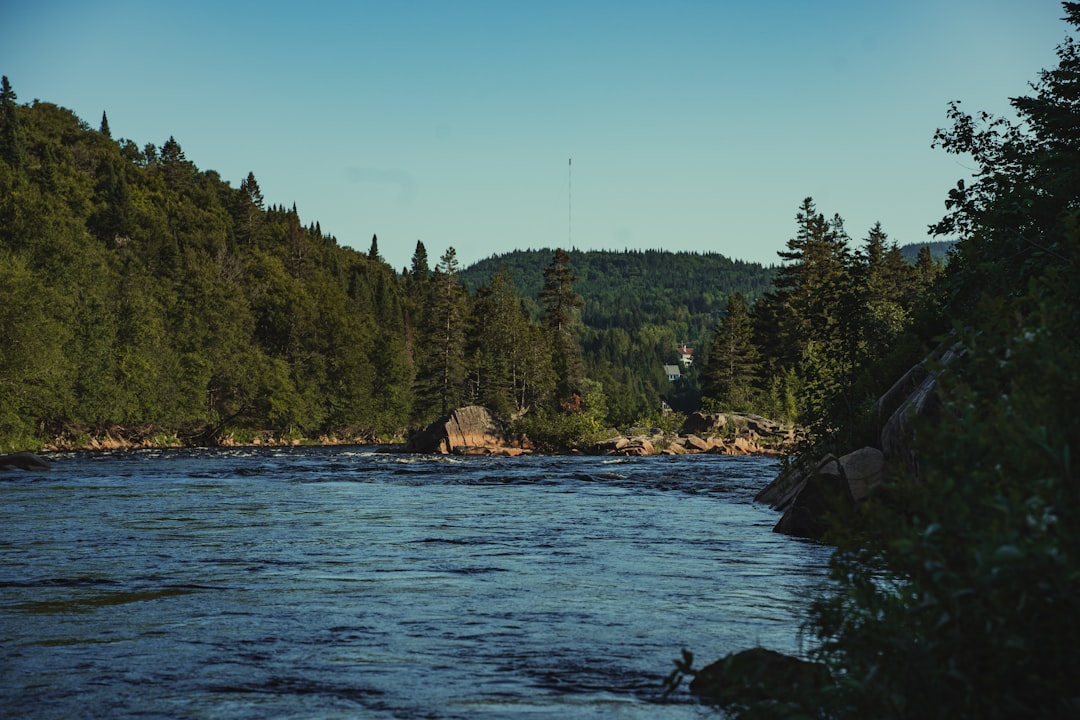
When we dig into what it actually takes to keep our ecosystems functioning, it’s clear that we’ve spent way too long ignoring the original experts. You know that moment when you realize a system has been running perfectly for thousands of years without any outside interference? That’s exactly what’s happening with Indigenous-led conservation, where ancestral knowledge isn't just a relic of the past—it’s the most precise tool we have for managing the land today. It’s not just about setting aside a park and hoping for the best. It’s about active, hands-on stewardship that identifies ecological stressors, like shifts in bird migration patterns, way before standard scientific surveys even pick them up.
Think about it this way: when communities integrate traditional ecological knowledge with modern satellite imagery, they’re creating hybrid management plans that are honestly way more effective than anything a government agency could draft on its own. We’re seeing this in how they manage the boreal forest, using fire-regime modeling that mimics natural patterns instead of just suppressing everything. It turns out that letting the land breathe and burn when it needs to actually drives better long-term regeneration. Plus, when you look at the data from recent audits, it’s pretty staggering to see how much more successful local land guardians are at catching invasive species early compared to traditional, rigid patrols.
The real beauty here is how these initiatives prioritize entire food webs rather than just obsessing over one single, isolated species. They’re protecting cultural keystone species, which naturally keeps the whole environment in balance. And it’s not just theory; we’re seeing real-world results like the return of bison to ancestral lands, which acts as a massive biological lever for restoring native soil health. By blending those ancient oral histories about drought cycles with current water-sharing agreements, these communities are giving us a much deeper, more realistic look at how to survive a changing climate. It’s a shift toward a kind of reciprocal responsibility, where the right to use the land is directly tied to the work of restoring it, and honestly, that’s the only way forward that makes sense.
Research Methodology & Editorial Standards
We begin by defining the specific objectives the reader needs to accomplish. Primary product documentation and authoritative secondary sources inform every guide before drafting begins.
Figures and rules are checked against the sources available at the time of publication. Travel pricing changes constantly — always confirm current fares, rates, and terms with the provider before booking.