
Discover the Hidden Wilderness and Indigenous Culture Beyond the Streets of Quebec
Indigenous communities have been using controlled burns here for ages, and it’s finally dawning on modern researchers that these traditional practices might be the best way to stop the massive fires we’re seeing elsewhere.
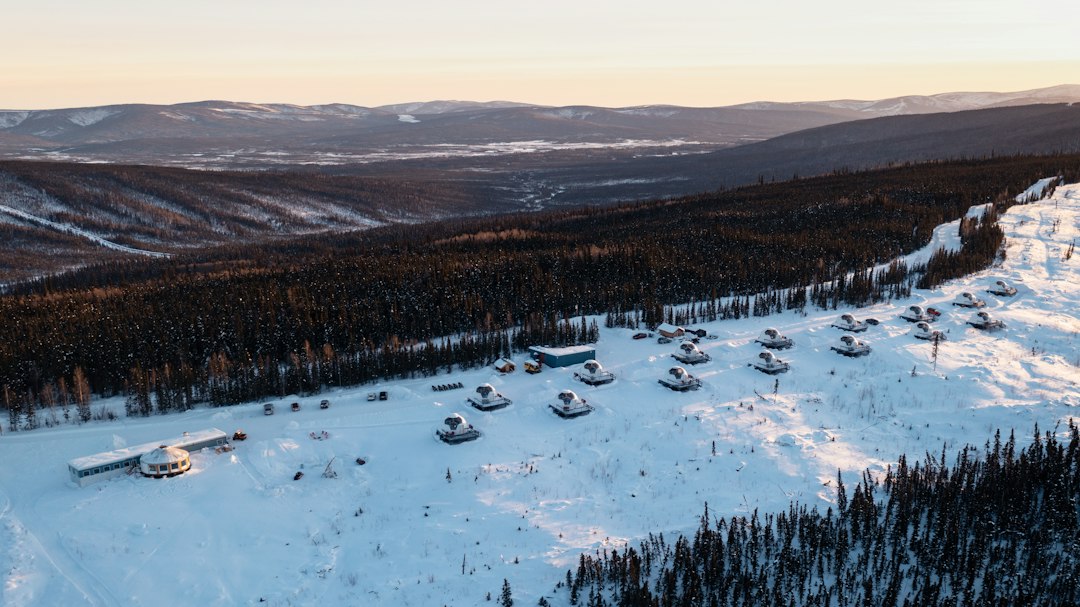
Into the Boreal: Navigating the Vast Landscapes of Northern Québec
You know that feeling when you look at a map and realize how little of the world we actually see? Northern Québec is one of those places that completely dwarfs our human sense of scale, holding an incredible 208 billion tons of carbon in its soil and biomass. It’s not just a forest; it’s one of the planet’s most vital cooling systems, where the ground itself is a massive, ancient storage locker for carbon. Because it’s so cold up there, things don't rot away like they do in your backyard, which means organic matter builds up into deep, thick layers of peat that have been sitting there for thousands of years. Honestly, standing on that ground, you’re literally walking on top of history that goes back to the very foundation of the Canadian Shield.
But things are shifting pretty fast, and that’s what really keeps me up at night when I look at the data. We’re seeing temperatures rise at twice the global average, which is waking up the permafrost in ways we’re just beginning to track. It’s fascinating and scary to see how this affects the George River caribou, who depend on those specific lichen woodlands to survive the winter. You’ve also got the Rupert River, still the largest undammed system in the east, acting as a lifeline for biodiversity in a region where spruce trees might take a hundred years just to grow a few meters tall. It’s a delicate balance, especially when you factor in how frequent spruce budworm outbreaks are changing the very look of the forest.
And then there’s the human side of the story that we often ignore. Indigenous communities have been using controlled burns here for ages, and it’s finally dawning on modern researchers that these traditional practices might be the best way to stop the massive fires we’re seeing elsewhere. If you’re heading up there, you’re stepping into an area where millions of migratory birds arrive every year to nest in these quiet, protected wetlands. It’s not just scenery; it’s a living, breathing laboratory for how nature tries to stay cool despite all the pressure. I think we need to stop viewing these places as just empty space and start seeing them as the heavy-duty machinery keeping our climate stable.
Honoring First Nations: Engaging with the Living Traditions of the Innu and Cree
When we talk about the North, we often focus on the geography, but we miss the people who have served as its primary engineers for millennia. I think it’s time we look at the Innu and Cree not just as inhabitants, but as holders of a sophisticated, empirical data set that modern science is only now catching up to. For instance, the Innu language, Innu-aimun, uses a classification system for snow and ice that acts as a survival manual for the boreal landscape. They’ve also preserved star maps that allowed them to navigate featureless tundra long before GPS was a thought. Think about the sheer technical precision required to survive there; it’s not just luck, it’s a high-level mastery of physics and biology.
If you look at the Cree, their traditional hunting territory system was essentially a governance model based on lineage-based stewardship. They didn't just wander; they practiced rotational trapping, a wildlife management strategy that prevented over-harvesting centuries before we coined the term sustainable development. I find it fascinating that their oral traditions contain weather data that perfectly matches modern dendrochronology studies of the region. They weren't just guessing the climate; they were recording it with a level of detail that would make a meteorologist envious. This isn't just lore, it’s a verified record of how the land has shifted over hundreds of years.
The engineering behind these traditions is just as impressive when you look at the day-to-day tools. Take the Innu shaputuan, or longhouse, which was designed with multiple hearths to maximize heat distribution in sub-arctic cold, or the highly localized geometry of Cree snowshoes, which vary by the specific density of snow in different pockets of the peninsula. Even their diet was a calculated survival strategy, prioritizing specific caribou organ meats that provided the exact fatty acids needed to endure high-latitude winters. And when they used plants like Labrador tea, it wasn't arbitrary; they knew exactly which tannins and oils provided antiseptic benefits.
Ultimately, these practices are rooted in the Innu concept of Nutshimit, or going into the bush to maintain ecological literacy. It’s a worldview where every element—even the trees and water—is treated as an active, spiritual participant in the environment. We tend to view nature as a resource, but these communities view it as a neighbor with whom they have a formal, long-term contract. If we want to understand how to keep these vast northern systems healthy, we need to stop treating these traditions as relics. They are, in fact, the most reliable blueprints we have for long-term survival in an environment that doesn't forgive mistakes.
Coastal Wonders: The Rugged Beauty of the Gaspé Peninsula and Beyond
When you move south from the vast, quiet interior of the north, the geology of the Gaspé Peninsula feels like a sudden, dramatic shift in the earth’s own narrative. Think of this region as the final, rugged exhale of the Appalachian Mountains, which were forged some 480 million years ago during the violent tectonic collisions that birthed Pangea. You can actually see this history etched into the iconic Percé Rock, a massive monolith of Devonian limestone that acts as a vertical library, holding over 150 different species of fossils. Those striking red cliffs you see towering over the water aren't just for show either; that color is the result of iron oxide reacting with the atmosphere millions of years ago, leaving a permanent rust-colored stamp on the coastline. It’s one of those places where you realize the ground beneath your feet is essentially a record of an ancient, colliding world.
But the real magic happens where that massive mountain range hits the Gulf of St. Lawrence, particularly around Forillon National Park. Because of the unique way these mountains meet the sea, we get this bizarre, beautiful microclimate where alpine plants manage to thrive right at sea level. You’ll find the rare Bonnet-des-Belles-Dames clinging to these limestone edges, serving as a living remnant of Arctic-alpine flora left behind after the last glaciers retreated. Just offshore, the water drops off into deep canyons reaching over 300 meters, which forces cold, nutrient-rich water to the surface. This upwelling acts like a massive dinner bell for krill and forage fish, which is exactly why you’ll see blue whales surfacing just a few miles from the shore.
If you head over to Bonaventure Island, you’re looking at one of the densest northern gannet nesting sites on the entire planet, with over 100,000 birds creating a noise and energy that’s hard to wrap your head around. It’s not just about the wildlife, though, because the water itself is a complex machine where the cold Labrador Current clashes with the warmer St. Lawrence discharge. This thermal layering creates the perfect conditions for cod spawning, making the area a critical engine for North Atlantic marine life. Even the coastal forests are working overtime here, acting as a natural biological filter that scrubs pollutants before they can touch the delicate balance of the estuary. It’s a dense, high-stakes environment where every tide and tremor—part of the ongoing, subtle shifts along the Appalachian fault line—is constantly rewriting the map.
Sustainable Stays: Finding Immersive Wilderness Lodges and Eco-Retreats
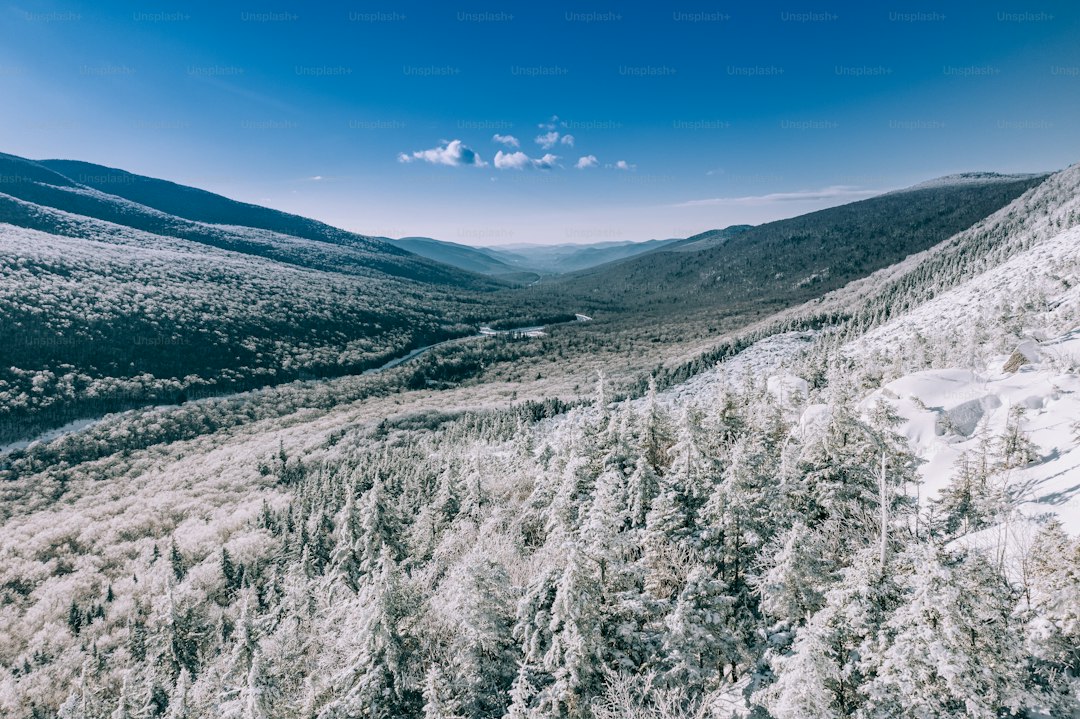
You know that moment when you’re scrolling through travel sites, trying to find a place that feels less like a hotel and more like an extension of the earth? It’s a struggle because most spots slap the "eco-friendly" label on everything without changing a thing, but the reality of 2026 is that Canada has officially overtaken traditional giants like Costa Rica and Mexico as the premier destination for true, deep-immersion travel. I’ve been watching this shift closely, and honestly, the change is radical; we're moving past passive observation into a model of regenerative stays where the lodge itself is designed to heal the land. Think of these places not as resorts, but as high-functioning biological stations where architects use modular, low-impact footings so the tundra beneath your feet keeps growing, completely undisturbed by your stay.
What really strikes me is the engineering behind these retreats. You’ve got lodges now running on 100 percent renewable micro-grids, combining geothermal heat pumps with wind energy to keep the lights on without a carbon spike. I’ve seen some using insulation made from mycelium-based composites—basically, they're growing walls out of mushrooms—which are carbon-negative and totally compostable when they’ve reached their end. They’ve even swapped out standard waste bins for anaerobic digestion units that turn your dinner scraps into biofuel to heat the building. It’s a closed-loop system that feels like science fiction, yet it’s happening right now in the most remote corners of the map.
But here is where it gets personal: you’re not just a guest anymore, you’re an active participant. These lodges are integrating indigenous ecological knowledge to manage the land, like creating specific wildlife corridors so caribou can roam right through the property without feeling blocked off. If you’re into data or just want to feel useful, many offer citizen science programs where you help track lichen health or bird migration patterns, turning your vacation into a genuine research contribution. It’s a total departure from the old-school tourism model; these facilities are now required to pass rigorous annual audits to prove they’re providing a net benefit to the local habitat. It’s messy, it’s complicated, and it’s arguably the most honest way to see the world without taking more than you give.
Ancient Traditions: Experiencing Authentic Indigenous Gastronomy and Artistry
When we talk about travel, we often get caught up in the aesthetics of a destination, but I think we’re missing the point if we don’t look at the actual mechanics of how Indigenous communities have thrived here for centuries. You really have to view their culinary and artistic traditions as a sophisticated data set, one that’s built on thousands of years of trial and error in some of the most unforgiving terrain on the planet. Take the traditional diet, for instance; it wasn’t just about survival, but about a precise understanding of biochemistry. By prioritizing nutrient-dense caribou organ meats, they were essentially fueling their bodies with the exact long-chain fatty acids needed to regulate metabolism in sub-arctic conditions. It’s a level of nutritional engineering that makes our modern, calorie-counting approach look pretty basic by comparison.
And honestly, the artistry you’ll encounter is just as functional as the food. When you look at the geometric patterns in Innu beadwork or carving, you’re not just seeing decoration; you’re seeing a reflection of the radial symmetry found in the local lichen and flora they’ve studied for generations. Even the way they process materials—using specific resin-sealing techniques on bark containers—shows an advanced grasp of chemical preservation and waterproofing that we’re only now beginning to quantify. It’s wild to think that their oral histories contain climate data that matches modern tree-ring studies perfectly, proving that their stories were actually rigorous environmental logs. When you engage with these traditions, you’re not just looking at history; you’re witnessing a masterclass in ecological literacy that’s arguably more accurate than current sensor arrays.
Here is what I think we need to shift: stop viewing these experiences as passive cultural tours. Instead, think of it as an invitation to study a living, breathing model of sustainability. Whether it’s learning how controlled burns were used to manage forest fuel loads or seeing how snowshoe geometry was calibrated to the exact crystalline structure of the local snow, there’s a massive amount of technical intelligence to unpack. If you're willing to move past the surface, you’ll find that these communities aren’t just preserving old habits; they’re operating with an empirical, evidence-based worldview that we would do well to learn from. Let's be real, in a world that’s struggling to adapt to a changing climate, these ancient blueprints might just be the most practical tools we have left.
Beyond the City Walls: Planning Your Expedition into the Québec Hinterland
If you’re planning a trip into the Québec hinterland, you’re not just going for a hike; you’re stepping into a high-stakes, ancient laboratory that defies our standard sense of time and biology. I think most people underestimate how much the landscape here dictates your travel logistics, especially when you consider that the Labrador Trough’s iron-rich geology is so intense it can actually scramble your compass, forcing you to rely on celestial navigation just like the bush pilots who came before us. It’s wild to think that while we’re busy checking our phones for a signal, the very ground beneath us is a 2.5-billion-year-old record of Earth’s early oxygenation. You really need to prepare for a environment that operates on its own set of rules, where even the trees are performing a kind of biological miracle by supercooling their cells with natural sugars just to survive nights that drop to minus 50 degrees.
And look, if you’re heading this far north, you’ve got to respect the sheer clarity of the place, both in the water and the sky. The Pingualuit Crater lake is so transparent you can see down 35 meters, a depth that’s only possible because there’s literally zero human-induced pollution to cloud the water column. When you find yourself in a Bortle Class 1 night sky zone, the Milky Way becomes so bright it actually casts shadows on the ground, which is a sensory experience you just can’t replicate anywhere else on the planet. I always tell people that if you’re going to venture this deep, you need to be cognizant of how fragile the systems are, like the slow-growing reindeer lichen that takes two centuries to reach its size, meaning a single clumsy step could wipe out decades of growth.
It’s also fascinating to see how the wildlife has engineered its own survival in these nutrient-poor pockets of the Canadian Shield. You’ve got the Barrow’s Goldeneye ducklings thriving in acidic lakes that are too harsh for fish, and caribou using a specialized sense of smell to dig through a meter of snow to find food. Even the plants are doing heavy lifting; the carnivorous Sundew is effectively colonizing bogs that would kill off other species, while the massive carpets of Sphagnum moss are working as a natural filtration system to scrub the water table as it flows toward the northern rivers. I honestly believe that when you’re out there, you stop being a tourist and start becoming a student of these survival mechanisms. Just remember that the St. Lawrence Valley is still being shaped by ancient seismic faults, a reminder that the land is never really static—it’s always in the middle of a slow, tectonic adjustment that continues to rewrite the map as we walk across it.
Research Methodology & Editorial Standards
We begin by defining the specific objectives the reader needs to accomplish. Primary product documentation and authoritative secondary sources inform every guide before drafting begins.
Figures and rules are checked against the sources available at the time of publication. Travel pricing changes constantly — always confirm current fares, rates, and terms with the provider before booking.