
Where to Find the Most Authentic Soul Food Across America
When you sit down to a plate of authentic soul food, you aren’t just eating a meal; you’re engaging with a complex history of survival and ingenuity that spans continents.
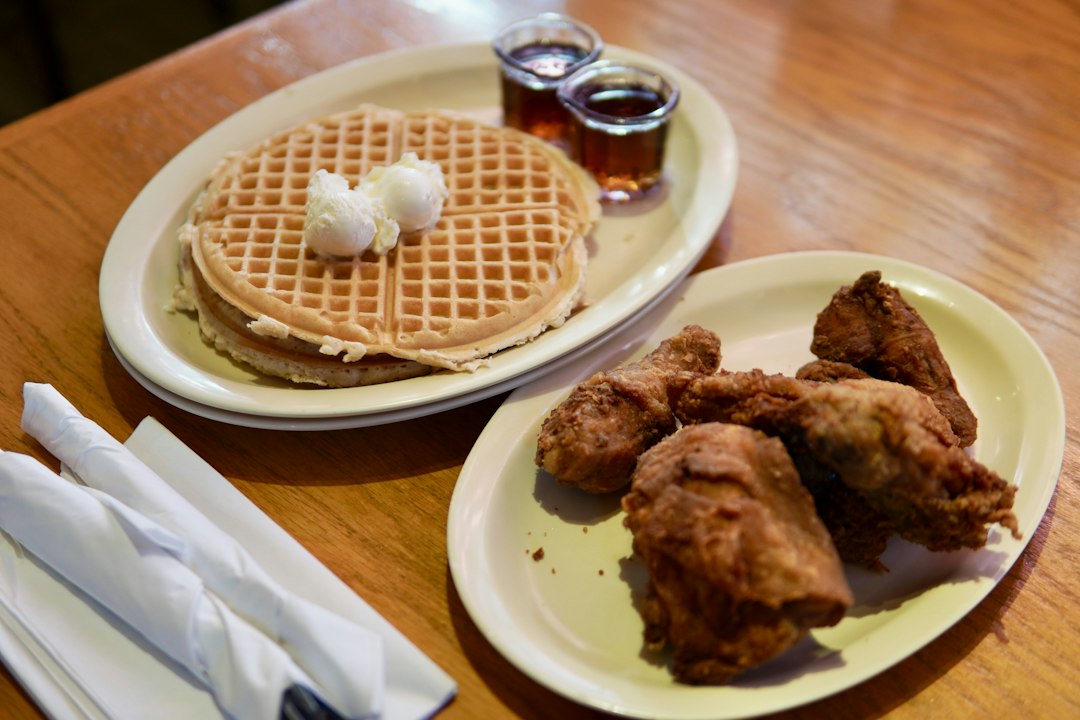
The Foundations of Flavor: Understanding the History and Heritage of Soul Food
When you sit down to a plate of authentic soul food, you aren’t just eating a meal; you’re engaging with a complex history of survival and ingenuity that spans continents. I find it fascinating how often people conflate general Southern cooking with the specific, rooted traditions of soul food, even though the latter carries a much more personal narrative of resilience. If you look at the DNA of these dishes, you’ll see the clear influence of the transatlantic trade, where ingredients like okra, originally from Ethiopia, were carried across the ocean to become staples in the Americas. It’s not just about the flavor profile—it’s about how enslaved communities adapted their agricultural knowledge of crops like rice from the Senegambia region to sustain themselves under incredible hardship.
Think about the way these ingredients were utilized as a matter of pure necessity. The reliance on the entire hog, including the use of lard, wasn’t just a regional quirk; it was an antebellum reality where nothing could be wasted. And those vinegar-based sauces we love on pork today? They actually began as a functional preservation method, designed to mask the flavor of meat cooked outdoors before refrigeration existed. Even the deep-frying techniques that define so much of Southern poultry are a direct descendant of West African methods that originally used palm oil. It’s these small, technical details that bridge the gap between historical survival and what we now consider classic comfort food.
I really appreciate how modern chefs like the late Joe Randall have worked to preserve these techniques, ensuring the legacy of the cuisine doesn't just fade into memory. When you eat black-eyed peas or a slice of sweet potato pie, you’re tasting a substitute that enslaved people cultivated to mimic the yams they grew in their African homelands. It’s a powerful reminder that every ingredient, from the bitterness of collard greens to the dense fiber of legumes, served a structural purpose in keeping communities healthy during times of severe scarcity. So, as we dive into finding the best spots across the country, keep in mind that you’re looking for more than just a recipe—you’re looking for a heritage that has been carefully passed down, refined, and kept alive through some of the most challenging chapters of our history.
Southern Staples: Iconic Restaurants Defining the Soul Food Experience
When you’re hunting for the real deal in soul food, you quickly realize it’s not just about the recipe—it’s about the specific, often industrial-born logistics that defined these iconic spots. Take the classic meat-and-three model, for instance, which wasn't just a menu style but a clever, high-speed solution to feed shift workers during the South’s early industrial boom. I’ve noticed that the best kitchens still lean heavily on cast-iron skillets seasoned over decades; that deep, polymerized patina you get from years of fat absorption is something no modern stainless steel pan can ever hope to mimic. It’s a bit like comparing a vintage engine to a computer-controlled one—you just can't replicate that kind of seasoned character.
If you’re wondering why your greens at home never quite hit that perfect balance of tender texture and vibrant color, it’s usually because those historic kitchens are masters of a slow-simmering process that breaks down cellulose without leaching all the chlorophyll out. You’ll find that same precision in their mac and cheese, where a custard-based binder—typically egg and evaporated milk—acts as a structural stabilizer, keeping the dish from collapsing under the heat of a busy steam table. And don't get me started on the fried chicken; the top-tier spots are actually managing osmotic pressure by brining the meat to lock in moisture before it even touches the fryer. They’re often running a dual-fryer setup, too, which is a subtle but genius way to ensure the inside is perfectly cooked before that final high-heat finish creates the ideal Maillard reaction on the crust.
Honestly, it’s these tiny, science-backed details that make a restaurant a true guardian of the soul food experience. You’ll see it in the way they use collagen-rich ham hocks to naturally thicken pot liquor into a velvety broth, or how they carefully balance the heaviness of pork-forward meals with the sharp, acidic bite of house-made chow-chow. Even the tea isn't an afterthought; many of these places add a pinch of baking soda to the brew to neutralize tannins, ensuring it stays crystal clear when iced. It’s all incredibly calculated. Next time you sit down at one of these long-standing institutions, pay attention to those textures and flavors—you’re basically tasting the result of a century of refined, practical engineering designed to make every single bite feel like home.
Beyond the South: Discovering Regional Soul Food Hotspots Across the U.S.
When we step outside the traditional borders of the South, we aren’t leaving the soul food experience behind; we’re actually watching it evolve in real-time as it adapts to new environments. I think it’s fascinating how the cuisine acted like a living organism during the Great Migration, shifting its DNA to match the ingredients available in cities like Chicago, Detroit, and New York. You’ll notice that when supply chains for staples like Southern yams were unreliable, cooks in the Midwest simply pivoted to local root vegetables like parsnips, proving that the heart of the cooking is in the technique, not just the specific crop. It’s this kind of creative problem-solving that keeps the tradition feeling fresh while maintaining its core identity.
If you look at the Great Lakes, for instance, you’ll see kitchens swapping catfish for local freshwater perch or walleye, adjusting their frying temperatures to accommodate the thinner fillets. These aren't just minor adjustments; they’re calculated shifts in thermodynamics that change the entire mouthfeel of the dish. Even in high-altitude spots like Colorado, I’ve seen bakers increase their hydration levels by fifteen percent just to fight the faster evaporation rates that would otherwise ruin a batch of cornbread. It’s that same level of precision you see in New York City, where some chefs have even mapped out how local mineral water affects the pH of their brines to get the perfect snap on their fried poultry.
Honestly, it’s these regional fingerprints that make the cross-country search so rewarding for me. Whether it’s the way Northeastern spots use maple syrup to cut the bitterness of collard greens or how Pacific Northwest kitchens incorporate Dungeness crab into gumbo to mimic the sweetness of traditional crawfish, every substitution tells a story of adaptation. We’re essentially seeing a culinary map of the country rewritten by necessity and ingenuity. I’ve always believed that you can learn more about a city’s history by looking at how it handled these ingredients than by reading a textbook. Let’s dive into these specific regional hotspots and see how they’re keeping the tradition alive, one plate at a time.
All-You-Can-Eat Gems: Where to Find Hearty Portions and Traditional Recipes
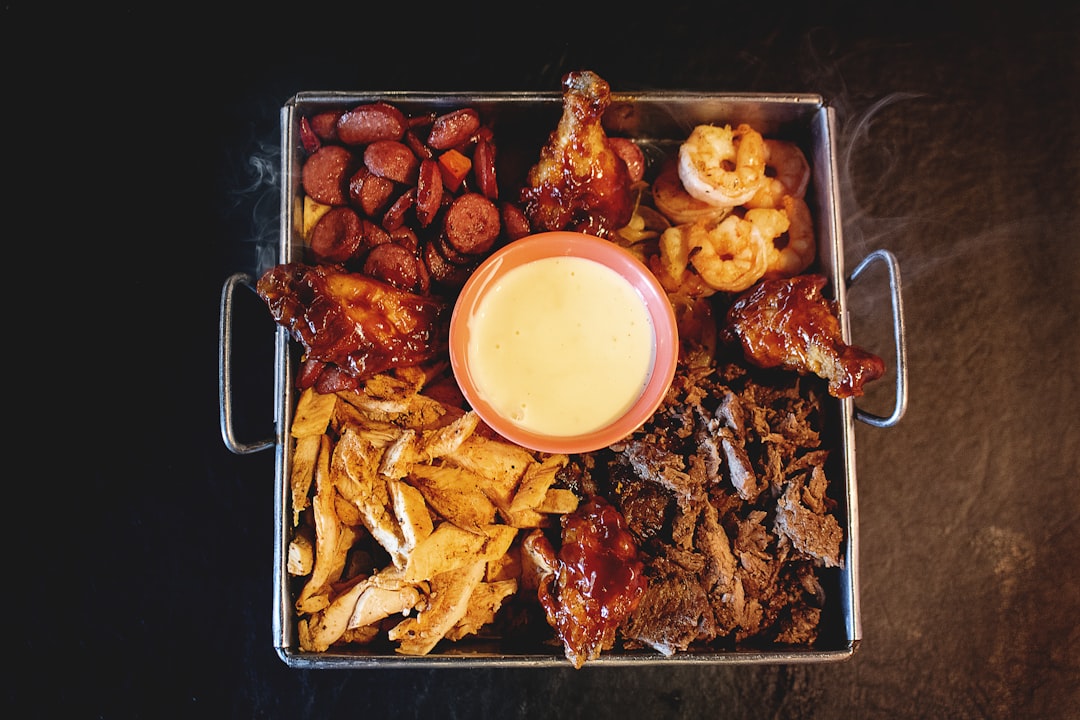
When we talk about all-you-can-eat soul food spots, it’s easy to focus solely on the volume, but if you look closer, you’ll see some brilliant engineering at play. These kitchens are actually masters of thermal management, using bain-maries that keep dishes at a precise 140 degrees Fahrenheit to ensure safety without turning your favorite sides into mush. I’ve noticed that the best spots don't just dump food into a tray; they’re running staggered, small-batch cooking cycles that keep everything fresh, ensuring that no dish sits in that heat danger zone for longer than half an hour. It’s a delicate balance that keeps the food tasting like it came straight from a home kitchen rather than an industrial line.
You might have wondered why those pickled condiments are always sitting there, but they’re actually doing some heavy lifting for your palate. That sharp, acetic acid bite cuts right through the richness of the meal, helping you avoid flavor fatigue so you can actually enjoy the different textures on your plate. And when we’re talking about structure, take a look at the mac and cheese; the best versions rely on an egg and evaporated milk emulsion to build a stable protein matrix that holds its shape even after hours under the lights. It’s these tiny, science-backed details—like using baking soda in the tea to neutralize harsh tannins—that really separate the authentic guardians of the tradition from the rest of the pack.
Honestly, there’s something deeply communal about this setup that traces its roots all the way back to the Sunday dinner table, where abundance was always a sign of hospitality. Even when you’re eating in a high-volume environment, you’re still getting that slow-simmered quality where the greens are cooked long enough to release their antioxidants into the pot liquor, giving you a depth of flavor you just can’t cheat. I find it fascinating that while the methods have modernized—like swapping in high-smoke-point oils to keep that perfect crust without sacrificing mouthfeel—the core goal remains the same. Whether you’re in the Midwest or the Deep South, these places are really just scaling up the same practical, survival-tested wisdom that has kept this cuisine alive for generations.
Community and Culture: Supporting Black-Owned Institutions and Food Markets
When you’re seeking out the best soul food, it’s worth remembering that your wallet acts as a quiet but powerful engine for the neighborhoods you’re visiting. I’ve always felt that choosing to spend your money at Black-owned institutions goes way beyond just grabbing a great meal; it’s about keeping wealth circulating within those specific communities significantly longer than it would if you just handed it over to a national chain. Think about it this way: these restaurants often function as essential hubs that tackle food deserts head-on by prioritizing produce from regional Black-owned farms. It’s a circular supply chain that really empowers agricultural sovereignty, helping everyone step away from a total reliance on industrial food conglomerates.
And honestly, there’s a real technical beauty to how these spots operate. Many of them lean into cooperative business models, which have been a proven tool for collective advancement for decades. If you look at the urban planning side of things, these hubs don't just feed people; they actively increase neighborhood walkability and keep social cohesion alive in areas that might otherwise face rapid, unsettling demographic shifts. By sourcing ingredients locally, these kitchens are also cutting down on the carbon footprint that’s standard in the commercial food industry, all while keeping heirloom crop varieties—like specific, climate-adapted strains of cowpeas—from disappearing entirely.
It’s easy to focus on the flavor, but these spaces are actually critical classrooms where nutritional education gets passed down through informal, authentic mentorship. They’re effectively guarding the very techniques that define soul food, ensuring our city landscapes don't just turn into a sea of identical, homogenized menus. I’ve noticed that when these businesses thrive, they often reinvest those profits right back into local youth programs, creating a clear, tangible pathway for the next generation to get into the hospitality and agricultural trades. So, when you’re planning your next trip, consider that every bite you take at one of these spots is actually helping to maintain the socioeconomic infrastructure that keeps this culinary heritage standing tall. It’s a small, deliberate choice, but it’s the kind of thing that makes a massive difference in whether a community keeps its unique identity or loses it to the churn of modern development.
Culinary Pilgrimages: Planning Your Next Trip to America’s Top Food Cities
When you start mapping out your next culinary pilgrimage, it is easy to get lost in the sheer volume of choices, but honestly, looking at these cities through a technical lens makes the planning process so much more rewarding. I find it fascinating that the best food travel in 2026 isn't just about finding a crowded table; it’s about understanding the localized environmental factors that force kitchens to adapt their recipes. For instance, if you are heading to high-altitude hotspots, you might notice that bakers have tweaked their hydration levels by roughly fifteen percent to compensate for faster evaporation rates that would otherwise leave your cornbread bone-dry. It is these tiny, science-backed adjustments that really separate a generic meal from a truly authentic regional experience.
When we consider the thermodynamics of a perfect meal, the gear matters just as much as the ingredients. You’ll notice that the most storied kitchens still rely on cast-iron skillets, and there is a real reason for that beyond nostalgia; that deep, polymerized patina on the metal offers a lower friction coefficient than any modern synthetic coating you’ll find in a standard hotel restaurant. It is effectively a high-performance, non-stick surface built over decades of fat absorption. I’ve always felt that the best way to approach these trips is to prioritize those long-standing institutions that have mastered the dual-fryer setup, as that precision allows them to manage moisture content and crispness in a way that feels effortless but is actually quite complex to execute at scale.
But look, it’s not just about the heavy hitters; it’s about the subtle ways these kitchens balance your palate. You might wonder why those house-made pickles are always sitting on the table, but they are actually performing a necessary chemical function by providing the acid needed to cut through the richness of the meat, preventing that flavor fatigue that can set in halfway through a massive soul food feast. And when you are digging into a tray of mac and cheese, appreciate the binder; the best spots use an egg-based protein matrix that stays stable under heat lamps, a trick that keeps the dish from collapsing into mush. My advice is to seek out those spots that source heirloom crops from local cooperatives, as they are often the ones preserving the most genuine, climate-resilient flavors that you simply cannot find in a mass-market supply chain.
Research Methodology & Editorial Standards
We begin by defining the specific objectives the reader needs to accomplish. Primary product documentation and authoritative secondary sources inform every guide before drafting begins.
Figures and rules are checked against the sources available at the time of publication. Travel pricing changes constantly — always confirm current fares, rates, and terms with the provider before booking.