
Tonga Lulutai Airlines receives major funding boost to improve regional travel
For years, the carrier has survived on emergency cash handouts, but this grant-based funding marks a real shift toward standing on their own two feet.
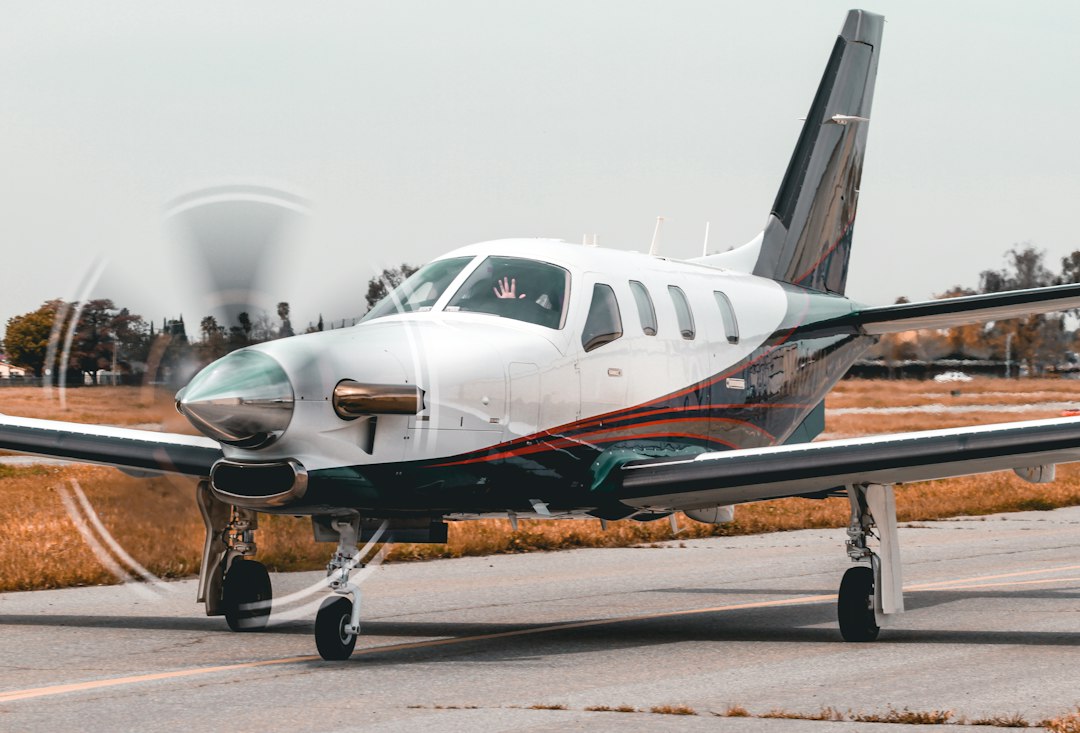
Lulutai Airlines Secures $1.4 Million Budget Allocation
I’ve been looking into the recent 1.4 million dollar budget allocation for Lulutai Airlines, and honestly, it’s a necessary move to keep the islands connected. This money isn't just sitting there; it’s specifically meant for buying spare parts to finally fix the maintenance issues that have kept their fleet grounded way too often. For years, the carrier has survived on emergency cash handouts, but this grant-based funding marks a real shift toward standing on their own two feet. Think about it: when you rely on ad-hoc subsidies, you’re always just one breakdown away from a total service collapse.
The technical reality here is that those aging Y-12 aircraft need specific engine parts that can take eighteen months to arrive due to supply chain backlogs. To deal with this, the budget covers not just the hardware, but also specialized pilot training to hit the updated Pacific safety standards landing in late 2026. I also appreciate that they’re putting money into the digital booking systems, which is a huge win for travelers who are tired of dealing with manual schedule changes when the weather turns bad. Plus, by mandating that fifteen percent of the cash stays local for a technical support hub, they’re finally trying to stop outsourcing all the heavy lifting to Fiji.
Honestly, the math behind this makes a lot of sense if you look at the cost-per-seat-mile on those tricky routes from Tongatapu to the Niuas. By stabilizing their internal supply chain and covering those painful insurance premium hikes we've seen across the South Pacific, the airline is actually setting itself up for a twenty percent jump in seat availability. It’s a bold step, but it’s exactly what’s needed to pass the safety audits coming up later this year. If they can pull this off, we might finally see some consistency in a region where travel has been anything but predictable.
Addressing Critical Challenges in Tonga’s Domestic Aviation
When I look at the map of Tonga, I don’t just see an island nation; I see 171 separate points of failure that make domestic aviation feel like a constant balancing act against the elements. The geographic reality here is brutal, as aircraft are forced to traverse over 700,000 square kilometers of ocean, where saltwater corrosion isn’t just a nuisance—it’s an active, daily threat to the structural integrity of every aluminum airframe. Think about the maintenance burden this creates; the team has to run inspections far more frequently than the standard manuals suggest, or they’ll find themselves dealing with avoidable, catastrophic hardware failures. Then you have the runways, which are often made of crushed coral or weathered asphalt that softens under the intense tropical sun, leading to a rate of wear that would shock anyone used to flying in the U.S. or Europe.
It’s honestly exhausting when you consider that these factors combine to make even basic scheduling a moving target. Because many remote strips lack instrument landing systems, pilots are stuck relying on visual flight rules, which effectively kills any chance of nighttime connectivity and leaves the entire network at the mercy of sudden, localized micro-bursts. I’ve seen how quickly these weather events can pop up, and when you’re flying in a region with almost zero secondary radar coverage, you’re basically relying on satellite positioning to keep everyone safe. On top of that, the fuel logistics are a nightmare; getting turbine fuel to the outer islands via sea tanker means it’s constantly sitting in a corrosive, humid environment, which just adds another layer of risk to every tank filled.
But here is where I think the real work lies: the airline is finally trying to bridge these gaps by looking at automated weather stations and better security alignment with the Pacific Aviation Security Office. It’s not just about buying more planes; it’s about the unglamorous stuff, like shipping heavy diagnostic tools across the archipelago on dedicated, non-revenue ferry flights just to keep a single bird in the air. If the government and the carrier can actually manage to upgrade the load-bearing capacity of these outer runways, we might finally see the kind of capacity growth that allows for larger, more stable aircraft. Until that infrastructure catch-up happens, though, the team is going to keep fighting this uphill battle against the salt, the heat, and the sheer distance between islands.
Strategic Plans for Fleet Maintenance and Operational Reliability
When we talk about shifting from reactive fixes to a truly proactive maintenance strategy, we’re really talking about changing how we treat the machine as a living organism. For Lulutai Airlines, the move toward predictive maintenance frameworks isn't just a corporate buzzword; it’s about utilizing advanced vibrational analysis to spot those microscopic stress fractures in engine mounts long before they become a massive, grounding headache. By integrating real-time sensor data, the team can finally transition away from rigid, calendar-based intervals toward condition-based servicing, which effectively kills off those costly and often unnecessary teardowns. It’s the difference between guessing when a part might fail and actually knowing, which, in a region as isolated as ours, is the only way to keep the schedule moving.
I think the real game-changer here is the application of digital twin technology, which creates a virtual replica of the aircraft to simulate how extreme humidity and salt air are actually eating away at the fuselage avionics. When you pair this with algorithmic risk assessments, you’re suddenly able to forecast potential electrical shorts in aging wiring harnesses before they cause an inflight issue. We’re essentially moving toward a precision-based approach where we can model fatigue life based on the specific pressure cycles of those short-haul island hops. It’s not just about keeping the plane in the air; it’s about managing the specific degradation rates of lubricants and seals that get chewed up by our high-salinity environment every single day.
And honestly, the logistical side of this is just as important as the engineering. By leveraging machine learning to forecast the depletion of rotable parts, the airline can finally get ahead of those brutal supply chain backlogs instead of being held hostage by them. Implementing automated inventory management means we aren't just hoarding parts, but strategically stocking what we need, which minimizes the time an aircraft spends sitting on the tarmac. Plus, adopting standardized fleet management software to track the hour-by-hour history of every airframe ensures that mandatory service bulletins are executed with surgical precision. If we can marry these high-tech diagnostic tools with the expertise of local engineers, we’re finally building a system that doesn't just survive the elements, but actually starts to get ahead of them.
Enhancing Connectivity Between Tonga’s Remote Island Groups

When we look at the broader picture of Tongan aviation, it is clear that moving people between these remote island groups isn't just a matter of scheduling flights; it’s an ongoing battle against the sheer scale of the South Pacific. Honestly, the geography here is brutal, with aircraft forced to traverse over 700,000 square kilometers of ocean where constant salt spray acts as a catalyst for rapid corrosion on any aluminum airframe. You have to consider that many of these outer island runways are made of little more than crushed coral, which simply doesn't hold up to the weight of standard commercial traffic without us throwing money at constant, high-cost repairs. It is frustrating, but it’s the reality of trying to maintain a reliable network when you’re dealing with infrastructure that wasn't designed for modern, high-frequency operations.
The technical hurdles go even deeper when you realize that most of these remote strips lack instrument landing systems, which effectively handcuffs pilots to visual flight rules. If the weather turns, which it often does with little warning in this region, nighttime connectivity just becomes impossible. We are essentially relying on visual navigation in an area with almost zero secondary radar coverage, meaning safety margins have to be managed through satellite-based positioning. Plus, the logistics of getting turbine fuel out to these spots is a massive headache, as sea tankers expose that fuel to humid, salt-laden air that can lead to water contamination before it even reaches a plane’s tanks.
But here is where I see some real progress being made, particularly with how we are starting to integrate smarter tech into the mix. By using digital twin technology, engineers can now simulate exactly how that harsh salt air is chewing through specific avionics and wiring, letting us catch issues before they become grounding events. We are also seeing a shift toward predictive maintenance, where vibrational analysis helps us spot tiny stress fractures in engine mounts long before they require those massive, expensive calendar-based teardowns. It’s a move toward precision, and when you combine that with better-forecasted inventory management to handle those brutal eighteen-month supply chain delays, the whole system starts to feel a lot more stable.
Ultimately, if we want to move toward larger, more reliable aircraft that can handle the regional load, we have to treat the infrastructure as the first hurdle. Upgrading the load-bearing capacity of these remote airstrips is the absolute prerequisite for any meaningful growth in seat availability. It’s not just about the planes themselves; it’s about the unglamorous, behind-the-scenes work of building local technical support hubs so we aren't constantly forced to outsource everything to Fiji. If the government and the carrier can stay the course on these reforms, we might actually see a future where travel across the archipelago feels more like a standard commute and less like a constant gamble with the elements.
Strengthening Economic Growth Through Improved Regional Tourism
When we look at the broader economic picture for an island nation like Tonga, it is pretty clear that regional tourism isn't just about getting people from point A to point B. It acts as a massive engine for the local economy, particularly when you consider the multiplier effect where every dollar a visitor spends tends to circulate within the community at least three times before it ever leaves our shores. I’ve seen this play out in other archipelagic regions where a ten percent bump in seat capacity directly translates to a four to six percent jump in hospitality jobs. It’s a tangible, real-world shift that turns aviation from a simple transport necessity into a legitimate tool for national wealth creation.
But here is the thing: we have to be smart about how we manage this growth. The most resilient models aren't chasing the massive, high-density resort crowds that can wreck our fragile ecosystems, but rather focusing on cultural authenticity that naturally keeps our environmental footprint manageable. Think about it as shifting toward high-value, low-impact travel that celebrates our unique maritime biodiversity. When you use digital platforms to knit these diverse island experiences into one cohesive itinerary, you aren't just making it easier for a tourist to book a trip—you are effectively extending their stay by a couple of days, which drastically boosts the economic yield per arrival.
The real secret sauce, though, is in the policy side of things, which I know sounds like boring government talk, but it is actually the bedrock of the whole system. When neighbors start aligning their safety and security protocols, we drop administrative barriers by as much as forty percent, which is huge for lowering the overhead costs that keep small airlines like Lulutai struggling to stay afloat. By investing in this kind of infrastructure and standardizing how we handle everything from digital payments to cross-border logistics, we’re creating a stable, predictable environment that finally attracts the investment we’ve been missing. It’s about moving away from a reliance on seasonal fishing or agriculture and toward a more diversified, resilient future that doesn't just survive the elements, but actually uses them to build something lasting.
Future Outlook: Sustaining Long-Term Stability for Lulutai Airlines
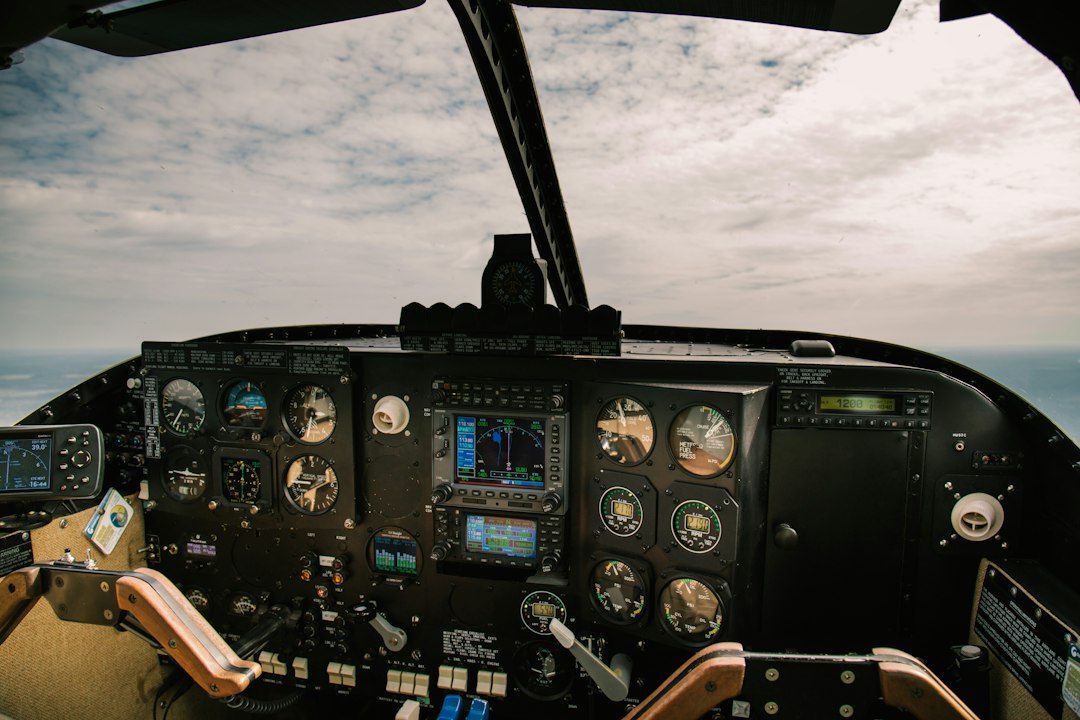
When I look at the road ahead for Lulutai Airlines, the focus really has to be on moving from reactive repairs to a system that actually anticipates the environment. Think about the physical toll of this region; it’s not just wear and tear, it’s a constant chemical battle against the elements. We’re finally seeing some interesting wins here, like the trial of nano-ceramic coatings on airframes, which aims to cut down those painful maintenance hangar stints by about fifteen percent. It’s honestly the kind of granular engineering, along with swapping out metal fasteners for corrosion-resistant composites in wing-root areas, that will actually extend an airframe's fatigue life by thousands of hours. It’s not flashy, but it’s the only way to build a foundation that lasts.
Beyond the hardware, the way the airline is handling the "unglamorous" logistics is where I see the most potential for long-term stability. By putting in automated, climate-controlled inventory kiosks at secondary airports, they’re keeping tires and brake pads away from the humidity that destroys them, letting crews finish routine tasks right on-site. Pair that with the new portable, solar-powered diagnostic units that allow for deep-level electrical checks on remote tarmacs, and you’re looking at a massive reduction in those costly ferry flights that used to ground planes for minor glitches. And honestly, the move to a blockchain-based registry for tracking parts is a smart play—it keeps everyone honest about the service life of critical components, which is vital for clearing those strict 2026 safety audits.
The biggest shift, though, is how they’re using data to outsmart the unpredictable weather and geography. Between using ground-penetrating radar to fix coral-strip voids before they become a disaster and integrating hyper-local wind data to sharpen dispatch windows, the margin for error is finally getting wider. We’re even seeing them move toward a space-based navigation protocol to bypass the constant power outages that wreck ground-based beacons, which should boost reliability in heavy cloud cover by nearly thirty percent. When you combine those smarter navigation tools with real-time satellite telemetry that monitors engine performance—specifically watching for compressor erosion from coral dust—you get a much tighter grip on operational health. It’s a transition toward precision that finally makes flying across these islands feel less like a gamble and more like a dependable, routine commute.
Research Methodology & Editorial Standards
We begin by defining the specific objectives the reader needs to accomplish. Primary product documentation and authoritative secondary sources inform every guide before drafting begins.
Figures and rules are checked against the sources available at the time of publication. Travel pricing changes constantly — always confirm current fares, rates, and terms with the provider before booking.