
The Ultimate Guide to Experiencing a Rocket Launch in Person
Choosing where to watch a rocket launch isn't just about picking the closest beach or campground; it’s really about understanding the physics that dictate why a rocket is flying in a certain direction.
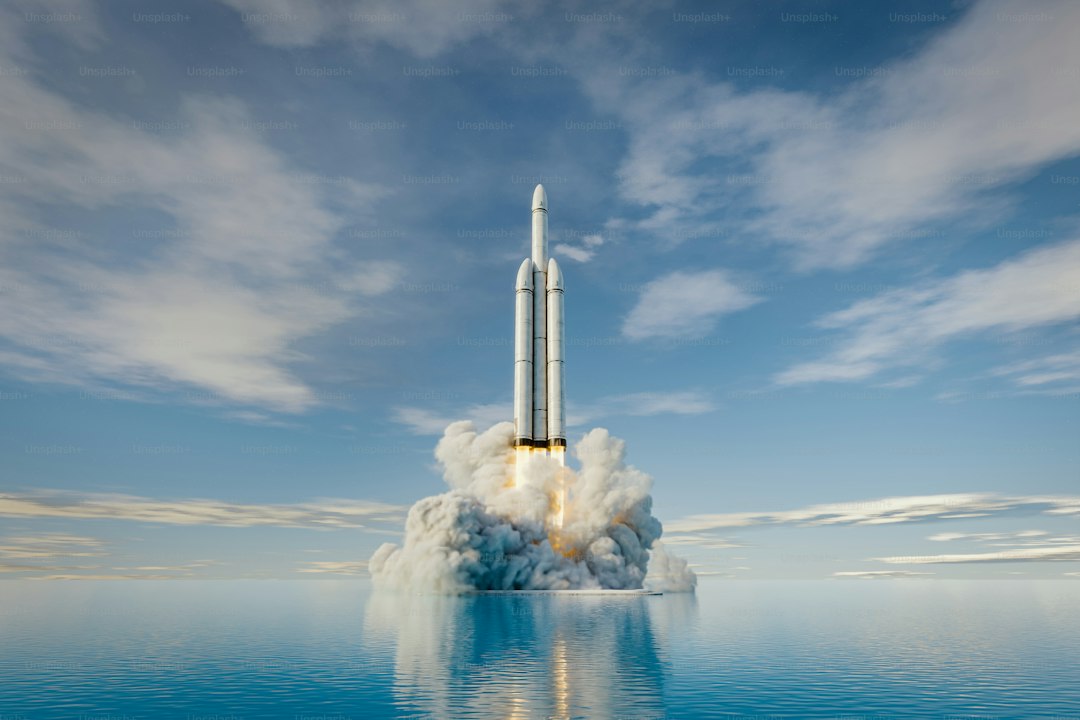
Choosing the Right Launch Site: Space Coast vs. Vandenberg and Beyond
Choosing where to watch a rocket launch isn't just about picking the closest beach or campground; it’s really about understanding the physics that dictate why a rocket is flying in a certain direction. If you’re heading to the Space Coast in Florida, you’re essentially catching rides that need an extra boost from the Earth’s rotation to hit equatorial orbits, which is why most commercial satellites and geostationary missions launch from there. It’s a bit of a trade-off, though, because Florida’s tropical weather can be notoriously unpredictable, and you might find yourself waiting through a few scrubs before you see anything lift off. But when the skies do clear, the sheer volume of activity makes it the go-to spot for anyone who wants to see the frequency of modern space travel in action.
On the flip side, Vandenberg Space Force Base on the California coast offers a completely different experience that’s largely driven by the need for polar orbits. Because launching south from California keeps rockets safely over the Pacific Ocean rather than over populated landmasses, it’s the only practical choice for high-inclination missions that need to circle the poles. You’ll notice the vibe there is quieter and more rugged compared to the busy tourism scene in Florida, yet the state is pouring millions into modernizing the base to handle a much higher cadence of private launches. It’s honestly fascinating to watch how the infrastructure is shifting to accommodate these new players while maintaining the base's historic role as a hub for critical military and intelligence satellites.
When you’re planning your trip, think about what kind of view you’re actually chasing because the geography tells you everything you need to know about the mission profile. If you see a launch heading due east from Florida, that’s physics giving the rocket a helping hand, but a southward departure from the West Coast is a deliberate move to navigate safely away from our own backyards. I always tell people to keep an eye on the launch azimuth, as it’s the best clue for whether you’re about to see a path toward the equator or a climb toward the poles. Whether you prefer the humid, electric energy of the Space Coast or the cool, marine-layer-heavy atmosphere of the Pacific, knowing why these sites exist in the first place makes the actual moment of ignition feel a lot more meaningful.
Navigating Launch Schedules: How to Track Upcoming Liftoffs
If you’ve ever found yourself refreshing a news feed while standing on a humid Florida beach, you know the frustration of watching a T-0 target slip away because of something as invisible as upper-level wind shear. These liftoffs are incredibly sensitive to atmospheric conditions, and even when the ground feels perfectly still, a single high-altitude gust can trigger an automatic abort to protect the rocket’s structural integrity. Tracking these events effectively means moving beyond standard headlines and paying close attention to official Notice to Airmen and Notice to Mariners filings. These documents are legally required for safety, often hitting public databases days before any official press release, giving you a quiet, early advantage in your planning.
Because modern missions often carry complex, multi-satellite payloads, the timing is frequently driven by the precise phasing requirements of the secondary cargo rather than the primary goal. You’ll find that specialized tracking apps often pull directly from FAA telemetry data, which usually offers a more reliable countdown than the general news outlets you might find on a typical search engine. If you’re tracking high-stakes or classified missions, like the X-37B spaceplane, don't be surprised when the official window remains a mystery until the final minutes before ignition to preserve operational security. It’s a constant game of shifting variables, where even a planned launch time might slide by seconds to avoid potential collisions with existing space debris or other active satellite constellations.
Honestly, the best way to think about these dates is as living, breathing estimates rather than fixed appointments on a calendar. Most providers use a rolling schedule, which means that hardware availability or range capacity can force a pivot at any moment. I find it’s much more effective to monitor the official Range Status updates directly, as the Eastern and Western Ranges operate on their own independent schedules that dictate exactly when a pad is cleared for flight. Viewing a launch in person is really just a lesson in probability management, especially now that providers are pushing for a launch-on-demand cadence that makes old, rigid scheduling models look like relics of the past.
Scout the Best Vantage Points for an Optimal View
Acoustic propagation plays a vital role in your viewing experience, as sound waves from rocket engines can be refracted by temperature inversions, sometimes making the launch appear silent until the massive pressure wave arrives minutes later. You should prioritize vantage points located upwind of the launch pad to minimize the risk of low-altitude clouds or exhaust plumes drifting across your line of sight. When scouting for the perfect spot, account for the Earth's curvature by seeking elevation; even a modest rise of 50 feet can significantly extend your horizon and prevent low-lying coastal fog from obscuring the initial climb-out. Thermal plumes generated by the rocket’s exhaust can create intense air turbulence between you and the vehicle, which acts like a lens and degrades the clarity of long-range telephoto photography.
Light pollution maps are essential when scouting for night launches, as a dark-sky location will allow you to track the rocket's second-stage ignition and stage separation maneuvers that remain invisible to the naked eye under city glare. Avoid choosing a spot directly beneath the expected flight path, as the extreme decibel levels can reach 180dB near the pad, which is physically painful and potentially damaging to unshielded ears. Consider the local humidity levels at your chosen site, as high water-vapor content in the air scatters light and can turn a brilliant rocket exhaust plume into a blurry, hazy mess. Look for locations with a clear view of the northern sky if you are watching a polar launch from the West Coast, as these trajectories often involve complex maneuvers that are best observed with a wide-angle field of view.
Be aware that the Max Q point, where the rocket experiences peak mechanical stress, occurs at varying altitudes and distances downrange depending on the vehicle, meaning your optimal viewing angle may shift significantly just seconds after liftoff. Many seasoned spectators utilize specialized apps that simulate the rocket’s specific trajectory based on real-time weather data to predict exactly where the vehicle will be in your field of vision at T+60 seconds. Proximity to the coast is a strategic advantage for capturing the diamond shock effect in the exhaust plume, which is most visible when the rocket hits transonic speeds against a clear, high-contrast sky. Finally, always verify the restricted airspace zones via the FAA’s Temporary Flight Restriction maps before choosing a site, as these perimeters are strictly enforced and can turn an excellent vantage point into an inaccessible area within hours of the launch.
Sensory Expectations: What Should a Rocket Launch Actually Sound and Look Like?
If you’re planning your first trip to witness a liftoff, you need to prepare for a sensory experience that defies standard intuition. Because sound travels at about 1,125 feet per second, you’ll actually watch the rocket ascend in total, eerie silence for nearly 30 seconds if you’re stationed six miles from the pad. This creates a surreal, ghost-like disconnect where you’ll see the vehicle burning through the lower atmosphere before the physical rumble finally hits your location. That sound you eventually hear isn't just a roar; it’s a crackling, tearing noise caused by Mach stem formation, where supersonic shockwaves from the exhaust collide and merge. You’ll feel these pressure spikes as percussive hits against your skin, a sensation that’s fundamentally different from merely hearing a loud noise.
It’s also important to understand that what you see isn't always what you’d expect from cinema tropes. Those massive, white billows at ignition are actually water vapor, not smoke, as sound suppression systems dump up to 450,000 gallons of water per minute to keep reflected acoustic energy from rattling the rocket to pieces. You’ll notice the color of the plume changes based on the fuel; modern Methalox engines produce a translucent blue flame with visible, diamond-shaped shocks, while traditional kerosene engines throw off a bright, soot-heavy orange plume. If you’re lucky enough to catch a night launch, keep an eye out for the twilight phenomenon. This happens when high-altitude exhaust particles catch the sun while the ground is dark, often creating a glowing, jellyfish-like effect that can stretch across hundreds of miles of sky.
Beyond the visuals, there’s a whole layer of physics you’ll experience in your chest and stomach. You’ll likely encounter infrasound—low-frequency waves below 20 Hz—that travel through the ground even faster than the audible roar, giving you a physical warning before the sound arrives. If you’re watching a booster landing, prepare for the sonic boom; it’s actually a sharp, double-report caused by the landing legs and engine cluster hitting the air, and it’s often more startling than the initial liftoff. Even the rocket itself seems to warp the air at the point of Max Q, creating a shimmering effect as aerodynamic forces build. It’s a messy, high-energy, and deeply visceral event, so don't be surprised if your camera sensors struggle to handle the brightness of the ignition, which can momentarily outshine the sun itself.
Essential Gear and Logistics for Your Launch Day Trip
Getting your gear sorted for a launch day is honestly less about packing for a trip and more like preparing for a tactical operation. You’re dealing with extreme environments—salty air, shifting sand, and massive light intensity—that can absolutely wreck your equipment if you aren't ready. For starters, if you’re planning to photograph the liftoff, you need to be careful with your sensor. The ignition is so bright it can cause permanent damage, so a neutral density filter is non-negotiable for those long exposures. And skip the tripod; the sand at most viewing sites is too soft for stability. A monopod is much better, giving you the flexibility to track the rocket’s vertical climb without fighting the ground under your feet.
You should also think about your own physical comfort because these windows can stretch for hours. That salt air is brutal on gear, so keep an optical cleaning kit on hand to wipe down your lenses before they get gunked up. Since cell towers often go dark when thousands of people show up at once, I’ve found that a solar-powered signal booster is actually a lifesaver for keeping your connection alive. Bringing a lightweight, non-corrosive folding chair is another small detail that keeps you from being miserable during a multi-hour hold. And seriously, don't forget high-fidelity earplugs; the acoustic pressure is no joke, and you want to protect your hearing while still being able to catch the range safety updates.
If you really want to get into the weeds, there’s a whole layer of tech that separates the casual observer from the expert. I always recommend packing a handheld anemometer to track wind speeds at your specific location, which gives you a decent sense of whether a scrub is coming before the official announcement hits. For night launches, a physical, laminated star chart is surprisingly more reliable than an app when your screen is glinting in the dark. You might also consider bringing a radio scanner tuned to the 400 MHz range to catch live ground control audio. It’s a bit of a niche setup, but having that insight into the pre-ignition chatter makes the whole experience feel a lot more personal.
Expert Tips for Navigating Last-Minute Delays and Schedule Changes
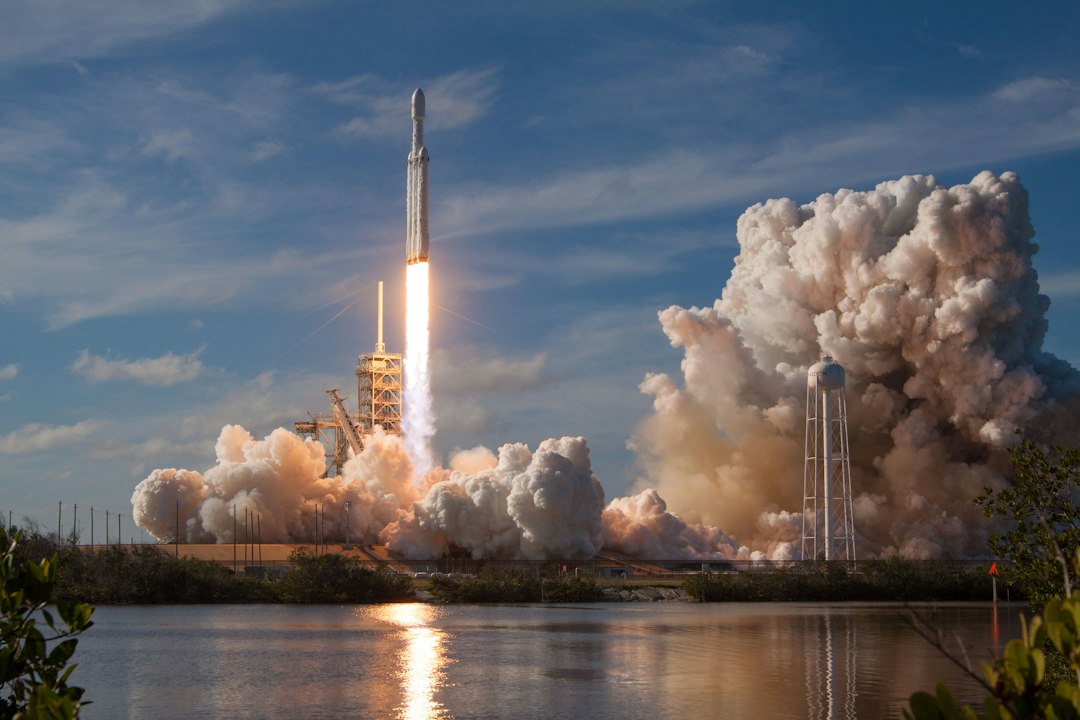
When you’re standing at a launch site, you have to accept that a T-zero target is more of a suggestion than a promise. I’ve spent enough time staring at launch pads to know that the margin for error is razor-thin, often requiring a liftoff within a single second to hit a specific orbital slot. You might see a perfect blue sky, but meteorologists are likely sweating over lightning risks within a ten-mile radius or high-altitude wind shear that could tear a rocket apart during the max pressure phase of flight. It’s a game of atmospheric physics where a gust of wind at 30 knots is often enough to trigger an immediate, frustrating scrub.
Think about it this way: these missions are limited by the volatile nature of liquid oxygen, which has a strict replenish window that prevents teams from just hitting the reset button indefinitely. When they hit a hold, they’re often using rolling count procedures to pause the clock rather than starting from scratch, which saves time but still leaves you waiting in the heat. It’s common for a stray fishing boat to wander into the maritime exclusion zone, forcing the range safety officers to stop the countdown until the area is cleared. I always check the official Range Status updates myself because I’ve found they are far more reliable than the general news feeds when it comes to understanding why we’re all still waiting.
You should also be prepared for the reality that a scrub isn't just a simple delay; if the issue is with the ground infrastructure or tracking radars, it often takes 48 hours to recalibrate everything for a second attempt. Modern mission profiles have to account for thousands of objects in orbit, meaning the team might be calculating a last-second debris avoidance maneuver that pushes the window entirely. It’s messy, unpredictable, and technically demanding, but that’s exactly why you need to stay flexible. If you’re planning your trip, don't just look for a single launch date—look for a window and expect to stay a few extra days, because in this business, the rocket is the only one that gets to decide when it’s truly ready to fly.
Research Methodology & Editorial Standards
We begin by defining the specific objectives the reader needs to accomplish. Primary product documentation and authoritative secondary sources inform every guide before drafting begins.
Figures and rules are checked against the sources available at the time of publication. Travel pricing changes constantly — always confirm current fares, rates, and terms with the provider before booking.