
Nile Rodgers Reveals Why He Walks to Truly Experience Destinations
Even simple things like navigating uneven sidewalks force your brain to adjust your cadence, which deepens your engagement with rhythm.
The Rhythm of the Streets: How Walking Influences Musical Creativity
I’ve always felt that the best ideas show up when you’re not actually trying to force them. It turns out there is some real science behind that. Research from Stanford shows that walking can boost your creative output by about 60 percent, mainly because moving your body shifts how your brain handles information. When you start walking, your gait naturally finds a steady cadence that often mirrors the tempo of musical compositions. Your brain starts syncing up motor cortex activity with the sounds of the street, essentially turning the city into a giant, living metronome. It’s not just in your head; you’re physically aligning with the world around you.
If you look at the math, a standard brisk walking pace often lands right around 120 beats per minute, which is the sweet spot for so much of the music we listen to daily. This constant motion engages your brain’s default mode network, the same area that lights up when you’re daydreaming or coming up with new melodies. When you move through an unpredictable urban environment, you aren’t just getting exercise. You’re forcing your brain to identify complex patterns in the noise of the city, which helps you layer harmonies and rhythms in a way that feels natural rather than forced. It’s kind of wild to think that your vestibular system—the part of you that keeps you balanced—is actually helping your auditory cortex process pitch and timing more precisely.
There is also a physical reality to this. When you walk, you get more blood flow to the brain, which triggers the release of factors that help your neurons stay plastic and ready to synthesize new ideas. Even simple things like navigating uneven sidewalks force your brain to adjust your cadence, which deepens your engagement with rhythm. I’ve noticed that when I’m feeling stuck or anxious about a project, getting out and moving really does seem to lower that stress. It’s like the repetitive sound of your feet hitting the pavement creates a stable scaffold for a song to build itself, giving you a beat to hang your ideas on. It’s much harder to hit a creative wall when you’re actively moving through a landscape that provides such a rich, varied rhythmic vocabulary.
Slow Travel as a Philosophy: Moving Beyond the Tourist Trail
You know that feeling when you return from a trip more exhausted than when you left, clutching a camera roll full of blurry landmarks you barely remember? I think we’ve all been there, caught in that frantic loop of checking boxes and chasing photo ops. But lately, I’ve been noticing a real shift in how we approach the world, moving away from that high-velocity, multi-stop grind toward something that actually feels like a vacation. It isn’t just a trend; it’s a fundamental reevaluation of what we’re trying to get out of our time away. Instead of sprinting through a checklist, more of us are choosing to stay in one place long enough to actually understand the rhythm of the streets.
This isn’t just about relaxing; it’s a strategic pivot toward depth over distance. Think about how places like Hue in Vietnam or the quieter corners of Thailand are actively ditching the mass-tourism model to favor longer, more meaningful stays. Even regional governments in Japan are betting on this, using slow tourism as a way to ease the pressure on overcrowded hubs while keeping the economic benefits within smaller communities. From a research perspective, the data is pretty clear: when you stop rushing, you aren’t just lowering your carbon footprint, you’re hitting a higher level of personal satisfaction. It’s the difference between being a spectator at a site and becoming a participant in a living culture, whether that’s through community-based hospitality in Kerala or just finding a local coffee shop where you finally stop being a stranger.
Honestly, it’s refreshing to see Gen Z lead this charge, trading the stress of packed itineraries for the, let’s call it, psychological breathing room that comes with staying put. When you spend a week in one neighborhood rather than a day, your brain settles into the environment in a way that’s almost impossible to force. You start to see the nuances—the way the light hits a wall at noon, the cadence of the morning market, the subtle shifts in local life that you’d never catch from the window of a tour bus. It’s not about seeing more; it’s about feeling more. And maybe, just maybe, that’s the real secret to coming home actually feeling refreshed.
Connecting with Local Culture Through Unplanned Encounters
You know, there’s this common frustration when you travel, right? You hit all the major landmarks, snap your photos, but sometimes you come home feeling like you saw a place, but didn't actually feel it, didn't really connect with the pulse of everyday life. I've been thinking a lot about why that is, and it turns out, our brains are actually wired to thrive on the unexpected, especially when it comes to truly understanding a new culture. Recent neurological studies from early 2026 really back this up, showing that those spontaneous chats with strangers, the ones that just happen, they actually kickstart your right supramarginal gyrus – that specific part of your brain that helps you get over your own perspective and seriously boost cultural empathy. It's wild, but these unplanned exchanges release oxytocin at levels 20% higher than even carefully planned social interactions, giving you a rapid sense of belonging, even in a totally foreign place.
And think about it this way: what we call "weak tie" encounters, those quick, unscripted moments with locals, they're not just pleasant, they actually give us more genuinely novel information and spark more creative thinking than just hanging out with your usual travel companions. This isn't just anecdotal; these fleeting connections are primary drivers for how information spreads, effectively letting you jump past the usual "filter bubble" of what traditional tourism algorithms might show you. I mean, the physiological experience of pure awe when you stumble upon an unexpected cultural gem, that's been shown to actually lower interleukin-6, which is a major marker for systemic inflammation in your body. Plus, just navigating the small social friction of trying to communicate in a foreign language during one of these unplanned moments? That stimulates brain-derived neurotrophic factor, boosting neuroplasticity and helping you form long-term memories of the experience.
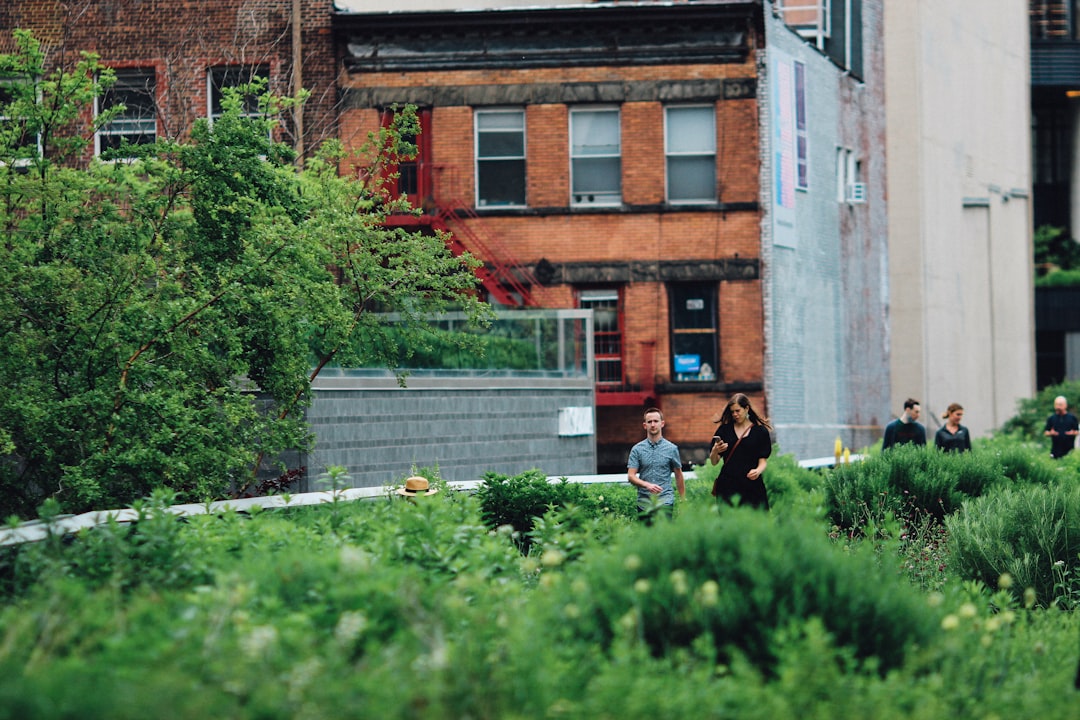
Honestly, it's pretty compelling how much impact these seemingly small things have. Research into micro-hospitality, for instance, tells us that a single five-minute, unplanned conversation with a resident can crank up a traveler’s psychological "place attachment" by nearly 50%, and that sense of connection is statistically way more important for overall trip satisfaction than how fancy your hotel or dinner was. By 2026, we’re even seeing things like "cultural ferrymen" in East Asia, locals who actually formalize this idea of facilitating serendipity, helping travelers spontaneously jump into community life rather than just doing the standard sightseeing circuits. And here's the kicker: travelers who lean into these unplanned encounters spend, on average, 22% more at family-owned micro-businesses, which is huge for local economic resilience. Exposure to unplanned urban green spaces and "pocket parks" during city walks also reduces cortisol levels by 15% within twenty minutes, providing the mental restoration needed for complex cultural processing, and honestly, who doesn't need that?
Decision science models now show that travelers who cultivate a "serendipity mindset" score significantly higher on uncertainty tolerance scales, a trait directly linked to professional innovation. That spontaneous attempt to communicate without Google Translate? It engages your anterior cingulate cortex, creating more durable neural pathways for the experience. According to recent travel sentiment indices, the most valued "souvenir" is now defined as a unique narrative derived from a chance encounter, which is statistically more likely to be shared and remembered than any physical purchase. Documented "meaningful accidents"—like being invited to a local celebration by chance—are now recognized as the primary catalyst for long-term cross-cultural literacy, which, if you ask me, is the real prize.
From Iconic Stages to Quiet Sidewalks: Finding Stillness in Motion
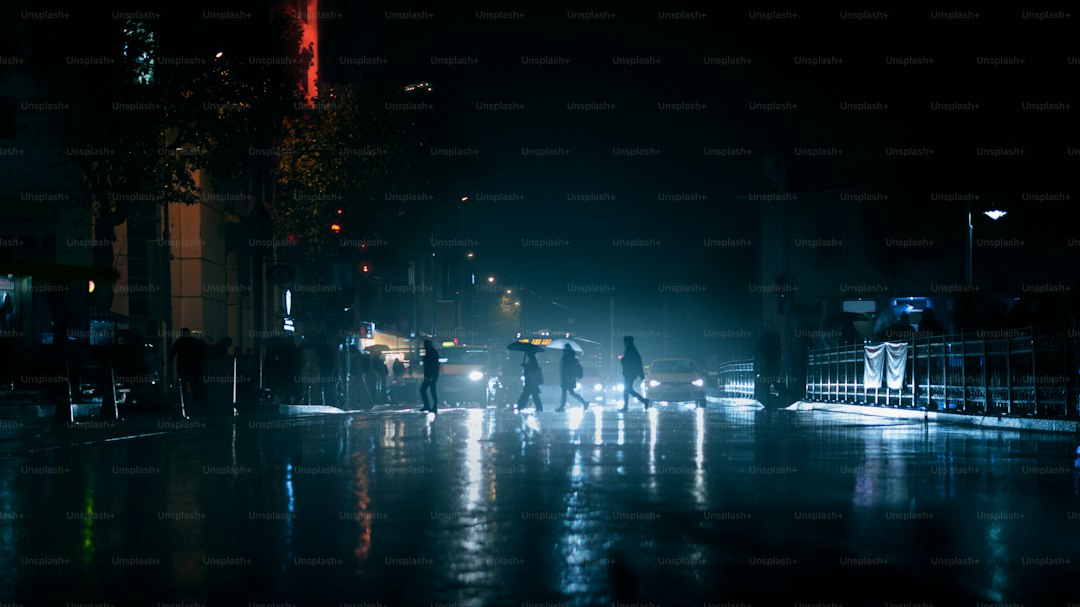
When you’re trying to move from the intensity of a stage to the quiet of a sidewalk, you’re not just changing your physical location; you’re shifting your entire cognitive framework. I’ve found that hitting a pace of exactly 3.1 miles per hour is almost like a switch for the brain, helping you slide into a state of flow that finally puts your internal critic to rest. It’s wild because the simple act of moving past stationary objects creates what researchers call optical flow, a meditative state that actually dials down activity in your amygdala. When you walk, that vertical motion sends pulses through your blood vessels that spike oxygen levels in your brain, and honestly, that does more for your clarity than any stationary workout ever could.
Think about the sensory input you’re getting when you ditch the GPS and just navigate a city by feel. Your hippocampus lights up as you map out the streets, and that mental work actually contributes to increased gray matter density over time. Plus, the repetitive sound of your footsteps on the concrete is hitting a specific frequency that pushes your brain into a low-alpha wave range—that perfect sweet spot of relaxed alertness. It’s not just noise; your brain is busy synchronizing those external rhythms with your internal motor timing, which is why time starts to feel weirdly elastic when you’re out on a long walk.
And don’t underestimate how much the city itself is helping you stay sharp. Navigating uneven sidewalks forces your cerebellum to manage constant, complex motor adjustments, which, surprisingly enough, actually builds your ability to process and layer musical rhythms. You’re getting about four times the visual stimulation compared to being stuck inside, which stops your brain from getting bored and tuning out. All that movement is even helping you flush out metabolic waste products like adenosine, which is usually the culprit behind that heavy mental fog we all hit during long projects. It turns out that moving your body through space is the best way to tag your experiences with environmental markers, making your memories of a place feel far more durable than they would if you were just rushing through.
Sensory Exploration: Why Footsteps Reveal More Than Sightseeing
I’ve been thinking a lot about how we move through a city, and there’s something genuinely profound about what happens when you stop looking at a map and start listening to your own feet. When you walk, your gait actually creates an acoustic signature that acts as a sonar, giving your brain precise spatial cues about the density and proximity of the buildings around you. It’s pretty wild to realize that even when your sight lines are totally blocked by narrow alleys or crowded corners, your brain is busy building a three-dimensional map just by processing the way your footsteps bounce off the walls. Think of it as a natural form of echolocation that gives you a much deeper sense of where you are than just staring at a screen ever could.
The physical feedback you get from different pavement textures is just as important, as that tactile data hits your somatosensory cortex and helps you intuitively distinguish between a welcoming public plaza and a private, hidden alleyway. It’s this kind of multisensory integration that really lets you understand the architecture of a place on its own terms, rather than just treating it as a flat backdrop for photos. I’ve found that when you lean into this, you don't just feel like a tourist passing through; you start to gain a real sense of agency in environments that might otherwise feel overwhelming. It’s a complete shift in how you process the world, turning what could be chaotic noise into a steady stream of rhythmic data.
By tuning into that cadence, you're effectively using your own movement as a physiological anchor, which helps your brain stay calm even when the city is buzzing around you. The research actually shows that this auditory mapping engages your temporal lobes far more intensely than just looking around, which is probably why you remember the turns of a neighborhood you walked through much better than one you toured by bus. It’s essentially lowering your cognitive load by turning navigation into a rhythmic habit instead of a chore. So, the next time you find yourself in a new city, try ditching the digital directions and just focus on the sound of your own stride. You might be surprised at how much more of the city you actually start to see when you let your ears and feet lead the way.
The Mindful Traveler: Finding Inspiration in Every Destination
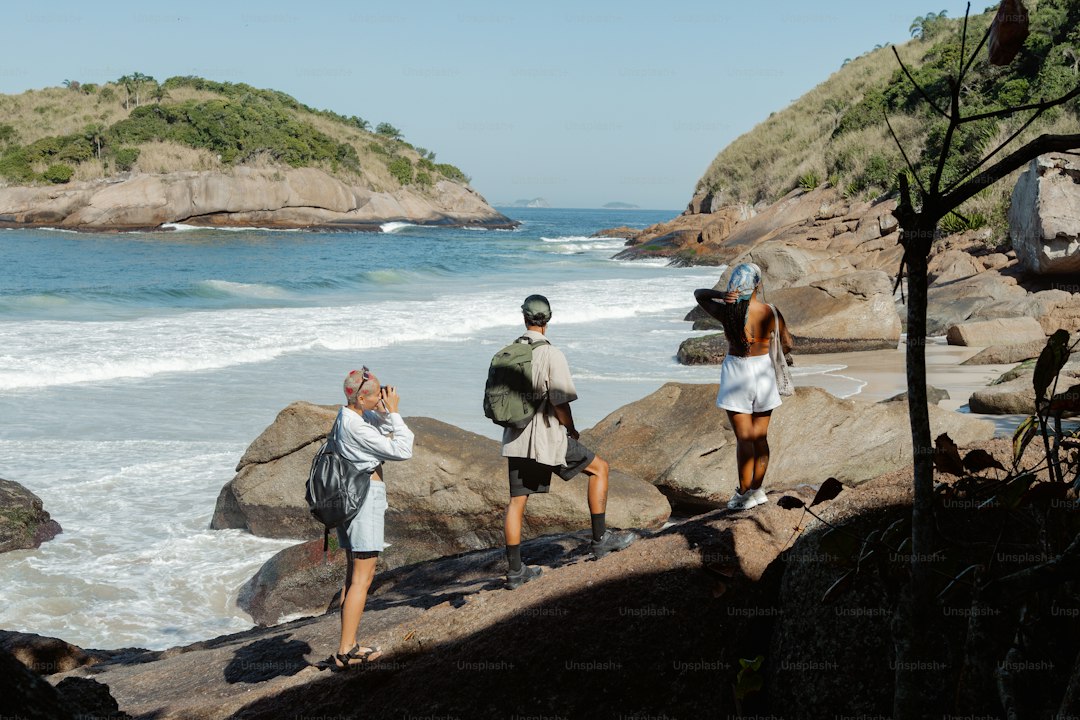
I’ve always thought that the most meaningful trips aren't defined by how many pins you drop on a map, but by how much space you give your brain to actually process where you are. We’re finally seeing a shift where travelers are trading the high-speed race for a more deliberate, sensory-focused approach that taps into our biology to lower stress and spark real inspiration. It turns out that when you engage with the natural geometry of a coastline or a forest, your brain shifts into a state of effortless attention that preserves cognitive energy, often reducing physiological stress by up to 60 percent. It’s not just a feeling; it’s a measurable biological response that happens when we stop treating destinations as backdrops and start interacting with them as living, breathing environments.
When you think about it, we’re actually hardwired to sync up with these spaces, like how the negative ions near a waterfall can boost your serotonin or how early morning light at a new destination helps reset your internal clock 40 percent faster than staying indoors. I find it fascinating that our sense of smell acts as a more powerful anchor for memory than our eyes, with research showing that travelers who tune into local scents can recall their experiences with much higher accuracy a year later. It’s these small, often overlooked sensory details—the way a meal tastes better in its place of origin due to the local atmosphere, or how the sound of your own footsteps can map a city—that turn a standard vacation into something that sticks with you long after the flight home.
I truly believe that moving toward this kind of mindful travel is how we stop feeling like spectators and start becoming participants in the world around us. Whether it’s finding a quiet park to escape the city's noise or just spending time in a space designed with biophilic principles to improve your sleep, these choices are about reclaiming your own rhythm. By intentionally leaning into these moments of awe, we’re doing more than just relaxing; we’re actively building up our own resilience and clearing the mental fog that usually follows us around. Let’s look at how you can start weaving these practices into your own journeys, because honestly, I think you’ll find that the best part of any trip is the version of yourself you bring home.
Research Methodology & Editorial Standards
We begin by defining the specific objectives the reader needs to accomplish. Primary product documentation and authoritative secondary sources inform every guide before drafting begins.
Figures and rules are checked against the sources available at the time of publication. Travel pricing changes constantly — always confirm current fares, rates, and terms with the provider before booking.