
Lufthansa Finalizes Deal to Acquire Majority Stake in ITA Airways
It’s been a long time coming, but seeing Lufthansa finally snag that 90% stake in ITA Airways for €325 million feels like the end of an era for Italian aviation’s perpetual uncertainty.

The Strategic Significance of the Lufthansa-ITA Airways Partnership
It’s been a long time coming, but seeing Lufthansa finally snag that 90% stake in ITA Airways for €325 million feels like the end of an era for Italian aviation’s perpetual uncertainty. I’ve been watching this play out, and honestly, the real win here isn't just about owning another airline; it’s about how Rome Fiumicino completely redefines where the group can grow. Think about it—while Frankfurt and Munich are great, they’re geographically "up there," making them less than ideal for a lot of traffic heading south. By making Rome its primary southern gateway, Lufthansa is basically building a bridge to South America and Africa that’s way more efficient than anything they’ve had before. We’re talking about shorter flight paths and better fuel burns, which is a big deal when you're trying to make long-haul routes actually turn a profit.
But let’s look at the passenger side of things, specifically the April 2026 Star Alliance entry that’s going to shake things up for anyone with a stash of points. Moving ITA into the Miles & More ecosystem isn't just a technicality; it’s a massive data grab that lets Lufthansa understand and market to high-value Italian travelers in a way they never could as an outsider. You know that feeling when your status finally matters at a foreign hub? That’s what’s happening here for Star Alliance loyalists who used to feel like they were entering a dead zone when flying into Italy. I’m particularly interested in how they’re keeping Eurowings at arm's length, which tells me they’re serious about keeping ITA as a premium, full-service flagship rather than just another budget carrier.
On the backend, the real magic—or maybe the real headache—happens with the full IT working together planned for early 2027. It’s a massive undertaking, but harmonizing ITA’s maintenance with Lufthansa Technik is where the serious money gets saved. We’re looking at economies of scale that a standalone ITA could only dream of, especially when it comes to ordering new planes and fixing the ones they have. It’s not all sunshine, though, as merging two very different corporate cultures is always a gamble, and I’m curious to see if the German efficiency can really mesh with the Italian flair. Still, securing a dominant share in Europe’s third-largest economy is a power move that basically boxes out the competition.
If you’re a frequent flyer, this means more choices and better connections, but for the industry, it’s a clear signal that the era of the small, national flag carrier is pretty much over. We’re seeing a consolidation that makes the big players even bigger, and Lufthansa is clearly playing the long game here. I think we’ll look back at this €325 million price tag and realize it was an absolute steal for a hub as useful as Rome. It’s about more than just planes; it’s about controlling the flow of traffic across the entire Mediterranean. Let’s see if they can pull off the landing by 2027 without too much turbulence.
Understanding the Financial Terms of the €325 Million Investment
When you look at that €325 million figure, it’s easy to just see a big number and assume it’s a standard cash injection, but the reality is much more surgical. The structure here is essentially a subscription to newly issued shares, which is a massive move because it directly fortifies ITA’s equity base rather than just acting as a band-aid for existing operational debt. I think it’s important to see this as a way to scrub the carrier clean of its old, state-subsidized reputation and anchor it in a private-sector model governed by the kind of strict German corporate oversight you’d expect from a group like Lufthansa. They’ve also been incredibly careful to keep this in line with European Commission state aid rules, which is the only way to avoid the kind of regulatory headaches that usually sink these sorts of cross-border deals.
If you dig into the fine print, the deal isn't just a lump sum payment; it’s a multi-stage equity pathway that actually ties Lufthansa’s future control to specific performance benchmarks. It’s a smart way to hedge their bets, especially since they’ve baked in provisions to adjust the acquisition price if ITA hits their fleet modernization targets ahead of the 2027 deadline. They’ve even included a clawback mechanism, which tells me they’re genuinely worried about the carrier drifting away from their fiscal projections. And honestly, the decision to mandate separate financial reporting lines for now is a brilliant, if slightly defensive, move to keep a close eye on exactly where every cent of that capital is going.
The most fascinating part for me is how they handled the competitive side of things, particularly the requirement to cough up landing slots at Milan Linate to keep the regulators happy. It’s a classic trade-off: you get the powerhouse hub in Rome, but you have to make room for low-cost competitors elsewhere to keep the market balanced. Plus, that €325 million wasn't just pulled out of thin air; it was calculated after a brutal audit of ITA’s legacy pension liabilities, ensuring that long-term personnel costs don’t suddenly become a black hole for the parent company. It’s clear they wanted to bake the "worst-case" realities into the price tag from day one, rather than dealing with nasty surprises down the road.
Regulatory Hurdles and the Path to EU Approval
When we talk about the path to EU approval, it is easy to forget that this wasn't just a simple handshake deal. The European Commission’s competition authorities essentially forced a strict remedy package onto the table, requiring the surrender of specific takeoff and landing slots at Milan Linate to ensure smaller regional carriers maintained viable access to that lucrative business route. I have been looking at how they used a specialized simulation model to analyze overlapping flight paths between Rome Fiumicino and various German hubs, eventually forcing a reduction in frequency on certain segments just to prevent a near-monopoly on direct transit traffic. It is a classic case of regulators protecting the consumer by making sure the market doesn't tilt too far in one direction. To satisfy antitrust concerns regarding dominance in the Adriatic, the agreement also includes a formal commitment to interline cooperation with competing airlines on legacy ITA routes where competition was previously deemed insufficient.
The approval process went far deeper than just looking at maps, involving a granular review of the Slot Concentration Index at Rome, which led to requirements that Lufthansa divest certain regional slots to help new entrants establish a real foothold. One thing that really struck me was the technical harmonization of the loyalty databases, which regulators monitored closely to ensure that the rapid integration into the Miles & More platform didn't unfairly disadvantage travelers by limiting their point-redemption options. They even imposed a monitoring trustee mandate, meaning an independent third party has to oversee compliance with these slot divestitures and pricing commitments right through 2029. It is a long leash, but it is necessary to make sure the promises made today actually hold water in the coming years.
Perhaps the most human element of this entire regulatory saga was the requirement to maintain specific service levels on thin, socially vital domestic routes within Italy. It prevents the parent group from simply cutting off non-profitable regions once the acquisition dust settles, which is a massive win for those of us who rely on these smaller, essential connections. Regulators also insisted on a clear separation of balance sheets for a minimum period to prevent cross-subsidization of operational losses that could otherwise distort market pricing. They even went so far as to audit aircraft procurement contracts to ensure that Lufthansa’s immense buying power wouldn't lead to predatory pricing against smaller rivals. Ultimately, a specific clause was added to the framework to prevent the carrier from using its expanded network to bundle corporate travel contracts in a way that would lock out smaller operators, and it’s this kind of detail-oriented oversight that really defines the modern regulatory landscape.
Integration Plans: What This Means for Lufthansa Group’s Network
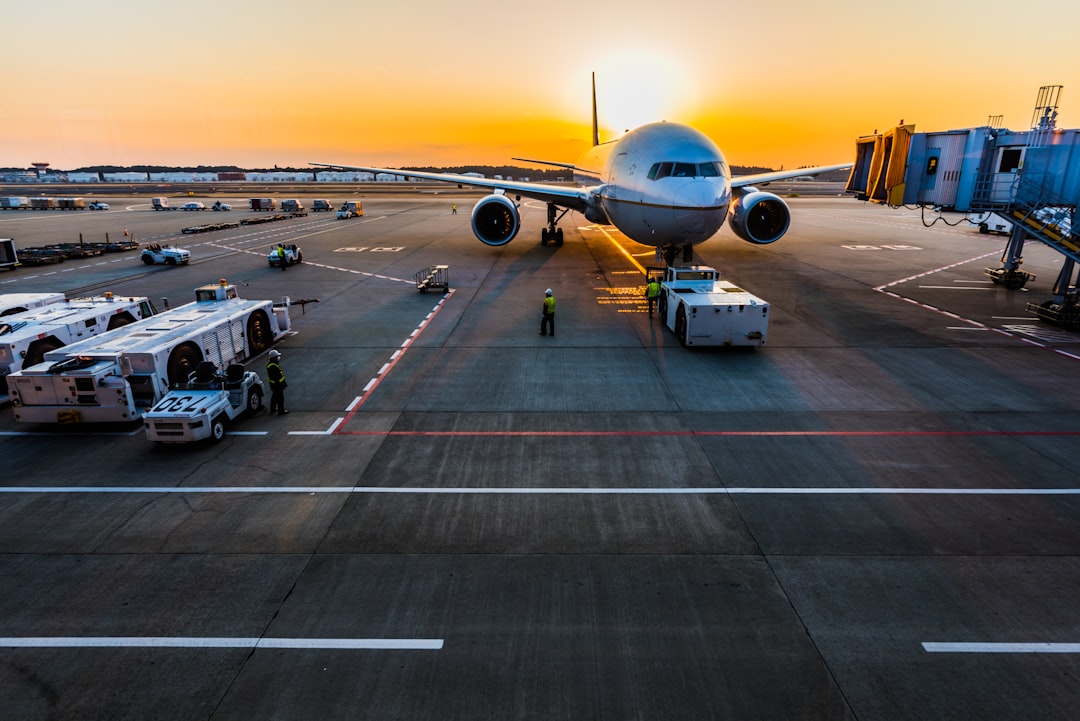
Let’s pause for a moment and look at what this acquisition actually does to the Lufthansa Group’s network, because it’s much more than just a logo change on a fleet of planes. By late 2026, we’re going to see a major shift away from the semi-independent way these airlines used to operate toward a much more centralized, unified machine. Think of it as Lufthansa finally pulling all the levers into one cockpit, where standardized training modules mean crews will eventually be interchangeable across the entire group, including those new ITA assets. It’s a smart, if aggressive, way to make sure that whether you’re flying out of Rome or Frankfurt, the experience and the operational backend feel exactly the same. Honestly, it’s about time they stopped letting these airlines act like isolated silos, especially when it comes to the headaches of connecting flights.
The real heavy lifting is happening in the background, where a unified treasury management system is being rolled out to pool cash and balance the books across every single member airline. They’re also folding ITA’s maintenance schedules into the Lufthansa Technik digital twin platform, which is a massive upgrade that allows for real-time, predictive fixes rather than waiting for something to break on the tarmac. By synchronizing ITA’s Rome hub capacity with Lufthansa Cargo’s existing freight algorithms, they’re effectively tightening up the entire supply chain to squeeze out inefficiencies that have been plaguing the industry for years. It’s the kind of invisible, technical plumbing that doesn’t make for flashy headlines, but it’s exactly what keeps a global network from bleeding money.
But the most visible change for travelers will be the migration of ITA’s passenger systems to Lufthansa’s own proprietary platform, which is the key to unlocking those advanced biometric boarding features they’ve been testing. By building a centralized procurement control tower, they’re using the combined weight of the entire fleet to drive down the cost of everything from spare parts to inflight satellite internet. It’s a calculated move to harmonize the digital experience, ensuring that when you’re mid-air, you’re getting a consistent level of service regardless of which flight number is on your boarding pass. I’m curious to see if they can maintain that premium, "flagship" feel while pushing for this level of extreme standardization, but if anyone has the engineering chops to pull it off, it’s definitely this group.
Impact on ITA Airways’ Fleet and Future Branding
When you start digging into what this acquisition actually does to the ITA fleet, it’s clear the focus is on a massive, surgical upgrade rather than just tossing some new paint on the planes. The strategy here is to fast-track the arrival of four widebody aircraft by 2027, which is a big deal because those jets are specifically designed to make long-haul routes finally pay for themselves. We’re talking about next-gen engines that promise a 15% reduction in carbon footprint per seat-mile, which, in our world of soaring fuel costs, is basically the holy grail of operational efficiency. But the real nerd-out moment for me is the cockpit standardization; by aligning the A220 and A320neo family, they can cross-certify pilots, which trims down training overhead in a way that’s incredibly smart.
And here’s where the branding conversation gets interesting, because it’s not just about a logo swap—it’s about signaling that ITA is now part of a much larger, unified machine. By late 2027, we’ll see that classic, nationalistic livery fade out in favor of a cohesive group visual identity that screams operational unity. They’re even moving away from those cramped, high-density economy layouts to prioritize more premium-economy and business-class seats, which tells me they’re really chasing that high-value traveler who’s tired of feeling squeezed. It’s a complete shift in philosophy, moving toward a modular interior design where seat parts and tech are interchangeable across the entire fleet to keep procurement costs from spiraling out of control.
Honestly, the most impressive part is the backend tech that most passengers won't even see, like the shift to a digital twin architecture for maintenance that lets them predict engine issues before they actually happen. They’re also centralizing all fleet procurement, which finally kills off those independent lease deals that were leaving the airline at the mercy of volatile interest rates. You’ll also notice a smoother experience at Rome Fiumicino with a new group-wide biometric boarding system that should make the gate scramble a thing of the past. It’s a lot of moving parts, but by standardizing everything from inflight connectivity to belly-hold cargo algorithms, they’re building a foundation that actually makes sense for the long haul.
How the Acquisition Will Reshape Competition in the European Aviation Market

Let’s pause for a moment to consider what this merger actually does to the competitive landscape of European aviation, because it’s far more than just a simple consolidation of flag carriers. By handing the keys to the Lufthansa Group, we’re witnessing a calculated move to shift the center of gravity in Mediterranean transit toward a modernized Rome Fiumicino hub. It isn't just about grabbing market share; it’s about creating a unified, high-efficiency machine that can finally compete on equal footing with the massive Gulf carriers and the other major European airline groups. You have to realize that by embedding ITA into this broader, data-driven network, Lufthansa is essentially turning a historically struggling national asset into a lean, integrated piece of a much larger, more profitable puzzle.
But here’s the catch—or the reality of the situation, rather. To get this deal through, regulators didn't just hand them a blank check; they imposed a rigorous, multi-year oversight framework that keeps the group on a very short leash. We’re talking about mandatory slot divestitures at Milan Linate and a strict requirement to maintain service on those thin, socially vital domestic routes that otherwise might have been on the chopping block. The fact that an independent trustee is watching over their pricing and slot management until 2029 tells me that the European Commission is genuinely worried about the potential for a monopoly. It’s a delicate balancing act where the group gains immense operational scale, but only by agreeing to essentially subsidize competition in the very regions they’re trying to dominate.
Ultimately, this is going to change how you and I experience travel across the continent in ways that won't always be obvious from the gate. We’ll see a move toward standardized cabin interiors and shared maintenance tech that should, in theory, make flying more consistent and reliable, even if it feels like we’re losing some of that unique local flair. The real test will be whether they can actually maintain that premium, "flagship" service level while pushing for the kind of extreme cost-cutting and standardization that a centralized treasury management system demands. It’s a massive gamble on efficiency, and honestly, I think we’ll know by 2027 if they’ve managed to pull off this transformation or if the bureaucratic weight of such a complex merger ends up slowing them down.
Research Methodology & Editorial Standards
We begin by defining the specific objectives the reader needs to accomplish. Primary product documentation and authoritative secondary sources inform every guide before drafting begins.
Figures and rules are checked against the sources available at the time of publication. Travel pricing changes constantly — always confirm current fares, rates, and terms with the provider before booking.