
How to Save Money on National Park Entrance Fees as a Senior
When you start looking into the America the Beautiful Senior Pass, the biggest question is whether the lifetime option actually makes more sense than the annual version.

Understanding the Lifetime vs. Annual America the Beautiful Senior Pass
When you start looking into the America the Beautiful Senior Pass, the biggest question is whether the lifetime option actually makes more sense than the annual version. It’s easy to assume that a one-time purchase is always the better deal, but you really need to look at your travel frequency to see if the math holds up. The lifetime pass is tied strictly to you as an individual, so don't think you can pass it around to friends or family like a library card. It’s nontransferable, and you’ll need to show a valid photo ID every time you use it. If you’re the type of person who tends to lose things, keep in mind that the National Park Service won't replace a lost lifetime pass, meaning you’d be on the hook for the full cost all over again.
The annual pass, meanwhile, offers a lower barrier to entry if you aren't sure how often you'll hit the trails over the next few years. It’s a lower upfront commitment, but like the lifetime version, it’s non-refundable and won't be replaced if you misplace it. Both options cover your entrance fees and those of anyone with you in a non-commercial vehicle, which is a massive win for road trips. If you’re visiting a place that charges per person, the pass gets you and three other adults in for free. Just remember that kids under 16 are always admitted for free anyway, so you don't need to worry about them when you're calculating your total party size.
It’s also important to be clear about what these passes actually cover because they aren't a blank check for every expense you’ll face. They handle your entry, but you’re still going to pay for things like camping, boat launches, or guided tours. That said, having the senior pass does snag you a 50 percent discount on many of those expanded amenity fees, which can really add up if you’re a regular camper. I’d suggest checking the specific site’s fee schedule before you pull into the gate, as some state-run parks or non-federal areas don't honor the pass at all.
You’ll need to be a U.S. citizen or permanent resident aged 62 or older to snag either version, and you should have your documentation ready to prove it. If you’re buying online through the official USGS store, just know there’s a processing fee attached that you won't pay if you stop by a federal recreation site in person to pick one up. As we move further into 2026, the system is becoming more digitized, but the rules remain pretty rigid regarding eligibility and usage. At the end of the day, if you’re planning on visiting more than a couple of parks a year, the lifetime pass usually pays for itself pretty quickly, but look at your own travel habits before making the final call.
Eligibility Criteria: Age and Residency Requirements for Senior Discounts
When we start talking about senior discounts, it’s easy to assume your age alone is the golden ticket, but the reality is often a bit more tangled. You might have noticed that eligibility frequently shifts depending on whether you’re looking at a federal program or a hyper-local city initiative. For instance, while national park passes lean heavily on a straightforward age-and-citizenship requirement, local property tax exemptions or utility discounts often demand proof of a permanent homestead. That distinction matters because a simple mailing address usually isn't enough to satisfy the requirements for municipal perks. Think of it as a spectrum: some systems are entirely automated through Social Security records, while others force you to prove you’ve spent at least 183 days within a specific border to qualify as a resident.
It’s also worth noting that residency verification isn't always about a driver's license. Some regional transit systems or educational institutions might ask for utility bills or voter registration to confirm you’ve been a part of the community for a set duration, sometimes even a full calendar year. This creates a scenario where your age might qualify you for a discount in one city, but your lack of a primary, tax-paying address excludes you from the exact same benefit just a few miles away. I’ve seen people get tripped up by these nuances, particularly when they own secondary vacation homes and assume they’re entitled to local senior rates. It pays to be skeptical of broad assumptions when you’re navigating these regional boundaries.
If you’re looking to maximize your savings, you really have to treat each program as its own unique puzzle. Some utility providers might use a sliding scale tied to poverty guidelines rather than a fixed birthday, meaning your income could play as big a role as your age. Other programs, like those at local museums or public recreation centers, might be far more flexible, potentially accepting membership cards from senior centers if you lack government-issued ID. My best advice is to verify exactly what documentation is required before you show up, especially if you’re dealing with hospital districts or city-specific cultural events. It’s rarely as simple as just flashing an ID, but once you map out these criteria, you can stop leaving money on the table.
How to Purchase Your Pass: Online, In-Person, and Mail-In Options
When you’re ready to commit to your pass, the logistics of actually getting it in your hands can feel like a bit of a hurdle, but here is what I’ve gathered to make it painless. If you’re the type who likes to plan ahead from your couch, the official USGS online store is your primary digital hub, though you should expect a processing window that can stretch across several weeks for physical delivery. Keep in mind that this convenience comes with a catch: it’s the only method that tacks on a ten-dollar document processing fee, and you’ll need to upload a digital copy of your government-issued ID to verify your age and residency before you can finish checking out.
If you’d rather skip the extra fees and the waiting game, heading to a federal recreation site in person is honestly the smartest play. You walk away with the physical card the moment the transaction wraps up, and because you’re dealing with a ranger directly, you completely bypass those pesky administrative charges. Plus, if you’re at a staffed entrance station, you get the added benefit of chatting with a ranger about current park conditions or road closures that you definitely won't get from an automated website. Some popular sites have even rolled out automated kiosks to help you sidestep the long lines at visitor centers during the busy season.
Now, if you prefer the old-school approach, you can go the mail-in route by printing a form from the National Park Service website and sending it off with a check or money order. I’d be careful with this one, though, because it is undeniably the slowest option and relies entirely on standard postal transit times. Since there isn't any tracking provided for these shipments, I’d suggest mailing your request at least six weeks before your first trip just to be safe. It feels a bit like a gamble compared to the instant gratification of an in-person purchase, but it works if you aren't in a rush and prefer keeping things offline.
Regardless of which path you choose, just remember that the pass you receive is a formal, non-transferable document that requires you to carry a secondary photo ID whenever you head into a park. Park rangers are authorized to perform spot checks, so you really do need to make sure the name on your card matches your ID exactly. Don’t be tempted by third-party travel sites offering these passes either; only the official government store is authorized to handle these transactions, and it’s the only way to ensure your financial data stays secure. If you’re buying one as a gift, make sure you use the recipient’s exact details, because once that card is issued, it’s tied strictly to them and there’s no turning back.
Beyond Admission: Saving on Camping, Tours, and Transportation Fees
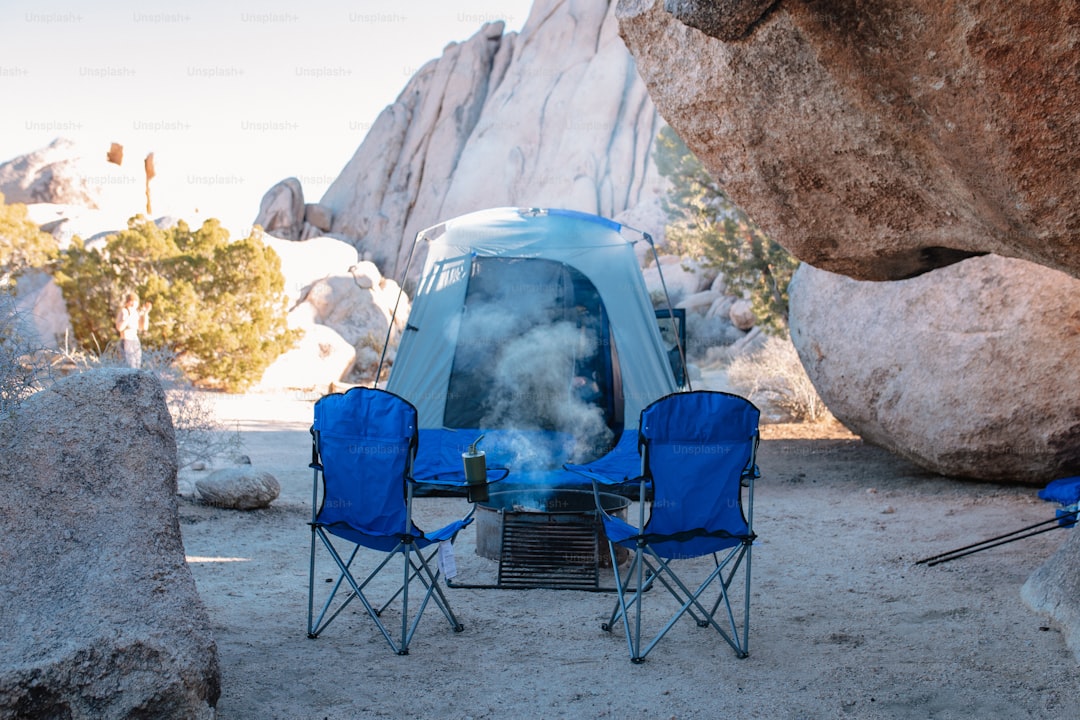
When we talk about saving beyond just the gate, we really need to get into the weeds of how these fees are actually structured, because it’s rarely as straightforward as a blanket discount. While the senior pass is a fantastic tool for cutting your costs in half on many expanded amenity fees, I’ve found that the biggest mistake folks make is assuming that discount is universal across every service within a park. For instance, if you’re looking at a campground with full hookups, remember that your senior status typically only applies to the base fee, meaning you’re still on the hook for the full utility surcharge. It’s also worth noting that if a park has handed over management to a private vendor, those facilities are legally allowed to opt out of the 50 percent discount entirely, so don't be surprised if your bill looks a bit different than expected at those locations.
I’d also encourage you to look closely at how you’re getting around and who is leading your experiences. While internal park shuttle systems are often covered by your base entrance fee, some high-traffic destinations are increasingly adding separate transit surcharges that sit outside the scope of your pass, catching many travelers off guard. Similarly, if you’re booking a tour, you’ll want to clarify if it’s led by a park ranger—where your discount usually applies—or a third-party commercial operator, as those private companies almost never honor the federal senior rate. It’s a bit of a puzzle, but checking the specific fee schedule before you commit can save you from a nasty surprise when it’s time to pay the bill.
Finally, keep in mind that some costs, like lottery fees for high-demand backcountry camping or special use permits for large group events, remain completely off-limits to senior discounts regardless of your status. You should also keep an eye on the calendar for those specific fee-free dates the National Park Service designates annually; they’re a great way to handle entry if you’re traveling with friends who don’t have their own passes. Just remember that these dates are for entrance only and don't change the underlying costs for camping or tours. I always find it helpful to think of the pass as a base-layer strategy, but staying nimble and checking the fine print for each individual site is honestly the only way to ensure you're not leaving money on the table.
Taking Advantage of Annual National Park Fee-Free Days
Honestly, everyone loves a freebie, but when it comes to national parks, "free" often carries a hidden cost of time and patience that we really need to talk about. Let’s look at how the 2026 landscape is shifting, because the National Park Service has been modernizing the calendar to better align with regional demand and historical anniversaries. While Presidents Day traditionally kicks things off, the big news for this year is the Forest Service adding June 6th as an extra fee-free day. I think this is a huge win if you’re traveling with a group of friends who don't have their own senior passes yet, effectively saving the party anywhere from $20 to $35 at the gate. But don't just show up and expect a breeze; these dates are often the most congested days of the entire year.
Here is what I’ve observed: high traffic density on fee-free days creates a unique set of logistical hurdles that can ruin a trip if you aren't prepared. If you’re heading to a heavy hitter like Glacier, the parking lots frequently reach capacity before most people even finish their first cup of coffee. Arriving before 8:00 AM isn't just a "pro tip" anymore; it’s a hard requirement if you want to beat the ranger-initiated turn-away procedures. I view these days more as a "test run" for a park rather than a time for a quiet wilderness experience. You’re essentially trading your entry fee for a crowded, high-energy atmosphere, which might not be the vibe you’re after if you value solitude.
It’s also a common mistake to assume that "fee-free" means the rules don't apply, but that couldn't be further from the truth. Even when the gate is wide open, those competitive timed-entry permits and backcountry reservation requirements stay fully in effect. And let’s be real—some parks, like the Great Smoky Mountains, are actually free to enter every day of the year, so fighting a holiday crowd there for a "deal" doesn't make much sense. I’d suggest checking the specific park’s alert page for unlisted, local fee-free milestones that aren't on the national calendar. These park-specific dates are often the real "hidden gems" because they aren't publicized as heavily, leading to much more manageable crowds.
We also have to consider that third-party managed concessions within the park boundaries—like certain shuttle services or guided tours—won't necessarily waive their fees just because the federal government did. You’re still on the hook for those expanded amenity costs, so don't leave your wallet at home. If you already have your lifetime senior pass, these days might actually be the worst time for you to visit because you aren't gaining any financial benefit while dealing with triple the usual foot traffic. But for a senior hosting a multi-car family caravan, the savings can really add up across a single weekend. Just keep in mind that the calendar is fluid, and being flexible with your timing is the only way to ensure you're not stuck in a two-hour line at the entrance station. It’s a bit of a gamble, but if you time it right, it’s a solid way to stretch your travel budget.
Essential Documentation and Identification Required for Senior Visitors
Getting your documentation sorted before you hit the road is one of those small, administrative hurdles that can really make or break your park experience. I think it’s easy to assume your standard driver’s license is enough for everything, but when we’re talking about federal programs, the National Park Service is pretty rigid about what they accept. You’ll want to remember that even as we get more digital, those mobile driver’s licenses just aren't cutting it yet, so you absolutely need to have the physical, government-issued card in your wallet. If you’re a naturalized citizen, make sure you’re carrying your original Certificate of Naturalization or a valid U.S. passport, as those are the heavy hitters that definitively prove your status to the rangers.
I’ve seen plenty of folks get turned away because their ID was expired, so double-check those dates before you leave the driveway. And if you’ve had a name change—maybe from marriage or legal proceedings—take a second to ensure your photo ID matches the name on your pass, otherwise, you might run into some awkward questions at the gate. If you’re looking to travel a bit lighter, a passport card is a fantastic, portable alternative to hauling around your full-sized passport book, and it’s perfectly acceptable for identity verification. Just keep in mind that those secondary documents you use for local senior discounts, like utility bills or voter registration cards, won't work here; the rangers are specifically looking for proof of age and citizenship, not community residency.
It’s also worth noting that if you’re a permanent resident, you need to have your actual Green Card handy, because a standard work permit or visa simply doesn't clear the bar for the senior program. I always tell friends to keep their pass and a matching photo ID in a dedicated, clear sleeve in the glove box, which can honestly shave a minute or two off your wait time at a busy entrance station. Rangers are trained to spot those security holograms and watermarks, so please don't bother with photocopies, as they’ll be rejected every single time. It might feel like a bit of a hassle to manage these documents, but once you’ve got the right set in your bag, you’re set to cruise through the gates without a second thought.
Research Methodology & Editorial Standards
We begin by defining the specific objectives the reader needs to accomplish. Primary product documentation and authoritative secondary sources inform every guide before drafting begins.
Figures and rules are checked against the sources available at the time of publication. Travel pricing changes constantly — always confirm current fares, rates, and terms with the provider before booking.