
How to Protect Yourself from Jellyfish Stings During Your Next Beach Vacation
We’ve all been there—you’ve finally cleared your schedule for a beach getaway, you’re picturing the perfect day, and then you see the warning signs or, worse, hear the stories of someone who didn't check the local advisories.
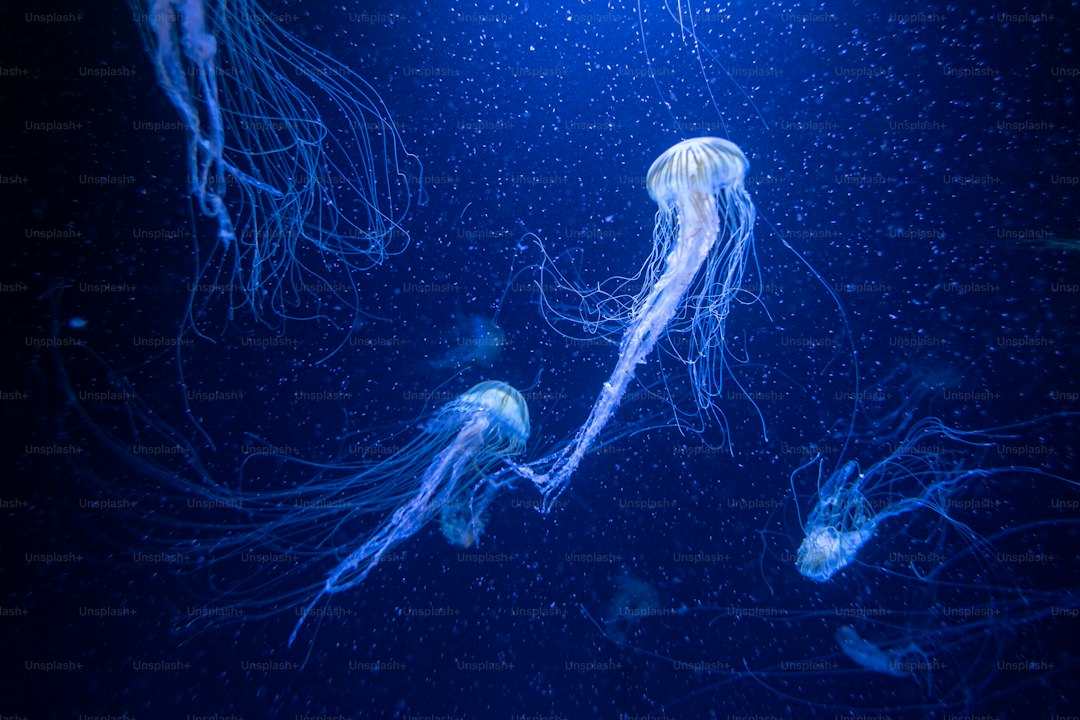
Know Before You Go: Understanding Jellyfish Seasons and High-Risk Beaches
We’ve all been there—you’ve finally cleared your schedule for a beach getaway, you’re picturing the perfect day, and then you see the warning signs or, worse, hear the stories of someone who didn't check the local advisories. It’s easy to assume the ocean is just a big, uniform playground, but the reality is that marine life, especially jellyfish, moves in patterns that are often far more predictable than we give them credit for. I’ve spent a lot of time looking into this, and honestly, the difference between a relaxing swim and a painful, expensive emergency room visit usually comes down to knowing a few local data points before you step onto the sand. For instance, in places like Hawaii, they actually maintain a science-backed jellyfish calendar, and trust me, ignoring those dates doesn't just put your skin at risk—it can lead to hefty fines that definitely ruin the vacation budget.
But it’s not just about calendars; we have to look at the geography too. High-risk zones often feature specific layouts like breakwaters or enclosed bays, which act as natural traps that concentrate jellyfish in areas where you’re most likely to be swimming. You might think the water looks crystal clear, but if the local currents are moving the wrong way, you’re basically walking into a swarm that’s been pushed against the shore. I’ve noticed that even neighboring beaches can have completely different risk profiles because of these tiny shifts in hydrographic conditions. It’s why relying on a general regional forecast often fails you—you need to look at the specific beach you’re heading to, especially if you’re visiting spots like the Gulf Coast in early spring when the Portuguese man o' war start their migration as the water warms up.
The most reliable strategy I’ve found isn't some fancy app or long-term climate model; it’s actually the people on the front lines. Lifeguards are tracking these daily, almost hourly, shifts in marine presence in real-time, and their reports are consistently the best indicator of whether it’s safe to dive in or keep your feet on the dry sand. We often see these massive, sudden blooms—like the recent, startling event in the Philippines where dinner-plate-sized jellyfish appeared out of nowhere—triggered by rapid spikes in temperature or nutrients. Because these creatures are essentially drifting with the wind and current rather than swimming with intent, they can arrive in droves overnight. So, before you head out, skip the generic travel advice and make a habit of checking local lifeguard logs or regional hazard boards; a five-minute check can honestly save you a world of pain.
Smart Prevention: Clothing and Gear to Keep You Protected in the Water
When we talk about staying safe in the water, most of us focus on the obvious dangers like currents or undertows, but shielding your skin from jellyfish is just as much about the right gear as it is about situational awareness. I’ve found that the best defense really comes down to a simple mechanical barrier, and that’s where high-density nylon or polyester stinger suits become a game-changer. These suits work because their tight weave physically blocks the jellyfish's microscopic nematocysts from ever making contact with your skin, which is the only way to trigger their stinging mechanism. It’s not just about wearing something; it’s about choosing materials that don't give those tentacles a place to latch onto.
If you’re looking at your options, prioritize full-body lycra skins that feature flatlock stitching, because those seams are engineered to stay flush against your body, preventing any gaps where fragments might sneak in. I always recommend avoiding anything loose-fitting, as the movement of baggy fabric in the water can actually create a suction effect that draws jellyfish larvae or broken tentacles right toward you. While you might be tempted to rely on a thick neoprene wetsuit, those are often overkill for tropical waters and honestly just too bulky for comfort. Stinger suits are designed to be lightweight, breathable, and quick-drying, so you aren't fighting your gear while trying to enjoy the ocean.
Don't forget the extremities, either, as I’ve seen too many people focus on their torso while leaving their hands and feet completely exposed to drifting cnidarian cells. A solid pair of synthetic gloves and booties can make the difference between a great afternoon and a painful sting. Also, remember that your gear needs maintenance just like anything else; you should be rinsing your suit in fresh water immediately after leaving the beach to clear away any invisible, dormant stinging cells that might be clinging to the fibers. If you’re a frequent traveler, look for chlorine-resistant fabrics, as the chemicals in hotel pools will eventually break down the integrity of the weave, leaving your protective barrier compromised.
Scanning the Surf: Visual Cues to Spot Jellyfish Before You Take a Dip
When you’re standing at the water’s edge, it’s easy to just look for the obvious, but there’s a real art to scanning the surf for jellyfish before you commit to a swim. I’ve found that your best bet is to use the morning light to your advantage; if you position yourself so your back is to the sun, the angle makes those otherwise translucent creatures light up against the darker water like high-contrast targets. You’re also going to want a pair of polarized sunglasses, as they cut through the surface glare that usually hides exactly what you’re trying to avoid. Keep a close watch for a strange, subtle shimmer on the water, which often signals the refraction of a gelatinous bell disrupting the sky’s reflection. If you notice localized surface ripples that don't match the current or the wind, that’s usually a telltale sign of a jellyfish pulsing just beneath the surface.
Think about the environment too, because these guys rarely hang out in total isolation. If you see a cluster of small fish fry gathered in one spot, they might actually be hiding under the bell of a larger jellyfish for safety, which is a massive red flag. Keep an eye on seabirds as well; if they’re repeatedly diving into an area without any obvious signs of baitfish, they could be picking at tentacles or organisms attached to a drift. You should also scan the sandy bottom in shallow areas for any oval-shaped shadows that seem to be drifting against the natural motion of the waves. It’s also worth checking the shoreline foam, as the same currents that push sea foam onto the sand are prime delivery systems for broken tentacles or dislodged pieces that can still deliver a nasty surprise.
Finally, trust your gut if the water looks a bit off. Sometimes you’ll see an oily or viscous sheen in a specific patch of water, which can indicate a high concentration of microscopic stinger cells hanging in the water column even if you can’t spot a full-sized jelly. If you’re looking for moon jellyfish specifically, keep your eyes peeled for a faint, four-leaf clover pattern that looks like a white or purple silhouette against the sand. Box jellyfish are trickier, but they often give themselves away with a slight, bluish-tinted glint that refracts light differently than the surrounding salt water. It sounds like a lot to track, but once you start actively looking for these cues, it becomes second nature and gives you way more confidence before you head out for a dip.
Immediate Action: The Correct Steps to Take If You Get Stung
If you find yourself with that sudden, sharp burning sensation, the first thing you need to do is breathe and resist the urge to panic. Let’s be clear: your immediate goal is to stop the venom from spreading, which means you have to avoid the common mistake of rinsing with fresh water. Fresh water creates a shift in osmotic pressure that essentially tricks the remaining stinging cells into firing more toxins directly into your skin. Instead, you need to reach for vinegar and rinse the area for at least thirty seconds; this is the gold standard for neutralizing those dormant nematocysts before they can cause further damage.
Once you’ve stabilized the area, grab a pair of tweezers or even the edge of a credit card to carefully lift away any visible tentacles. Whatever you do, keep your bare hands off the site, because you don’t want to end up with secondary stings on your fingers. It’s also tempting to scrub the area with a towel or sand, but I strongly advise against that because the physical pressure will only drive more venom into your bloodstream. Forget the old folk tales about using urine or alcohol, too, as these can actually trigger any remaining capsules to release their load, making a bad situation significantly worse.
After you've cleared the debris, the best way to manage the lingering pain is to submerge the affected area in hot water—ideally between 104 and 113 degrees Fahrenheit—for at least twenty minutes. I’ve found this works wonders because the heat effectively breaks down the proteins in the venom, which helps ease that intense, throbbing ache. While it might seem intuitive to grab an ice pack, please avoid cold entirely during these first few moments, as it can be just as counterproductive as fresh water.
Keep a close eye on how you're feeling, though, because your body’s reaction is what matters most. If you start to notice any swelling in your lips or tongue, or if your chest feels tight and you’re struggling to breathe, you need to head straight to the emergency room, as these are classic signs of a serious allergic reaction. And if you suspect it was a box jellyfish, don’t wait for the symptoms to escalate—get to a hospital immediately. It’s worth remembering that these creatures can still pack a punch even if they look dried out on the sand, so stay alert even after you've left the water.
Debunking Myths: Why Urine and Other Common Remedies Do More Harm Than Good
We’ve all heard the old campfire tales about peeing on a jellyfish sting, but I really need you to hear me on this: please, just don’t. It’s one of those bits of advice that sounds like it might be grounded in some kind of backwoods wisdom, but from a purely biological standpoint, it’s completely counterproductive. Urine isn’t just non-sterile, as many people wrongly assume; its chemical composition and varying pH levels can actually act as a trigger, signaling those thousands of dormant, microscopic stinging cells—known as nematocysts—to fire off even more venom into your skin. You’re essentially turning a bad situation into a much worse one by introducing a substance that stimulates the very mechanism you’re trying to neutralize.
The same logic applies to other common household "cures" that people swear by, like dousing a sting in alcohol or scrubbing it with sand or a towel. Alcohol is a massive mistake because it can cause an immediate, massive discharge of any remaining stinging capsules, effectively injecting you with a second dose of toxins. When you rub the area with sand or a towel, you’re applying mechanical pressure that physically forces those tiny, hidden barbs deeper into your tissue. Honestly, it’s heartbreaking to see people try these things, thinking they’re helping, when they’re really just inviting a secondary infection or making the initial pain significantly more intense. Even rinsing with fresh water is a trap; the rapid osmotic shift caused by the water hitting the sting site can cause the capsules to burst and dump their entire load of venom right into your system.
If you’re wondering why these myths persist, it’s mostly because we want a quick fix when we’re in pain, but the reality is that home remedies like meat tenderizer or baking soda pastes lack any real scientific backing and can easily cause chemical burns on skin that’s already compromised. Each jellyfish species has a unique venom profile, and trying to guess the right chemical neutralizer with kitchen supplies is a gamble you’re almost certain to lose. The science is pretty clear: most of these folk remedies are mechanically or chemically stimulating, which is the exact opposite of what you want. Instead of looking for a magic bullet in your beach bag, your best move is always to physically remove the visible tentacles with tweezers, stay away from any pressure, and stick to evidence-based protocols like heat application to denature those proteins. It’s a bit less dramatic than the old wives' tales, but it actually works, and that’s what really matters when you’re dealing with the sting.
When to Seek Medical Attention: Recognizing Severe Allergic Reactions
Look, I’ve seen enough people shrug off a sting because the pain seemed manageable, but we really need to talk about the line between a bad day at the beach and a genuine medical emergency. While most stings just hurt like crazy, you have to stay sharp for signs that your body is moving past a local reaction and into something systemic. If you notice symptoms hitting areas far from the actual sting, like nausea, vomiting, or hives popping up all over your body, that’s your signal to stop waiting and start getting help. A rapid heart rate or a sudden, dizzying drop in blood pressure are classic red flags that your cardiovascular system is struggling, and honestly, that’s not something you can just walk off.
If you start wheezing or feel that terrifying tightness in your throat, that’s the moment you need to be in an ambulance, as airway involvement can escalate from uncomfortable to life-threatening in literal minutes. I always tell people to watch out for facial swelling, especially around the eyes, because that can be a precursor to your airway closing up, which is exactly why we never mess around with potential anaphylaxis. And here’s a reality check that most people miss: some reactions are biphasic, meaning you might feel like you’re in the clear after the first hour, only for the symptoms to come roaring back later on. That’s why medical observation isn't just an extra precaution—it’s a necessary safety net.
Let’s be crystal clear about the high-stakes scenarios: if someone loses consciousness or just feels that overwhelming sense of impending doom, you call emergency services immediately without asking questions. Even if the sting site itself doesn't look like much, the venom from specific species like the box jellyfish can actually disrupt your heart’s rhythm, which is a totally different beast than an allergy but just as dangerous. If you’ve got a history of severe reactions, make sure your epinephrine is accessible, but don't assume that’s your only line of defense if things go south. Ultimately, if you’re feeling profoundly weak or can’t stand up, don't wait for a doctor to tell you it’s bad; your body is already telling you it needs help, so trust that instinct and get to the hospital.
Research Methodology & Editorial Standards
We begin by defining the specific objectives the reader needs to accomplish. Primary product documentation and authoritative secondary sources inform every guide before drafting begins.
Figures and rules are checked against the sources available at the time of publication. Travel pricing changes constantly — always confirm current fares, rates, and terms with the provider before booking.