
How to Protect Yourself From Norovirus Outbreaks During Your Next Cruise
But if you’re looking to stay healthy on your next trip, we need to be honest about what that clear gel is actually doing—and more importantly, what it isn’t.
Why Hand Sanitizer Isn’t Enough: The Importance of Proper Handwashing
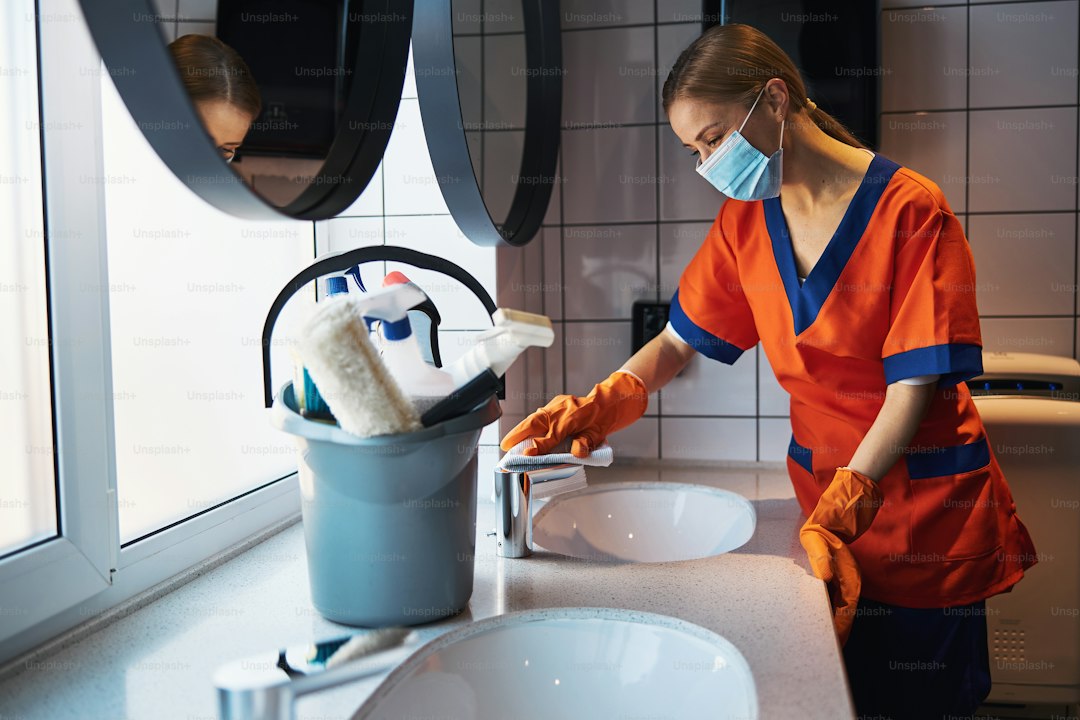
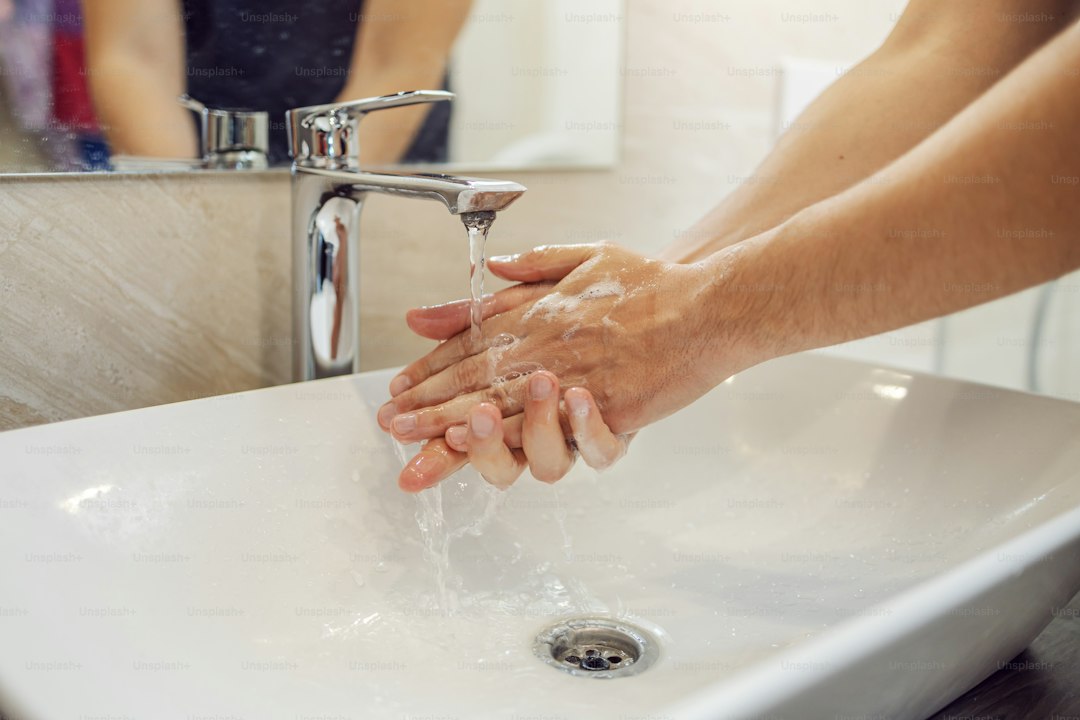
Look, we’ve all been there, standing in a buffet line or waiting for the elevator and just reaching for the nearest pump of hand sanitizer because it feels like enough. But if you’re looking to stay healthy on your next trip, we need to be honest about what that clear gel is actually doing—and more importantly, what it isn’t. Here’s the deal: alcohol-based sanitizers are great for killing some common bacteria, but they aren't a catch-all solution, especially when it comes to resilient threats like norovirus. These viruses lack the lipid envelope that alcohol typically dissolves, meaning they can basically laugh off your sanitizer and stay right there on your skin.
Think about it this way: soap and water act like a physical rescue mission. While sanitizer just sits on the surface, the mechanical action of washing your hands combined with the surfactants in soap actually dislodges viruses from those tiny ridges in your skin. Alcohol often evaporates or gets absorbed before it can do any real work, but washing for at least twenty seconds physically breaks down the structural integrity of those tough viral shells. It’s not just about killing germs; it’s about physically rinsing them down the drain so they aren't hitching a ride to the next surface you touch.
Plus, sanitizer doesn't remove organic matter like food or debris, which can actually shield viruses and keep them active on your fingertips. I’ve seen enough studies to know that relying solely on a pump bottle leaves you exposed to clusters of particles that soap would have simply washed away. It’s also worth noting that regular soap is way kinder to your skin barrier, whereas frequent sanitizer use can dry you out and potentially create micro-cracks that aren't doing your immune system any favors. If you really want to protect yourself in crowded spaces, make the choice to hit the restroom for a proper scrub; it’s a small extra step that makes a massive difference in your odds of staying well.
Understanding How Norovirus Spreads in Enclosed Cruise Environments
Let’s be real for a second: when you step onto a cruise ship, you’re basically entering a self-contained ecosystem that’s practically designed for viruses to thrive. It’s not just about the crowds, but the way these ships are built as closed-loop systems where air and high-touch surfaces are constantly recycled among thousands of people. Think about those massive central atriums or the morning rush at the buffet; you’re looking at dense bottlenecks where human contact is almost unavoidable. Because norovirus is incredibly resilient and doesn't rely on a lipid envelope, it can hang out on elevator buttons or handrails for weeks, waiting for a passenger to come along and pick it up.
The scary reality is that you don't need much exposure to get sick, either. Experts point out that it takes as few as 18 to 1,000 viral particles to trigger an infection, which is a tiny fraction of what’s left behind after a single contaminated touch. Even if a ship does a deep clean, if they aren't using the right chemical disinfectants at the right concentrations, those stubborn particles can easily stick around. Plus, the architectural layout of these vessels—with shared air handling systems and cramped cabin quarters—means that if someone gets sick nearby, the odds of the virus circulating through localized ventilation aren't just theoretical; they’re a genuine logistical hurdle for the cruise line to manage.
And honestly, we have to talk about the timing of these outbreaks. Because cruise ships are constantly hopping between ports and bringing in new passengers, they’re effectively acting as unintentional vectors, pulling in different viral strains from all over the world. Even after someone starts feeling better, they can continue shedding the virus, meaning that asymptomatic people can unknowingly keep the cycle going. It’s a bit of a perfect storm, where the combination of high-density living, rapid turnover of public spaces, and the nature of the virus itself makes staying healthy a bit more complex than just staying away from the buffet.
High-Touch Areas to Avoid: Navigating Buffets, Railings, and Public Spaces
When you’re walking through a ship, it helps to be a bit skeptical of the surfaces you’re grabbing onto. We tend to focus on the obvious spots, but the real trouble often hides in the areas cleaning crews can’t easily reach. Take those stainless steel serving tongs at the buffet or the salt and pepper shakers on the tables; the virus can hang out in those tiny crevices for up to two weeks, waiting for the next passenger. Even the underside of handrails is a major blind spot. Most people clean the top, but your fingers naturally curl underneath, making that neglected area a prime spot for picking up whatever the last person left behind.
Then you have the tech we all interact with, like those interactive ship maps or excursion booking kiosks. These touchscreens are often dirtier than a bathroom flush handle simply because they aren’t wiped down nearly as often. I’d also be wary of casino chips and slot machine interfaces. The plastic they’re made of is basically a sanctuary for the virus, keeping it active for days. Even your own key card is a potential mobile vector since it’s constantly touching your body or resting on various surfaces throughout the day. It sounds paranoid, but these little objects are moving from high-traffic zones right into your pocket or cabin.
Finally, think about the gym or the pool bar where you might not be as careful. The rubberized, textured grips on fitness machines are a nightmare for sanitation because the material is porous enough that liquid disinfectants just don't reach the virus hiding inside. And at the bar, watch out for those lemon or lime garnishes. They’re often handled by multiple staff members after being prepped, and they don't exactly go through a sterilization cycle before landing in your drink. It’s also wild to consider that opening your cabin door can actually pull particles from the hallway carpet into your room because of the pressure change. It’s a lot to track, but being aware of these specific hotspots is half the battle when you’re trying to stay healthy on the water.
Early Warning Signs and What to Do If You Feel Unwell Onboard
Let’s be honest, the excitement of a cruise can make it easy to ignore that first twinge of nausea or a sudden, unexplainable fatigue. We often chalk these things up to too much sun or the inevitable exhaustion of travel, but when you're at sea, those early warning signs can move fast. If you suddenly feel a spike in your body temperature or notice that familiar, unwelcome abdominal cramping, don't just brush it off as a bad meal. Think of these as your body’s immediate signal that it’s mounting a defense against a viral load, and the smartest move is to pause right then and there. Your goal is to break the chain of transmission before you’ve had the chance to walk through a crowded lobby or touch another elevator button.
If you find yourself feeling truly unwell, the best move is to pick up the cabin phone and call the medical center directly rather than physically heading down to the clinic. Walking through hallways while you're symptomatic is basically a recipe for spreading whatever you’ve picked up to fellow passengers and crew. By calling first, you let the medical team initiate their established isolation protocols, which might include them coming to your stateroom for an assessment—a much safer approach for everyone on board. They have access to diagnostic tools that are far more precise than our own guesswork, and providing them with a clear, honest timeline of your movements is the most helpful thing you can do for the ship's contact tracing efforts.
Once you’re safely back in your cabin, prioritize your recovery by being strategic about hydration. It sounds simple, but your body can lose fluids faster than it can replace them, especially if you’re dealing with the rapid onset of intestinal distress. Avoid the common mistake of reaching for sugary sodas or coffee, as those can actually pull more water into your gut and make things feel worse. Instead, stick to small, frequent sips of an oral rehydration solution, which is much better at keeping your levels stable than just chugging plain water. Keep that cabin door closed to avoid drawing in hallway air, and remember that even after you start feeling like yourself again, you’re likely still contagious for at least another two days, so staying tucked away is really the only responsible play.
How Cruise Lines and the CDC Monitor and Contain Outbreaks
When you start looking into how these floating cities manage the risk of illness, it is honestly a massive, coordinated effort between the lines and the CDC. You might be surprised to learn that it all centers on the Vessel Sanitation Program, which requires ships to report gastrointestinal cases the moment they hit two percent of the total population on board. This threshold isn't just a random number; it’s a trigger for active monitoring that helps officials spot trends before they turn into a ship-wide headache. Think of it like a real-time early warning system that keeps everything from food handling to medical records under the microscope.
Beyond the daily reporting, the CDC performs unannounced, twice-yearly inspections that score ships on a 100-point scale, meaning operators are under constant pressure to keep standards high or face the embarrassment and cost of mandatory remediation. If an outbreak does flare up, the ship moves immediately into an enhanced response plan that often includes switching from self-serve buffets to plated meals to stop the spread through shared utensils. They also rely on hospital-grade, EPA-registered disinfectants that are specifically designed to kill the tough, resilient pathogens that standard cleaning supplies would just miss. It’s a complete pivot in operations intended to break the chain of transmission as quickly as possible.
And here is something else to consider: modern ships have become pretty sophisticated with their internal systems, too. During a health event, they can actually adjust air handling protocols to pull in more fresh air from the outside rather than constantly recirculating the same air through a deck. If you ever feel like the medical staff is being extra thorough, it’s because they’re using rapid diagnostic testing to distinguish between simple food issues and highly contagious viruses, which dictates how aggressively they need to contain the situation. By the time a ship hits your next port, the crew has already provided a detailed status report to local authorities, ensuring that public health data follows the boat wherever it docks. It’s a layer of surveillance that most of us never see, but it’s the primary reason these vessels can navigate such complex health environments while keeping the voyage going.
Pre-Trip Precautions: Strengthening Your Immune System Before You Sail
We’ve all been there, frantically packing our bags while trying to wrap up work before a vacation, but I’ve learned the hard way that the real work—the prep that actually keeps you well—should start weeks before you ever reach the terminal. Think of your body like a ship that needs to be seaworthy before it hits open water; if you wait until you’re boarding to start thinking about your health, you're already behind. I’ve found that prioritizing consistent sleep for at least two weeks before departure is a game changer, as it significantly boosts cytokine production, which are essentially the proteins your immune system relies on to mount a defense against viral threats. It’s not just about getting enough hours, though; keeping a steady circadian rhythm in those days leading up to sailing helps regulate your cortisol levels, preventing the stress of travel prep from actually suppressing your immune response.
I also like to start tweaking my diet a few weeks out, focusing on zinc-rich foods like pumpkin seeds or lentils to help fire up my T-cells, which are the ones responsible for hunting down pathogens like norovirus. It’s also worth noting that hydration isn't just a cruise-day tactic; starting a rigorous water intake plan about ten days before you leave keeps your mucous membranes—your first line of physical defense—moist and ready to block viral entry. I’ve started adding fermented foods like sauerkraut into my rotation as well, since diversifying your gut microbiome is a massive deal considering about 70 percent of your immune cells live right there. And don't overlook Vitamin D; getting those levels optimized through a bit of sunshine or a supplement at least three weeks out is fundamental for keeping your macrophages, the cells that essentially eat pathogens, fully functional and ready to work.
If you really want to lock in an advantage, try cutting back on refined sugars in that final week before you sail. We tend to celebrate with treats before a trip, but those sugar spikes can actually inhibit the activity of your white blood cells, leaving you more vulnerable than you realize. I’m also a big believer in consistent, moderate aerobic exercise in the month leading up to departure, which helps your blood circulate more efficiently so your immune cells can zip around your body to sniff out trouble much faster. Limiting alcohol right before you board is another one of those boring but necessary steps, because even a little bit can mess with the dendritic cells that act as the early-warning system for your immune response. It might feel like a lot of extra effort in an already busy schedule, but building this metabolic and physiological baseline means you’re walking onto that ship with a much stronger shield than if you’d just winged it.
Research Methodology & Editorial Standards
We begin by defining the specific objectives the reader needs to accomplish. Primary product documentation and authoritative secondary sources inform every guide before drafting begins.
Figures and rules are checked against the sources available at the time of publication. Travel pricing changes constantly — always confirm current fares, rates, and terms with the provider before booking.