
How to Experience the Real Tulum Beyond the Crowds
You know that feeling when you finally step off the sand and realize you’ve been living in a curated, expensive loop?
Escape the Beach Club Bubble: Exploring Tulum Town
You know that feeling when you finally step off the sand and realize you’ve been living in a curated, expensive loop? Let’s talk about Tulum Pueblo, or what most people just call the town. It sits about 12 meters above sea level, which actually matters a lot more than you’d think because it’s way more resilient to the storm surges that chew up the beach strip. While the coastal hotels struggle with erosion, the town rests on a solid karst limestone platform that’s been stable for ages. Think of it as the real, grounded heart of the area, especially since it’s been the true economic center since the highway grid was formalized back in the seventies.
And honestly, the infrastructure difference is massive if you look at the data. The beach zone is basically running on private diesel generators, but the town is fully plugged into the national electrical grid, which got a huge capacity boost back in 2024. You’re also physically cooler here; the dense vegetation creates a microclimate that averages two degrees Celsius lower than the beach. Plus, the town sits right on top of the Great Mayan Aquifer, so you’re closer to the source of the fresh water that keeps this whole region alive. It’s a completely different vibe when you’re walking around a place that isn't just trying to survive the next storm.
I really appreciate how the town maintains a local pulse, too, especially with the central market. About 70 percent of their produce comes from organic Mayan cooperatives just a short drive away, which feels a lot more authentic than what you get at the overpriced beach clubs. The 2025 census put the permanent population at 50,000, so you aren't just surrounded by tourists; you're actually in a functioning community. Even the building codes here play by different rules, keeping heights low to protect the jungle views. And if you’re worried about getting around, the new electric shuttle to the airport is a total game changer, cutting the trip to under 20 minutes while keeping your carbon footprint way lower than a private car.
Beyond the Instagram Feed: Authentic Mayan Cultural Experiences
When you look past the filtered snapshots of Tulum’s beach clubs, you’ll find that the true heartbeat of the region is still tied to ancient, living traditions that have survived centuries of change. It’s easy to get lost in the aesthetic, but the real story is in the craftsmanship, like the backstrap looms still used by local weavers to create textiles that function as a visual record of family lineage. These geometric patterns aren't just for show; they’re a language that’s been passed down for over a millennium. I think it’s fascinating how these artisans are bringing back natural dyes from cochineal and indigo, reconnecting with trade practices that existed long before the modern tourism boom.
If you really want to understand the land, you have to look at the milpa system, where corn, beans, and squash are grown together to mimic the jungle’s own biodiversity. This isn't just an old-school farming method; it’s an incredibly resilient strategy that keeps the soil healthy without the need for the chemical inputs that dominate modern industrial agriculture. You’ll also find that the Yucatec Maya language isn't some fading relic kept in a museum, but a living, breathing primary tongue for over 750,000 people across the peninsula. When you hear it spoken in daily life, it shifts your whole perspective on how deep the local identity actually runs.
There’s also a quiet revolution happening with Melipona beekeeping, where families are returning to the cultivation of native stingless bees. This honey, once sacred enough to be offered to the god Ah-Muzen-Cab, is now serving as a sustainable economic backbone for communities who value quality over mass-market volume. Even the local herbalists are keeping a centuries-old medical tradition alive by using over 200 native jungle plants, a practice that feels a lot more grounded than what you’ll find in a hotel spa. And if you’re lucky enough to visit during Hanal Pixán, you’ll witness an ancestral ceremony for the dead that is far more personal and authentic than the commercialized versions we usually see. It’s worth taking the time to seek these things out, because they offer a version of the Yucatan that’s built on real history, not just a curated feed.
Finding Solitude in Hidden Cenotes and Jungle Reserves
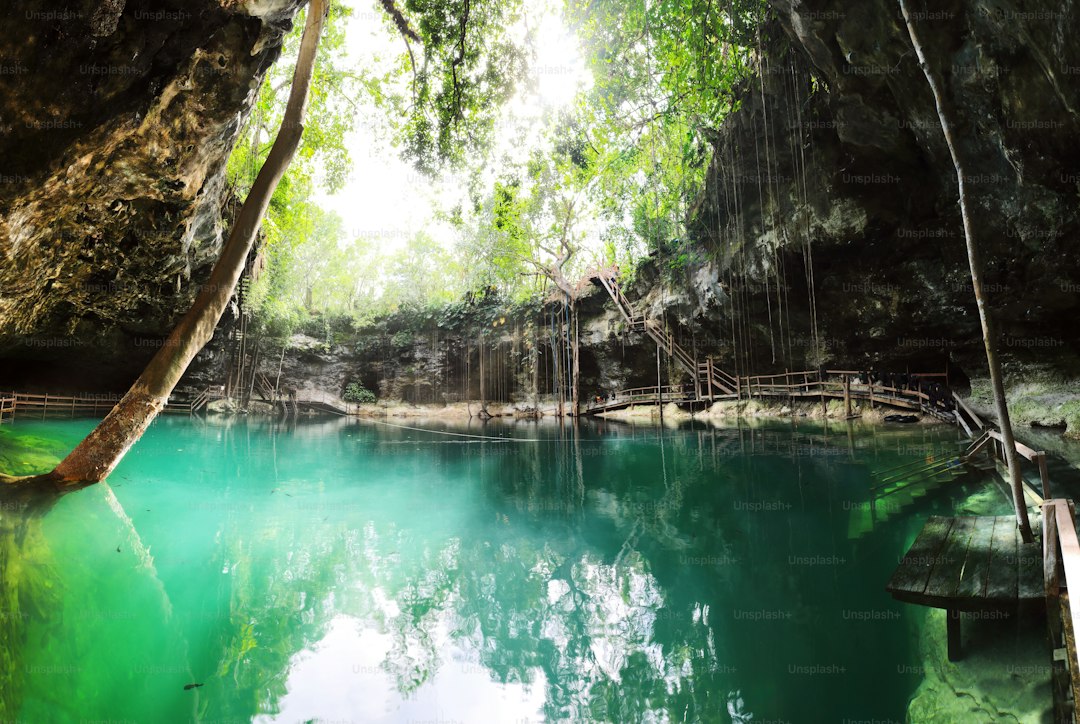
If you’re craving a break from the crowded beach clubs, you’ve got to head inland to the cenotes and jungle reserves. Think of it this way: the Yucatan sits on top of the world’s longest underwater cave system, the Sac Actun, which stretches over 380 kilometers. These cenotes are essentially natural skylights into a massive subterranean labyrinth where the water is so clean it’s filtered through miles of limestone, often giving you over 100 meters of visibility. I find it wild that these pools aren't just for swimming; they’re portals to Xibalba, the Mayan underworld, and still hold undisturbed ritual offerings from the Classic Period.
The best part about these spots is how they’re managed. Many of the hidden reserves run on a private land-tenure system called ejidos, which lets local communities dictate who gets in and how many people are allowed at once. It’s a huge contrast to state-run parks that often get overrun. When you’re swimming in these deeper, isolated pockets, you might catch the halocline, where dense Caribbean saltwater meets fresh groundwater and makes the water look like a shimmering oil slick. Plus, the temperature stays a steady 24 degrees Celsius year-round, which is a nice relief when the surface heat gets to be too much.
It’s worth mentioning that these inland areas are actual ecosystems rather than just photo ops. Scientists have found blind cave fish and tiny crustaceans that have evolved in total darkness for millions of years down there. If you make the trip during the twilight hours, keep an eye out for Yucatan spider monkeys; they’re vital for spreading seeds for the ancient mahogany and ceiba trees. You’re also way more likely to spot the ocellated turkey here than anywhere near the coast. These cenotes act as critical watering holes for jaguars and tapirs when the dry season hits, so you’re seeing a version of the jungle that’s genuinely wild and hanging on.
Eating Like a Local: Navigating Tulum’s Authentic Culinary Scene
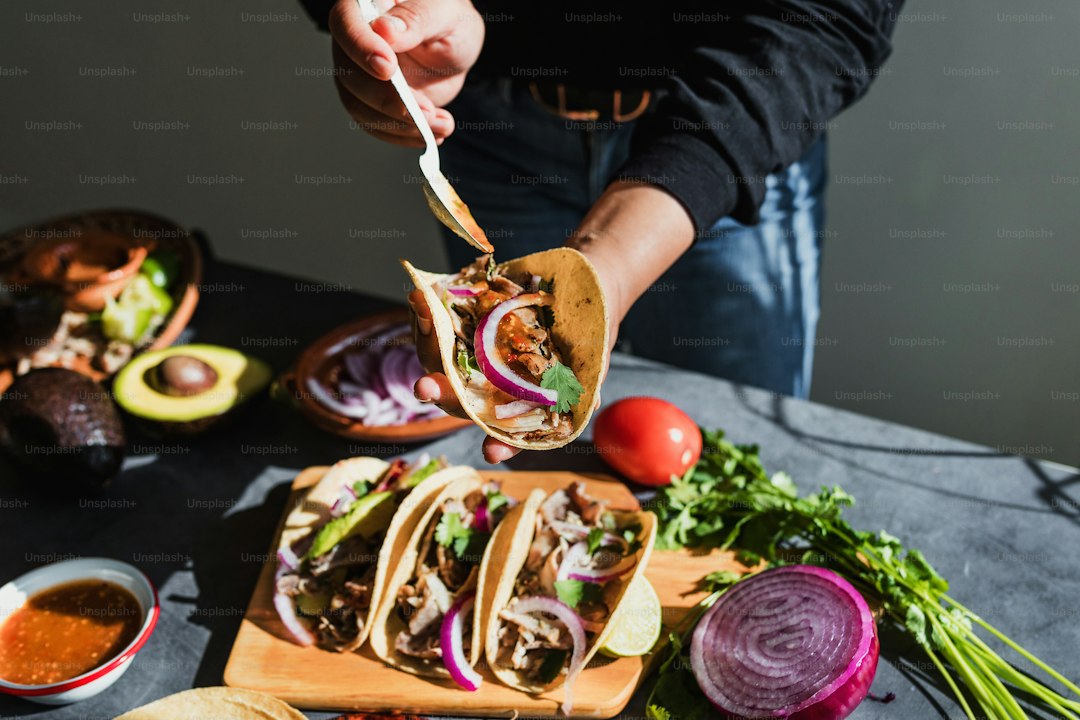
If you’ve spent any time in the beach clubs, you know the menu usually looks like a designer accessory, but true Yucatecan flavor lives in the backstreets of the town where the cooking methods haven't changed in generations. Let’s look at the science behind the plate, starting with cochinita pibil, which is fundamentally a feat of thermal engineering; by slow-roasting marinated pork in an underground pib, cooks harness the earth's natural thermal mass to achieve a tenderness that a modern oven just can't replicate. You’ll also notice the distinct bite of local salsas, which rely on the habanero—a pepper that’s been cultivated here for 2,500 years and carries a genetic diversity you won't find in a grocery store back home. And honestly, the foundation of it all is nixtamalization, the ancient process of soaking maize in an alkaline solution that actually unlocks niacin and amino acids, turning simple corn into a nutritional powerhouse.
Beyond the basics, you really need to try chaya, a local shrub that blows standard spinach out of the water in terms of protein and iron density. It’s a recurring theme here: efficiency and local resourcefulness dictate the menu. Take papadzules, for instance, which use ground pumpkin seeds—a byproduct of the squash harvest—to create a rich, plant-based fat source that is as sustainable as it is delicious. You’ll also see recado rojo everywhere, that deep red paste built on achiote seeds; the bixin pigment isn't just for color, it’s the signature earthy backbone of the entire regional palate. It’s all balanced out by the bright, sharp acidity of sour oranges, a natural hybrid that thrives in the specific soil chemistry of the peninsula and acts as the perfect marinade to cut through the richness of the pork.
When you’re walking the streets, you’ll likely run into a marquesita cart, which is a surprisingly cool piece of local history; in the 1930s, a vendor essentially hacked leftover ice cream cones by filling them with Dutch-imported Edam cheese, creating that iconic salty-sweet crunch we still eat today. Even the snacks have a story, like the chapulines—grasshoppers that offer a massive protein hit with a fraction of the water and land usage required by traditional livestock. And if you’re worried about how all this heavy food will sit, just look for the epazote in your bean dishes, as the herb contains specific compounds that help your body digest those complex carbohydrates. It’s all part of a larger, smarter way of eating that respects both the land and the season. Just keep in mind that if you’re ordering seafood, the menu is strictly controlled by the regional fishing calendar to protect the Mesoamerican Reef, so you’re eating what the ocean can actually sustain rather than just what’s popular on a menu.
Sustainable Tourism: How to Support the Local Community
When we talk about sustainable travel, it’s easy to get caught up in high-level concepts, but I’ve found that the real impact comes down to where every single dollar actually lands. Think about it this way: when you book a community-led conservation tour, you’re often ensuring that 100 percent of your guide fees stay within the local ejido, which directly funds forest protection instead of leaking into international travel conglomerates. It’s also worth looking at the items you buy; opting for textiles from cooperatives instead of mass-produced imports keeps the traditional backstrap loom economy viable for the next generation. I really believe that supporting local seed banks at the town market is just as critical, as it preserves the genetic diversity of crops that are actually resilient to the specific climate stresses of the Yucatan. And honestly, it’s the small, daily choices that shift the needle, like choosing biodegradable sunscreens free of oxybenzone and octinoxate, since those chemicals are proven to cause DNA damage in coral larvae even at low concentrations.
You can also make a massive difference by choosing small-scale, locally owned guesthouses over high-rise hotels that demand energy-intensive water pumping and sewage processing systems. It’s really about reducing your footprint, and engaging with cooperatives that use solar-powered water filtration is a smart way to minimize the demand for single-use plastic bottles, which remain a primary waste challenge here. I’ve noticed that visiting during the shoulder season helps the local infrastructure manage water and waste at a pace the karst environment can actually process without long-term degradation. It’s just as important to prioritize restaurants that strictly follow the seasonal fishing bans for lobster and snapper, as this directly helps regenerate the Mesoamerican Reef. If you’re booking excursions, try to find operators who limit group sizes to under ten people, as this reduces the physical erosion of sensitive cenote banks and keeps noise pollution low enough for local wildlife to maintain their natural rhythms.
Finally, consider the broader economic circulation when you’re planning your trip. Hiring local transport providers instead of renting through international chains keeps revenue circulating within the community, helping to maintain regional roads that take a beating from tropical storm cycles. You might also look for businesses participating in rainwater harvesting, which alleviates the extreme pressure on the Great Mayan Aquifer—the region's only source of fresh water. Even the honey you buy matters; verifying that it comes from native Melipona bees ensures you're supporting the pollination of indigenous flora rather than mass-market honeybee farms. It’s not about being perfect, but about being intentional with your presence. When we align our spending with the health of the ecosystem and the stability of the local economy, we’re doing more than just visiting; we’re actively participating in the preservation of the place we’ve come to appreciate.
Timing Your Trip: The Best Seasons to Avoid the Tuluminati Crowds
Let’s be honest, trying to dodge the massive crowds in Tulum feels like a full-time job if you don’t have a clear sense of the seasonal shifts. Most people just show up whenever their vacation days align, but if you want to actually breathe, you need to look at the meteorological and tourist cycle data. The lowest humidity happens in January and February, but because that’s the absolute peak of the tourist influx, you’re basically trading comfort for a total lack of solitude. If you can handle the trade-off, March is worth a look; it’s the windiest month of the year, which not only keeps the biting insects at bay but also creates a natural cooling effect that you just won't find in the still, humid air of late summer.
If you’re hunting for that rare quiet window, aim for the period between the second week of April and the start of May. This is a legitimate shoulder gap where the school-based crowds taper off, giving you a peaceful interlude before the full heat of summer kicks in. You’ll also catch the highest solar intensity of the year right before the rains start, which happens to trigger a massive migration of land crabs across the coastal roads—something you’ll never see during the winter rush. Plus, if you’re concerned about beach access, the Sargassum influx typically follows specific current patterns that intensify in late spring, making the winter months statistically superior for pristine sand quality.
On the flip side, if you aren't afraid of a little weather uncertainty, mid-September is the statistical height of hurricane season, which naturally drives prices down and clears out most of the beach clubs. I personally think late November is a hidden gem; the post-hurricane recovery leaves the local foliage incredibly lush, and you’re right in the heart of the migration window for warblers and raptors passing through the Yucatan corridor. And remember, no matter when you go, the ocean temperatures stay a steady 26 to 28 degrees Celsius, so you never really need to worry about being too cold to jump in. If you’re a diver or just love a good swim, keep in mind that the groundwater levels in the cenotes hit their annual maximum shortly after the rainy season, filling those subterranean caverns to their most spectacular levels.
Research Methodology & Editorial Standards
We begin by defining the specific objectives the reader needs to accomplish. Primary product documentation and authoritative secondary sources inform every guide before drafting begins.
Figures and rules are checked against the sources available at the time of publication. Travel pricing changes constantly — always confirm current fares, rates, and terms with the provider before booking.