
Why I carry two premium rewards cards for maximum travel value
When we talk about maximizing rewards, most people stick to one card and hope for the best, but that strategy usually leaves a mountain of points on the table.

Diversifying Bonus Categories to Capture Higher Earning Rates
When we talk about maximizing rewards, most people stick to one card and hope for the best, but that strategy usually leaves a mountain of points on the table. You’re essentially settling for a baseline 1x return on everyday spending, while a more surgical approach to merchant category codes could be netting you 5x or more. I’ve found that by mapping out your specific spending habits against high-yield quarter calendars, you can actually outperform a standard flat-rate card by over 40 percent. It’s not just about spending more; it’s about being smarter with which plastic you pull out at the register.
Think about the way premium cards often tuck away hidden sub-categories that trigger massive bonuses on things like digital wallet transactions. You might be buying a coffee or a random retail item, but if your card recognizes that digital tap, it can pivot that purchase into a high-bonus category. I also look closely at small business cards because they frequently offer 5x returns on advertising or telecommunications—categories that most folks assume are strictly for corporate accounts, even though they’re often accessible for independent earners. And don't sleep on the new wave of crypto-backed cards appearing in 2026, as they’re filling gaps in utility and streaming payments that traditional travel cards have ignored for years.
There is a real, measurable edge in diversifying across multiple issuers because they often interpret merchant categories differently. One bank might see your subscription service as a tech purchase, while another tags it as professional services, and you can exploit that discrepancy to your advantage. By layering these cards, you’re not just chasing points; you’re building a safety net that protects you if one issuer decides to gut their rewards program overnight. It feels like a lot of work at first, but once you start tracking those quarterly shifts, the math starts to work heavily in your favor. Honestly, shifting your primary payment method to a mobile wallet can sometimes even override restrictive fine print, turning a standard transaction into a unexpected bonus win.
Balancing Travel Perks with Daily Lifestyle Benefits
I think we’ve all been there, staring at a massive annual fee on a shiny metal card and wondering if the math actually pencils out once the initial travel buzz wears off. When you start digging into the fine print, you realize these cards are rarely just about airport lounges or elite hotel status; they are actually sophisticated financial tools designed to subsidize your entire monthly burn rate. For instance, those premium cards with built-in travel protections often act as a secondary insurance policy, potentially saving you hundreds in standalone premiums if you just remember to charge the taxes on your award flights to the card. It’s about viewing the card not as a travel expense, but as a lifestyle offset.
Let’s look at the real-world utility here, like those often-ignored lifestyle credits for streaming services, fitness memberships, or even home improvement stores that can effectively slice your annual net cost to near zero. When you layer in relationship banking tiers—like the multipliers available through Bank of America—you’re suddenly applying a 25 to 75 percent boost to your everyday spending that a standard travel card simply can't touch. Then there is the matter of hidden value in services like primary rental car coverage, which lets you skip those predatory collision damage waivers at the counter. It’s a game of shifting your mindset from chasing big sign-up bonuses to capturing these smaller, recurring operational wins.
Honestly, the most successful strategy I’ve found involves mapping out these specific, granular perks to match your actual routine, rather than forcing your life to fit the card’s promotional materials. If you’re a frequent traveler, those AI-driven price prediction tools in travel portals, when combined with annual booking credits, can shave roughly 12 percent off your trip costs compared to what you’d pay on a standard aggregator. And don't forget the peace of mind that comes from extended warranty and purchase protection benefits, which often outperform store-specific plans on big-ticket electronics. It’s about being surgical with your choices, ensuring that every swipe is either earning a high-yield return or actively protecting your bottom line.
Mastering the Art of Transferable Points Ecosystems
When you really dig into the mechanics of points, you start to see that transferable currencies aren't just currencies—they are volatile assets that behave more like stocks than airline miles. The core issue is that moving points to a partner is usually a one-way street, and that irreversible act strips away the protections your credit card issuer originally provided. I’ve seen so many people lock themselves into a single program only to watch the redemption value crater when an award chart changes overnight. By keeping a solid reserve of points within the credit card ecosystem itself, you keep your options open, which is exactly how you stay ready to pivot if a flight gets canceled or an alliance changes their rules.
Think about the math behind these transfers: it’s rarely a simple one-to-one conversion. You have to account for dynamic pricing, where the internal value of a point can swing by 30 percent depending on which partner airline you’re booking through. Some savvy travelers have even started using multi-step transfers, moving points through a secondary program that acts as a bridge to reach a high-value airline partner that isn't directly connected to their credit card. It sounds like a headache, but when you find those gaps in inventory allotment, you can often grab seat availability that the primary carrier’s own website claims doesn't exist.
And don’t forget that booking through a travel portal can actually be a smart hedge against that volatility. While everyone loves chasing high-value business class redemptions, there’s a built-in floor value of 1.25x or 1.5x when you use internal portals for boutique hotels or non-chain properties. It’s a great way to use points for travel that would otherwise be impossible to book. I also make a habit of checking if I can use points to cover the taxes and fees on award tickets, as some niche programs offer a much better conversion rate there than if you just paid the cash out of pocket.
Finally, look at the big picture of your portfolio. Major programs tend to shift their award charts every 18 to 24 months, so you really can’t afford to be all-in on just one ecosystem. If you keep your points spread across different programs, you’re essentially building an insurance policy against those unilateral devaluations. I personally look for those real-time API integrations that sync my status across hotel chains, because that extra layer of recognition really adds up over time. It’s not about finding the perfect program, because that doesn't exist; it’s about having enough mobility to move your assets to where they’re worth the most at any given moment.
Leveraging Complementary Travel Credits and Annual Credits
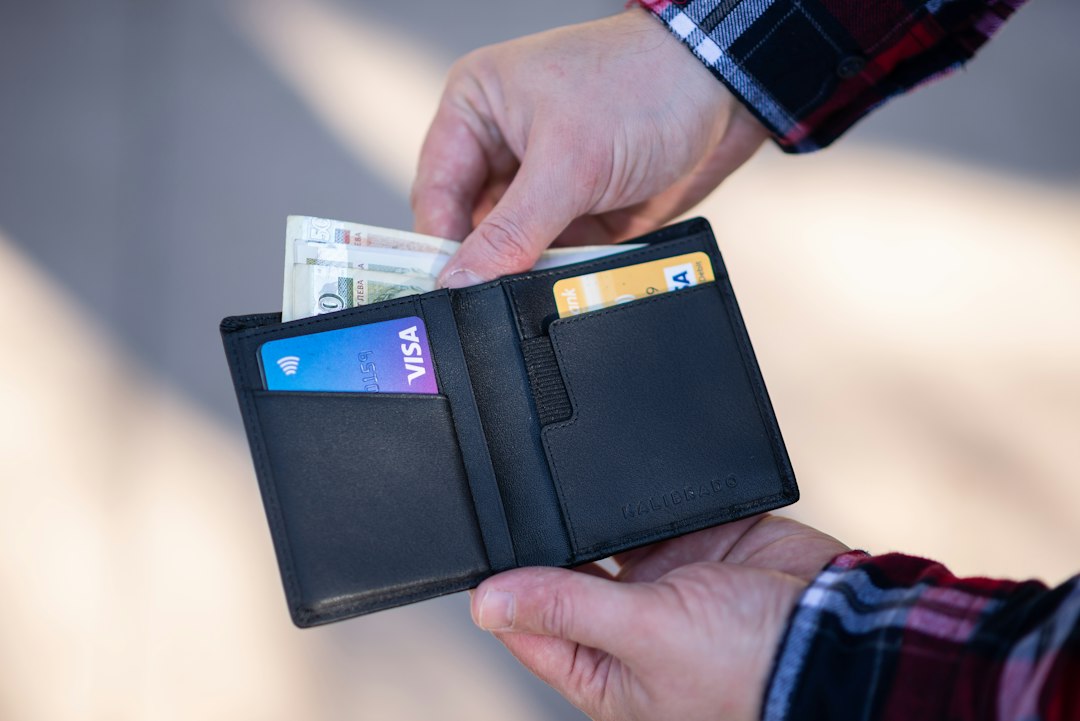
When we look at how to actually wring value out of these premium cards, the biggest mistake is treating annual credits as isolated perks rather than pieces of a larger financial puzzle. Most people just wait for the inevitable "use it or lose it" email, but if you look at the reset dates—whether they fall on your account anniversary or the calendar year—you can often double-dip by timing a final purchase right before that renewal hits. I’ve found that many of these airline incidental credits, for instance, trigger automatically on small things like seat assignments or lounge day passes, which are much easier to clear than full-price airfare. It’s about being surgical; you aren't just spending to get a credit, you’re retroactively subsidizing costs you were already going to incur.
If you really want to stretch your budget, start looking at how your household can stack these benefits across multiple cards. Since many luxury cards offer enrollment credits for programs like Global Entry or Clear every few years, I’ve often used secondary cards held by family members to cover those costs for everyone, effectively laundering a fee into a freebie. You can even do the same with monthly ride-share or food delivery credits by using them to purchase gift cards within the apps, essentially banking that credit into a usable balance before the month expires. And honestly, don't overlook those hotel collection programs that tack on a property credit per stay; when you pair that with automatic elite status from a business card, you’re looking at free breakfast, potential upgrades, and instant cash back on incidental spending that you simply wouldn’t get otherwise.
The real secret to this, though, is shifting your mindset toward the "hidden" utility that most people ignore in favor of flashier point-earning rates. Think about primary rental car coverage, which is a massive win when you realize it lets you bypass those predatory collision waivers at the rental counter—a savings that adds up way faster than a few extra points on a flight. I also like to map out my card-specific annual fee postings against the arrival of companion certificates or reward nights to make sure I’m squeezing every bit of life out of the card before I decide whether it’s worth keeping for another year. It’s not about finding one "perfect" card that does everything, because that card doesn't exist; it’s about managing these overlapping benefits like a portfolio manager, ensuring you have the mobility to move your spending wherever the math is most favorable.
Maximizing Elite Status and Airport Lounge Access
Let’s talk about that moment you’re standing in a crowded terminal, staring at a three-hour delay, and realizing your premium card is the only thing standing between you and a chaotic gate area. Most people treat lounge access as a simple perk, but I’ve found it’s actually a strategic layer you have to manage like a portfolio. Think about it: many cards offer Priority Pass, but they’ll often exclude the very airport restaurants that make the program worth using, so you need to be surgical about which card you carry to bypass those dining restrictions. I’ve started using secondary authorized user cards as a workaround for guest capacity limits, which effectively grants my travel companions their own independent entry rights, regardless of whether I’m standing right there with them. It’s a total game-changer for stress-free boarding.
And here’s where the real technical edge comes in: you shouldn’t assume lounge access is locked to a departing flight, because some high-end cards actually allow entry for arriving passengers at specific international hubs. It’s worth checking if your card includes access to wellness-focused lounges with nap pods or private showers, which are often quieter and much more useful than the standard buffet-style spots most people flock to. I also make it a habit to register for these programs months before a trip to ensure the credentials fully propagate through the airport’s database. If you wait until the day of travel to activate a benefit, you’re just asking for a technical hiccup at the front desk.
When we look at elite status, the math gets even more interesting because you can often bypass those heavy, revenue-based airline requirements entirely by leaning on cards that grant status based on total annual spend. By holding two premium cards from different banking ecosystems, you’re essentially securing status across competing airline alliances, which covers your bases globally. Just be careful with the fine print, because those status boosts sometimes only apply to flights marketed by the primary carrier, not their partners. Also, if you’re booking through third-party sites, you’re often hurting your own cause—linking your card directly to hotel loyalty programs often triggers an algorithm that prioritizes your upgrade over traditional members. It really is about being a bit more calculated than the average traveler.
Managing Total Annual Fees Against Real-World Redemption Value

Let’s pause for a moment and look at the math behind these premium cards, because honestly, most people get hung up on the sticker price without ever calculating their actual break-even point. If you want to know if a card is truly worth it, you have to treat it like a business expense where you subtract every guaranteed, cash-equivalent statement credit from that annual fee to find your real net cost. I’ve seen firsthand how those secondary perks, like primary rental car coverage, act as a silent insurance policy that saves you hundreds of dollars that would otherwise go toward standalone premiums. It’s not just about the points you earn; it’s about the recurring operational wins that quietly subsidize your entire travel routine.
When you really dive into the data, you start to see that redemption value isn't a fixed number, especially with dynamic award pricing causing point values to swing by thirty percent or more depending on your routing. That’s why I don’t keep all my points in one basket; holding cards across different banking ecosystems is essentially my insurance policy against a program devaluing their currency overnight. I’ve even started using multi-step transfers through bridge programs to find seat inventory that the airlines’ own websites swear doesn't exist, which is a total game-changer for getting outsized value. It’s a bit of a puzzle, but when you map your spending against these varying transfer partners, you stop being a passive user and start managing your points like a volatile stock portfolio.
And don't overlook the smaller, surgical moves that add up to real money over the course of a year. If you time your fee renewals right, you can often capture two years of companion certificates or travel credits while only paying the annual fee once, which essentially cuts your effective cost in half. Plus, things like using digital wallets to nudge non-bonus purchases into higher-earning tiers or leveraging relationship banking multipliers can boost your baseline return by as much as seventy-five percent. It’s all about being intentional with the tools you have, whether that means using authorized user cards to bypass lounge guest limits or stacking elite status with property credits to turn a two-night hotel stay into a net-positive financial event. You don’t need the most expensive card on the market; you just need to be the one who knows how to pull the right levers.
Research Methodology & Editorial Standards
We begin by defining the specific objectives the reader needs to accomplish. Primary product documentation and authoritative secondary sources inform every guide before drafting begins.
Figures and rules are checked against the sources available at the time of publication. Travel pricing changes constantly — always confirm current fares, rates, and terms with the provider before booking.