
How to Experience the Artistic Soul of the Hudson River Valley on Your Next Road Trip
When you stand in the middle of the Hudson Valley, it’s easy to feel like you’ve stepped directly into a frame.
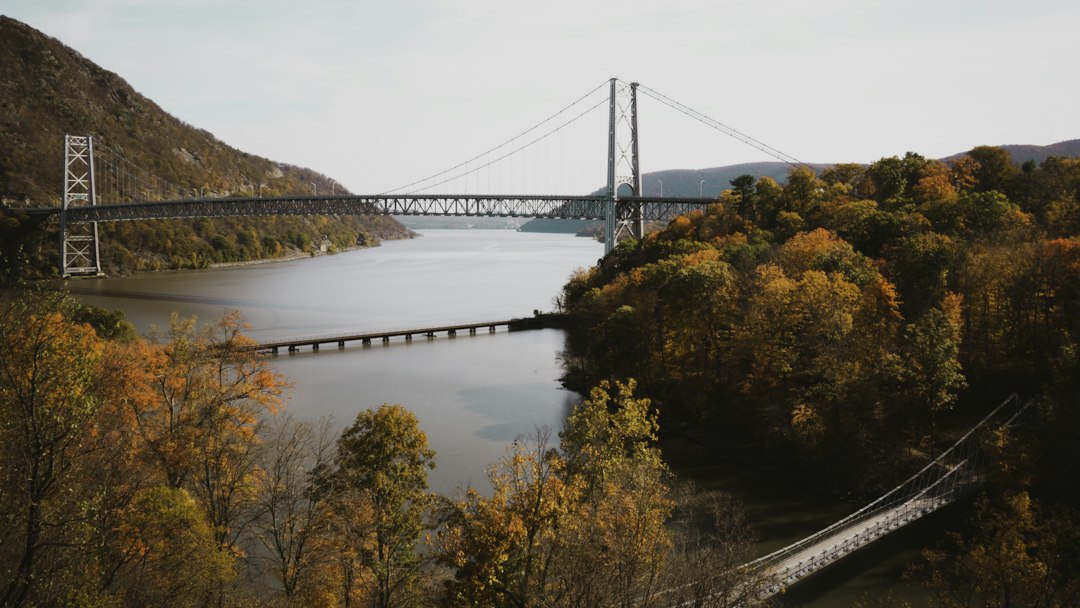
Tracing the Hudson River School: Landscapes That Inspired Iconic American Art
When you stand in the middle of the Hudson Valley, it’s easy to feel like you’ve stepped directly into a frame. The Hudson River School painters weren’t just capturing pretty sunsets; they were essentially acting as the 19th-century version of both environmental scientists and romantic poets. They were deeply influenced by the naturalist Alexander von Humboldt, who pushed them to look at the landscape as a living, breathing system rather than just a static backdrop. Honestly, when you look at these paintings, you’re looking at a bridge between art and early ecological data. Researchers today actually use these canvases as visual records to track exactly how forests and climate patterns have shifted over the last two centuries.
It’s wild to think about how these artists worked, because they didn’t just set up an easel and paint what they saw. They were master compositors, stitching together sketches from various locations into idealized scenes that looked real but didn't actually exist in any one spot. If you look closely, you’ll notice they were obsessed with atmospheric light—those crepuscular rays—to try and capture the spiritual energy of the American wilderness. But it wasn't all just pristine nature, either. Many of these paintings secretly document early industrial shifts, like distant railroads or clearings, showing that even back then, they were grappling with the tension between expansion and preservation.
If you’re a geology nerd, you’ll appreciate that these artists were so precise that experts can actually identify specific rock strata and mineral compositions in the Catskills just by looking at the paint. They used a technique called atmospheric perspective to mimic how light scatters through moisture, which is why those paintings feel like they have miles of depth. Thomas Cole, who basically kicked the whole movement off, was incredibly rigorous about documenting local plant species to give the work a distinctly American identity. Beyond the aesthetics, these painters were actually the first real conservationists, using their prints to mobilize public opinion against the rapid disappearance of the very land they loved. It’s a fascinating legacy that makes a road trip through this region feel much more like a journey through history than just a weekend drive.
From Kingston to Beacon: Exploring the Valley’s Most Vibrant Creative Hubs
When you head north from the city, you’ll notice that Kingston and Beacon aren’t just pretty places to grab a coffee; they’re actually masterclasses in how a town can reinvent its industrial bones without losing its soul. I find the contrast between the two fascinating, especially when you look at how they handle their creative footprint. In Kingston, you’ve got this incredible, dense historical fabric—specifically in the Stockade District where those 17th-century Dutch stone walls act as natural thermal regulators. It’s brilliant because it keeps gallery temperatures stable without needing a massive energy budget, and honestly, that kind of passive efficiency is something modern developers could learn a lot from. Plus, there’s the O+ Festival, which I think is one of the smartest models I’ve seen for keeping talent in the area by trading creative services for actual medical and dental care.
If we pivot down to Beacon, the story shifts toward high-concept adaptive reuse. You can’t talk about this town without pointing to Dia Beacon, which took a 300,000-square-foot Nabisco box-printing factory and basically turned it into a temple for minimalism. Those sawtooth skylights aren't just for show; they’re engineered for specific north-facing light that makes massive art installations actually legible. It’s a huge reason why Beacon now boasts one of the highest concentrations of fine art galleries per capita anywhere in the valley. And because the town shifted its zoning back in 2003 to allow for live-work lofts, they managed to keep the artists from being pushed out by the inevitable wave of gentrification that hits these spots.
What really gets me, though, is how both towns are leaning into their industrial pasts as a way to fuel their futures. In Kingston, you have filmmakers using the waterfront’s brick-heavy aesthetic to stand in for global locations, while local studios are turning timber mill waste into high-end design objects. Meanwhile, Beacon is running on a micro-grid powered by local hydroelectric dams, which is a surprisingly pragmatic way to keep power costs low for galleries that need climate control for sensitive media. It’s not just about aesthetics here; it’s about a deliberate, data-driven approach to urban life. Whether you’re walking the trails around the old funicular ruins or checking out a performance in a renovated 1927 movie palace, you’re seeing a real-time experiment in how to build a community that’s as sustainable as it is artistic.
Beyond the Canvas: Discovering Architectural Wonders and Historic Estates
Stepping away from the galleries, you quickly realize that the Hudson Valley’s historic estates are just as much about high-stakes engineering as they are about luxury. Take Olana, where Frederic Church didn’t just build a house; he engineered a landscape that functions like a three-dimensional painting by literally blasting away rock ledges to align vistas with your line of sight. It’s wild to think that he also integrated a passive cooling system using high-ceiling cupolas to create a natural chimney effect, a brilliant move that keeps the air moving without a single wire. Then you have the Vanderbilt Mansion, which was using steel-frame construction in 1898—a move that was honestly way ahead of its time for a private residence—to allow for those massive, open spans in the Great Hall.
These builders were obsessed with local materials and smart physics. Look at how they used high-density bluestone, which is packed with manganese, to ensure those walls would hold up against the weather and keep that signature blue-gray glow for centuries. Washington Irving’s Sunnyside is another great example where the stepped-gable roof isn't just a quirky nod to Dutch design; it’s a functional piece of engineering meant to handle heavy valley snow loads without buckling. Even the plasterwork inside Boscobel House is fascinating because it’s bound with horsehair, a simple trick that has given those ceilings incredible seismic resistance for two hundred years.
If you’re wondering why these homes feel so comfortable regardless of the season, it’s because the orientation was often a deliberate, scientific choice. Many of these estates sit on a strict North-South axis specifically to capture maximum passive solar gain during the coldest months. At Staatsburgh, they even installed a massive central heating plant back in the day that could keep seventy-nine rooms at a consistent seventy degrees, which was a true technological feat for the era. It’s this kind of hidden, practical genius that makes touring these properties feel less like walking through a museum and more like studying a masterclass in how to build a house that actually works with the land.
Curated Sculpture Gardens and Open-Air Installations Along the River

Let’s pause for a moment and reflect on why we actually head out to these sculpture gardens. It isn't just about staring at big pieces of metal in a field; it’s about watching how human intention interacts with the raw, shifting physics of the valley. Take the Storm King Art Center, for instance, where they manage five hundred acres of grassland with a precision that’s honestly impressive. They don’t just mow the lawn; they use sheep as a low-carbon maintenance crew. It’s a brilliant way to keep invasive species from crowding the sightlines while ensuring the soil remains firm enough to support the sheer weight of those massive steel sculptures.
When you move over to the Unison Arts & Learning Center, you’ll notice the curation feels much more dialed-in to the local geology. They’ve placed installations to sit right against the Shawangunk Ridge, carefully avoiding any disruption to the delicate micro-climates on the forest floor. A lot of these pieces are built from Cor-Ten steel, which I find fascinating because it’s engineered to oxidize into a protective layer that actually thrives in the high humidity of the river valley. It’s a perfect example of design that doesn’t fight the environment, but rather uses chemistry to survive it.
Then you have the kinetic works at the Dorsky Museum, which serve as these quiet, mechanical indicators of the valley’s airflow. They’re positioned to take advantage of the river’s natural funnel effect, though they require some serious engineering—specifically, being anchored deep into the bedrock so that seasonal soil expansion doesn't knock them out of alignment. It’s a constant, data-driven effort, with researchers using laser scanning to map how the surrounding trees grow around these structures. They have to monitor soil pH and use native ferns to filter runoff, all to keep the watershed healthy while protecting the bronze and stone from degradation. It’s a complex, living experiment that reminds me how much work goes into making something look effortless for us to enjoy on a weekend drive.
Where Art Meets Appetite: A Guide to the Region’s Culturally Infused Dining
When you pull into the Hudson Valley, you’re not just stopping for a bite to eat; you’re stepping into an ecosystem where the kitchen functions more like a high-tech lab than a traditional restaurant. I’ve been blown away by how many local spots have moved beyond basic farm-to-table, opting instead for a data-driven approach where they track soil nitrate levels to hit specific flavor profiles before a single vegetable is harvested. It’s wild to see chefs treating the valley’s biodiversity as a primary resource, especially with the surge in hyper-localized fermentation labs that process wild-foraged ramps and spruce tips into potent umami boosters. These aren't just trendy additions; they’re ingenious, shelf-stable replacements for imported ingredients that let the landscape speak for itself.
Honestly, the level of precision here is staggering when you consider how these kitchens interact with the local geography. Some of the most forward-thinking chefs are actually working with geologists to map how limestone-rich riverbed soil imparts a distinct minerality to root vegetables grown in the riparian zones. You’ll even find avant-garde kitchens sourcing botanicals from the exact meadows immortalized in Hudson River School paintings, which creates this incredible, visceral connection between what you’re eating and the region’s artistic legacy. It’s like they’re plate-testing history, and frankly, the flavor complexity you get from those ancient grains—like einkorn and emmer processed in traditional stone mills—is something you just can’t replicate with modern, high-gluten wheat.
If you’re curious about how these places run behind the scenes, the engineering is just as impressive as the food. Many restaurants have installed vertical hydroponic systems that turn gray water into a culinary asset, while others are using groundwater cooling to keep their refrigeration systems carbon-negative. It’s not just about efficiency, either; it’s about a deep, scientific curiosity, like the cider houses currently using genomic sequencing to bring back long-lost apple varieties prized for their unique tannins. Even the way they handle waste is fascinating, with ultrasonic extraction used to pull aromatics from scraps for house-made bitters. It really shifts your perspective when you realize that every ingredient on your plate is part of a deliberate, living experiment designed to keep this region as sustainable as it is delicious.
Planning Your Artistic Pilgrimage: Strategic Itineraries for the Hudson Valley
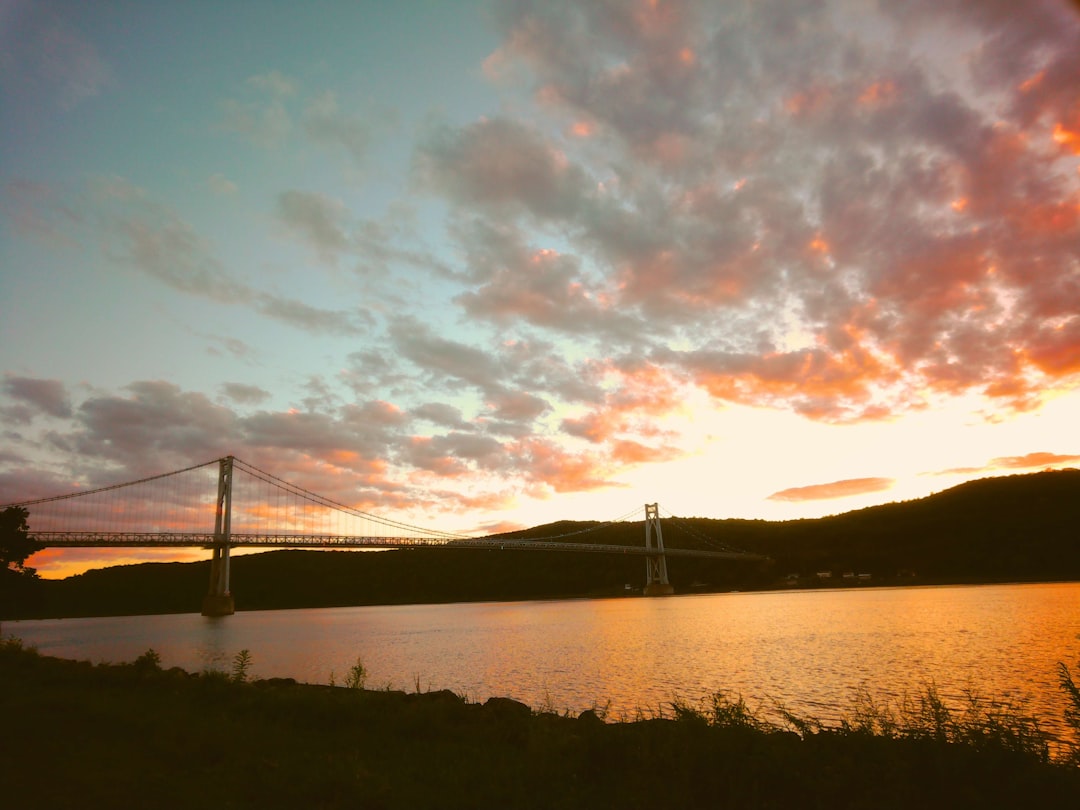
If you’re planning a trip to the Hudson Valley, you’re basically looking at a massive, open-air laboratory where art history and geophysics collide. I’ve spent a lot of time looking into how this region works, and honestly, the best way to experience it is to stop thinking of it as just a collection of galleries and start seeing it as a landscape shaped by very specific, measurable forces. When you’re mapping out your route, keep in mind that the valley’s narrow gorge creates a version of the Bernoulli effect that really whips the wind around; this is why you’ll notice such rigorous, deep-anchoring engineering on those massive outdoor sculptures you see at places like Storm King. It’s not just for aesthetics—it’s a necessary, data-backed defense against the mechanical fatigue caused by those constant, high-speed gusts.
It’s also fascinating to realize that the light you’re chasing—that legendary glow that the Hudson River School painters were obsessed with—is essentially a byproduct of high aerosol concentrations and moisture getting trapped between the Catskill and Taconic ranges. If you want to get granular, look at the "Blue Line" of the Catskill Park, where the forest floor’s soil acidity shifts in direct correlation with the elevation gradients those early painters trekked through. You’ll also notice that the historic studios are marvels of passive engineering; those thick, stone-masonry walls have a high thermal mass that was calculated to keep humidity levels under 50 percent, which is the only reason those centuries-old canvases survived before we had modern HVAC systems to babysit them.
When you’re driving between towns, you’re actually following the same post-glacial drainage patterns that dictated where those original artist settlements popped up. It’s a bit mind-blowing to think that the very bedrock—all that sedimentary shale and limestone—was used by artists as a natural reflector to brighten the foregrounds of their work. Even today, the region’s cultural institutions are running on high-tech, AI-driven climate monitoring systems that adjust airflow in real-time to counter the rapid barometric shifts that roll through the valley when a storm hits. And if you’re wondering why those 19th-century estates are still standing while modern masonry often cracks, it’s because those old-school builders used dry-stone stacking techniques that allow for perfect groundwater drainage, preventing the frost heaving that usually wreaks havoc in this climate.
If you really want to dive deep, check out the digital archives that use multispectral imaging to show the charcoal underdrawings on those classic paintings; it’s like getting a literal blueprint of how the valley’s topography was geometrically composed. Honestly, the more you look, the more you realize that every landmark you visit is a calculated response to the environment. Whether it's the riparian zones acting as a heat sink for rare plants or the specific igneous intrusions of the Palisades providing the foundation for those heavy stone estates, everything here is connected. Just bring a good pair of walking shoes and maybe a bit of curiosity about the physics, because the valley is way more than just a pretty view—it’s a masterclass in survival and design.
Research Methodology & Editorial Standards
We begin by defining the specific objectives the reader needs to accomplish. Primary product documentation and authoritative secondary sources inform every guide before drafting begins.
Figures and rules are checked against the sources available at the time of publication. Travel pricing changes constantly — always confirm current fares, rates, and terms with the provider before booking.