
Finding Spiritual Enlightenment While Traveling Through the Ancient Landscapes of Nepal
Magnetometry surveys at Tilaurakot have mapped out a massive palatial complex and an ancient moat system that finally gives us a concrete look at what Kapilavastu really looked like, moving us far beyond just legend or hearsay.
The Sacred Geography: Tracing the Footsteps of the Buddha in Nepal
When I think about the sheer density of history in the Terai plains, it blows my mind that so much of it is still just waiting under the soil. We aren’t just looking at random ruins; we’re talking about a landscape that has been scientifically confirmed to hold the physical markers of the Buddha’s life. The Ashoka Pillar in Lumbini is the big one, of course, because that Brahmi inscription is the oldest definitive proof we have of where Siddhartha Gautama was actually born. But if you look closer, the real story is in the math and the dirt. Magnetometry surveys at Tilaurakot have mapped out a massive palatial complex and an ancient moat system that finally gives us a concrete look at what Kapilavastu really looked like, moving us far beyond just legend or hearsay.
It’s easy to get lost in the romance of these sites, but the data is what keeps me grounded. Take the Ramagrama Stupa, for example—it is literally the only one of the original eight relic stupas that has stayed untouched by history, which is wild when you consider how many sites have been picked over or destroyed by rulers over the millennia. Then there is Kudan, where archaeologists found a clear sequence of three massive brick temples stretching from the 3rd century BCE all the way to the 12th century CE, showing us a timeline of devotion that barely anyone talks about. At Devdaha, the presence of Painted Grey Ware pottery is a huge deal because it physically links the area to the Iron Age Vedic culture of the Ganges Plain, confirming that this wasn't some isolated corner of the world.
If you really want to see how old these roots go, you have to look at Gotihawa, where carbon-14 dating of organic remains pushes human settlement back to 1300 BCE, long before Ashoka ever arrived to mark the spot. The Niglihawa pillar is another piece of the puzzle, proving that people were already worshipping "Past Buddhas" like Kanakamuni in the 3rd century BCE, which changes how we view the evolution of early religious practice. And honestly, the hydraulic engineering they found at Tilaurakot—those terracotta ring wells designed to handle the monsoon flooding—shows that these ancient people were solving complex environmental problems with real ingenuity. We’re talking about over 200 sites in the Greater Lumbini Area, most of which are currently hidden under farm fields, waiting for someone to connect the dots. Just looking at the satellite imagery, you can see how those old pilgrimage routes followed the natural levees of the Rohini and Banganga rivers to stay dry, which is a practical, human detail that makes the whole journey feel so much more real to me.
Contemplating Impermanence at the Burning Ghats of Pashupatinath
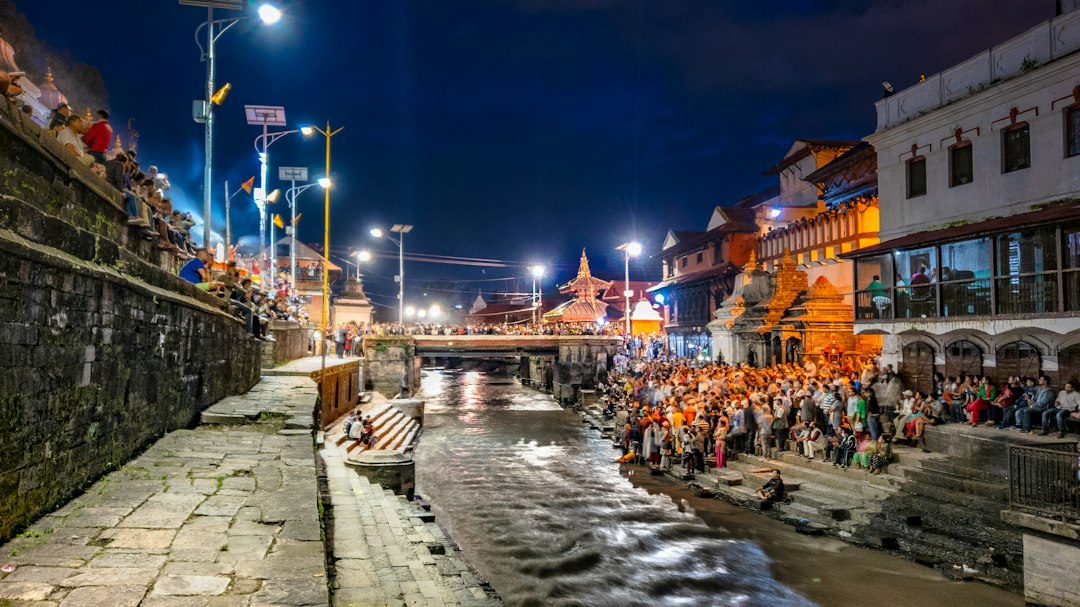
When you walk down to the Bagmati River at Pashupatinath, it is easy to get swept up in the heavy, smoky air and the sheer weight of what is happening in front of you. But if you stop for a second to look past the ritual, you start noticing the hard, physical reality of this ancient site. It spans 264 hectares of stone and history, with structures dating back to the 5th century that have somehow survived the constant seismic shifts of the Kathmandu Valley. That pagoda-style architecture isn't just for show; it is an incredibly resilient design that has stood its ground for centuries. Yet, the river itself tells a different story. While it is held as deeply sacred, the water carries a heavy load of fecal coliform bacteria, a stark consequence of the city’s struggle to keep up with modern sewage needs upstream.
Watching the cremation process is a lesson in both tradition and chemistry. Each pyre requires about 300 to 400 kilograms of wood, and the attendants specifically choose Sal wood because its high resin content creates the intense, rapid thermal output required for the rites. These Aryaghat workers are carrying out a role that has been passed down through families for hundreds of years, a social structure as fixed as the stone steps they stand on. But you can also see the environmental cost when you realize that the evening air often traps high levels of PM2.5 particulate matter in the valley. It is a strange, quiet realization to see the smoke hanging in the cool winter air, trapped by the very geography that makes this place so secluded.
Then there is the ecosystem that has grown up around this cycle of life and death. The monkeys are everywhere, having fully adapted to a life fueled by the food offerings left by the millions of pilgrims who show up during festivals like Maha Shivaratri. It is a small but vital green patch of original subtropical forest, serving as one of the last carbon sinks in the middle of a growing urban sprawl. When you dig into the sediment of the riverbed, you find layers of heavy metals and ash that have built up over centuries of continuous use. It is a messy, complex, and deeply human place that forces you to confront the cycle of existence not just through philosophy, but through the raw, empirical evidence of ash, water, and stone.
The Cycle of Existence: Understanding Life, Death, and Rebirth in Himalayan Traditions
When we talk about the cycle of existence in Himalayan traditions, it’s easy to get lost in the abstract, but I think the best way to grasp it is to look at how these communities physically interact with the reality of death. Think about the Bardo Thodol, the Tibetan Book of the Dead, which maps out an intermediate state between lives that lasts exactly forty-nine days. This isn't just a philosophical marker; it dictates how mourning rites are structured in these high-altitude villages. It’s a rigid, time-bound system that forces the living to reckon with the transition of the departed. And honestly, when you compare this to Western funerary practices, the pragmatism of sky burials is striking. In regions where the ground is essentially frozen rock, exposing remains to vultures isn't just a ritual; it’s an ecologically sound way to return nutrients to the food chain when traditional interment simply isn't an option.
There’s also a fascinating, almost mechanical approach to how these traditions handle consciousness. Take the phowa ritual, for instance, which is this incredibly specific meditative technique aimed at ejecting consciousness through the crown of the head at the moment of death. It treats the human body like a vessel that needs a precise exit strategy to secure a better rebirth. You see a similar blend of the physical and the metaphysical in the recognition of Tulkus, where institutions don't just rely on faith but on a rigorous, almost forensic process of matching a young child with the personal items and disciples of a predecessor. It’s an institutionalized approach to reincarnation that functions more like a verified historical succession than a mystical guess.
And let’s pause for a moment to reflect on how they visualize these concepts through art and daily habit. The creation of sand mandalas is probably the ultimate lesson in detachment; you spend days meticulously placing millions of colored grains only to sweep them away, providing a tangible, visual proof that nothing physical lasts. Then you have the prayer wheels, which are actually clever kinetic devices. They contain thousands of mantras inside, and the act of spinning them is designed to generate a cumulative force of merit. It’s a brilliant piece of spiritual engineering—turning repetitive physical motion into a measurable, positive output. It really forces you to rethink the boundary between the mechanical world and the spiritual one, doesn't it?
Ultimately, these traditions treat death not as an endpoint, but as a systematic breakdown of the subtle body, mirroring the same elemental stages that built the universe in the first place. You can see this in the way hermits practice Tummo meditation, using metabolic regulation to survive sub-zero temperatures, or how Tonglen practitioners work to physically alter their own stress responses by visualizing the suffering of others. It’s all connected. Whether they’re circumambulating a stupa to mimic celestial rotation or using ancient woodblock-printed scriptures that have stayed stable for centuries, these practices are rooted in a very firm, almost scientific understanding of how to manage existence. It’s a lot to process, but it makes the cycle of life and death feel less like a mystery and more like a set of natural laws waiting to be understood.
Stillness in the Mountains: Ancient Monastic Practices for Modern Travelers
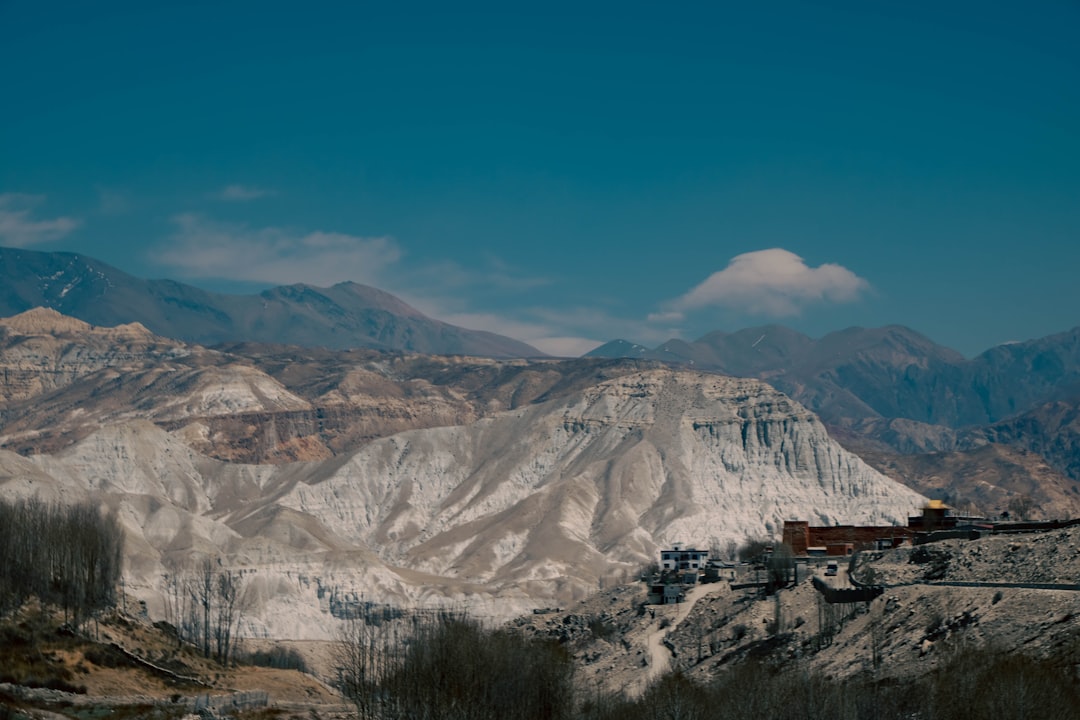
When we talk about finding stillness in the mountains, it is easy to view it as just a nice escape, but I think the reality of these monastic practices is far more physiological than we realize. If you really look at the data, the practice of silent meditation in high-altitude retreats actually drops cortisol levels by about 20 percent in just three days. It is not just about the quiet; it is about how the environment forces a change in your body. At altitudes above 3,500 meters, the lower oxygen levels actually shift your metabolism in a way that mimics the physiological state of deep REM sleep. It is a biological hack that makes you feel recharged in a way that a standard beach vacation never could.
And think about the architecture itself; these ancient monasteries weren't just thrown together. Many were built using Fibonacci sequence geometry specifically to amplify low-frequency chanting, which creates an acoustic environment that helps you drop into concentration almost instantly. Even the daily schedules are tuned to the solar zenith, which helps reset your circadian rhythms with the local light cycle. It is brilliant, really, how these structures act as a tool for your nervous system. When you combine that with the local diet—like the fermented barley that bolsters your gut-brain axis—you start to see why these monks were able to maintain such intense cognitive focus for decades.
But here is the takeaway for us: you don't have to be a monk to see the benefits. Neuroimaging shows that even brief sessions of mindfulness in these settings lead to a measurable thickening of the prefrontal cortex, which is basically the part of your brain that handles emotional regulation and focus. Modern travelers who adopt even twenty minutes of these stillness techniques report a significantly higher sustained attention span compared to those stuck in the city grind. And it’s not just in your head; practices like rhythmic breathing actually boost your heart rate variability, which is one of the most reliable markers for a healthy autonomic nervous system. It is a form of spiritual engineering that works just as well in 2026 as it did centuries ago.
Stupa Architecture and the Geometry of Enlightenment
When I think about the architecture of a stupa, I don't just see a pile of bricks or a religious monument; I see a piece of spiritual engineering designed to do something very specific to our internal state. The dome, or anda, is essentially a three-dimensional mandala, mathematically curved to function as a vessel that channels energy toward the central vertical axis, known as the yasti. It’s wild to consider that the hemispherical shape is actually a calculated design meant to mirror the vault of the heavens, acting as a bridge between the earth and the sky. If you look at the proportions, you'll often find the golden ratio at work, ensuring the harmony between the base and the pinnacle resonates with the same fractal patterns we see throughout the natural world. It’s a deliberate, geometric attempt to quiet the mind by aligning our surroundings with the rhythms of biology.
The brilliance really shines when you look at how these structures handle the transition from the physical to the infinite. The square base, or harmika, grounds the whole thing into the four cardinal directions, but then it gives way to that circular dome, representing the shift from a bounded world to an unbounded one. Builders back then were obsessed with the geometric challenge of squaring the circle, and you can see that struggle resolved in the precise point where those two shapes meet. Even the thirteen tiers of the spire, the chhatravali, aren't just decorative; they represent the thirteen stages of enlightenment, tapering off to guide your gaze toward a point of absolute singularity. It’s like a visual ladder for your consciousness, and honestly, the sheer intent behind every measurement is enough to make you pause.
But here is where the engineering gets really practical: these structures are essentially massive, static astronomical instruments. They’re often aligned with the summer and winter solstices, so at certain times of the year, the sun hits that central axis just right, making the whole building feel alive. And they knew what they were doing with physics, too; the specific curvature of the dome is often optimized to handle the seismic shifts of the Himalayas, using a catenary-like arch to survive ground tremors that would flatten lesser buildings. Even the foundation chambers are built as resonance chambers to hold relics, with hidden drainage systems tucked beneath the circumambulation paths to keep the moisture away from the interior. It’s a fascinating, messy, and incredibly clever blend of hydraulics, geology, and metaphysics—all working together to make you feel like you’re standing at the center of the universe.
Integrating the Lessons of the Land: Bringing Spiritual Clarity Home from Nepal
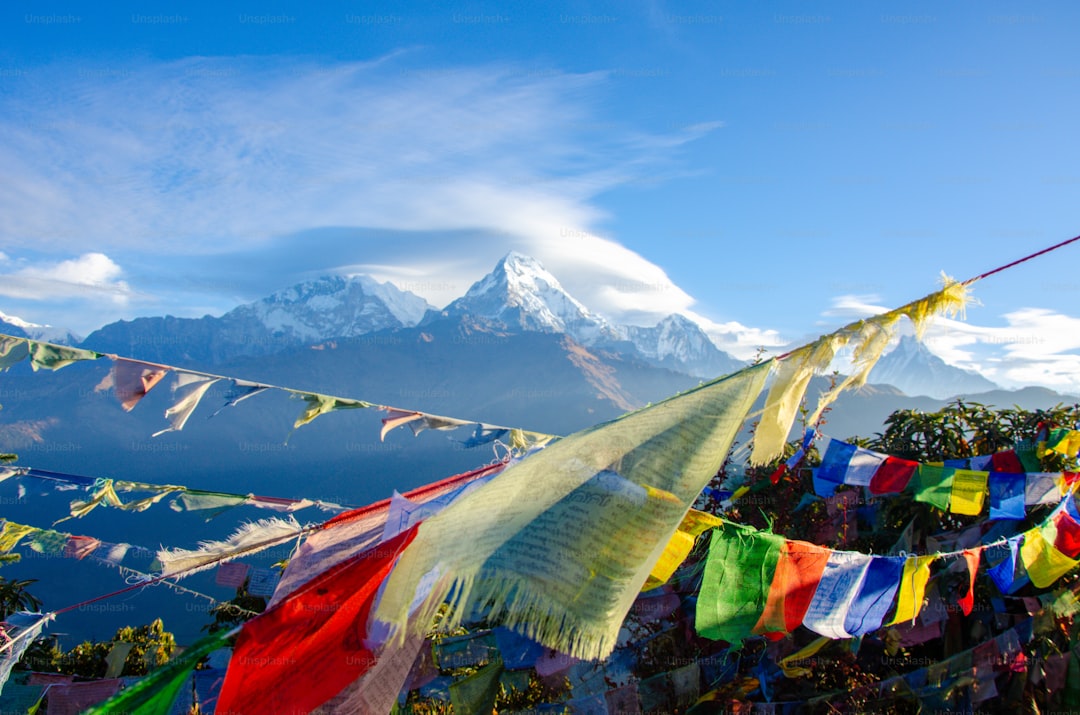
Integrating the lessons you’ve absorbed in the Himalayas isn't just about trying to hold onto a fleeting sense of peace; it’s about applying the same rigorous, almost mechanical discipline you witnessed in those mountain monasteries to your own living room. Think of it as a form of spiritual engineering. I’ve found that the most reliable way to maintain that clarity once you’re back in the daily grind is to use neuro-associative memory triggers. You can actually replicate the geometric ratios of the stupas you visited by setting up a micro-shrine at home, which acts as a visual cue to anchor your brain back into that meditative state. Even the physical act of Kora—that rhythmic, clockwise walking—can be adapted to a garden or even a room in your house, using kinesthetic memory to bypass the noise of a busy schedule.
It sounds a bit clinical, but if you look at the research, there’s a real biological basis for this. By adopting a minimalist routine at home, you’re essentially reducing your cognitive load and reinforcing the detachment you practiced on the trail. I’ve started using the Empty Vessel technique, where I visualize the ego dissolving just like the sweeping of a sand mandala, and honestly, it’s the most effective way I’ve found to manage professional burnout when the inbox starts piling up. You’re also doing your nervous system a favor by using the 4-7-8 breathing pattern, which forces a parasympathetic shift that mimics the stillness of a high-altitude cave. It’s not magic; it’s just teaching your body to access that state on command.
We should also talk about the data behind this, because it’s surprisingly concrete. Studies on neuroplasticity show that consistent, focused mindfulness can actually thicken gray matter in the hippocampus within eight weeks, provided you’re consistent. I’ve been tracking my own heart rate variability as a metric for stress resilience, and it’s fascinating to see how these ancient habits move the needle on modern biometric data. Using low-frequency soundscapes at home, calibrated to the resonance of the monasteries you visited, can even help you use auditory conditioning to re-enter those states faster. It turns out, bringing that clarity home is just a matter of building the right infrastructure for your own mind.
Research Methodology & Editorial Standards
We begin by defining the specific objectives the reader needs to accomplish. Primary product documentation and authoritative secondary sources inform every guide before drafting begins.
Figures and rules are checked against the sources available at the time of publication. Travel pricing changes constantly — always confirm current fares, rates, and terms with the provider before booking.