
Do Rental EVs and Hybrids Actually Save You Money When Gas Prices Rise
Charging infrastructure reliability remains a hidden tax on your time, and honestly, if you’re spending an hour hunting for a working charger that’s actually available, that’s time you aren’t getting back.
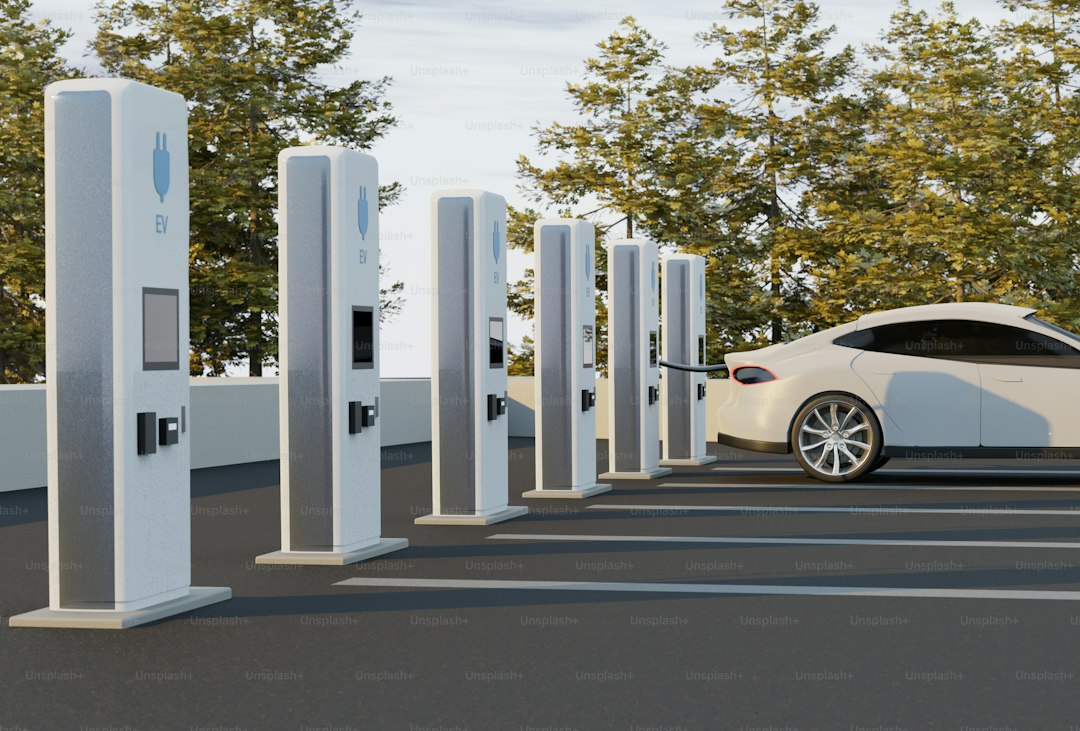
Crunching the Numbers: Comparing Rental Costs for EVs, Hybrids, and Gas Cars
Let’s dive into the numbers for a second, because I think we’ve all seen the flashy marketing about electric vehicle savings without really looking at what happens when you’re actually on the road. When you’re picking up a rental, it’s easy to get tunnel vision on that "zero fuel cost" promise, but the reality for the average traveler is a bit more complicated. Charging infrastructure reliability remains a hidden tax on your time, and honestly, if you’re spending an hour hunting for a working charger that’s actually available, that’s time you aren’t getting back. Plus, I’ve noticed that insurance premiums for electric rentals often run higher than standard gas cars because those specialized repair shops aren't exactly on every corner.
Think about it this way: electric vehicle battery health takes a hit from constant DC fast charging, which is basically the only way to power up during a trip. Because rental fleets are constantly pushing these cycles, that battery degradation is a real thing, and companies are often passing the cost of that long-term maintenance right back to you in the form of higher daily rates. On the flip side, hybrids offer a much better middle ground, especially since they don't force you into those inefficient, high-speed driving patterns just to conserve range. And let's be real, the regenerative braking on a hybrid is a game changer for maintenance, which helps keep those rental costs from ballooning compared to traditional gas vehicles.
There’s also this weird disconnect with plug-in hybrids in rental fleets where most people just don't bother to plug them in, which basically turns them into less efficient gas cars. You’ve also got to factor in the tires on an EV, which wear out about 20 to 30 percent faster because of the sheer weight and instant torque of those batteries. If you’re traveling in colder weather, you’re going to see your range drop by up to 40 percent just keeping the cabin warm, which is an invisible cost that forces way more stops than you’d ever make in a sedan. At the end of the day, you’re almost always paying a premium for that charging network convenience that just doesn't match up to residential electricity prices, so don't be surprised if your "green" rental ends up costing more than the gas alternative.
The Hidden Reality of EV Charging Infrastructure for Road Trippers
Look, if you’re planning a road trip in a rental EV, we need to have a serious conversation about the reality behind those polished charging maps. It’s not just about finding a plug; it’s about the fact that many mapped locations are essentially phantom stations behind locked gates or restricted access points that don't show up on your app until you’re already frustrated and low on range. I’ve seen data suggesting that even when a station is technically online, software handshaking failures—where your car and the charger just can't seem to talk to each other—can cause successful connection rates to dip below ninety percent in rural areas. And don't even get me started on the hardware itself, which often suffers from damaged cables or broken connectors in high-traffic corridors, leaving you stranded at a station that looks perfectly functional from your driver's seat.
Honestly, even if you find a working stall, the hardware is often at the mercy of local grid limitations. During peak summer heat, many stations will intentionally throttle your speeds to prevent a local grid failure, meaning you’re sitting there for twice as long as you planned. Plus, there’s the thermal reality: once your battery pack hits its thermal ceiling, the car stops accepting high-speed charging anyway, making those expensive "ultra-fast" chargers completely useless for the final leg of your session. And let’s be real about the software side, too—it’s a mess of fragmented payment apps and proprietary accounts that makes a simple stop feel like a chore.
You also have to account for the fact that the last twenty percent of your battery charge takes significantly longer to reach than the first twenty, a detail most trip planners conveniently ignore when estimating your arrival time. If you’re towing anything, the situation is even more dire, as pull-through stalls are still frustratingly rare, often forcing you to unhook just to get a few electrons. Honestly, the whole infrastructure feels like it’s built for commuters charging at home, not for the unpredictable, high-demand reality of cross-country travel. So, before you commit to that electric rental for your next big adventure, just know that your schedule might end up being dictated by the reliability of a grid that wasn't really designed to handle the load you’re putting on it.
Convenience vs. Cost: Why Hybrids Are Winning the Rental Market
If you’ve spent any time at an airport rental counter lately, you’ve probably noticed that the push for full electric vehicles has hit a bit of a wall, and honestly, that’s because hybrids are quietly winning the war for your travel budget. Think about it: when you’re on the road, you just want the transition from the terminal to the highway to be seamless. Hybrids deliver that "convenience-to-cost" ratio that EVs just can't seem to match yet, mostly because they don't tether you to the unpredictable, often broken, and expensive web of public charging infrastructure. They give you the efficiency of an electric motor during city driving, but they don't force you to change your entire trip itinerary just to find a plug.
Here’s the thing about fleet economics that most people don't see: rental companies are realizing that hybrids are much easier on the bottom line because they can be serviced at any standard shop, unlike EVs that often require specialized, high-voltage training and proprietary parts. Plus, because hybrids use smaller batteries, they don't suffer from that rapid, capacity-killing degradation caused by the constant DC fast charging that is the only way to power up a rental EV on a road trip. And let’s be real about the tires, too; those massive EV battery packs add significant weight that shreds tires 20 to 30 percent faster, a cost that eventually finds its way into your rental contract. Hybrids avoid that weight penalty, which keeps your daily rental rate from ballooning alongside the operator's maintenance bill.
Maybe it’s just me, but there is something deeply frustrating about paying a premium for a "green" rental only to see your range plummet by 40 percent because the heater is running or you’re cruising at highway speeds. Hybrids don't have that problem, as they keep their fuel economy consistent regardless of whether you're battling extreme cold or pushing hard on an open interstate. They offer that critical operational flexibility—you can refuel in five minutes at any gas station and get back to your trip, which keeps the rental turnaround times at airport locations efficient and prevents those long, miserable lines. When you look at the total cost of ownership and the sheer sanity of not having to hunt for a working charger, it becomes pretty clear why hybrids are the smarter play for both the rental companies and you.
Calculating the Refueling Premium: When Electricity Costs More Than Gas
Let’s pause for a moment and look at the math behind the plug, because the idea that driving electric is always cheaper than gas is, frankly, a bit of a myth when you’re out on the road. When you rely on public DC fast chargers, you’re often hit with a refueling premium that can make your energy costs eclipse those of a highly efficient gas vehicle. It happens because commercial charging stations deal with peak demand charges that operators pass directly to you, often through complex, tiered pricing models. Plus, you’re usually paying for more than just the energy that hits your battery; there’s a 10 to 15 percent loss as heat during the conversion process, and you’re even footing the bill for the power used to cool the charger’s own cables and hardware.
It gets even more frustrating when you consider how these stations actually bill you. Many networks hit you with idle fees that kick in just minutes after your charge hits that 80 percent mark, turning a standard stop into a ticking clock that can double your session cost. If the software handshaking fails—which happens way more often than it should—you might end up paying a connection fee for zero actual range. And if you’re driving during peak grid hours, you could be hit with dynamic surge pricing that pushes your cost-per-mile well beyond what you’d spend at a local gas pump. It’s a two-tier system where casual travelers, lacking the lower rates of residential memberships, end up subsidizing the entire infrastructure.
We also have to talk about the physical reality of highway driving, where the efficiency gains of an EV start to evaporate. Pushing an EV at 80 mph consumes nearly 30 percent more energy than sticking to 65 mph, forcing you to stop at expensive, fast-charging hubs far more often than you’d planned. Once you’re there, your car’s battery management system will naturally throttle intake as you approach a full charge, making that last 20 percent of range agonizingly slow and expensive. Add in the extra power drain from keeping the cabin climate controlled while you wait, and you start to see why the "fuel savings" of an electric rental often don't survive the transition from the marketing brochure to the highway.
Operational Differences: What to Expect When Renting an Alternative Fuel Vehicle
Let’s dive into what you should actually expect when you move away from a standard gas car, because the operational reality of alternative fuel rentals is a lot more technical than just picking a different pump. You might be surprised to learn that rental agencies often use onboard telematics to monitor battery health in real-time, sometimes remotely disabling fast-charging if they see you’re pushing the battery temperature too high. It’s also worth noting that if you leave an EV sitting at the airport for a day or two, you’ll lose about one to three percent of your charge just to phantom drain, which is something you never have to worry about with a traditional sedan.
And here is where it gets a bit frustrating: the public charging network is a total wild card. Even if your car is built for high-speed, 800-volt charging, you’ll often find yourself stuck at a 400-volt station that effectively doubles your wait time. Plus, if you’re using the car’s native navigation to hunt for a plug, the vehicle might start pre-conditioning the battery by heating or cooling it, which can eat up five kilowatt-hours of power before you even pull into the spot. I’ve also noticed that most rental EVs skip the spare tire to save weight, leaving you with a messy, proprietary sealant kit that can actually ruin your tire pressure sensors if you aren't careful.
On the other hand, hybrids feel more like what you’re used to, though they come with their own quirks. You’ll find that their fuel tanks are often smaller than standard gas cars, meaning you’ll still be stopping at the pump more often than you might expect, even with that hybrid efficiency. Many of them use a continuously variable transmission that creates a strange rubber-band feeling during highway acceleration—where the engine sounds like it's racing—which can really catch you off guard if you’re expecting a smooth, traditional automatic shift. It’s all about knowing these little trade-offs before you get behind the wheel, so you aren't left guessing when the car starts acting differently than the one you drive at home.
Final Verdict: How to Choose the Right Rental for Your Specific Route and Budget
Choosing the right rental really comes down to mapping your specific route against the practical constraints of the vehicle, rather than just chasing the lowest sticker price or the greenest label. If your path involves significant elevation changes or mountainous terrain, hybrids are almost always the superior choice because the electric motor assists the gas engine during high-altitude climbs where traditional engines typically struggle for power. You should also consider the hidden operational costs of an EV, such as the weight penalty that can add nearly 1,000 pounds over a standard sedan—a factor that occasionally triggers higher daily parking rates in major metros. Plus, you have to be mindful that rental agencies often use geofencing to track your location, and heading into certain restricted zones can accidentally void your insurance or rental agreement entirely.
It is also worth noting that the "refueling" experience for an EV rental is often far more taxing than the marketing suggests, especially since these fleet vehicles lack the remote scheduling features that would allow you to pre-condition the battery temperature before you hit the road. If you find yourself with a dead battery, remember that most standard roadside assistance plans won't cover a mobile charge, meaning you are stuck footing the bill for a flatbed tow to the nearest station. Furthermore, rental agencies frequently wipe the infotainment systems between drivers, which forces you to re-enter your payment details and charging network accounts from scratch every single time you pick up a car. That might sound like a minor annoyance, but when you are trying to manage a tight travel schedule, those extra fifteen minutes at a charger can turn a smooth trip into a logistical headache.
When you look at the total cost of ownership over the course of a week, hybrids often win out because they are statistically involved in fewer roadside incidents and can be serviced at almost any shop, whereas EVs rely on proprietary diagnostic systems that aren't exactly common in every corner of the country. You should also keep a close eye on your contract regarding the battery state of return, as many companies now impose hefty surcharges if you drop off an EV with less than 70 percent charge. Ultimately, if your route is packed with city driving, the regenerative braking in a hybrid will save you serious money on brake maintenance, and you won't be surprised by those hidden "EV-only" congestion tolls popping up in more cities. I would suggest sticking with a gas or hybrid model if your priority is a predictable budget and minimal friction, because until the charging infrastructure and rental software catch up to the reality of the open road, the simplicity of a five-minute fuel stop is a luxury you shouldn't overlook.
Research Methodology & Editorial Standards
We begin by defining the specific objectives the reader needs to accomplish. Primary product documentation and authoritative secondary sources inform every guide before drafting begins.
Figures and rules are checked against the sources available at the time of publication. Travel pricing changes constantly — always confirm current fares, rates, and terms with the provider before booking.