
Understanding Bereavement Fares and When They Actually Save You Money on Emergency Travel
You’ve likely heard that bereavement fares are a go-to safety net for emergency travel, but if you’re flying within the U.S., you might be surprised—and frustrated—to find that these programs have all but vanished.

What Are Bereavement Fares and Which Airlines Still Offer Them?
Let’s be honest: when you’re dealing with the loss of a loved one, the last thing you want to do is navigate complex airline policies or haggle over ticket prices. You’ve likely heard that bereavement fares are a go-to safety net for emergency travel, but if you’re flying within the U.S., you might be surprised—and frustrated—to find that these programs have all but vanished. Most major legacy carriers shifted toward dynamic pricing models years ago, effectively retiring those dedicated discounts in favor of market-rate tickets. It’s a tough reality to face when you’re already under immense emotional pressure, but understanding this shift is the first step toward finding a smarter way to book.
If you do manage to find a carrier that still offers compassionate pricing, like Air Canada, don’t assume it’s a automatic win. These programs are notoriously restrictive, often requiring you to submit formal documentation like a death certificate or the contact details of a funeral home just to qualify. And here’s the kicker: because these fares are usually tied to higher-priced, flexible fare classes, they often end up costing more than a standard ticket you could snag on your own. You’re essentially paying a premium for the privilege of being able to change your plans, which isn't always the bargain you’d expect.
Honestly, in my experience, you’re usually better off skipping the search for a bereavement discount entirely. Instead, look into using your credit card points or airline miles for a last-minute award ticket, as these can bypass those high-priced, last-minute cash fares entirely. If you’re paying cash, your best bet for flexibility is often a fully refundable ticket rather than a special fare that might not even be available. It’s also worth checking if your existing travel insurance or even the protections bundled with your premium credit card cover trip interruptions due to a death in the family. It might feel like a lot of hoops to jump through during a hard time, but this approach usually keeps more money in your pocket while giving you the peace of mind you actually need.
The Reality Check: Are Compassionate Fares Actually Cheaper Than Standard Rates?
If you’re digging into the fine print of compassionate fares, you might be surprised to find that these programs rarely function as the bargain most people expect. Let’s be clear: these fares are usually anchored to full-fare, unrestricted economy rates, which are significantly higher than the promotional or discounted tickets you’d normally see on a public booking engine. You’re essentially paying a premium for inventory access, and honestly, that "discount"—often just 5% to 10%—frequently fails to touch the heavy weight of government taxes and carrier-imposed surcharges. It’s a bit of a mirage; when you compare the net price of a compassionate fare against a standard ticket booked 24 to 48 hours out, you’ll often find the "emergency" rate is actually the more expensive option.
The friction doesn’t stop at the price tag, either. Because these programs aren't automated, you’re forced to navigate manual reviews and long hold times with call centers—a massive drain when you’re already under pressure. Furthermore, airlines aren't running on a standardized playbook here, so while one carrier might take a funeral director's note, another could demand a formal death certificate, and that lack of consistency can lead to unnecessary headaches at the worst possible time. Many of these policies are also geographically rigid, strictly limiting your travel to a direct route between your home and the memorial site, which kills any chance of planning a more efficient or multi-leg itinerary.
At the end of the day, it’s helpful to view these fares as a customer service gesture rather than a genuine tool for budget travel. You’re often better off focusing on flexible, refundable tickets or leveraging your loyalty points, which can bypass those inflated last-minute cash buckets entirely. I’ve found that relying on these specialized programs is a risky, inefficient strategy that rarely yields the savings you need. If you’re trying to manage an emergency without breaking the bank, skip the bereavement search and prioritize your own booking flexibility—it’s almost always the smarter, more reliable path.
Step-by-Step: How to Properly Request a Bereavement Discount
If you’ve decided that pursuing a bereavement fare is your best path forward, let’s talk about how to actually get it done without losing your mind in the process. First, understand that most airlines require a formal letter on official funeral home letterhead, which must explicitly include the name of the deceased and the direct contact details for the officiating funeral director. You’ll find that most carriers define immediate family quite narrowly—usually limited to spouses, children, parents, siblings, grandparents, or grandchildren—so don't be surprised if your request is denied if you're traveling for an aunt or cousin. Before you do anything else, call the airline and ask if they can place a temporary hold on your flight for 24 to 72 hours; this gives you the breathing room to gather your documentation without the price jumping while you're scrambling.
When you're ready to submit, make sure you have your booking reference number and the full legal name of the deceased exactly as it appears on the official death certificate. It’s important to know that your paperwork is likely going to a specialized third-party verification service rather than the agent you're speaking with, which means these people aren't working on the weekends or holidays. If you're traveling internationally, keep in mind that while some airlines accept foreign-language death certificates, they almost always require a certified English translation to avoid a flat-out rejection. Also, double-check if your chosen airline already has your funeral home in their internal database, as this can sometimes trigger an instant verification that saves you days of waiting.
Honestly, don’t assume that every flight in your itinerary is covered, as these programs are usually locked strictly to the specific carrier you're contacting and won't extend to their partner airlines. If you’re struggling to find a human who can process this, ask specifically about a waiver for change fees on an existing ticket; sometimes that’s actually more valuable than the minor percentage discount they might offer on a new fare. If you’ve already booked a ticket in the chaos of the moment, you usually have a 30-day window from your travel date to file a claim for a partial refund. Just keep in mind that because these discounts often trigger only on higher-tier fare buckets, you might still end up paying more than a standard, non-refundable ticket you could find on a public site. It’s a frustrating dance, but if you approach it with these specifics in mind, you’ll at least avoid the most common bottlenecks.
Essential Documentation: What Proof Do Airlines Require for Emergency Travel?
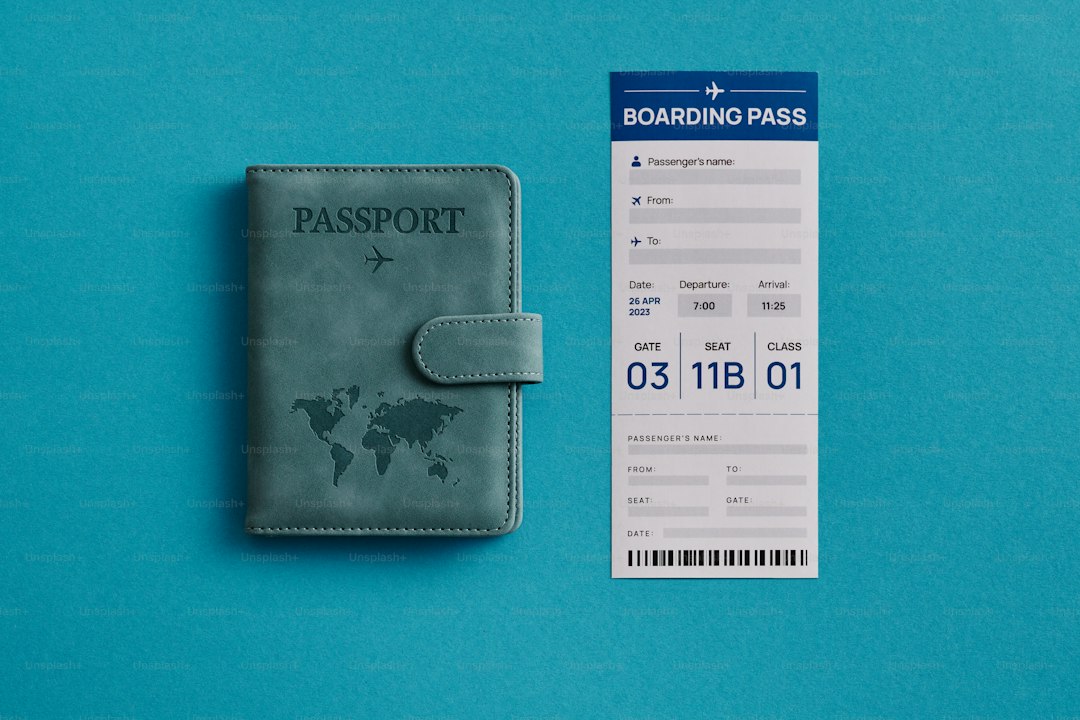
When you’re already navigating the emotional weight of an emergency, the last thing you need is a bureaucratic wall at the check-in counter. Let’s be clear: when airlines ask for documentation, they aren't just checking a box, they're running a rigid verification process that often relies on third-party services. You might assume a simple obituary notice is enough, but airlines almost universally reject these as informal. Instead, they demand concrete proof like an official death certificate or a letter from a funeral director that features a clear registrar’s signature or a verifiable business tax ID. If you're traveling internationally, don't be surprised if they insist on a notarized, certified English translation of these documents, which is a hurdle that can easily add days to your timeline.
It’s also vital to realize that the carrier’s internal database matters more than you might think. Some airlines keep a curated list of recognized funeral homes, and if your provider isn’t in their system, you’ll be stuck in a manual review loop that can stretch the process by several business days. Even if you get an initial approval over the phone, always carry the original hard copies with you to the airport; agents have the final say and may demand to see the physical paperwork before honoring any fare adjustment. And here’s a detail most people miss: if you’re flying on a codeshare, the rules of the airline actually operating the flight—not the one you booked through—are the ones that dictate your requirements.
Think about it this way, you're essentially dealing with sensitive data that most airlines refuse to handle via standard email for security reasons. They’ll likely push you toward a secure portal or, in some frustrating cases, a fax machine. I’ve seen travelers get caught in a loop because they uploaded a digital scan that lacked the official seal, causing an automatic rejection by the verification software. If you're coordinating the transport of remains, keep in mind that you'll need the transit permit itself, as that’s the only document that truly satisfies their safety protocols. It’s a lot to manage, but knowing exactly what they’re looking for—and what they’ll immediately flag—can save you from being stranded at the gate when you need to be somewhere else entirely.
Beyond Bereavement Fares: Leveraging Credit Card Insurance for Last-Minute Trips
Let’s be real for a second: when you’re dealing with the loss of a family member, the last thing you want is to be trapped on a hold line trying to convince an airline agent that your situation qualifies for a discount. Most people instinctively hunt for bereavement fares, but if you look at the fine print, those programs are often just a relic of a different era. Instead of relying on these restrictive, discretionary airline policies, you might find much better protection tucked away inside the premium credit card already sitting in your wallet. Many high-end travel cards include built-in trip interruption insurance that legally recognizes the death of an immediate family member as a valid reason for reimbursement.
This isn't just about getting a few dollars back on a flight; it’s about having a contractually enforceable safety net that covers non-refundable costs—sometimes up to several thousand dollars. Unlike the rigid, manual processes at airline call centers, credit card insurance claims are usually handled through standardized digital portals that don't shut down on weekends or holidays. Plus, these policies often cover the entire trip, including connecting flights or multi-leg itineraries that airline bereavement desks would flat-out ignore. You’re also not forced to jump through the same hoops regarding funeral home verification, as insurance administrators typically just require an obituary or a death certificate to move things forward.
Perhaps the biggest advantage here is the timing, because while airline bereavement fares usually demand immediate action, many insurance claims allow you a 60- to 90-day window to file. This gives you the space to actually handle the funeral arrangements before you have to worry about the administrative paperwork. Just remember that for these protections to trigger, you almost always need to have charged the original travel expenses to the specific card that carries the benefit. It’s also worth noting that some premium cards go beyond just covering the ticket, offering emergency assistance services that can help manage logistics when you’re feeling overwhelmed. Before you spend another minute trying to qualify for a discount that might not even save you money, check your credit card’s benefits guide to see what coverage you’re already entitled to.
Strategic Alternatives for Booking Affordable Emergency Airfare

Following the abrupt shutdown of Spirit Airlines in early 2026, many major U.S. carriers instituted emergency fare caps for stranded passengers, creating an unprecedented, temporary alternative to traditional bereavement pricing structures. You should monitor government-mandated or carrier-specific rescue fare programs during these industry-wide disruptions, as they frequently bypass the restrictive eligibility requirements of standard compassionate fare policies. Given the current volatility in global aviation, record fuel surcharges as of April 2026 mean that even discounted emergency fares may be significantly higher than standard tickets booked well in advance. Because major legacy airlines are increasingly consolidating routes and cutting capacity, you should prioritize multi-modal search engines that include regional carriers, which are often overlooked during standard bereavement fare searches.
Many airlines now utilize automated verification software that rejects digital documents missing specific government-issued seals, making the physical printing of official death certificates more important than ever. I’ve found that strategic travelers can exploit the 30-day retroactive refund window by booking the cheapest available fare immediately and gathering the necessary documentation afterward, provided the fare class purchased allows for subsequent adjustments. Premium credit cards have significantly expanded their trip interruption definitions as of May 2026, often covering unforeseen logistical expenses related to a family death that airlines explicitly exclude from their own policies. If you're flying on complex international itineraries, be aware that codeshare partners rarely share bereavement fare databases, meaning a discount honored by one airline will not automatically apply to the connection operated by a partner.
Funeral homes that maintain a pre-established electronic verification relationship with major airlines can facilitate near-instant fare adjustments, eliminating the multi-day manual review cycle common for smaller or non-network providers. When searching for emergency airfare, check if your destination airport is currently subject to government-subsidized emergency rescue rates, which have become a more common policy tool for regulators following the 2026 industry consolidation. Always request an invoice from the funeral director that lists a verifiable business tax ID, as this specific piece of data is the most reliable way to expedite the manual verification process with airline third-party service providers. In the current climate of reduced flight frequencies, securing a temporary flight hold through an airline's loyalty desk can be more effective for you than attempting to negotiate a bereavement discount on an open, un-held seat.
Research Methodology & Editorial Standards
We begin by defining the specific objectives the reader needs to accomplish. Primary product documentation and authoritative secondary sources inform every guide before drafting begins.
Figures and rules are checked against the sources available at the time of publication. Travel pricing changes constantly — always confirm current fares, rates, and terms with the provider before booking.