
Uzbekistan aviation market set to expand as Centrum Air and My Freighter target 100 jets
When you look at the aviation map, it’s rare to see a startup aim for the kind of scale that Centrum Air and its cargo arm, My Freighter, are telegraphing right now.

The Rise of Uzbekistan’s Aviation Sector: An Overview
Let’s be honest, watching a country’s aviation sector shift from a quiet regional player to a potential transit powerhouse is pretty fascinating. You’re seeing Uzbekistan move fast, and it’s not just about adding a few new planes to the tarmac; it’s about rebuilding the entire plumbing of their travel industry. When I look at the recent decision to host a permanent IATA office in Tashkent, it’s clear they aren't just dipping their toes in—they’re aiming to become the go-to regional hub for Central Asia. By launching the Billing and Settlement Plan, they’re finally cutting through the administrative red tape that used to make life difficult for international airlines and local travel agents alike. It really changes the game, making it much easier for global carriers to connect with the local market without getting bogged down in complex financial reporting.
If you think about it, the timing is perfect because the country is sitting on some serious geography. They are perfectly positioned to act as a bridge for logistics flows between Asia and Europe, which is why we’re seeing such a heavy focus on cargo-ready infrastructure. It’s not just about moving people; it’s about moving high-value goods faster and cheaper. They’ve been pairing these physical upgrades with real, tangible regulatory reforms—like the move toward open skies—that actually make sense for investors. It’s the kind of structural change that makes a country look a lot more attractive to big airline groups that were previously sitting on the fence.
And honestly, seeing the shift toward modernizing airport tech and standardizing safety protocols is where you really start to see the long-term potential. They’re investing in training for pilots and ground crews to match global benchmarks, which is the kind of boring-but-necessary work that actually prevents accidents and keeps flights on time. By lowering the cost of trade and opening up new routes to neighboring countries, they’re essentially trying to wire the nation into the global economy. It’s a bold gamble to diversify away from traditional commodities, but if they pull off this scale-up, we’re looking at a completely different landscape for travelers and businesses in the region.
Centrum Air and My Freighter: Vision for a 100-Jet Fleet
When you look at the aviation map, it’s rare to see a startup aim for the kind of scale that Centrum Air and its cargo arm, My Freighter, are telegraphing right now. They aren't just talking about adding a few regional workhorses to the fleet; they’re effectively betting the house on a 100-jet strategy that would reshape how Central Asia connects to the rest of the world. I find it fascinating because they’re playing a dual-track game—keeping the specialized cargo operations of My Freighter distinct from the passenger side of Centrum Air, all while using a shared technical backbone to keep things running efficiently. It’s a lean way to build an airline group, and frankly, it’s the only way to move this fast without burning through capital on redundant systems.
Here’s where the math starts to get interesting: they’ve already moved from an initial goal of 30 to 50 planes up to that massive 100-jet target, and they’re backing it up with high-profile moves like securing two Airbus A321neos from AerCap. You have to appreciate that choice, too; the A321neo is basically the gold standard for mid-range efficiency, giving them the legs to reach into Europe and deep into Asia without the massive overhead of wide-body jets. By focusing on these fuel-sipping, narrow-body workhorses, they’re positioning themselves to hit high flight-cycle counts, which is exactly how you keep the maintenance costs down and the profitability up in such a competitive market. It’s not just about the planes, though—securing those international operating certificates is the real key to actually using them to unlock new, profitable routes.
But let’s be real for a second: scaling that quickly is never easy, and they’re going to be under a microscope as they try to ramp up this aggressively in a region that hasn’t historically seen this kind of growth. When you’re dealing with global lessors like AerCap, you have to prove you can maintain international safety and financial standards at a massive scale, and that’s a different beast than running a small regional outfit. Still, if they can manage the logistics of integrating these jets without hitting the kind of supply chain snags we’ve seen elsewhere, they’re effectively creating a new logistics corridor that’s going to make a lot of other carriers sit up and take notice. It’s a bold, high-stakes move, and honestly, I’m just curious to see if they can maintain this velocity as they move past the early-stage hype and into the reality of 100-plane operations.
Strategic Fleet Expansion and Airbus Leasing Agreements
When you look at the aggressive growth plans of carriers like Centrum Air and My Freighter, it’s easy to get distracted by the raw number of jets. But if you really want to understand how they’re going to pull this off, you have to look at the mechanics of the leasing agreements they’re signing. Modern aircraft leasing isn't just renting a plane; it’s a sophisticated financial lever that lets a growing airline control assets without sinking all their cash into outright purchases. By using sale-leaseback deals, these airlines can free up the liquidity they need for that massive 100-jet target, which is honestly the only way to scale this fast in a competitive market.
Right now, the industry is leaning heavily into ACMI wet leases, which is a smart, tactical move. Think of it as a plug-and-play solution; you’re basically renting the aircraft, the crew, the maintenance, and the insurance all in one go. It lets a carrier bypass the two-year grind of pilot training and certification, allowing them to capture that 2026 summer peak demand almost immediately. Plus, when you look at the A321neo platforms being brought in, you’re seeing a shift toward high-efficiency narrow-bodies that hit that perfect sweet spot for range and fuel burn. It’s a calculated bet that keeps their operational costs lean while they build out the routes.
What’s even more interesting is how these contracts are being structured to mitigate risk on both sides. Many of these newer agreements include Power-by-the-Hour maintenance, which effectively shifts the financial headache of engine overhauls away from the airline and onto the lessor. It’s a huge relief for a growing company because it turns a lumpy, unpredictable expense into a manageable, predictable cost. And with the option for swap clauses—where they can trade narrow-body leases for larger A330-900neo units if their long-haul demand spikes—they’ve built in the kind of flexibility that keeps them from being locked into a fleet strategy that might not fit their needs in three years. It’s a sophisticated, high-stakes game of chess, and they seem to be playing it exactly by the book.
Enhancing Connectivity Across Central Asia and Beyond
When we step back to look at the big picture, it’s clear that Central Asia is no longer just a collection of landlocked states; it’s aggressively transforming into a vital land-linked hub for global transit. I’ve been tracking how the region is moving from isolated pockets of infrastructure to a connected, multimodal network, and the shift is honestly pretty striking. Organizations like the European Bank for Reconstruction and Development are funneling capital into projects that don't just build runways, but integrate aviation with rail and road systems to cut down transit times between Asian and European markets. If you’re wondering why this matters, think of it as Uzbekistan and its neighbors finally capitalizing on their geographic location to move high-value goods and travelers more efficiently than ever before.
And it’s not just about moving freight; we’re seeing a real push to modernize the passenger experience through strategic partnerships, like the recent codeshare between Etihad Airways and Uzbekistan Airways. These moves are essentially dusting off the old Silk Road corridors, but this time they’re backed by digital customs systems that allow for real-time tracking of cargo across borders. I find the diplomatic side of this just as interesting, as countries like China are using visa facilitation to bridge cultural gaps, which further drives the demand for reliable regional air travel. It’s a classic case of infrastructure meeting policy, and when you combine that with the urgent need to standardize logistical protocols to stay competitive with routes like the China-Pakistan Economic Corridor, you get a much clearer picture of why this growth is accelerating right now.
But let’s be honest about the challenges here, because building this kind of network isn't just about throwing money at new tarmac. A huge part of this transition involves upgrading navigational systems to handle the surge in transcontinental flights that are opting for these paths over restricted northern airspace. On top of that, airports are being forced to integrate renewable energy into their utility grids just to qualify for international funding, which really shows how high the bar has been set for sustainability in these new projects. They’re also pushing into specialized cold-chain logistics to help local farmers tap into global export markets, which is the kind of practical, grounded utility that actually makes a real difference for the local economy. It’s a massive logistical puzzle, but if they keep harmonizing their regulations, they’re going to make inter-country travel significantly cheaper and more accessible for everyone involved.
Economic Implications of a Growing Uzbekistan Air Market
When we start looking at the numbers behind this, it becomes clear that Uzbekistan isn't just building an airline; they’re trying to build an entire economic engine. The government’s move to push a $604 million investment fund through a dual IPO in Tashkent and London is a big deal because it signals they’re moving toward a hybrid ownership model, which is usually exactly what you need to attract the kind of serious global capital required for a 100-jet fleet. But it’s not just about the money moving through the markets. They’re using air exports as a tactical lever to keep national inflation pinned around that 6.5 percent mark, which is a surprisingly sophisticated way to manage macro-economic stability through trade.
Think about it this way: by positioning themselves as the go-to node in the Middle Corridor, they are essentially betting that they can bypass the congestion of traditional northern land routes to move high-value goods between Asia and Europe faster than anyone else. It’s a smart play, especially when you factor in the massive shift toward cold-chain logistics to export processed perishables rather than just raw commodities. The influence of Chinese investment here is also undeniable, as they’re clearly identifying the country as a vital logistics hub for the Belt and Road Initiative. And honestly, it’s refreshing to see them tying airport infrastructure projects to international renewable energy standards, as that’s increasingly becoming the "price of entry" for securing development capital from big global financial institutions.
Of course, none of this works if the planes are sitting on the ground or the logistics chain is broken, which is why the focus on modernizing navigation systems to capture transcontinental flights is so timely. As more traffic diverts away from restricted northern airspace, Uzbekistan is moving fast to harmonize their customs data and streamline real-time cargo tracking, which hits the bottom line by stripping out those annoying administrative costs that usually kill regional trade. When you pair that with visa facilitation programs that keep passenger load factors high and use their own gold and oil reserves as a hedge against fuel price volatility, you start to see a very clear strategy. They’re effectively building a safety net that protects their rapid growth from the usual regional shocks, and I’m genuinely curious to see if this level of coordination keeps paying off as they hit their next phase of expansion.
Future Outlook: Overcoming Challenges in Regional Aviation Growth
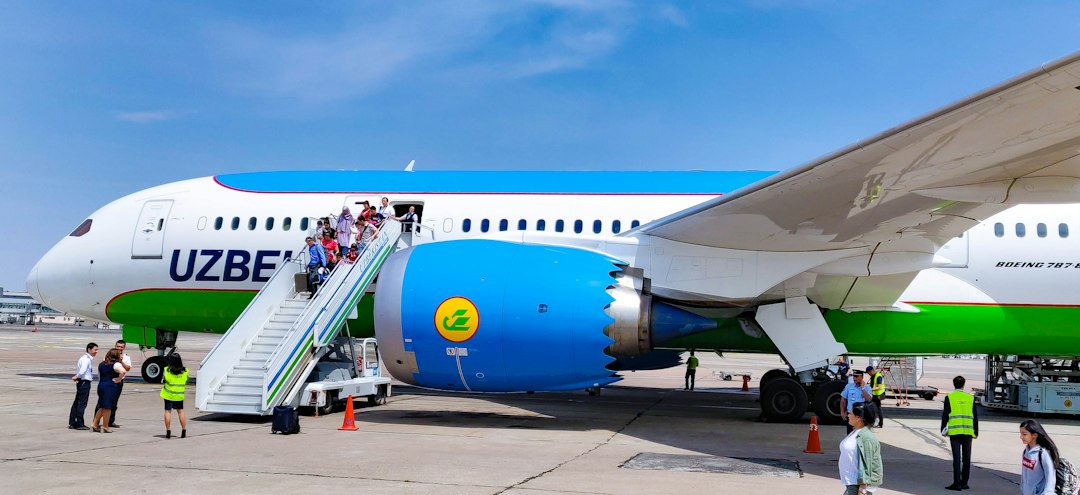
When we look at how Uzbekistan is scaling its aviation sector, it’s easy to focus on the flashy fleet announcements, but I think the real story is how they’re navigating the growing pains that come with such rapid expansion. Honestly, the biggest hurdle right now is the global supply chain, where those persistent bottlenecks for engine components mean shop visits are dragging on for nearly 250 days. To keep things moving, newer operators have had to pivot, effectively holding a 15% higher spare engine ratio than what we were seeing just a few years ago. It’s a massive capital commitment, but it’s the only way to avoid grounding half the fleet when a routine check turns into a months-long wait.
And we can’t talk about growth without mentioning the pressure to hit global environmental standards, which feels like a moving target for a region just getting up to speed. By mid-2026, we’re seeing mandates requiring even non-European hubs to maintain a 2% sustainable aviation fuel blend just to keep those premium landing slots in the West. On top of that, the costs are adding up, with the mandatory phase of international carbon offsetting programs now tacking on roughly $4.50 per passenger seat kilometer for longer routes. It’s a bit of a balancing act—they’re trying to modernize quickly while dealing with these added overheads that can really sting if your margins are already tight.
Still, there’s some genuinely clever engineering work happening on the ground to offset these costs and keep the network efficient. I’m really impressed by the move toward AI-driven flight operations in the Fergana Valley, which is already cutting fuel burn by about 8% just by cleaning up descent profiles in real-time. Even the older tech is getting a boost, with space-based surveillance finally filling in the massive gaps over the desert that used to be a total blind spot for air traffic control. It’s not always pretty, and the scramble to secure mid-life airframes—which have jumped 22% in value—shows just how hungry the market is for immediate capacity. But if they can keep up this pace of technical integration while managing the reality of these supply chain snags, they’re going to be in a much stronger position than most people expect.
Research Methodology & Editorial Standards
We begin by defining the specific objectives the reader needs to accomplish. Primary product documentation and authoritative secondary sources inform every guide before drafting begins.
Figures and rules are checked against the sources available at the time of publication. Travel pricing changes constantly — always confirm current fares, rates, and terms with the provider before booking.