
Discovering The Hidden Coastal Gems Of Cornwall Beyond The Tourist Trail
A lot of these spots, like Porthbeor with its narrow path carved into the shale, are effectively cut off from the main coastal trail once the tide comes in, so you’re basically on your own once you arrive.
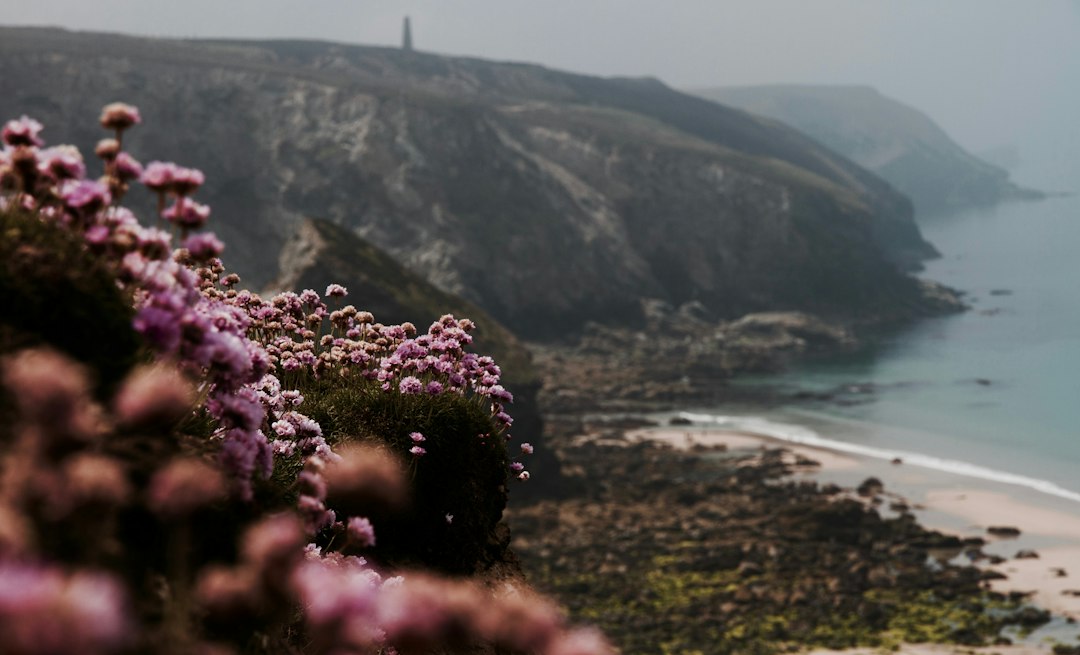
Secret Sands: Uncovering the Secluded Coves of the Roseland Peninsula
If you’ve ever found yourself fighting crowds on a Cornish beach and wishing for a bit of silence, you know that the Roseland Peninsula is a different beast entirely. We’re talking about a place where the geology does the gatekeeping for you, thanks to those steep, crumbling Devonian slate cliffs that make getting to the water a real workout. These pocket beaches are formed by headlands that trap sediment, creating these little sheltered pockets that the prevailing south-westerly swells can’t quite reach. It’s wild to think that while everyone else is fighting for space on the sand, you could be sitting in a cove where the sediment is actually made of coarse shell fragments, settled there because the water energy is just too low to drag it away.
But here’s the catch—you have to respect the tide charts if you’re actually planning to head down there. A lot of these spots, like Porthbeor with its narrow path carved into the shale, are effectively cut off from the main coastal trail once the tide comes in, so you’re basically on your own once you arrive. The National Trust is constantly fixing those access paths because the cliff recession is moving fast, which really shows you how temporary these little havens are. And honestly, it’s worth the effort for the water alone, which can be a degree and a half warmer than the open ocean in late summer because it’s so shallow and tucked away from the main currents.
You’ll notice the difference the moment you get down there, especially if you’re into the wildlife. Because the peninsula acts as a hydrodynamic barrier against those big North Atlantic currents, you’re dealing with a lot less plastic trash and a much healthier intertidal zone than you’d see on the north coast. You’ve got these rare colonies of cup corals and fan worms thriving in the microclimates, and if you look closely at the cliff faces, you can even spot rare mineral veins exposed by the fault lines. It’s a bit of a trek, but standing there surrounded by sea squill and the history of old smuggling routes, you really start to see why this area is so strictly protected from any modern development. Just make sure you’re checking the local tide tables before you set out, or you’ll be spending your afternoon staring at the water from the top of the cliff instead of sitting right beside it.
The Wild North Coast: Exploring Untamed Cliffs and Sea Caves Near Boscastle
If you think you’ve seen the roughest parts of the Cornish coast, the area around Boscastle is going to completely shift your perspective. We aren’t talking about the gentle, sun-drenched coves of the south here; this is the Carboniferous Culm Measures, a brutal, folded landscape where the Atlantic doesn't just touch the land—it tries to dismantle it. The cliffs here are basically a masterclass in geology, showing off those intense chevron folds from the Variscan Orogeny that basically tell the story of a tectonic collision that happened millions of years ago. It’s wild to stand there and realize that the same force of nature that buckled these layers of sandstone and shale is still actively blasting away at them today. You can actually hear it happening if you catch the wind right, as the high-energy waves force air through narrow fissures to create natural blowholes that sound like the earth itself is breathing.
When you’re walking these paths, you’re looking at a different kind of marine mechanics than what you see elsewhere. Think about the Pentargon Waterfall, for instance, which doesn't just dump into a pool but plunges straight over a cliff into a tidal cave system. That whole area is defined by hydraulic action, where compressed air trapped in rock cracks literally shatters the cliff face during storms. It’s a violent, constant process that creates the deep-water channels offshore, which, interestingly enough, act as home to cold-water coral assemblages you’d rarely find at these depths. If you’re a diver or just a curious observer, you’ll notice how the kelp forests below act as essential nurseries for spider crabs and sea bass, thriving because the entire region is a designated Voluntary Marine Conservation Area. It’s a fragile, dense ecosystem that depends on those nutrient-rich upwellings that bring cold water to the surface and lure in basking sharks during the warmer months.
And then there is the town of Boscastle itself, which is actually a ria, or a drowned river valley created when sea levels rose after the last glacial retreat. That unique geography is the only reason the harbor exists, as it provides a narrow, protected slice of safety against the relentless North Atlantic swell. But that same funnel-like orientation of the gorge has a darker side, as it’s historically created some intense, localized flash flooding when the weather decides to turn. You’ll see the plants here—like sea thrift and rock samphire—clinging to the cliffs in thin, salty soil, having evolved specifically to survive the spray that gets pushed hundreds of meters inland. It’s a raw, high-stakes environment where every rock formation and tide pool is part of a massive, ongoing experiment in coastal erosion. I’d suggest you take a moment to look closely at those exposed mineral veins on your next hike; they are the most honest record of the planet’s power you’ll ever find.
Beyond St Ives: Finding Solitude in the Hidden Harbors of West Penwith
If you’ve spent any time dodging the foot traffic in St Ives, you know that the quest for actual silence in West Penwith requires looking past the postcard views and into the geology itself. While the rest of Cornwall relies on softer, shifting sedimentary cliffs, West Penwith sits on a massive granite batholith that’s about 280 million years old, providing a stability that doesn't just hold the land together but creates the very harbors we’re looking for. You’ll notice these huge, rounded granite boulders called tors lining the shore, which act as natural, wave-dampening breakwaters that keep these hidden pockets incredibly calm. It’s a completely different mechanical experience than the high-energy erosion you see further north, and frankly, that granite thermal mass makes the water feel much more consistent if you’re brave enough for a swim.
The real secret, though, is in the way the water moves around these inlets. Because the Isles of Scilly act as a massive choke point for the incoming tide, the currents here can whip up to four knots, which sounds intense but actually keeps the water clarity surprisingly high by cycling sediment out of the harbors. You’ll see this reflected in the local marine life, like the rare maerl beds—those calcified seaweed colonies that act as carbon sinks—and the seagrass meadows that serve as nurseries for juvenile pollock. These are places where you can look down and see straight to the bottom, something you rarely get in the busier tourist hubs where agricultural runoff usually muddies the water. And if you’re geologically inclined, keep an eye on the harbor walls at low tide, as the cooling magma from millions of years ago left behind visible tourmaline and tin-bearing quartz veins that are pretty wild to see in person.
But beyond the science, there’s a human history here that feels almost tangible. These spots were once used as crying bays, where old fishing fleets relied on the specific acoustics of the dry-stone, mortar-free quay walls to signal scouts on land during the thick Cornish fogs. It’s haunting to think about, especially when you’re sitting there at night; because the peninsula faces west and lacks the light pollution of the bigger towns, it’s one of the darkest spots in the region. That absolute darkness is exactly why rare greater horseshoe bats use the cliff caves as summer roosts, and it’s the kind of quiet that lets you hear the water shifting against those ancient stones. Just make sure you’re checking the tides before you wander down into these inlets, as the geography is as protective as it is remote, and you don't want to get caught on the wrong side of a rising tide when the Atlantic decides to flex.
A Taste of Tradition: Where to Find Authentic Cornish Fare in Quiet Fishing Villages
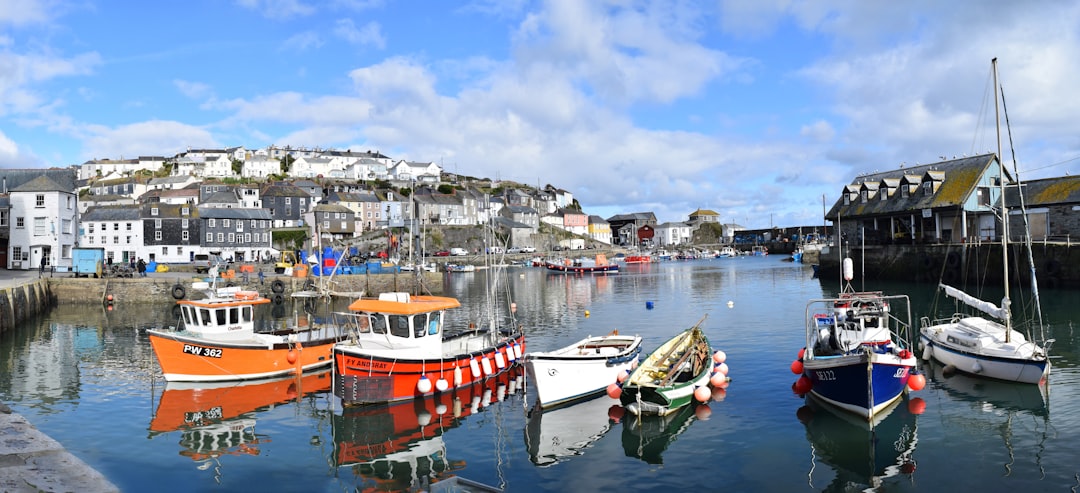
If you're hunting for a genuine slice of Cornwall beyond the usual tourist traps, you’ve got to look at the food as a map of the region’s history. It’s not just about grabbing a bite; it’s about understanding why specific ingredients—like the saffron in those iconic golden buns—have been part of the local fabric since the 14th century. When you’re sitting in a quiet fishing village, think about how that saffron, brought over by ancient traders, literally colored the local palate. It’s easy to overlook, but the way a Cornish pasty is crimped on the side isn't just for show; it’s a deliberate design choice for structural integrity, dating back to when miners needed a portable handle to keep their lunch free from mine-site contaminants.
When you’re ordering a cream tea, remember that the local way is to smear the clotted cream first, a method that actually serves a chemical purpose by letting the scone’s warmth soften the dairy lipids for a better mouthfeel. It’s a small detail, but it’s exactly what separates a generic cafe experience from the real deal. You’ll also find that tradition dictates specific, functional cooking methods, like the heads of sardines poking out of a stargazy pie to drain oils back into the dish, or the nettle-wrapped rind on Cornish Yarg that keeps it from drying out. These aren't just quirks; they’re survival strategies that turned into culinary staples.
And honestly, there’s something deeply grounding about eating a Hevva cake, knowing it was once baked to celebrate the sight of a pilchard shoal coming into the bay. Back then, those pilchards were the lifeblood of these villages, with every bit of the fish used for export or as fuel for lamps in those dark coastal cottages. You’ll even notice that flavor profiles in regional specialties like hogs pudding—packed with groats and seasoned with cumin—feel distinct from what you’d find inland, reflecting the influence of historical spice trade routes on these isolated harbors. So, when you find yourself in a tiny, quiet village, skip the polished storefronts and look for these markers of tradition; they’re the most honest way to connect with the coast’s real story.
Coastal Hikes for Solitude: Lesser-Known Stretches of the South West Coast Path
If you’re anything like me, the idea of the South West Coast Path often conjures images of crowded trailheads and busy summer hotspots, but the reality is that solitude is just a matter of knowing exactly where the geology shifts in your favor. Let’s look at why certain stretches offer a radically different experience, starting with the Lizard Peninsula; it’s not just a beautiful walk, but a rare ophiolite complex where 300-million-year-old oceanic crust creates a unique soil chemistry. This high-magnesium environment is the only place in the U.K. where you’ll find the Cornish Heath, a plant that thrives where others would simply wither. It’s a fascinating, quiet stretch where the ground beneath your feet is essentially a piece of the ancient seafloor thrust onto land, providing a stark contrast to the more common sedimentary paths you might be used to.
If you’re really chasing that sense of isolation, you have to consider the acoustic and environmental buffers that keep the crowds at bay. Take Mutton Cove near Godrevy, for example, where 70-meter cliffs act as a natural sound barrier, creating a sanctuary for up to 100 Atlantic grey seals during the winter months. It’s honestly one of the most peaceful, high-signal spots for observation because the landscape itself filters out the noise of the world. Then there’s the Helford River, where ancient oaks literally reach into the intertidal zone, forming a temperate rainforest that traps humidity and creates a microclimate you won’t find anywhere else. These are the kinds of places where the environmental conditions—whether it's the 80 percent humidity or the sheer lack of accessibility—do the heavy lifting for you.
And if you’re a fan of deep-time history, the coast between Looe and Polperro offers a look back at the Early Devonian period through the Looe Beds, where you can find fossils of ancient jawless fish that once swam in a tropical sea near the equator. It’s a bit mind-bending to trace those rocky formations while standing on what is now a cool, temperate shoreline. Further north, the air clarity near Bude is consistently high, thanks to a "clean air" corridor that sweeps across 3,000 miles of open ocean, often making Lundy Island visible 30 miles out. When you hit these lesser-traveled sections, you aren't just walking a path; you’re navigating an active, natural laboratory that remains blissfully undisturbed. Just remember to keep an eye on those tide tables at places like Whitsand Bay, because the geography here is as volatile as it is rewarding, and you don't want to get caught off guard when the sediment shifts.
Navigating the Narrow Lanes: Essential Tips for Reaching Cornwall’s Remote Shores
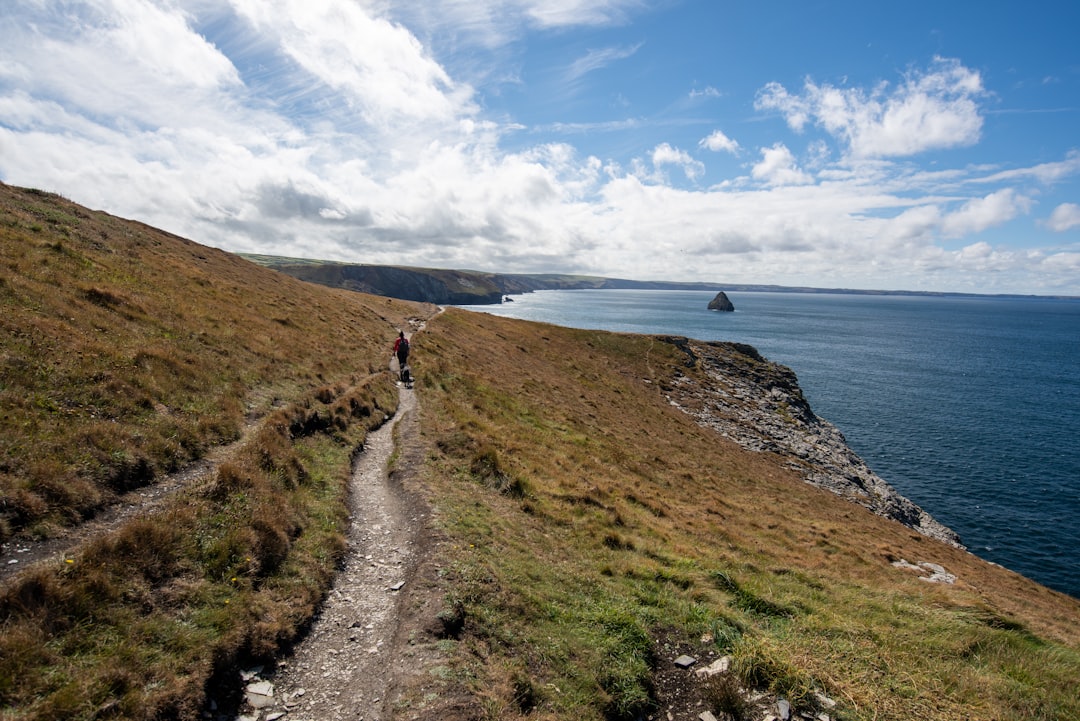
If you're planning to chase those remote shorelines, we need to talk about the physical reality of Cornish lanes, which are basically a relic of a pre-industrial logistics network. Most of these "unclassified county roads" were literally built for horse-drawn carts, meaning you're working with widths often under 2.5 meters. Think about that for a second—your modern SUV or campervan is pushing the absolute limit of the tarmac before you even factor in the hedge banks. These banks aren't just overgrown fences; they're ancient earth walls reinforced by centuries-old root systems that act as a natural shock absorber, but they're unforgiving if you scrape them. I've seen way too many travelers treat these like standard country roads, only to realize that the "verge" is actually soft, saturated soil that’ll bog your wheels down the moment you try to give an inch to oncoming traffic.
The real test of your nerves comes down to the "reversing etiquette," and honestly, it’s a social contract you can’t afford to break. The rule is simple: whoever is closest to a passing place yields, even if that means reversing 100 yards uphill around a blind bend. Here's what I mean by high-stakes driving—many of these routes follow "holloways," where centuries of erosion have sunk the road surface below the level of the surrounding fields. It creates this beautiful but terrifying natural tunnel that completely kills your line of sight. You’re essentially driving in a trench, and when you combine that with the Variscan fold orientation of the land—which produces these brutal 90-degree bends—you’re looking at a geometry that was never meant for 21st-century wheelbases.
Then you have the hidden technical hurdles that your sat nav definitely won't mention. For example, local authorities often skip the reflective markers or "cat’s eyes" to protect the flight paths of Greater Horseshoe bats, making night driving a total guessing game. You also have to consider the structural integrity of the bridges; many of these stone arches date back to the 1700s and have a weight capacity that wasn't designed for a fully-loaded 3.5-ton van. I’ve noticed that during a heavy Cornish downpour, the drainage ditches hit capacity almost instantly, leading to mud-slicked "aquaplaning" zones that can make a 10% incline feel like an ice rink. It’s why the average speed on these lanes tops out at about 15 miles per hour during the peak season—anything faster is just asking for a collision or a mechanical failure.
So, here’s my take: if you’re serious about reaching the quietest spots, ditch the "shortest route" setting on Google Maps and prioritize lanes designated as cycle-friendly. These are statistically more likely to have seen some level of reinforcement or widening to handle mixed traffic. Don't trust the estimated arrival times either, because a single tractor encounter can turn a ten-minute hop into a forty-minute stalemate. It’s a bit of a trade-off—you get the solitude of the remote coast, but you pay for it with the technical mental load of navigating a road system that hasn't changed much since the 18th century. Just take it slow, keep your eyes on the hedge banks, and remember that in Cornwall, the longest way around is often the only way you’ll actually get there in one piece.
Research Methodology & Editorial Standards
We begin by defining the specific objectives the reader needs to accomplish. Primary product documentation and authoritative secondary sources inform every guide before drafting begins.
Figures and rules are checked against the sources available at the time of publication. Travel pricing changes constantly — always confirm current fares, rates, and terms with the provider before booking.