
Discover the most stunning new hotels in Europe according to Prix Versailles experts
They’ll send technical experts on-site to verify if those green claims actually hold up against real energy performance data, which honestly keeps developers on their toes.
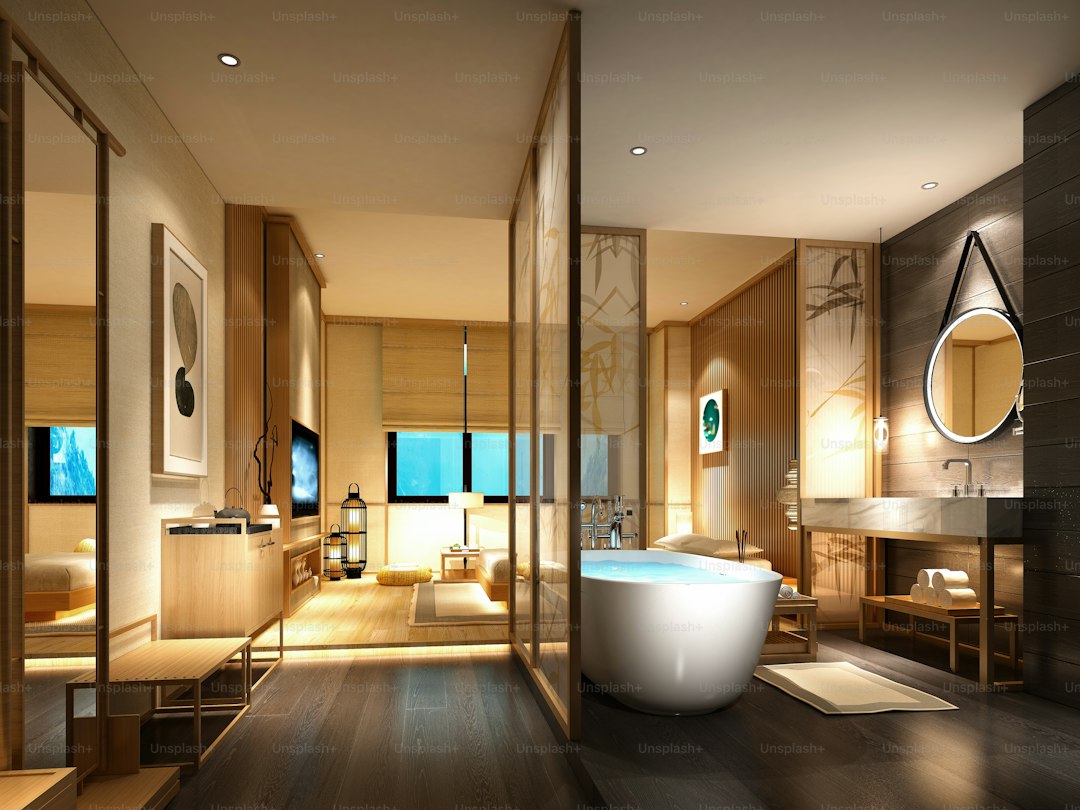
The Prestige of Prix Versailles: Celebrating Architectural Excellence in Hospitality
You know that feeling when you walk into a hotel lobby and it just clicks? It’s not just about the fancy marble or the thread count of the sheets; it’s about how the space makes you feel like you’ve actually arrived somewhere specific. That’s exactly what the Prix Versailles is hunting for. Unlike most design awards that just look for the prettiest photo for a magazine, this group is officially recognized by UNESCO to bridge the gap between keeping our cultural history alive and pushing boundaries with new building tech. They’re basically the gold standard for anyone who cares about why a building matters beyond its Instagram appeal.
When you look at how they judge these properties, it’s refreshing to see they don’t just care about aesthetics. They’re actually obsessed with how a project handles sustainability, often favoring the restoration of old, historic buildings over tearing things down to build new. They’ll send technical experts on-site to verify if those green claims actually hold up against real energy performance data, which honestly keeps developers on their toes. It’s not just talk; they’re looking for site-specific thermal regulation and how well a structure fits into the local environment without turning it into a carbon-heavy eyesore.
I think what really sets them apart is their push against that boring, homogenized look you see at so many cookie-cutter luxury chains. They want developers to weave indigenous motifs into modern frameworks, essentially forcing high-end hospitality to respect the neighborhood it’s sitting in. It’s a pretty smart way to ensure that as you travel, you’re experiencing something that actually reflects its geographic and social context. If you’re planning your next trip based on where to stay, checking who won these awards is a solid way to know you’re picking a place that’s as responsible as it is beautiful.
London’s New Landmarks: The Peninsula and Raffles at The OWO
If you’ve been tracking the evolution of London’s hospitality scene, you know that the recent arrivals of The Peninsula and Raffles at The OWO aren’t just new hotel openings; they’re massive, billion-pound statements on how we handle heritage. I’ve been looking closely at how these two properties manage to occupy such iconic footprints while fundamentally changing the guest experience. At The OWO, you’re essentially stepping into a piece of history where 2.5 miles of corridors were painstakingly restored, and the Spy Bar sits right in a room once used for actual MI5 interrogations. It’s a wild contrast to The Peninsula, which feels like a masterclass in modern, sound-engineered serenity just steps from the chaotic roar of Hyde Park Corner.
The architectural rigor here is honestly hard to overstate. While The OWO relies on a staggering 25,000 tons of Portland stone to maintain its Edwardian Baroque authority, The Peninsula leans into a more controlled, almost clinical level of luxury, using triple-glazed windows to keep guest room noise down to a whisper-quiet 35 decibels. I find the design choices fascinating; one is rooted in the gritty, covert history of Ian Fleming’s desk, while the other is built around a central courtyard anchored by 120-year-old Japanese maples. It’s a choice between staying in a place that feels like it’s holding its breath with secrets or one that feels like a perfectly tuned engine designed to insulate you from the city entirely.
When you look at the finer details, the divergence in their luxury philosophy becomes even clearer. The Peninsula has gone all-in on a fleet of 13 bespoke hybrid Bentaygas and a rooftop view that offers a rare, direct look into the private gardens of Buckingham Palace, prioritizing a seamless, high-tech flow. In contrast, Raffles leans into the weight of its past, with a grand staircase carved from 56 tonnes of marble serving as the literal axis for its 120 rooms. You’re choosing between the sheer performance of modern engineering or the heavy, tangible presence of history. I’m curious to see how these two titans continue to shape the neighborhood, but for now, they’ve set a bar for restoration and service that I’m not sure anyone else in the city can match.
Roman Splendor: The Award-Winning Bulgari Hotel Roma
I've been looking at how luxury hotels reconcile Fascist-era Rationalism with modern hospitality, and honestly, the Bulgari Hotel Roma is the most successful case study I've seen yet. It’s housed in this massive travertine block designed by Vittorio Ballio Morpurgo between 1936 and 1938, which originally served as a social security office. You might think that kind of austere, geometric architecture would feel cold, but the way they’ve preserved the Ferruccio Ferrazzi mosaic frieze on the exterior—depicting Rome’s founding myths—actually creates this beautiful tension between mid-century politics and ancient identity. It’s located in the Campo Marzio district, which matters because you're literally standing over what was a major religious and administrative nerve center during the Augustan age.
But let's talk about the marble, because that’s where the engineering and design really collide. They didn't just pick pretty stone; the team sourced four specific types—Pavarazzetto, Giallo Antico, Breccia Corallina, and Afyon—to directly mirror the material palette used in Imperial Rome. I find it incredible that they managed to secure five original antique statues from the Torlonia collection for the lobby, which isn't just decoration; it’s a direct dialogue with antiquity that most hotels would just try to fake with resin replicas. Even the lighting is hyper-specific, calibrated to a low-Kelvin temperature specifically to make the silk wall coverings pop and reveal the depth of the marble veining. Think about it this way: the building is basically a time capsule of Rationalist design that’s been carefully cracked open and filled with the absolute best materials modern Italy can offer.
From a technical standpoint, the structural work here is actually more impressive than the aesthetics. To keep those massive masonry walls standing while meeting modern safety codes, engineers had to use advanced seismic retrofitting that reinforces the frame without touching the historical facade. They also integrated a high-efficiency HVAC system with heat recovery tech, which is a big win when you're dealing with the thermal mass of a building this heavy. Look at the furniture, too—each custom piece took up to 400 hours of manual labor to build. It’s that kind of obsessive attention to ergonomic standards and artisanal craft that separates a branded hotel from a true architectural landmark.
When you walk into the spa, it feels less like a hotel gym and more like a dream of a traditional Roman bathhouse, with these colossal marble columns surrounding a pool that feels almost sacred. I also spent some time looking through their library, which has over 500 volumes focused on Roman history and jewelry, and it’s clear they want you to understand the continuity of Italian craft. I’m not usually one for brand-heavy hotels, but here, the Bulgari name feels like a steward of the site's history rather than just a logo slapped on a door. You can tell they didn't just throw money at the project; they threw a lot of actual thought into how a building from the 1930s can still speak to us today. It’s a rare instance where the high-spend engineering actually pays off in a way that feels soulfully connected to the city's 2,000-year-old timeline.
Swiss Heritage Reimagined: Mandarin Oriental Savoy, Zurich
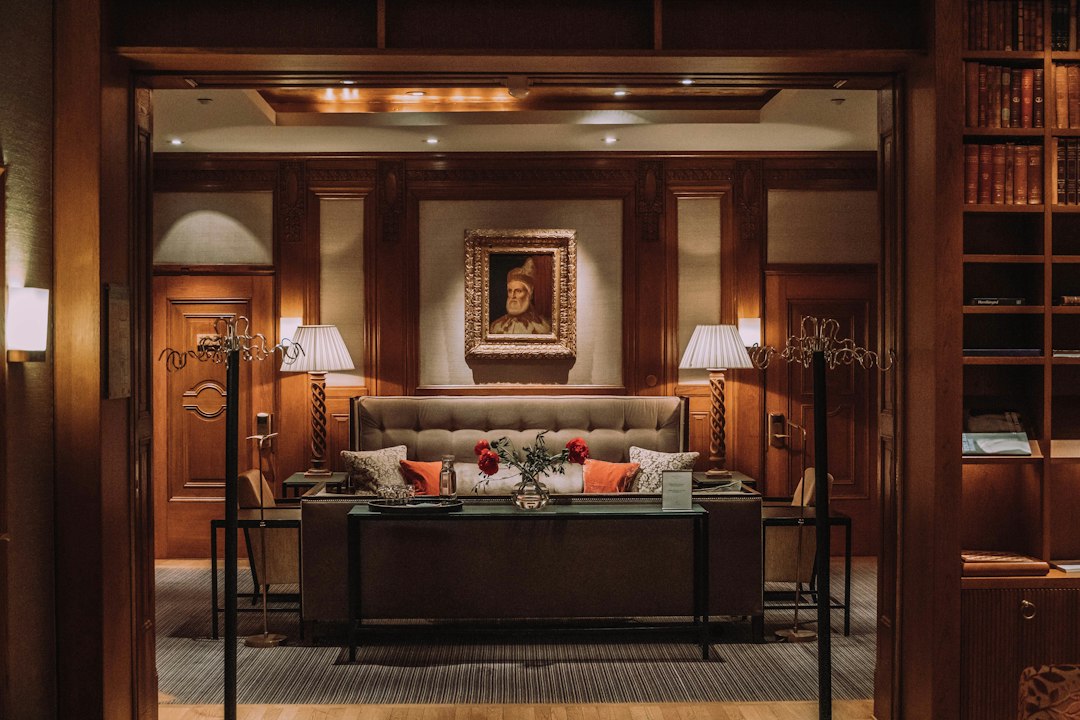
If you’ve spent any time walking through Zurich’s Paradeplatz, you know it feels less like a city square and more like the beating heart of global finance, which is exactly why the Mandarin Oriental Savoy feels like such a fascinating study in contrast. Stepping inside, you’re looking at a site that has been dedicated to hospitality since 1838, yet the recent multi-year overhaul manages to make the space feel entirely fresh without erasing its soul. I think what catches you first is the sheer discipline of the renovation; they didn’t just slap a new coat of paint on the place. Instead, they kept that iconic 1838 facade while completely reinforcing the structural bones beneath it, which is the kind of heavy-lifting engineering that usually stays hidden behind the walls.
It’s genuinely impressive how they’ve balanced the old and the new using a material palette that feels rooted in the region. By weaving Jura limestone and local oak into the lobby and guest rooms, they’ve managed to ground the luxury in something authentic rather than just importing generic, high-end tropes. I was particularly drawn to how they handled the Orsini staircase, which remains the hotel’s central artery; they stabilized it with modern tech that lets it meet today’s safety codes while keeping that original, sweeping grandeur intact. Even the smaller details, like the custom furniture designed to mimic the geometry of the windows, show a real intent to create a conversation between the interior and the streetscape outside.
What I find most refreshing is that they didn’t shy away from the technical challenges of an 1800s structure. They had to get creative with acoustic insulation between the floors to stop that classic historical-building sound bleed, and they tucked advanced climate control systems into the masonry without ruining the historic aesthetic. Plus, the way they’ve integrated energy-monitoring systems into every room proves that sustainability isn't just a buzzword here—it’s baked into the operational reality of the hotel. If you’re checking out the rooftop bar, you’ll notice the retractable glass canopy that keeps the building’s silhouette looking sharp from the ground, no matter the season. It’s a rare example of a property that respects its own history while clearly aiming to be a functional, modern piece of the city’s future.
Mediterranean Boutique Gems: Highlighting The Dolli and Vermelho Melides
I've been watching the shift toward ultra-boutique properties lately, and honestly, it’s a relief to see hotels that actually have a soul instead of just a high nightly rate. When we talk about Mediterranean gems, you really have to look at how The Dolli in Athens and Vermelho in Melides are rewriting the script on what luxury looks like right now. It’s not just about the linens anymore; it’s about whether a building actually respects its zip code. The Dolli, for instance, sits in this stunning 1925 mansion designed by Andreas Kriezis—the same architect who did the Greek Parliament—so you’re essentially sleeping inside a piece of national history. But what’s cool is that they didn’t turn it into a stiff museum. They’ve filled the place with authentic 18th-century antiques that you can actually touch and use, which is a bold move when most places would put that stuff behind plexiglass.
If you head up to the rooftop at The Dolli, you’ll see some seriously clever engineering with a cantilevered structural design that gives you these massive, unobstructed views of the Acropolis without adding any clunky weight to the skyline. I love that they went as far as sourcing custom textiles from regional looms to make sure the rooms feel anchored to the Peloponnese rather than just some generic mood board. Now, think about how that compares to what Christian Louboutin is doing over in Portugal at Vermelho Melides. It’s his first real foray into hospitality, and you can tell he’s obsessed with the local vibe. Instead of building something that looks like a spaceship landed in the Alentejo, he used handcrafted azulejos tiles for the facade and hired local stonemasons to keep these regional building techniques alive.
The structural side of Vermelho is actually quite brilliant because they used high-thermal-mass materials to naturally regulate the indoor temperature against that heavy Portuguese heat. It’s a smart, passive way to stay cool without relying on the AC all day, and it pairs perfectly with the Moorish-style central courtyard that keeps the air moving naturally. I’m also pretty impressed by their commitment to the local water table, using only drought-resistant native plants for the garden design, which is something more "luxury" spots should be doing in these dry coastal areas. Each of the thirteen rooms is a complete one-off, mixing vintage finds with Louboutin’s personal art collection, making it feel less like a hotel and more like staying at a very talented friend's country house.
Even the lighting at Vermelho is calibrated to mimic that specific golden hour glow you only get on the Alentejo coast, which shows a level of detail that’s honestly a bit wild but amazing to experience. You’re essentially choosing between the neoclassical, intellectual weight of Athens and the sensory, artisanal vibe of rural Portugal. Both properties prove that the best way to build something new is to actually listen to what the land and the history are trying to tell you. I think we’re seeing a real move away from luxury as a brand name and toward luxury as a form of cultural stewardship. It’s a win for anyone who wants their stay to feel like it actually belongs in the world.
How Prix Versailles Standards are Redefining the European Luxury Experience
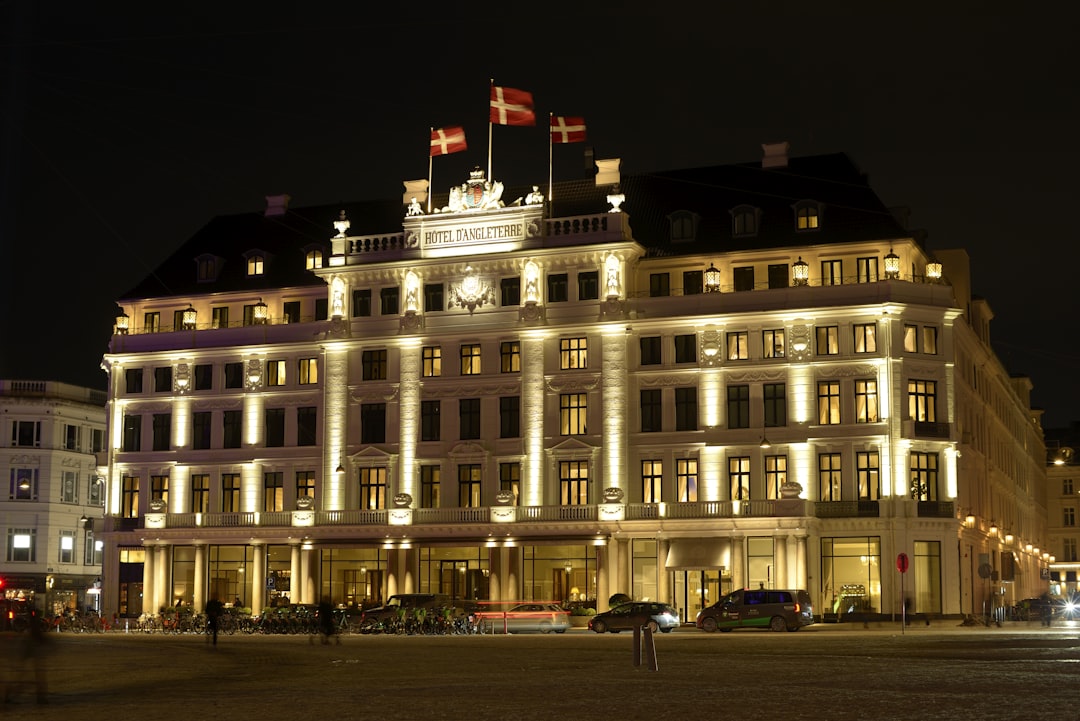
I’ve been tracking how the Prix Versailles criteria are quietly rewriting the rulebook for what we consider high-end hospitality, and honestly, the shift is more than just about pretty facades. It’s becoming less about raw opulence and more about a rigid, technical standard that forces developers to prove their environmental and cultural impact before they ever land on a shortlist. We are seeing a major push toward biophilic design that actually goes beyond just adding a few plants, with new mandates requiring measurable reductions in ambient noise by at least 15 percent in dense urban environments. It’s a smart move that prioritizes the guest’s physical well-being through engineered serenity, rather than just relying on thick carpets or heavy drapes to mask the city's roar.
Think about how these standards are forcing a fundamental change in how buildings are physically put together. Developers are now pushed to hit a target of 40 percent less embodied carbon by 2030, a goal that’s driving the adoption of low-carbon concrete and geothermal heat pumps over traditional, fossil-fuel-heavy HVAC systems. And it’s not just about what’s hidden behind the walls; there’s a new obsession with sourcing materials within a 200-kilometer radius to ensure that a hotel actually reflects its local geography rather than a globalized supply chain. I find it especially interesting how they’re requiring seismic retrofitting to be completely tucked away inside non-load-bearing walls to keep historical facades perfectly untouched, which honestly makes for a much more authentic guest experience.
The level of technical oversight is surprisingly high, too. Winners are now expected to maintain a water-neutral footprint through advanced graywater recycling that treats every drop of on-site wastewater, which is a massive leap forward for luxury properties that historically guzzled resources. You’ll also notice more smart-glass tech that tracks the sun in real time to adjust transparency, cutting cooling energy by about 25 percent annually, alongside circadian lighting that shifts color based on regional solar cycles to actually help you sleep. It’s clear that the days of just throwing money at a project to win an award are over. Now, you’ve got to earn it by proving you’re a steward of the site, often by turning old, forgotten industrial spaces into functional, living history. It’s a shift that turns a simple hotel stay into something much more grounded and, frankly, a lot more responsible.
Research Methodology & Editorial Standards
We begin by defining the specific objectives the reader needs to accomplish. Primary product documentation and authoritative secondary sources inform every guide before drafting begins.
Figures and rules are checked against the sources available at the time of publication. Travel pricing changes constantly — always confirm current fares, rates, and terms with the provider before booking.