
Discover the Most Breathtaking Waterfall Hikes at Iconic National Parks Around the World
When I think about iconic hikes, the Mist Trail in Yosemite is always the first one that comes to mind because it’s a perfect example of how human engineering meets raw, unbridled nature.
Yosemite’s Majestic Mist Trail: A California Icon
When I think about iconic hikes, the Mist Trail in Yosemite is always the first one that comes to mind because it’s a perfect example of how human engineering meets raw, unbridled nature. You start the trek at about 4,400 feet, and the reality of the trail hits you almost immediately when you encounter the Vernal Fall footbridge. From there, you’re looking at a climb that gains roughly 800 feet in just the first mile, much of it over 600 hand-cut granite steps originally set by the Sierra Club back in the early 20th century. It’s a steep, honest workout that reminds you exactly why the National Park Service classifies this as a strenuous route, despite it being shorter than many other regional trails.
The real magic, or the real challenge depending on your gear, happens when you reach the section where the mist hits. Because of the way the canyon is shaped, it acts like a venturi, funneling air and spraying water horizontally across the path. During peak runoff in May and June, the waterfall’s 317-foot drop atomizes the water so thoroughly that the trail becomes completely saturated. I’ve seen plenty of hikers underestimate this, but you’re essentially walking through a localized weather system where those granite stairs become incredibly slick. You need real, high-traction footwear here, not just whatever sneakers you pulled out of the closet.
What I find fascinating is the geology underneath your feet as you climb toward the upper reaches of Little Yosemite Valley. This path follows the Merced River, which has been carving into the Sierra Nevada bedrock for millions of years of glacial retreat. It’s humbling to stand on those stone stairs and realize the sheer volume of water—measured by the USGS in cubic feet per second—is the same force that shaped this entire landscape. While the trail is famous for the crowds, if you look closely, you can see how the park service continuously deploys specialized crews to maintain the stone integrity against both the thousands of visitors and the natural erosion from the river’s spray. If you’re planning a visit, try to time it for the shoulder seasons to avoid the bottleneck, but honestly, no matter how busy it gets, the sheer power of the falls makes the effort worthwhile.
Iguazu Falls: Navigating the Cascading Wonders of Brazil
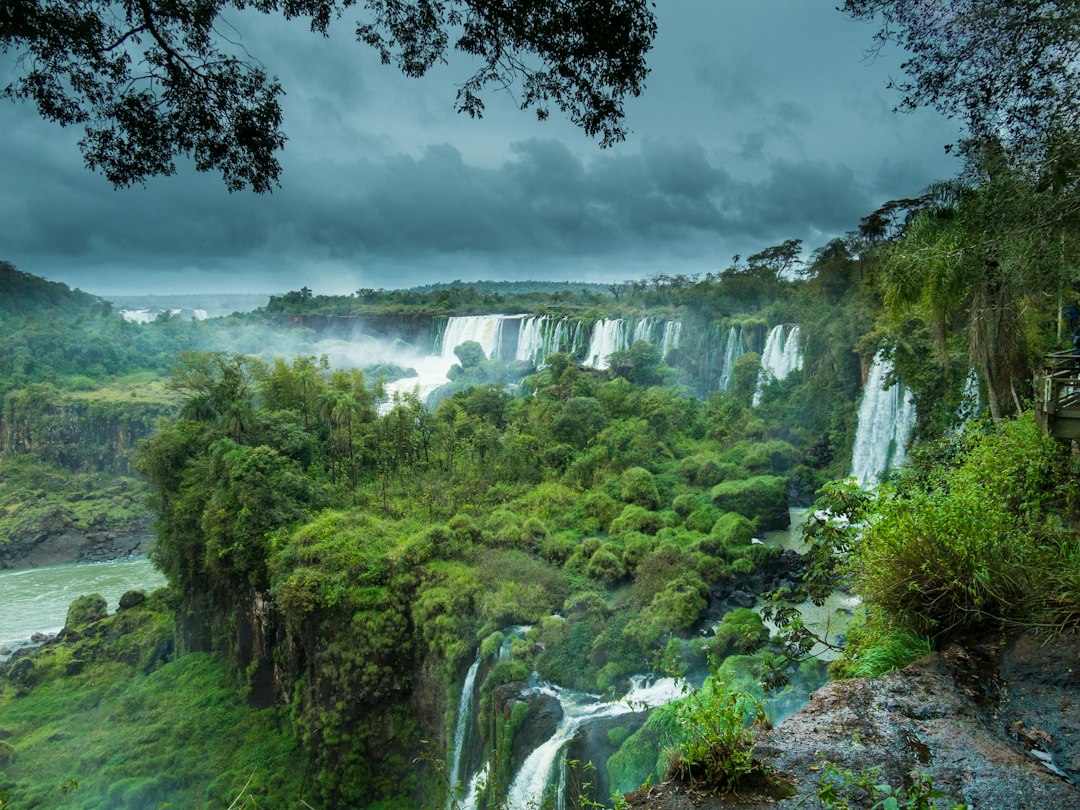
If you're looking at the raw data of global hydrology, nothing quite matches the sheer scale of Iguazu Falls. I've spent a lot of time looking at how water shapes our world, but seeing nearly 275 individual cascades spread across a massive basalt crescent really puts things in perspective. It’s not just one big drop; it’s a massive, shifting system that actually spans two countries, though the Brazilian side gives you that wide-angle, panoramic view that's hard to beat. You’re looking at a geological foundation that goes back 130 million years to the Cretaceous period, when massive volcanic floods created these specific layers of basaltic lava. But here’s the thing—unlike the glacial-fed falls you’ll find in the Rockies or the Alps, Iguazu is entirely dependent on its 1,300-kilometer river basin.
When you look at the flow rate, it’s honestly wild, peaking at around 6,500 cubic meters per second during the heavy rains. That kind of volume creates a sonic boom you can hear from 20 kilometers away if the wind is right. I find the erosion mechanics particularly interesting from an engineering standpoint. The river is basically eating the rock, causing the falls to retreat upstream by about one to three millimeters every year as the water carves out the softer sedimentary layers beneath the hard basalt. It’s a slow-motion collapse that’s been happening since before humans even existed, and it tells us a lot about how durable volcanic rock actually is when faced with constant hydraulic pressure.
Let's talk about the Devil’s Throat, or Garganta do Diablo, because that’s the real centerpiece of the whole system. It’s this massive, U-shaped chasm about 82 meters high, and the mist it kicks up is so dense it creates its own microclimate in the surrounding Atlantic Forest. This isn't just about pretty scenery; it’s a high-stakes ecological corridor for over 450 bird species and some of the world's rarest orchids. You'll notice the water isn't just "falling"—it’s aerating into these massive white foam patterns that are actually visible from satellite orbits. I've seen a lot of wonders, but the way the sediment load mixes with the turbulence here creates a visual texture you won't find anywhere else.
If you're planning to head down there, don't just think of it as a photo op. Think about the sheer physics of that much water hitting those pools below. It’s a reminder that nature doesn’t just exist; it’s constantly rebuilding itself through some pretty violent forces. Honestly, seeing that much power in person makes you realize how small our own infrastructure really is. It's the kind of place that stays with you, not because it's beautiful, but because it feels like you're witnessing the Earth still being formed in real time. Grab a good raincoat and just stand there for a minute—you'll see exactly what I mean.
Chasing Clouds at Victoria Falls: Africa’s Natural Spectacle
If you think you’ve seen a big waterfall, you need to recalibrate your expectations for Victoria Falls because nothing else on the planet operates on this sheer scale. Spanning a massive 1,708 meters, it holds the title for the largest curtain of falling water, but that statistic doesn’t quite capture the visceral reality of standing near the Zambezi River. The locals call it Mosi-oa-Tunya, or the Smoke that Thunders, and when you’re there, you understand why—the spray is so intense it rises 400 meters into the air and remains visible from 50 kilometers away. It’s not just a single drop; it’s a jagged series of eight distinct gorges carved into the earth over the last 100,000 years as the river steadily cut through deep fractures of basaltic lava.
Watching the water navigate this landscape is like witnessing a slow-motion geological war, with the Zambezi pulling from a massive 1.33 million square kilometer basin that stretches all the way into Angola and Namibia. During the peak months of May and June, you’re looking at over 500 million liters of water plummeting over the edge every single minute. This isn't just aesthetic; that constant, violent displacement creates a localized rainforest ecosystem that survives entirely on mist, completely independent of the standard rainfall in the surrounding dry savanna. I’ve always found it fascinating how that much humidity forces the local climate to act in defiance of its geography.
If you’re the type of traveler who likes to get close to the edge, you’ve probably heard of the Devil’s Pool, a natural rock formation right at the precipice of the 108-meter drop. It sounds like a death trap, but it’s actually protected by a submerged rock wall that keeps the current from pulling swimmers into the gorge. And if you time your trip perfectly during a full moon, you might even catch a glimpse of a lunar rainbow, or moonbow, created when the moonlight refracts through that relentless spray. It’s a harsh environment, though—the Victoria Falls Bridge, which has been standing since 1905, remains a nightmare for engineers to maintain because the constant wind gusts and hydraulic pressure are essentially trying to corrode the steel every second of the day.
Plitvice Lakes National Park: Exploring Croatia’s Turquoise Terraces
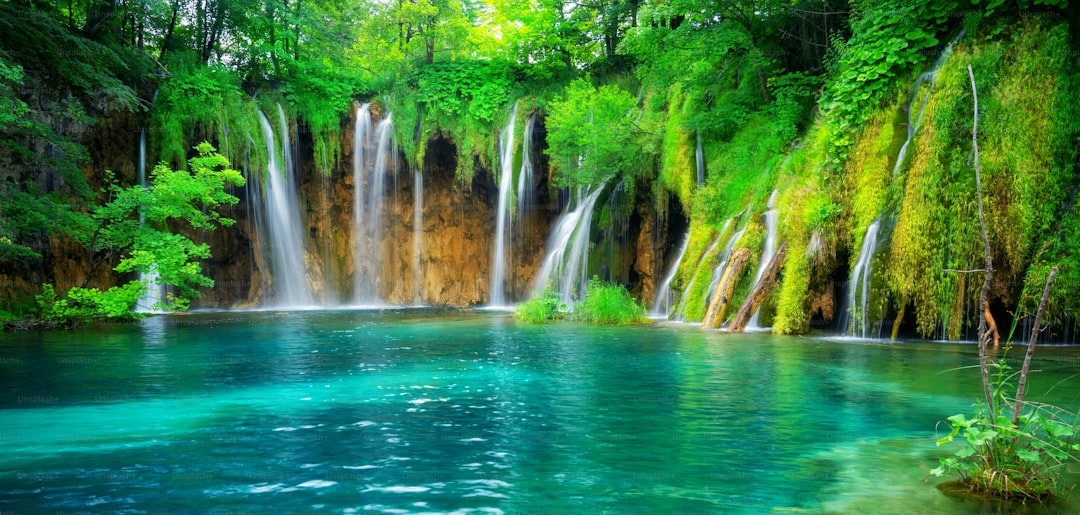
You know, when we talk about truly unique natural wonders, Plitvice Lakes National Park often flies a bit under the radar for some, but honestly, it shouldn't. I mean, it grabbed UNESCO World Heritage status back in '79 not just for its stunning looks, but for a geological process that's genuinely unlike anything else I've analyzed: the continuous, active formation of tufa barriers. It's this complex biochemical dance where specific algae, moss, and even bacteria are constantly precipitating calcium carbonate from the supersaturated water, literally building new waterfalls and terraces right before your eyes. Think about it, the landscape isn't static; these active formations can expand by up to a centimeter annually under ideal conditions, which is a pretty measurable rate of natural engineering, right?
Now, let's talk about the water itself because that's where the visual magic happens. We're looking at 16 interconnected lakes, cascaded in a way that drops a significant 133 meters from the highest point, Prošćansko Jezero at 636 meters, all the way down to Novakovića Brod at 503 meters. And those incredible turquoise, green, or even deep blue hues? That's not just a trick of the light; it's a direct result of the dissolved calcium carbonate, the water volume, lake depth, and even the precise angle of sunlight hitting the surface, which is a neat interplay of chemistry and optics, if you ask me. The whole system is primarily fed by the Black River and White River, which merge upstream to become the Korana, essentially acting as the park's lifeblood. It's also worth noting the thermal stratification you see in the deeper lakes during warmer months; surface temperatures can hit 24°C, but the layers below stay much colder, and that significant difference directly impacts oxygen levels and how aquatic life is distributed, something a lot of people don't consider.
Beyond the water, over 70% of the park's 296 square kilometers is covered in dense, ancient beech and fir forests, some of them truly primeval, and they're not just there for show; they're critical for regulating the hydrology and keeping that water so pristine. This whole park sits on a complex karst hydrogeological system, mostly dolomite and limestone, where subterranean rivers and caves are doing a lot of the heavy lifting in terms of water filtration, shaping that distinctive surface you see. And it fosters incredible biodiversity, with over 1,400 plant species and 321 butterfly species, many of which are endemic to these distinct microclimates. I find Veliki Slap, the Great Waterfall, particularly interesting because, at 78 meters, it's the park's tallest, but it's uniquely formed by the Plitvica stream, which actually isn't part of the main lake system until it joins the Korana River, setting it apart from those tufa-formed cascades. But here's the crucial part: to protect those incredibly fragile tufa barriers and maintain water purity, swimming has been strictly off-limits in all lakes since 2006, something I think is a clear indicator of how seriously they take conservation here, alongside all the rigorous rules for visitor pathways and wastewater, which is essential for preserving this truly dynamic, living landscape for the future.
Fiordland National Park: The Dramatic Waterfall Vistas of New Zealand
When we start looking at the sheer scale of Fiordland National Park, it’s easy to feel like you’ve been dropped onto a different planet entirely. Spanning over 1.2 million hectares, this is New Zealand’s largest wilderness, and honestly, the math behind its geography is just staggering. You’re dealing with an area that pulls in up to 7,000 millimeters of rain annually, which essentially acts as a massive engine for the thousands of waterfalls that suddenly appear on the cliff faces after a storm. While many of these are ephemeral—popping up during a heavy soak and vanishing just as fast—the permanent giants like Sutherland Falls are a completely different beast. With its 580-meter drop across three distinct leaps, it’s a global heavyweight that makes you realize just how small you are standing at the base.
The secret to this dramatic verticality is the relentless push and pull of tectonic uplift and glacial carving that has been happening for ages along the Alpine Fault. These deep, U-shaped valleys are essentially giant gutters that force water to plummet thousands of feet directly into the dark, deep fiords below. And here is where it gets really interesting from an ecological standpoint: that massive influx of freshwater creates a distinct layer that sits right on top of the saltier, denser seawater. It’s a unique stratification that filters the sunlight just enough to allow rare black coral to thrive in relatively shallow depths, which is something you typically wouldn’t see in the open ocean.
If you’re planning to visit, you have to keep in mind that the landscape is as volatile as it is beautiful. Because the weather is so dictated by high humidity and rapid shifts, those hiking trails can go from perfectly accessible to impassable in a heartbeat if the water levels rise. It’s not the kind of place where you just show up and wing it; you need to respect the fact that the environment here is actively being shaped in real time. My advice is to focus on the quieter, slower modes of exploration, like sailing the fiords, which lets you actually sit with the scale of those cliffs without the chaos of a crowded tour. It’s a raw, high-stakes ecosystem, but if you’re prepared for the rain, you’ll see exactly why this corner of the world remains one of the most untouched, powerful places left.
Expert Tips for Capturing and Hiking the World’s Greatest Waterfalls
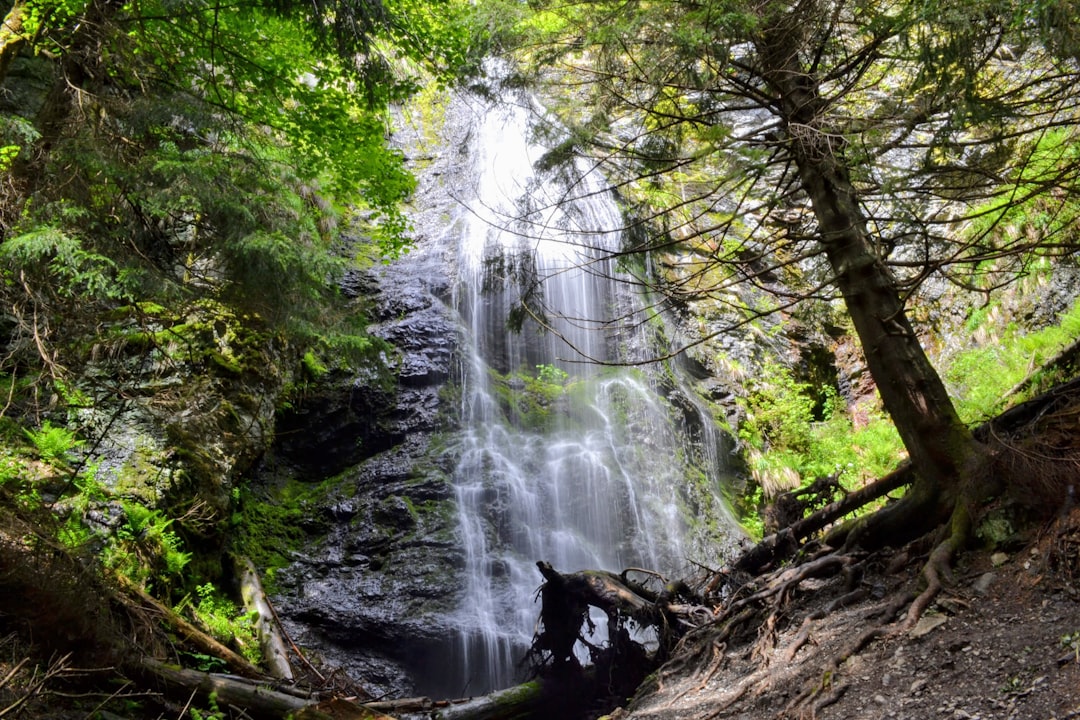
Capturing the raw power of a massive waterfall is as much a test of technical patience as it is a physical trek, and I’ve learned that the secret really comes down to how you manage the environment. You’re dealing with the Lenard effect here, where the intense splashing creates highly ionized air that, while refreshing, wreaks absolute havoc on sensitive camera gear. If you’re aiming for those signature silky, blurred water shots, you absolutely need a neutral density filter to act as sunglasses for your sensor, combined with a sturdy tripod to keep everything pin-sharp during those long, multi-second exposures. Don’t even think about skipping the tripod; the slightest vibration in a high-spray environment will turn your crisp, flowing water into a muddy, unusable mess.
The biggest mistake I see hikers make is underestimating how quickly moisture builds up on their equipment, which is why I never hit a trail without a dedicated, waterproof dry bag. Even if your camera has weather-sealing, that high-pressure mist is persistent enough to find the smallest gaps in your gaskets, so keeping your gear tucked away until you’re ready to shoot is a standard safety protocol for any serious lens. I also find that carrying a high-quality microfiber cloth is mandatory, because once that front lens element gets covered in tiny droplets, your contrast and clarity will drop off a cliff. For the best composition, try to time your arrival for the golden hour, as the lower sun angle creates those necessary, deep shadows that provide the contrast needed to define the texture of the water against the surrounding rock.
Beyond the gear, there’s a real art to the way you frame these scenes to show their true scale. Polarizing filters are my go-to for cutting the harsh glare off slick rocks and damp foliage, which instantly makes those deep forest greens pop and gives the water’s edge a much cleaner definition. If you’re feeling a bit creative, I’ve found that carrying a small spray bottle to lightly mist foreground leaves can make the entire scene look far more lush and vibrant in your final frame. And look, always check the local hydrological data before you commit to a long hike; a waterfall that looks like a raging torrent in spring runoff can be a total trickle by late summer, and knowing the seasonal flow rate ensures you aren't hiking for hours only to find a dry rock face. It’s a bit of extra homework, but trust me, it’s the difference between coming home with a masterpiece or just another snapshot.
Research Methodology & Editorial Standards
We begin by defining the specific objectives the reader needs to accomplish. Primary product documentation and authoritative secondary sources inform every guide before drafting begins.
Figures and rules are checked against the sources available at the time of publication. Travel pricing changes constantly — always confirm current fares, rates, and terms with the provider before booking.