
Common Airport Fees That Are Costing You Extra Money Every Trip
It feels like every time we book a flight lately, the base fare is just the beginning of a much larger conversation about costs.

The Hidden Cost of Checked Bags and How to Bypass Them
It feels like every time we book a flight lately, the base fare is just the beginning of a much larger conversation about costs. Airlines have gotten incredibly clever at keeping those initial prices low to climb the rankings on search engines, only to bake the real profit into ancillary fees for luggage. It’s frustrating, but if you look at the structure of these charges, it’s clear they’re designed to catch you off guard at the final checkout screen. Honestly, the most effective way to fight back isn't just to pack lighter; it’s to change how you approach the transaction before you even step foot in the airport.
The easiest win here is often the simplest: leveraging airline-branded credit cards. Most of these cards offer free checked bags as a standard perk, and for a frequent traveler, that single benefit can pay for the annual fee in just two round trips. If you aren't ready for a new card, consider that paying for your bags online during the initial booking is almost always cheaper than waiting for a kiosk. Some travelers are even getting creative with wearable luggage or high-capacity cargo vests to move heavy items out of their bags entirely. It sounds a bit extreme, but when you’re staring down a fifty-dollar fee, suddenly that extra pocket space starts looking pretty smart.
Don't forget to double-check your status within global airline alliances, too. If you’ve earned elite status with one carrier, those benefits often carry over to partner airlines, sometimes even bumping your weight allowance from fifty to seventy pounds. Basic economy tickets are the biggest trap here, as they often strip away your right to use overhead bins, effectively forcing you into a paid checked bag scenario if you aren't careful. I’ve seen people get caught by that one more times than I can count. Just remember to strip off those old baggage tags from your last trip, as those outdated barcodes can sometimes confuse the automated scanners and lead to your luggage taking a detour you definitely didn't plan for.
Currency Conversion Traps at Airport Currency Exchange Kiosks
I’ve always found it ironic that the most expensive place to buy foreign currency is the one place you’re guaranteed to be standing when you realize you’ve forgotten it. Airport currency exchange kiosks rely on a very specific kind of pressure—the "I need to get to my hotel" panic—to move their inventory at rates that, frankly, make me cringe. We’ve all seen those bright, glowing signs promising "zero commission," but let’s be clear: that isn’t a favor to you. They simply bury their profit into the spread between what they buy your currency for and what they sell it back to you at. If you’re not tracking the live mid-market rate on your phone, it’s incredibly easy to lose 10 to 15 percent of your money before you’ve even left the terminal.
The real kicker is how these systems are engineered to nudge you into bad decisions. If you’re using an ATM near one of these kiosks, keep a close watch on the screen; they’ll often ask if you want to be charged in your home currency or the local one. Always, and I mean always, choose the local currency, because letting their machine do the math for you is a one-way ticket to a horrific exchange rate. Some of these proprietary systems are actually designed to detect your card’s origin and serve up a "convenient" conversion that essentially functions as a massive, hidden markup. It’s a psychological game where they’re betting on your exhaustion and your desire for immediate, tangible cash over the slightly more patient—and significantly cheaper—option of using a local bank ATM once you’ve cleared customs.
If you’re still feeling the urge to grab some cash, just remember that the "no fee" label is usually a marketing mirage designed to distract you from the actual price of the trade. I’ve seen spreads on less common currencies widen to over 20 percent at these airport hubs, which is essentially throwing your vacation budget away before you’ve even checked in. The most effective defense is honestly just to get a credit card that doesn’t charge foreign transaction fees and stick to it for as much as you can. If you absolutely need cash, skip the kiosks entirely and head to an in-network ATM in the city center. It takes a little more planning, but it keeps the money in your pocket where it belongs instead of padding the margins of a high-traffic exchange booth.
Avoiding Unnecessary Premium Wi-Fi and Connectivity Charges
We’ve all been there, sitting at the gate with a dying phone, staring at a twenty-dollar pop-up for an hour of airport Wi-Fi that feels like a blatant hold-up. It’s easy to feel forced into these charges, but here is what I think: most of these systems are designed to exploit our need for instant connectivity rather than providing actual value. Many premium airport services use captive portals that track your device's MAC address, meaning if you switch from your phone to your laptop, you’re often double-billed for the same session. You can actually bypass these device-specific limits by spoofing your laptop's MAC address to match the device you already authenticated, or better yet, look for day passes that offer multi-device support, which are often priced exactly the same as a single-device session.
Before you even reach the terminal, check if your premium credit cards include memberships to roaming networks like Boingo, which can save you a bundle if you activate them beforehand. I’ve also noticed that modern phone privacy features, like private relays or aggressive VPNs, often accidentally break the handshake required by these airport login pages, leaving you stuck paying for a connection that simply refuses to load. If you do go for a paid plan, turn off your cloud backups and background app refreshes immediately, as these invisible data hogs can burn through your bandwidth and trigger those annoying upgrade prompts that make you pay more for "premium" speeds. It is almost always cheaper to use a localized eSIM for data in international hubs, which beats the cost of a 24-hour terminal pass in about 85 percent of cases.
And look, don’t ignore the value of the spaces you’ve already paid for; if you have lounge access, you’re often sitting just a few feet away from high-speed, complimentary Wi-Fi, yet I see travelers buying terminal-wide access without realizing they could have walked through those doors for free. Even if you don't have lounge access, check your airline’s app, as many now offer free messaging via their portal without requiring you to buy a full, overpriced streaming package. Be mindful of those "free" public networks, too, which are notorious vectors for security risks that essentially force you to upgrade to their encrypted, paid tiers just to stay safe. It’s a bit of a game, but by being a little more intentional with your settings and your memberships, you can keep that extra cash in your pocket where it belongs.
Why Buying Bottled Water and Snacks at the Gate Hits Your Wallet Hard

We have all been there, standing at the gate with twenty minutes until boarding and a sudden, nagging thirst that leads us straight into the trap of the airport convenience store. It is honestly wild when you actually stop to look at the math; that single bottle of water you just grabbed can easily cost you 400 percent more than it would at any standard grocery store. I have spent enough time tracking these price points to tell you that this isn't just bad luck—it is a result of a captive audience being squeezed by massive overhead costs. Because airport retailers have to manage expensive logistical hurdles and security screenings for every piece of inventory that enters the terminal, they pass those bills directly to you. Think of it as a premium for being in a high-traffic, secure zone where you simply cannot walk out to find a better deal.
The system is rigged against your wallet from the moment you pass through the TSA checkpoint and realize you cannot bring your own full containers with you. Because you are essentially a captive consumer, vendors face zero pressure to compete on price, and they know exactly how to leverage that. Many of these shops use a psychological trick called anchoring bias, where they place a high-priced item right at the front to make the other, slightly less expensive snacks look like a bargain, even when they are still marked up significantly. It is a classic move to make you feel like you are saving money while you are actually paying a massive premium for a bag of nuts or a candy bar. If you look at the price-per-ounce of that bottled water, it often actually exceeds what you would pay for gasoline at the pump, which is a pretty jarring reality check when you are just trying to stay hydrated.
And here is the kicker: we are essentially paying a tax on poor planning every time we rely on these gateside kiosks. I find it fascinating that while many major hubs have installed water bottle refilling stations to help us avoid these costs, they are often tucked away or poorly marked near the very retailers trying to sell you water. If you are traveling as a family, those five-dollar bills start to add up fast, essentially throwing away enough cash for a decent meal just on a few drinks. I’ve read data suggesting that once you are stuck at the gate for more than ninety minutes, your likelihood of making an impulse purchase jumps by about 25 percent. My best advice is to break the cycle by carrying a reusable bottle and filling it up after security; it takes ten seconds of extra effort, but it keeps that money in your pocket rather than padding the margins of a terminal storefront.
Understanding Credit Card Foreign Transaction Fees Before You Fly
When you’re standing at a foreign register, that final swipe can feel like a simple transaction, but there’s often a hidden tax you aren't seeing until the bill arrives. Many of us don't realize that foreign transaction fees typically hover between one and three percent of every purchase, which might sound small until you realize it’s compounding on every meal, hotel stay, and museum ticket you pay for. These aren't just bank arbitrary charges; they’re split between your card issuer and the payment network to cover the actual logistics of swapping currencies. Honestly, the most frustrating part is that these fees follow you even when you’re shopping online from your couch for international goods, hitting you with surcharges you never even saw coming.
To really see what you’re up against, you have to look at the Schumer Box on your card’s disclosure agreement, which lays out exactly what those percentages look like in plain English. It’s worth noting that high-end travel cards frequently waive these fees entirely, so if you’re a frequent flyer, paying a higher annual fee can actually save you money compared to a standard card that nickel-and-dimes you on every overseas charge. Just be careful with Dynamic Currency Conversion, that little prompt on a card terminal asking if you want to pay in your home currency. It’s almost always a trap designed to let the merchant apply their own, much worse exchange rate, so you should always opt to pay in the local currency to let your bank handle the conversion at the standard market rate.
If you’re really looking to optimize your travel budget, consider that even some cards without transaction fees can still get dinged by local network costs if you’re dealing with less common currencies. I’ve found that digital-first banking platforms are changing the game by letting you hold multiple currencies in a single account, which lets you bypass the need for real-time conversion entirely. And look, before you head out, definitely check if your card’s fraud protection is going to lock your account the second you try to use it in a new country; I’ve had to scramble more than once because a bank decided a vacation purchase looked like a security risk. Tracking these as a separate line item in your budget is a pain, but it’s the only way to make sure you aren't accidentally subsidizing bank margins instead of spending that money on your next trip.
The True Price of Airport Parking vs. Off-Site Alternatives
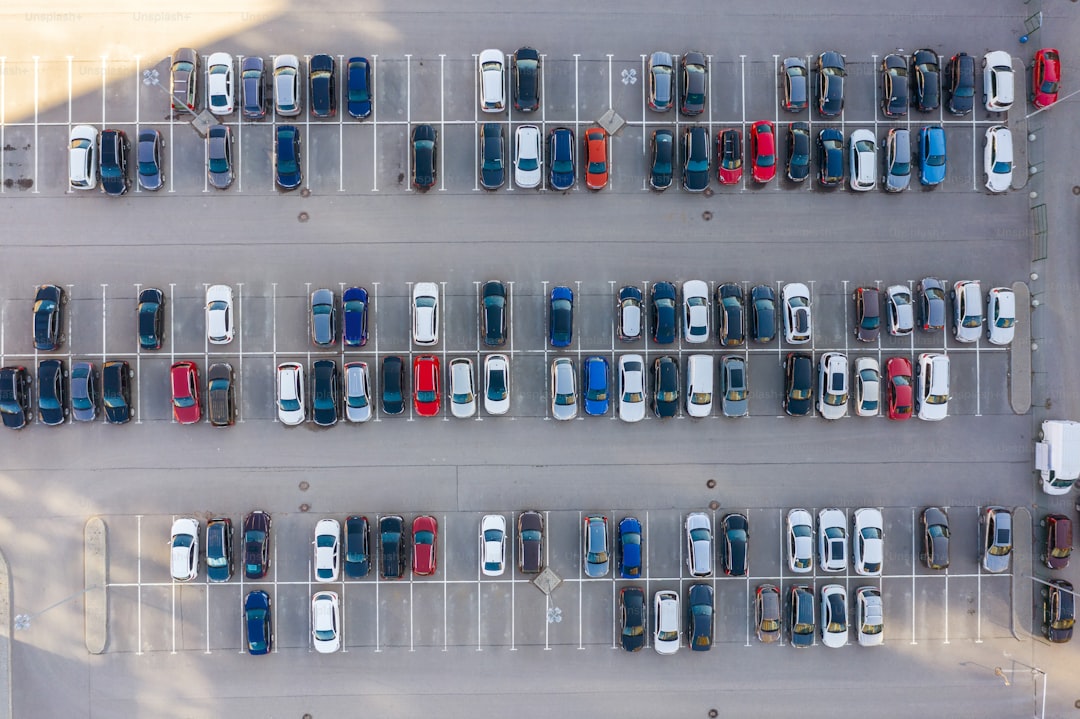
We’ve all had that moment of panic, circling an airport garage only to realize the "economy" lot is full and you’re now forced into a premium daily rate that’s going to sting your wallet for the rest of the week. It’s wild how dynamic pricing has turned airport parking into something resembling a volatile stock market, where rates shift daily or even hourly based on demand. If you’re just pulling up to the gate without a plan, you’re basically a captive consumer paying a premium for the convenience of being on-site. But here is the thing: the real cost isn't just the sticker price—it’s the hidden tax of poor logistics that you end up paying while hunting for an elusive spot.
Off-site parking providers typically run with much lower overhead, which is why you can often find rates 40 to 60 percent cheaper than what the airport charges for their standard lots. And if you book through an aggregator at least 72 hours in advance, you’re often looking at an additional 15 percent in savings that walk-up customers never see. Sure, you have to factor in the shuttle ride, and for a quick one-day trip, the extra transit time might actually eat into those savings. I’ve found that it really comes down to the math of your specific trip duration; anything longer than a few days almost always swings the pendulum in favor of the off-site operators.
But you have to be careful about what you’re actually buying when you chase the lowest price. The cheapest off-site lots might save you ten bucks a day, but they often lack the 24-hour security or the robust insurance coverage you’d find at an official facility. I’ve also noticed that some independent lots now offer value-adds like car detailing or oil changes, which can be a smart way to turn a dead-end parking expense into necessary vehicle maintenance. Just remember to check your credit card benefits, too, because some premium travel cards offer automatic status or rebates with specific parking networks that can completely change the value proposition in your favor. It’s all about being intentional—if you treat your parking spot like a travel booking rather than an afterthought, you can consistently keep that money where it belongs: in your pocket.
Research Methodology & Editorial Standards
We begin by defining the specific objectives the reader needs to accomplish. Primary product documentation and authoritative secondary sources inform every guide before drafting begins.
Figures and rules are checked against the sources available at the time of publication. Travel pricing changes constantly — always confirm current fares, rates, and terms with the provider before booking.