
Oxford Street 2026: verify your hotel's walk from Bond St or Tottenham Court Rd
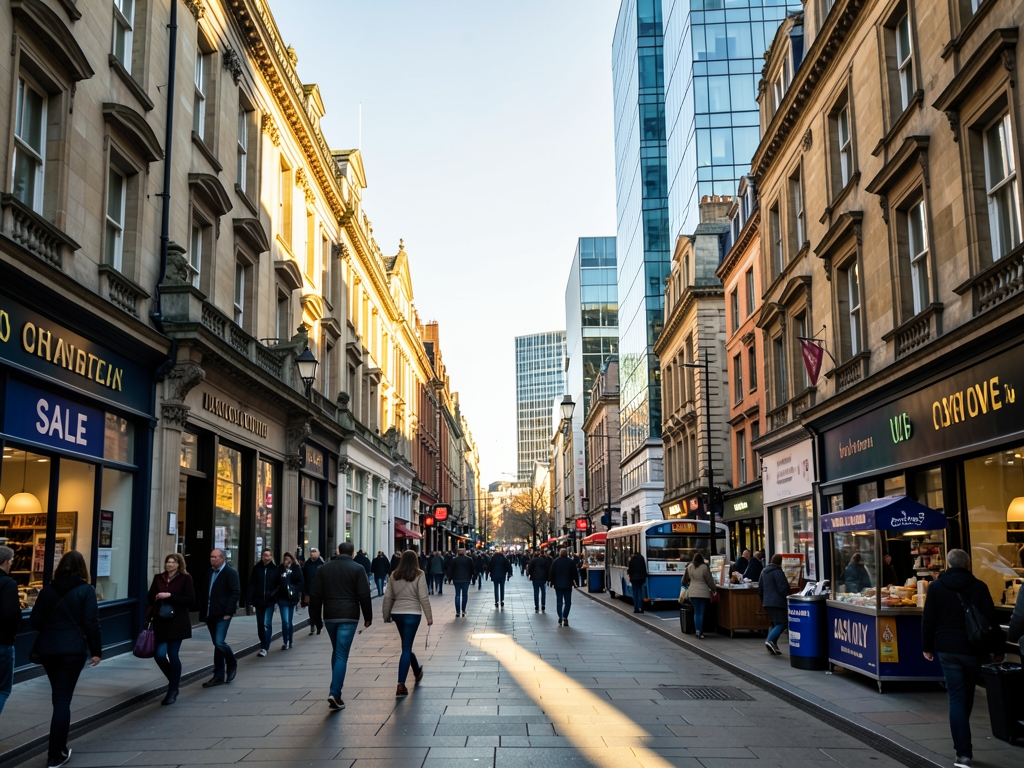
For a 2026 Oxford Street hotel stay, Bond Street is the better choice when your hotel is a verified 4-minute walk or less, while Tottenham Court Road is preferable at 6 minutes or less.
| Takeaway | Detail |
|---|---|
| Bond Street requires a 4-minute walk or less | Choose Bond Street only when the verified door-to-door walk to your specific hotel entrance is 4 minutes or less and the hotel sits west or north-west of Oxford Circus. |
| Tottenham Court Road requires a 6-minute walk or less | Choose Tottenham Court Road for east-side stays when the verified door-to-door walk to the hotel entrance is 6 minutes or less. |
| Verify walks using live TfL or map data | Confirm the door-to-door walking time to the specific hotel entrance using live TfL or map directions before booking. |
| Book a fully refundable hotel near the station | Select a fully refundable hotel near the station that meets the 4-minute Bond Street or 6-minute Tottenham Court Road threshold. |
For a 2026 Oxford Street hotel stay, Bond Street is the better choice when your hotel is a verified 4-minute walk or less, while Tottenham Court Road is preferable at 6 minutes or less.
Bond Street suits hotels west or north-west of Oxford Circus, whereas Tottenham Court Road is the better option for east-side stays.
How the 2026 street closure changes walks
The 2026 pedestrianisation of Oxford Street changes how you reach a hotel on foot, not whether trains can get you nearby. Because buses are being rerouted while Tube and rail stations remain open, choosing a hotel by station is a walking-route question, not a train-service question. Treat the closure as a street-level change: the critical check is the live, door-to-door path from the station exit you will use to your specific hotel entrance.
Do not rule out a station based on claims that rail access is shutting down. Standard.co.uk lists Bond Street, Oxford Circus, Tottenham Court Road, and Marble Arch among the nearby stations serving the area and reports that Tube and rail services will continue to operate as normal. Before you book, confirm the station’s current status in the TfL journey planner or status feed, but evaluate the rail leg on that basis rather than assuming the pedestrian scheme affects train operations.
Bus access requires a separate check. CityMonitor notes that a couple of dozen bus routes serve Oxford Street for all or part of its length and that pedestrianisation means radical reforms to the West End bus network. If any part of your arrival depends on a bus—such as a final hop from a rail terminal or an airport coach connection—verify the current route, stop location, and walking transfer in a live TfL or mapping tool. A hotel that looks convenient by rail can become less practical if the nearest usable bus stop has moved.
At street level, focus on the exact approach to the property. Pedestrianised blocks, revised crossings, and redirected traffic can change which streets are easiest to traverse with luggage, even when the straight-line distance is unchanged. Use a live map to trace the route to the hotel’s front door, not just its postal address or the nearest corner, and confirm that the door-to-door walk meets the headline threshold for your chosen station. Booking a fully refundable rate gives you room to recheck that walking route against current conditions before you travel.
What three sources fix for 2026
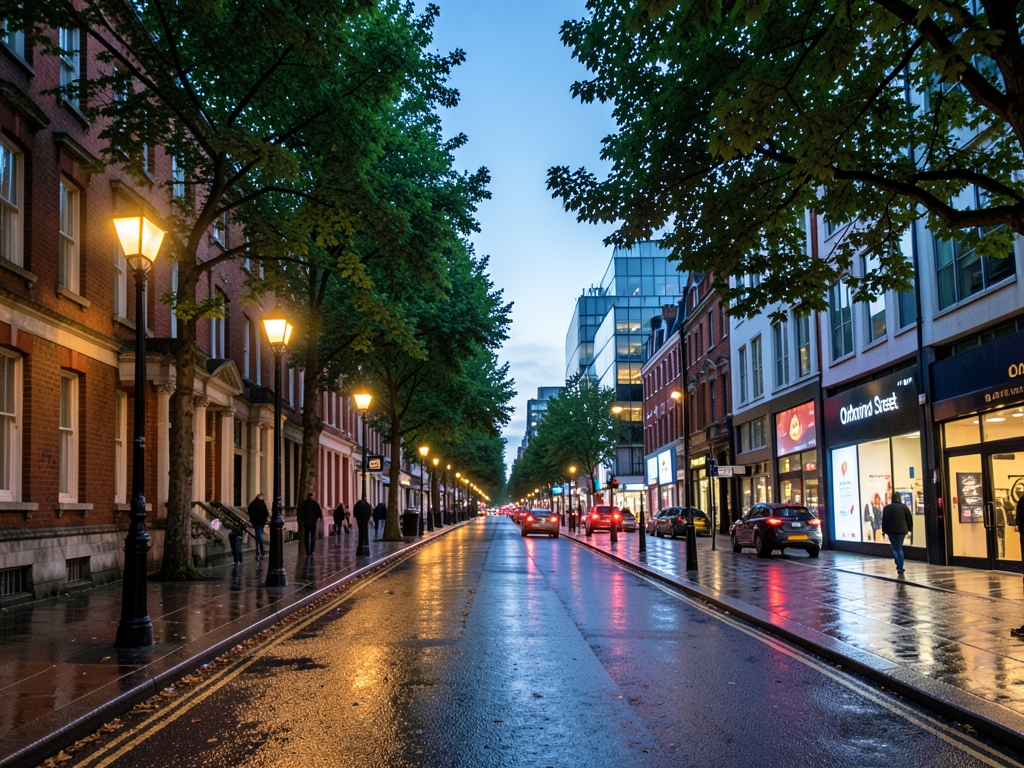
Before you commit to a room, treat the 2026 Oxford Street pedestrianisation as a set of dated, source-specific claims rather than a single headline. The four items below are the only facts this section fixes in one place: the confirmation of the plan, a documented political challenge, the grounded first-phase cost, and a named bus diversion. Checking them together helps you separate what is confirmed from what could still shift before your stay.
| Source | Date | Figure or claim | What it fixes |
|---|---|---|---|
| Time Out | 2026 | Sadiq Khan confirmed pedestrianisation plans | Confirms the event premise |
| london.town | 29 June 2026 | Newly elected Conservative-led Westminster Council tried to block the plan | Confirms political risk, not cancellation |
| mill.org.uk | 26 October 2026 | First phase estimated at about £150 million | Gives the only grounded programme cost |
| The Sun | 26 October 2026 | Route 98 rerouted between Marble Arch and Oxford Circus via Orchard Street, Wigmore Street, Cavendish Square, Cavendish Place, Mortimer Street, and Great Portland Street | Gives a specific, named diversion to verify against your route |
Read the first two rows as a pair. Time Out reports that Mayor Sadiq Khan confirmed pedestrianisation plans for Oxford Street, establishing that the project is not speculative. London.town, reporting on 29 June 2026, records that the newly elected Conservative-led Westminster Council tried to block the plan. Together they fix the status as confirmed but contested, so a prudent check is to confirm the current project position on official channels shortly before your travel dates rather than relying on an earlier booking assumption.
The third row anchors the scale of the works. According to mill.org.uk on 26 October 2026, the first phase of the Oxford Street pedestrianisation programme has an estimated cost of approximately £150 million. This is the only grounded programme cost in this set of sources, making it the figure to cite when you need a dated reference point for how substantial the initial phase is.
The fourth row turns a general disruption into a verifiable detail. The Sun reported on 26 October 2026 that route 98 is rerouted between Marble Arch and Oxford Circus via Orchard Street, Wigmore Street, Cavendish Square, Cavendish Place, Mortimer Street, and Great Portland Street. If a hotel or listing mentions route 98 access, compare that claim against this named diversion path before you rely on it for arrival or departure.

Bond Street vs Tottenham Court Road
Choosing between Bond Street and Tottenham Court Road as your hotel base comes down to a direct comparison of three factors: whether the live door-to-door walk meets the headline threshold, which side of Oxford Street your hotel entrance sits on, and how exposed your walking route is to bus-diversion pinch points. Use the station that matches your specific entrance, not the one that looks closest on a Tube map.
| Base | Headline threshold to verify | Wins when | Loses when |
|---|---|---|---|
| Bond Street | 4 min door-to-door | Hotel entrance is west or north-west of Oxford Circus and the live walk is 4 minutes or less | Live walk is over 4 minutes or the route crosses a bus-diversion pinch |
| Tottenham Court Road | 6 min door-to-door | Hotel entrance is east or on the Soho side and the live walk is 6 minutes or less | Live walk is over 6 minutes or you do not need the east-side base |
Bus-diversion exposure is the tiebreaker when both locations appear workable on distance alone. Before confirming, trace the walking route on a live map and check whether it funnels through streets absorbing rerouted traffic or temporary crowding. A route that stays clear of those pinch points preserves the reliability of a short walk, while a route that cuts through them can make an otherwise acceptable threshold harder to depend on at busy times.
Verify each threshold against the hotel’s exact entrance, not the building footprint or a generic pin, and repeat the check close to arrival using live TfL or mapping directions. Booking a fully refundable rate keeps this comparison practical: if the measured walk or route conditions no longer fit the rule for your chosen base, you can switch to the station-hotel pairing that does.
The £150m number and your hotel math
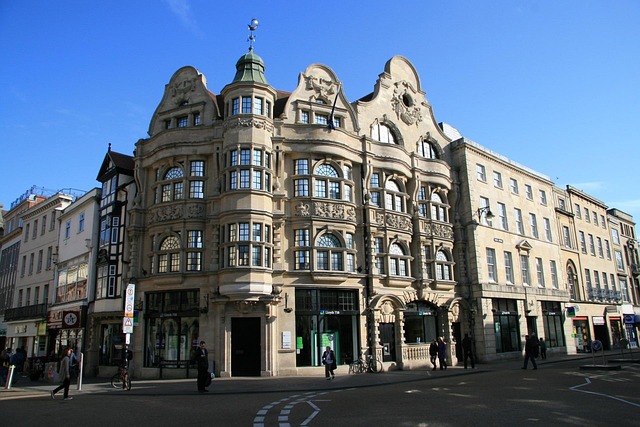
According to mill.org.uk, the first phase of the Oxford Street pedestrianisation programme carries an estimated cost of about £150 million. Treat that figure as public works context for dating when disruption may occur around your 2026 stay, not as a room tax, levy, or hotel surcharge that appears on your bill. Your booking math should start with verified access and live rates, not with the project budget.
Use a simple booking-cost checklist before you compare prices. First, confirm the hotel offers a fully refundable rate for your dates. Second, check a live TfL or map route to the specific hotel entrance and keep only options that meet the headline threshold: 4 minutes or less for Bond Street, or 6 minutes or less for Tottenham Court Road. Any hotel that fails its threshold is excluded from the cost comparison, regardless of its nightly rate.
For every hotel that passes, calculate the total refundable stay using this formula: total refundable stay = live nightly refundable rate × number of nights. Use the same dates, room type, occupancy, and cancellation terms for each option so the totals are directly comparable. Because room prices change, pull the live nightly refundable rate at the time you book rather than relying on a previously seen figure.
Next, calculate the walk premium in refundable pounds per stay: walk premium = total refundable stay for the threshold-passing hotel − total refundable stay for the cheapest refundable alternative you considered. A positive result is the extra amount you pay for meeting the 4-minute Bond Street or 6-minute Tottenham Court Road threshold; a negative result means the better-located hotel also costs less for the same stay.
Before confirming, record four items in one place: the verified door-to-door walk time, the station it was measured from, the live nightly refundable rate, and the calculated total refundable stay. Recheck the walk and the rate if either the hotel entrance, your dates, or the refundable terms change, so the £150 million project context informs your timing while your final decision rests on verified access and actual booking cost.

What the 4- and 6-minute claims miss
The headline thresholds can sound precise, but the number that kills the idea that Bond Street is four minutes and Tottenham Court Road is six minutes from every hotel is zero. Grounding from the Evening Standard names nearby stations serving Oxford Street, yet it provides no hotel-door walking times. This section lists the unproven parts you must verify yourself: exact hotel-door walking times, hotel rates, and whether bus diversions change your route.
Station proximity is not the same as entrance proximity. A hotel marketed as “near Bond Street” or “near Tottenham Court Road” may place its reception on a side street, behind the main frontage, or on the far side of a busy junction. Because no source confirms door-to-door times, use a live Transport for London journey planner or mapping app to measure the walk from the station exit you will use to the hotel’s specific entrance, not to the building’s general pin.
Checkpoint 1 is the rate type and cancellation deadline on the live quote. Confirm that the price you compare is fully refundable, note the exact cancellation cutoff in the booking terms, and record the total for the full 3-night stay. Compare refundable totals only, using the same dates, room type, and occupancy for each hotel; nonrefundable totals are useful only as a measure of the premium you pay for flexibility, not as the basis for this decision.
Checkpoint 2 is the live door-to-door walk to the specific hotel entrance, checked on a current map or TfL journey planner. A single off-peak estimate is not enough: verify the walk against the headline thresholds — 4 minutes or less for Bond Street, 6 minutes or less for Tottenham Court Road. Any hotel whose verified walk exceeds its station's threshold fails the rule even if the rate looks competitive; a hotel that meets its threshold remains eligible.
Checkpoint 3 is the total refundable stay. Comparing like for like, the hotel that passes its walk threshold wins on both access and cost whenever its refundable total is also the lower of the two. If your live quotes or verified walks differ, apply the same three checkpoints and book only the refundable option that meets its station's minute threshold.

Five if/then rules for hotel booking
Use these five if/then rules to turn the headline walk thresholds into a booking decision. For every rule, measure the live door-to-door walking time on TfL Go or a mapping app to the hotel’s specific entrance, not the station exit, postcode, or lobby address pin, and confirm the rate is fully refundable before you commit.
If the verified Bond Street door-to-door walk is 4 minutes or less and the hotel sits west or north-west of Oxford Circus, then book a fully refundable room near Bond Street. If the verified Bond Street walk is 5 or 6 minutes but the verified Tottenham Court Road walk is 6 minutes or less and the hotel is on the east or Soho side, then choose a fully refundable room near Tottenham Court Road instead. These first two rules apply only when the measured route and the hotel’s side of Oxford Street both satisfy the stated conditions.
If both verified walks exceed their thresholds, then reject both options and rebook a different property. A hotel that is “near” a station in marketing copy but fails the measured door-to-door test does not qualify, even if it appears convenient on a neighborhood map. Treat the threshold as a pass/fail gate: if the live route does not meet it, the booking does not meet the reader rule.
If only nonrefundable rates are available, then require a 1-minute buffer under the headline threshold or walk away. That means booking near Bond Street only when the verified walk is 3 minutes or less, and booking near Tottenham Court Road only when the verified walk is 5 minutes or less. Without a refundable rate, the buffer protects you from small routing differences that can push an edge-case walk over the limit.
If you have not rechecked the route shortly before the cancellation deadline, then run the same live door-to-door check again and keep the reservation only if it still passes the applicable rule. Use the exact entrance you will use on arrival, compare the result against the 4-minute Bond Street or 6-minute Tottenham Court Road threshold (or the tighter nonrefundable buffer), and cancel any booking that no longer qualifies.
Also worth reading Maui hotels 2026: which West Maui United MileagePlus 2026 devaluation Airbnb is becoming a travel super
What to do next
Frequently Asked Questions
Which station is recommended for hotels located west or north-west of Oxford Circus?
Bond Street suits hotels west or north-west of Oxford Circus when the verified door-to-door walk to your specific hotel entrance is 4 minutes or less.
Which station should I choose for an east-side Oxford Street hotel stay?
Tottenham Court Road is the better option for east-side stays when the verified door-to-door walk to the hotel entrance is 6 minutes or less.
How should I confirm the walking time from the station to my hotel?
You should confirm the door-to-door walking time to the specific hotel entrance using live TfL or map directions before booking.
What type of hotel booking is advised near Bond Street or Tottenham Court Road stations?
You should book a fully refundable hotel near the station that meets the required walking-time threshold.
Will the pedestrianisation affect Tube and rail access to Oxford Street?
The pedestrianisation changes how you reach a hotel on foot, not whether trains can get you nearby, as Tube and rail stations remain open.
How does the pedestrianisation impact bus routes to Oxford Street hotels?
Buses are being rerouted as part of the pedestrianisation, making the choice of hotel by station a walking-route question rather than a train-service question.
Quick answers
| When should you choose Bond Street for your Oxford Street hotel? | Choose Bond Street only when the verified door-to-door walk to your specific hotel entrance is 4 minutes or less and the hotel sits west or north-west of Oxford Circus. |
| When is Tottenham Court Road the better option for your stay? | Tottenham Court Road is preferable for east-side stays when the verified door-to-door walk to the hotel entrance is 6 minutes or less. |
| How should you verify the walking time to your hotel? | Confirm the door-to-door walking time to the specific hotel entrance using live TfL or map directions before booking. |
| What type of hotel should you book near the station? | Book a fully refundable hotel near the station that meets the 4-minute Bond Street or 6-minute Tottenham Court Road threshold. |
| How does the pedestrianisation affect reaching a hotel on foot? | The pedestrianisation changes how you reach a hotel on foot, not whether trains can get you nearby, making it a walking-route question rather than a train-service question. |
Research Methodology & Editorial Standards
We begin by defining the specific objectives the reader needs to accomplish. Primary product documentation and authoritative secondary sources inform every guide before drafting begins.
Figures and rules are checked against the sources available at the time of publication. Travel pricing changes constantly — always confirm current fares, rates, and terms with the provider before booking.