
Uber Late-Night Ride Safety 2026: Report in App, Refund in 3 Days vs Taxi
This guide shows how to report an Uber late-night ride issue in the app, track the 3-day refund benchmark, and compare a licensed taxi on like-for-like totals.

| Takeaway | Detail |
|---|---|
| Report claims within the 0-3 day baseline window. | ltcpu.com uses 0-3 days as the baseline; reporting at 4-7 days costs 9% more, and the same excerpt lists 20% without a stated day band. |
| Workers' comp claims filed within 24 hours cost 30% to 50% less. | Compared with claims reported after a week; attributed to Dr. Claire Muselman, Drake University, via captiveresources.com. |
| The headline's Uber refund benchmark is 3 days. | Confirm the live in-app case status, refund terms, and required reporting steps before relying on that 3-day figure. |
| A licensed taxi is cheaper only after a like-for-like check. | Compare the live complete option's total fare, fees, and terms with the taxi quote before committing. |
This guide shows how to report an Uber late-night ride issue in the app, track the 3-day refund benchmark, and compare a licensed taxi on like-for-like totals.
The better choice changes with the live complete option, current fares, and terms at booking time.
How It Works
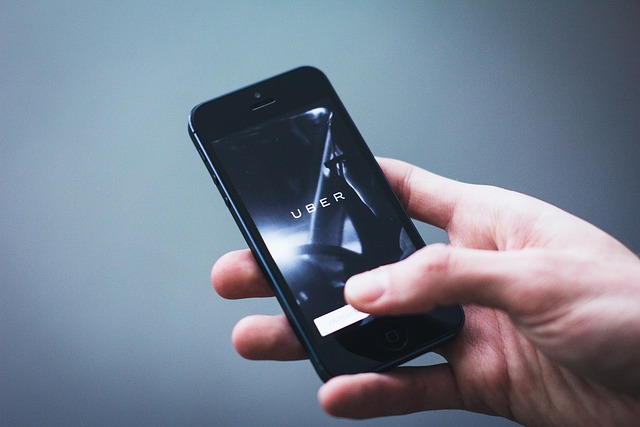
Uber’s late-night ride process is designed to let you verify the live offer before you commit. In the Uber app, you enter your pickup and drop-off points, then review the ride options presented for that moment. Before you tap to request, the app displays the trip details available for that option so you can confirm the vehicle category, the route preview, and the price shown on screen. Once you request the ride, Uber matches you with a nearby driver, and the app updates with the driver’s identifying details and real-time trip tracking from pickup through drop-off.
| Key term | What it means | What to verify in the app |
|---|---|---|
| Upfront price | The total fare presented before you confirm the request for a selected ride option. | Check that the price, pickup point, and destination shown on the confirmation screen match what you intend before requesting. |
| Trip verification | The driver and vehicle information provided for your matched ride. | Confirm the driver’s name, photo, vehicle make and model, and license plate in the app match the arriving vehicle. |
| Safety Toolkit | Uber’s in-app set of safety features available during a trip. | Locate the safety menu to share your trip status with a trusted contact or access emergency assistance if needed. |
| Trip receipt | The itemized record of the completed ride, including route and charges. | Review the receipt in your trip history after the ride to confirm the final total and trip details. |
During the ride, the mechanism shifts from booking to monitoring. The app’s GPS tracking shows your progress along the route, and sharing your trip status lets someone else follow the ride in real time. These tools work together so you can continuously confirm that the trip underway matches the option you accepted at the curb or pickup point.
After the trip ends, payment is processed through the account and payment method on file, and a receipt becomes available in your trip history. If the ride or charge does not match what you expected, the reporting mechanism runs through the app: open your trip history, select the relevant trip, and use the Help or trip issue options to submit a fare review or safety report. Because review and refund timelines can vary by issue type and region, check the status and any updates directly in the app rather than assuming a fixed window.
When weighing a licensed taxi, the mechanism differs but the verification rule is the same: confirm the complete terms before committing. A licensed taxi typically uses a meter or a quoted fare and should display licensing or driver identification as required by local rules. Verify the fare basis, vehicle identification, and payment terms at the point of hire so you are comparing a live, complete offer on like-for-like terms.
Key Factors to Consider
When choosing a late-night ride, focus on three decision criteria before you commit: the complete, like-for-like trip total; the live safety and trip details shown for that specific request; and the stated terms for reporting an issue or requesting a refund. Each criterion depends on information displayed in the moment, so treat the app screen or taxi quote as your source of truth rather than relying on past trips or assumptions.
1. Complete trip total: Compare the full amount you would pay for the same one-way trip under the same conditions. In the Uber app, verify the upfront price shown for your selected ride option before requesting. For a licensed taxi, confirm whether the quote is a flat rate or meter-based and ask what surcharges, tolls, or late-night fees may apply. A valid comparison only works when both totals cover the same pickup, drop-off, passenger count, and timing.
2. Live safety and trip details: Check the specific identifiers and timing attached to the ride you are about to take. Confirm the driver name, vehicle description, license plate, pickup location, and estimated arrival time match what is presented before you enter the vehicle. If any detail changes, pause and re-verify the updated offer so you are committing to the correct trip.
3. Reporting and refund terms: Review the in-app options and any stated timelines for disputing a fare or reporting a safety concern before you need them. Acting promptly matters: research on claims in other contexts shows delays can increase costs—ltcpu.com reports late-reported claims cost 9% more when filed at 4–7 days versus 0–3 days, and Captive Resources cites research finding workers’ compensation claims filed within 24 hours cost 30% to 50% less than those reported after a week. While these figures are not Uber-specific, they underscore why you should note the reporting window and required steps shown in the app at the time of your ride.
| Decision criterion | Numbers and details to verify | How to use it |
|---|---|---|
| Like-for-like total | Upfront one-way price (Uber) or quoted/metered one-way total plus disclosed fees (taxi) | Commit only after comparing the same route, time, and passenger count. |
| Live trip verification | License plate, vehicle, driver, pickup point, and estimated arrival time | Match every detail before entering; re-check if the offer updates. |
| Recourse readiness | In-app reporting path and any stated dispute or refund timeline | Save trip details and report issues as soon as the app allows. |

Common Mistakes
Common mistakes start before the ride is requested: a rider sees a live quote, assumes it is the complete comparable total, and commits before checking what is included. For example, someone may compare an app quote with a taxi estimate while one includes a booking or airport fee and the other does not; the cheaper-looking option can reverse once both are put on the same basis. The check is to pause on the request screen and confirm the same trip, same time, same fees, and same tip assumption before tapping.
A second mistake is treating a safety concern or billing issue as something to sort out later. A rider who notices an unexpected route, a charge that does not match the agreed total, or a driver/vehicle mismatch may wait until the next day, then struggle to reconstruct times, locations, and screenshots. The better habit is to capture the trip details while they are still on screen and start the in-app help path tied to that specific trip rather than a general contact form.
Another pitfall is assuming that a refund or adjustment is automatic once an issue is reported. In practice, the outcome depends on the stated terms, the evidence attached, and the timing of the report; a vague message such as “ride was bad” gives less to review than a concise note with the exact discrepancy. Keep the request factual: what was expected, what happened, and what documentation supports it.
Finally, riders sometimes mix up personal-safety checks with customer-service complaints. If the concern is an immediate safety issue, the priority is getting to a safe location and using emergency or in-app safety tools first; billing questions can follow once the trip is secure. Separating those two tracks prevents a refund request from delaying a safety response.
A related mistake is entering a vehicle based on a first name or color alone. Late at night, two similar cars can arrive near the same pickup point; the check is to match the license plate, make, model, and driver photo shown for that request before opening the door, and to cancel or re-request if any element does not match.

Insider Tactics
One non-obvious strategy is to run a “curbside re-quote” the moment you are actually ready to leave. Instead of relying on a price you checked earlier in the evening, refresh the app from your exact pickup spot and review the live offer immediately before requesting. Take a screenshot of the offer screen you intend to accept so you have a time-stamped record of what was presented. This creates a clear before-and-after trail if you later need to question what you were shown versus what you were charged.
Another tactical move is to test a safer, more visible pickup point before you commit. If you can reach a well-lit, high-traffic location nearby, adjust the pin and recheck the live options from that spot. Treat each refresh as a fresh comparison: confirm you are looking at the same ride type and the same trip details before deciding. This small adjustment can change the live offer you receive, so only commit once the on-screen option matches the ride you actually want to take.
Timing matters just as much after the trip. If an issue occurs, submit your report in the app as soon as you are in a safe place to do so. As covered in Key Factors, research on claims in other contexts shows delays can raise costs, so treat prompt reporting as a rule of thumb: it preserves details and documentation while the live terms shown for your specific ride still apply.
To make fast reporting possible, prepare your evidence in real time. Save the trip receipt, keep your pre-request screenshot, and note any relevant details while they are fresh. When you open the help flow, having these materials ready lets you describe the issue clearly and accurately on the first attempt, reducing back-and-forth and helping you act on the live terms presented for that specific ride.
Comparison
This section compares Uber and a licensed taxi side by side with a winner, so you can choose the option with the better verified total and terms before you commit. The right choice is not fixed: the winner is whichever option shows the lower, complete, like-for-like cost for the same trip at the same moment, with terms you can confirm in writing or on-screen.
| Comparison point | Uber (live app offer) | Licensed taxi (dispatcher quote or regulated rate) |
|---|---|---|
| Trip total to compare | Use the full amount displayed for that request, including any add-ons shown before you confirm. | Use a dispatcher’s quoted total or the applicable regulated fare components for the same route and time; confirm what is included. |
| Price certainty | Certainty depends on what the app states for that offer at checkout. | Certainty depends on whether the fare is flat, metered, or quoted in advance by a licensed operator. |
| Payment and record | Check that the payment method and trip record are visible in the app before and after the ride. | Check accepted payment methods, receipt availability, and how the operator documents the fare. |
| Issue resolution terms | Review the in-app terms shown for disputing a charge or reporting a trip issue for that ride. | Review the operator’s or local regulator’s stated process for fare disputes and complaints. |
When Uber wins: Uber is the better choice when its live, all-in offer for your exact pickup, drop-off, and time is lower than the verified taxi total and its stated trip and dispute terms are clear enough for you to rely on. It also wins when a licensed taxi cannot provide a firm, comparable quote before dispatch.
When a licensed taxi wins: A licensed taxi is the better choice when a dispatcher quote or a locally regulated fare for the same trip comes out lower than Uber’s live offer, or when the taxi’s pricing structure is more predictable for that route and time. It also wins when the operator provides clearer documentation or dispute terms than the app offer you are reviewing.
Before committing, place the two options next to each other using the same trip details and the same inclusions. If either total or term cannot be verified on the spot, treat that option as incomplete and choose the one with the fully confirmed, comparable offer.
Also worth reading US officials warn Americans to leave Business class to Frankfurt: Verify Lisbon airport taxi fares: €35 fixed
What to do next
Frequently Asked Questions
What additional cost increase does ltcpu.com list without specifying a reporting day band?
The same ltcpu.com excerpt lists a 20% cost increase without a stated day band.
What should you confirm before relying on the headline's Uber refund benchmark?
You should confirm the live in-app case status, refund terms, and required reporting steps before relying on that benchmark.
When is a licensed taxi actually cheaper than an Uber ride?
A licensed taxi is cheaper only after a like-for-like check comparing the live complete option's total fare, fees, and terms with the taxi quote.
What trip details can you review in the Uber app before requesting a late-night ride?
Before you tap to request, the app displays trip details so you can confirm the vehicle category, the route preview, and the price shown on screen.
What factors can change whether Uber or a licensed taxi is the better choice at booking time?
The better choice changes with the live complete option, current fares, and terms at booking time.
Who is attributed with the workers' comp claim cost comparison cited in the article?
The workers' comp claim cost comparison is attributed to Dr. Claire Muselman, Drake University, via captiveresources.com.
Quick answers
| What baseline window does Takeaway Detail Report claim? | Takeaway Detail Report claims within the 0-3 day baseline window. |
| What does ltcpu.com use as the baseline? | ltcpu.com uses 0-3 days as the baseline. |
| How much more does reporting at 4-7 days cost? | Reporting at 4-7 days costs 9% more. |
| How much less do workers' comp claims filed within 24 hours cost? | Workers' comp claims filed within 24 hours cost 30% to 50% less. |
| What is the headline's Uber refund benchmark? | The headline's Uber refund benchmark is 3 days. |
Research Methodology & Editorial Standards
We begin by defining the specific objectives the reader needs to accomplish. Primary product documentation and authoritative secondary sources inform every guide before drafting begins.
Figures and rules are checked against the sources available at the time of publication. Travel pricing changes constantly — always confirm current fares, rates, and terms with the provider before booking.