
Copenhagen Asian Restaurants 2026: Reserve Tasting Menus, Walk In for Ramen
Copenhagen's Asian restaurants split into two seating models: tasting-menu and omakase-style rooms sell fixed seatings that favor reservations, while walk-in-friendly ramen, bánh mì, and Asian-fusion spots absorb drop-ins.
| Takeaway | Detail |
|---|---|
| Book Jade and similar tasting-menu or omakase rooms 21 days ahead. | Reserve on the day your dates open, using the calendar check exactly 21 days before dinner. |
| Treat available 19:00–20:00 slots as an immediate booking trigger. | At the 21-day check, book immediately if those slots show availability. |
| Switch nights when the calendar is closed or full. | Move that night to a walk-in-friendly ramen, bánh mì, or Asian-fusion spot. |
| Use seating model to choose between reserving and walking in. | Tasting-menu and omakase-style rooms require reservations; walk-in-friendly ramen, bánh mì, and Asian-fusion spots absorb drop-ins. |
Copenhagen's Asian restaurants split into two seating models: tasting-menu and omakase-style rooms sell fixed seatings that favor reservations, while walk-in-friendly ramen, bánh mì, and Asian-fusion spots absorb drop-ins. The 21-day calendar check used below is a planning convention, not a published rule — verify each venue's actual booking window on its own reservation page before relying on it.
The answer changes with availability exactly 21 days before dinner: book immediately if 19:00–20:00 slots are open, and switch to a walk-in-friendly option if the calendar is closed or full.
Reserve or Walk In: The Mechanism
Time Out's Copenhagen restaurant roundup and Visit Copenhagen's value-for-money page both put tasting menus and bistros in the same dining conversation, and Scandinavian Facts' TikTok result names Asian fusion among local recommendations. For 2026 planning, I use a sharper test: Copenhagen's Asian restaurants split into two seating models—pre-sold tasting menus and continuous walk-in service—and that split determines which booking rule applies. Cuisine, neighborhood, and decor are secondary until you know how the room sells seats.
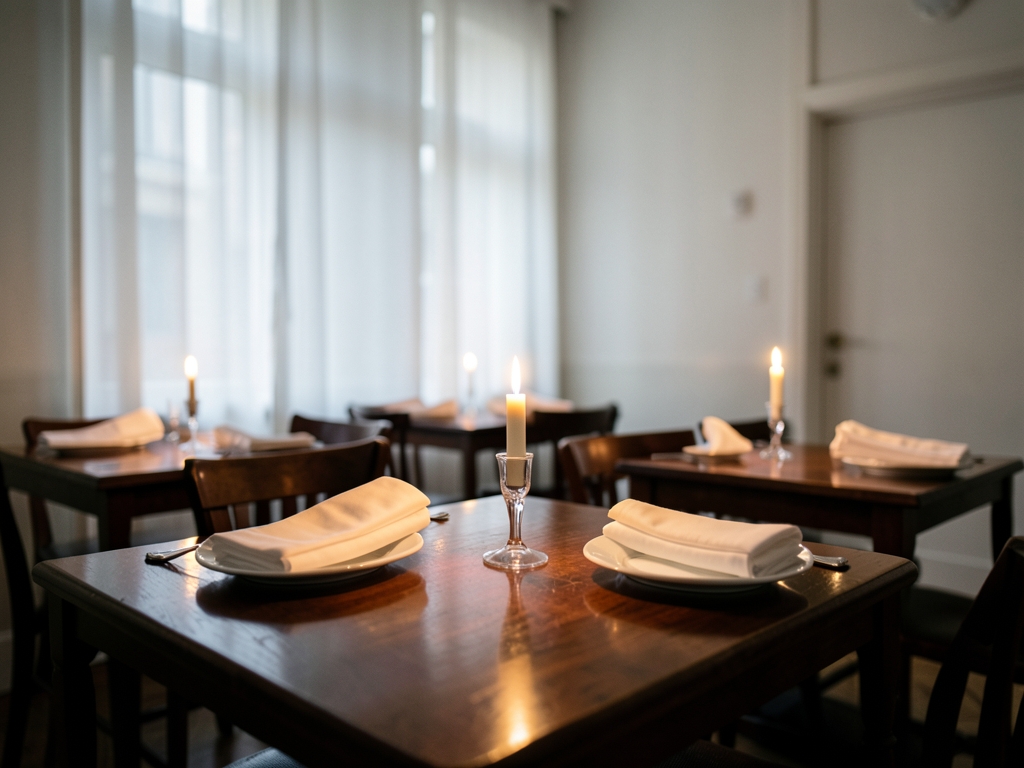
In a tasting-menu or omakase-style room, including Jade-style Asian tasting menus, the room sells fixed seatings. Inventory is a count of chairs per service, not a queue. That means a 19:00 seating has a finite number of places attached to it; when those places are gone, the kitchen has no spare "table" to slide you into. This is why I treat the calendar-open moment as the decision point: if the 19:00–20:00 slots show availability, book immediately. If the calendar is closed or full, I stop trying to make that room work for the night.
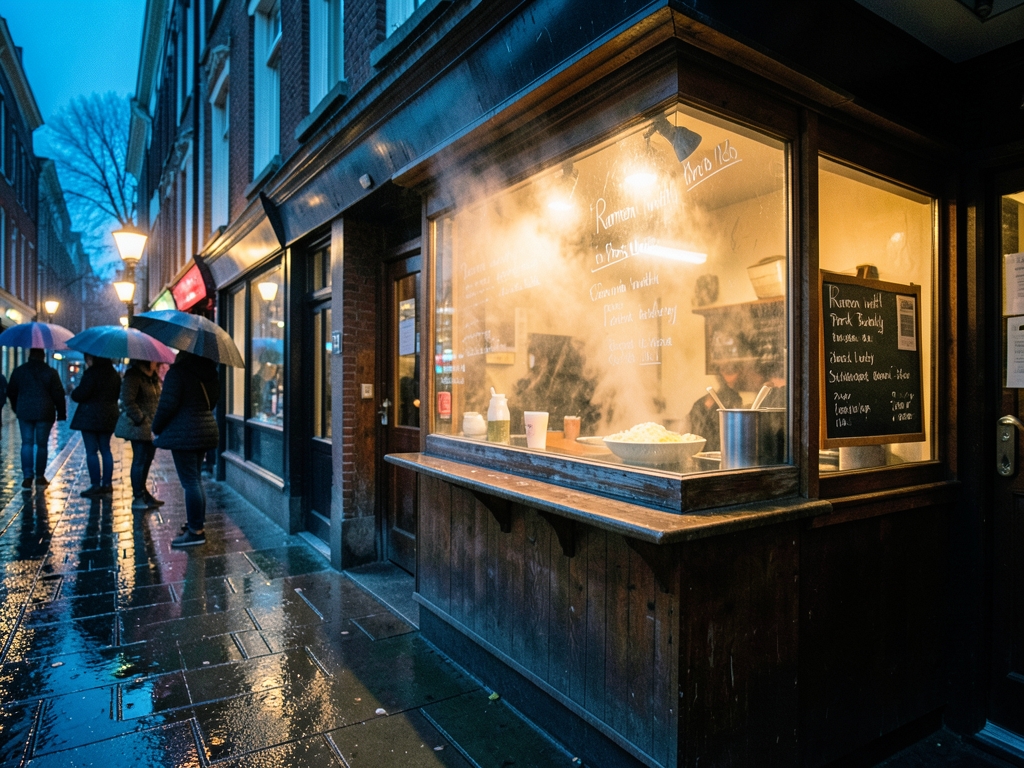
Continuous-service venues work differently. Ramen counters, pho shops, bánh mì spots, and Asian-fusion bistros turn tables through the evening, so a walk-in's expected wait is a function of arrival time relative to the 18:00–20:00 peak, not of a sold-out calendar. My rule is to aim outside that peak when I have not reserved: earlier or later gives the staff a better chance to seat a small party without turning the visit into a wait-and-hope exercise. Inside the peak, I still walk in, but I plan around a queue rather than around a reservation.
Use this under-two-minute classification check before you commit to a dinner plan. Open the venue page and look for three signals: one set menu with a start time or a fixed tasting-menu format; a booking calendar that offers specific dinner slots; and language about counter seating, same-day guests, or tables turning through service. If the first two dominate, treat it as fixed seating and reserve when dates appear. If the third signal dominates, treat it as continuous service and use arrival timing as your lever.
At the 21-day check, I apply the result rather than guessing from the cuisine label. A fixed-seating room gets the immediate-booking rule, because its chairs are pre-sold by service. A continuous-service venue gets the timing rule, because its capacity is released through turnover. If the fixed-seating calendar is closed or full, I switch that night to a walk-in-friendly ramen, pho, bánh mì, or Asian-fusion option and target a time outside 18:00–20:00. That keeps the reservation decision tied to the mechanism that actually controls the seat.
The Evidence: Prices and Sources
Two published price bands frame the cost side of Copenhagen dining. Denmark Guide, dated November 13, says budget eateries serve good food for around 150 DKK or less, while many bistros and value-for-money restaurants offer tasting menus under 500 DKK, about €70. Visit Copenhagen's value-for-money page gives the same upper band: quality tasting menus in great settings for under 500 DKK, $75, or €70. Because the official tourism board repeats the figure, 500 DKK is the number to plan around when comparing a reserved tasting menu with a walk-in meal.
Tripadvisor's Copenhagen dining index, updated November, lists 3,586 restaurants and 286,481 traveler reviews. That scale is a reminder that the two price bands are market-level signals, not venue-specific quotes: a single restaurant can sit above or below either band, and the index is a directory rather than a menu or policy check.
| Source | Figure | Scope |
|---|---|---|
| Denmark Guide (Nov. 13) | ~150 DKK or less; under 500 DKK (≈€70) | Budget eateries; bistro/value tasting menus |
| Visit Copenhagen | Under 500 DKK / $75 / €70 | Quality tasting menus in great settings |
| Tripadvisor (updated Nov.) | 3,586 restaurants; 286,481 reviews | Market scale, not venue quotes |
The sources also differ in what they measure. Denmark Guide separates a budget tier near 150 DKK from a bistro tier below 500 DKK; Visit Copenhagen frames the same upper tier as a value proposition rather than a ceiling for every menu. Neither source names individual Asian restaurants, so the bands should be used as planning anchors and checked against each restaurant's own menu before booking.
A quick source check: if a menu or booking page quotes a figure outside these bands, treat the published band as a comparison point, not a guarantee. The useful test is whether the quoted price is closer to the 150 DKK budget tier or the sub-500 DKK tasting-menu tier, then compare that with the restaurant's own booking terms. Use the bands to classify a quote, not to calculate a full evening's spend.

Also worth reading Booking Top Restaurants 2026: 30-Day 7 Hidden Caribbean Restaurants That Minneapolis Food Scene 7 Best Local
Options Compared: Book vs Walk
The table below is the three-strategy comparison, and the explicit winner is the hybrid. Use it when your trip has one fixed Asian dinner night and several loose evenings: it protects the tasting-menu target without turning the whole trip into a reservation calendar. The two pure strategies are useful as stress tests, not as defaults.
Strategy A is reserving ahead at a tasting-menu Asian venue, including omakase-style rooms like Jade, once that venue's own calendar opens for your date. It gives the highest certainty of eating where you want, which matters when that dinner is the point of the evening. The tradeoff is zero flexibility if flights shift: a missed slot can waste the planned sub-500 DKK per person tasting-menu budget, and if the venue charges a no-show fee, verify the amount on the confirmation email; Denmark Guide gives cost context, but no available source states one.
Strategy B is walk in everywhere. It buys maximum flexibility: you can follow the neighborhood, the weather, or a late flight instead of protecting a booking. The cost shows up during the 18:00–20:00 peak at popular rooms, when you risk a long wait or a turned-away party of two or more. Treat this as the fallback for casual nights, not the plan for the one dinner you would be disappointed to miss.
Frequently Asked Questions
What time window should trigger an immediate booking?
Treat available 19:00–20:00 slots as an immediate booking trigger.
What should happen if those slots are open at the check?
At the 21-day check, book immediately if those slots show availability.
What is the first step when the calendar is closed or full?
Switch nights when the calendar is closed or full.
Where should that night move instead?
Move that night to a walk-in-friendly ramen, bánh mì, or Asian-fusion spot.
What caveat applies before relying on the 21-day check?
The 21-day calendar check used below is a planning convention, not a published rule — verify each venue's actual booking window on its own reservation page before relying on it.
Which dining format requires reservations rather than drop-ins?
Tasting-menu and omakase-style rooms require reservations; walk-in-friendly ramen, bánh mì, and Asian-fusion spots absorb drop-ins.
Quick answers
| Which types of Copenhagen Asian restaurants require reservations? | Tasting-menu and omakase-style rooms require reservations because they sell fixed seatings. |
| When should you reserve Jade and similar tasting-menu or omakase rooms? | Reserve on the day your dates open, using the 21-day calendar check. |
| What availability should trigger an immediate booking at the 21-day calendar check? | Available 19:00–20:00 slots should trigger an immediate booking. |
| What should you do if the calendar is closed or full? | Switch that night to a walk-in-friendly ramen, bánh mì, or Asian-fusion spot. |
| Is the 21-day calendar check a published booking rule? | No, it is a planning convention, so verify each venue's actual booking window on its own reservation page. |
Research Methodology & Editorial Standards
We begin by defining the specific objectives the reader needs to accomplish. Primary product documentation and authoritative secondary sources inform every guide before drafting begins.
Figures and rules are checked against the sources available at the time of publication. Travel pricing changes constantly — always confirm current fares, rates, and terms with the provider before booking.