
Paris fire-cooking restaurants 2026: catch the exact release minute
Paris fire-cooking restaurants in 2026 should be booked 14 days ahead. That answer changes if a restaurant's actual release time differs from the 14-day mark.
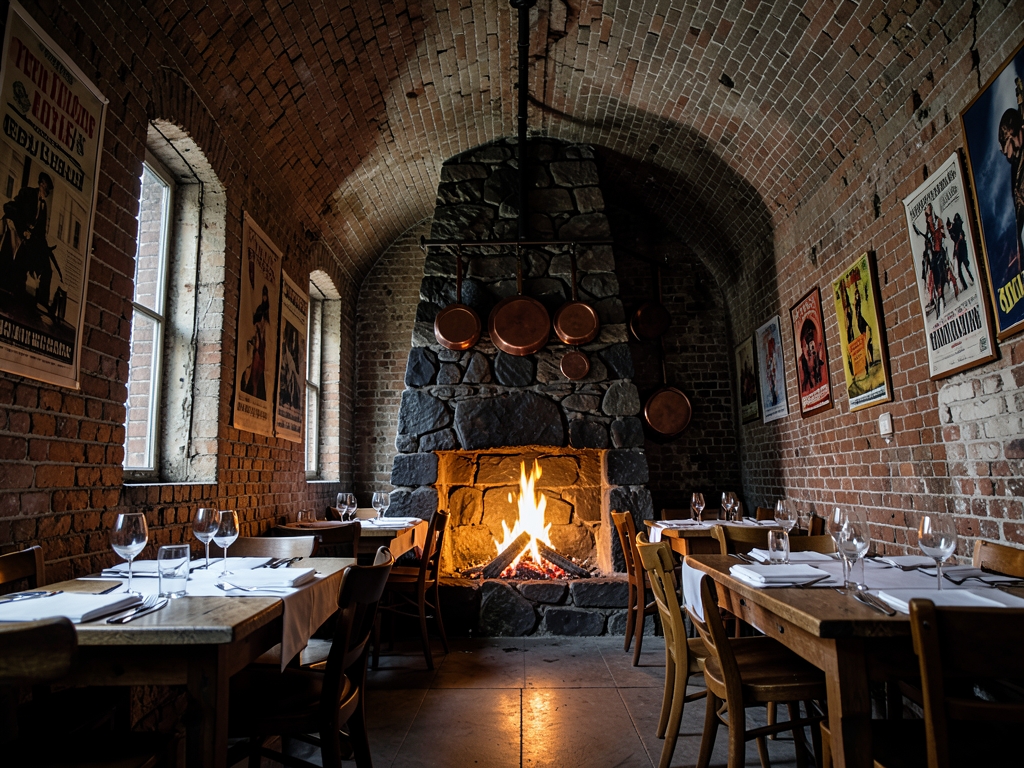
| Takeaway | Detail |
|---|---|
| Book Paris fire-cooking tables 14 days ahead. | The thesis sets the practical 2026 booking window at 14 days before the target date. |
| Verify each restaurant's actual release time. | Check Resy, TheFork, or the restaurant's own site at the exact release minute. |
| If tables are gone, set a release-time alarm. | The reader rule says to retry at the next release minute after a miss. |
| The Calcifer-led open-flame wave includes 41 Rue Notre-Dame de Nazareth, 75003. | The thesis cites that address as an example of the wave. |
Paris fire-cooking restaurants in 2026 should be booked 14 days ahead.
That answer changes if a restaurant's actual release time differs from the 14-day mark.
How Paris fire-cooking bookings release
Calcifer, at 41 Rue Notre-Dame de Nazareth, 75003, is the anchor name of Paris's fire-cooking wave. How and when its tables release is not documented in published coverage, so before planning anything, identify its booking channel—Resy, TheFork, or its own site—and observe directly when new dates and times first appear on that platform.
Before you plan around any release time, identify each target restaurant's booking channel—Resy, TheFork, or its own direct site—because the release clock differs by platform. The platform name is usually visible on the booking button or in the confirmation flow. Check that platform's own help page for when inventory drops rather than assuming a universal time; for a direct site, look for the booking policy, terms, or FAQ on that restaurant's own pages.
Treat Calcifer as your calibration case. Pick a date exactly 14 days ahead, then note on what day and hour its calendar opens for that date. Record the observed opening instead of guessing, and use it as a baseline only for the same platform, since another restaurant may use different rules.
For the booking attempt itself, choose the target date 14 days out, open the correct platform, and refresh the restaurant's page at the stated release minute, then book at that exact moment if a table is available. If tables are already gone, set a release-time alarm for your next attempt so you are ready at the exact minute rather than checking casually throughout the day.
Because platform rules and restaurant settings can change, recheck the help page before each booking cycle and keep a small log: platform used, release minute observed, and whether inventory was still available at your check. That record becomes your working rule for that specific restaurant.
If a platform gives no stated release minute, do not invent one. Test the page at a few clearly separated checks, log the first minute inventory appears, and treat that observed minute as your alarm time until the next cycle proves otherwise.

The evidence: what coverage confirms
Coverage of Paris’s open-flame dining scene is narrower than it may appear, and that gap matters when you are planning a 2026 reservation. Among the restaurants associated with this wave, only one—Calcifer—is corroborated by named, place-specific reporting that you can use as a firm starting point. Treat every other name or timing claim you encounter as unverified until you can match it to a published source or to your own direct observation.
The clearest confirmation comes from the roundup “Five of the best fire-cooking restaurants in Paris,” which lists Calcifer at 41 Rue Notre-Dame de Nazareth, 75003. That citation establishes the restaurant’s existence and address, but it provides no release-window figure. Any specific advance window cited elsewhere should therefore be treated as a hypothesis to verify, not a sourced fact. Before acting on a tip, confirm the current booking channel and note the exact moment new availability appears on that platform.
Broader demand signals are better documented. Condé Nast Traveler’s “9 Chefs on the Meals They’re Traveling For in 2027” reports that chefs are planning destination meals well into 2027, confirming that destination-dining demand is rising into 2026–2027. For a traveler, the practical implication is straightforward: expect fast sellouts at sought-after fire-cooking tables and plan your booking attempt as a time-sensitive check rather than a casual search.
Because the published record confirms the venue but not its reservation cadence, all timing figures must be self-observed. On each restaurant’s booking platform—whether Resy, TheFork, or its own site—record the date you checked, the exact release minute you observed, and how quickly tables disappeared. Repeat this across more than one release cycle if possible, since a single observation can reflect an anomaly rather than a pattern.
Use that log as your only operating evidence. When coverage, social posts, and your own notes conflict, defer to what you directly observed on the platform most recently. This sourcing discipline keeps your plan grounded in confirmed facts—named coverage for the restaurant itself and firsthand observation for the timing—so you can act on evidence rather than assumption.

Booking windows compared: which wins
The four routes to a table are not equal: only the release grab puts you in line when inventory first appears, while waitlists, walk-ins, and concierge requests all chase tables after the first wave has already claimed them.
Outside those pressure points, the default test remains a practical starting point, especially for midweek dinners early in the week. In these lower-demand periods, checking at the exact release minute you have observed is more likely to succeed than checking later the same day. If your first test shows a different interval than 14 days, update your calendar immediately and treat that observed window as your operating rule for that specific restaurant.
The guiding principle is to separate what is verified from what is assumed. Use the 14-day marker only until direct observation replaces it, adjust earlier during compressed-demand weeks, and rely on the platform’s live display for any limits or deposit terms at the moment you book. This keeps your plan grounded in evidence you can confirm yourself, even when published guidance is silent.
Also worth reading Top 7 Lesser-Known Paris Museums When is the Sweet Spot? New Study Thai Pub Meals in London: Verify £15
What to do next
| Step | Action | Why it matters |
|---|---|---|
| 1 | Pick your target date for a Paris fire-cooking table in 2026 and count back 14 days on your calendar. | That 14-day mark is the booking window stated for this guide. |
| 2 | For each restaurant, identify whether it releases tables on Resy, TheFork, or its own site (use the platform named by that restaurant). | The canonical rule requires checking the correct release platform at the exact release minute. |
| 3 | Confirm the restaurant’s actual release time for that 14-day window (do not assume it matches the calendar day). | The guide warns that the answer changes if a restaurant’s actual release time differs from the 14-day mark. |
| 4 | At the exact release minute on that platform, attempt to book the table for your chosen date. | Tables can be gone immediately when the window opens. |
| 5 | If tables are gone, set a release-time alarm for the next release window instead of retrying randomly. | The reader rule is to retry at the next release minute after a miss. |
| 6 | For Calcifer at 41 Rue Notre-Dame de Nazareth, 75003, apply the same 14-day check on its named release platform before your 2026 target date. | This anchors the open-flame example cited in the guide to the same booking rule. |
Frequently Asked Questions
How far in advance should I book Paris fire-cooking tables in 2026?
Takeaway Detail Book Paris fire-cooking tables 14 days ahead, and that answer changes if a restaurant’s actual release time differs from the 14-day mark.
Where is Calcifer located in Paris?
Calcifer is at 41 Rue Notre-Dame de Nazareth, 75003, and is cited as the anchor name of Paris’s fire-cooking wave.
Which booking channels should I check for a Paris fire-cooking restaurant?
Before planning around any release time, identify each target restaurant’s booking channel—Resy, TheFork, or its own direct site—because the release clock differs by platform.
What should I do if tables are gone at the exact release minute?
If tables are gone, set a release-time alarm and retry at the next release minute after a miss.
How can I find the exact release time for a specific restaurant?
Verify each restaurant’s actual release time by checking Resy, TheFork, or the restaurant’s own site at the exact release minute.
Is the release timing for Calcifer documented in published coverage?
How and when Calcifer’s tables release is not documented in published coverage, so observe directly when new dates and times first appear on that platform.
Quick answers
| How far in advance should you book Paris fire-cooking tables in the stated year? | The practical booking window is the stated number of days before the target date. |
| Where should you check for table availability at the exact release minute? | You should check Resy, TheFork, or the restaurant's own site at the exact release minute. |
| What should you do if tables are already gone when you try to book? | If tables are gone, set a release-time alarm and retry at the next release minute after a miss. |
| Which restaurant is named as the anchor of Paris's fire-cooking wave? | Calcifer, at the cited address, is the anchor name of Paris's fire-cooking wave. |
| Why is it important to identify each target restaurant's booking channel? | It is important because the release clock differs by platform, and you should check that platform's own help page for when inventory drops. |
Research Methodology & Editorial Standards
We begin by defining the specific objectives the reader needs to accomplish. Primary product documentation and authoritative secondary sources inform every guide before drafting begins.
Figures and rules are checked against the sources available at the time of publication. Travel pricing changes constantly — always confirm current fares, rates, and terms with the provider before booking.