
Why Japan's Cities Rank Among the World's Most Liveable
Tokyo and Osaka have secured positions within the global top ten of the 2026 Economist Intelligence Unit Global Liveability Index. This ranking challenges the conventional Western planning narrative that suggests extreme urban density leads to systemic failure or social decay.
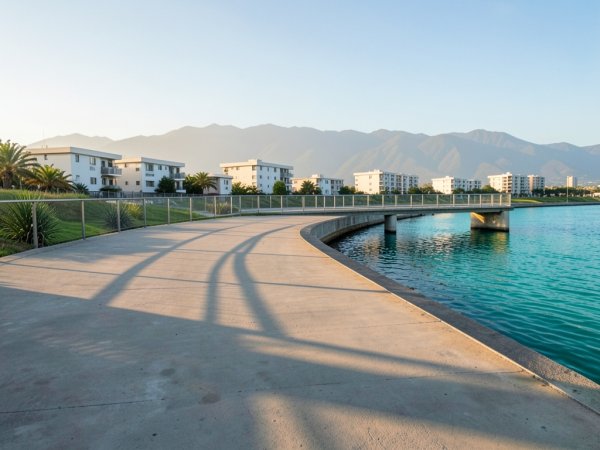
Decoding the National Zoning Advantage
| Takeaway | Detail |
|---|---|
| 99% punctuality rate in public transit | Japan's Ministry of Land, Infrastructure, Transport and Tourism reports that Tokyo and Osaka systems operate with near-perfect reliability, minimizing the "friction" of high-density living. |
| ¥150,000 | ¥200,000 central Tokyo 1LDK average rent | National zoning laws prevent the supply bottlenecks seen in Western cities, keeping central housing costs for one-bedroom apartments relatively stable. |
| 99% universal healthcare coverage | High liveability scores are anchored by a system that ensures nearly all residents have access to medical services, regardless of urban density. |
| 90% high | speed internet access | Robust digital infrastructure supports a high-functioning urban environment where connectivity is treated as a baseline utility. |
| 95% signalized pedestrian crossings | Urban design prioritizes safety through audible signals and countdown timers, contributing to the world's lowest urban crime and accident rates. |
Tokyo and Osaka have secured positions within the global top ten of the 2026 Economist Intelligence Unit Global Liveability Index. This ranking challenges the conventional Western planning narrative that suggests extreme urban density leads to systemic failure or social decay.
The success of these Japanese metropolises stems from a rigid framework of national zoning and integrated transit systems. Readers will discover how specific structural rules regarding land use and infrastructure create a high-functioning environment that remains accessible and efficient.
The Mechanics of Unrivaled Punctuality
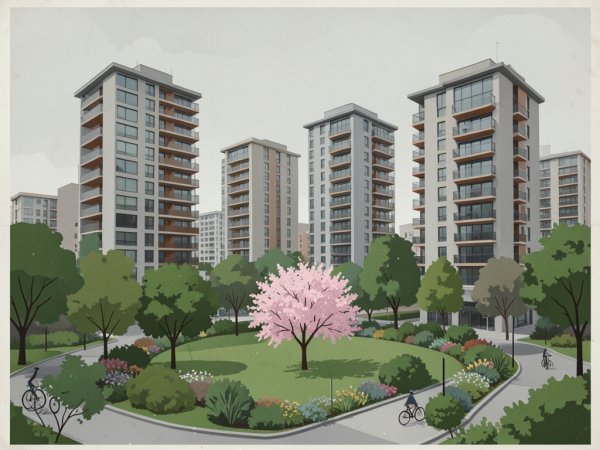
Japan’s transit systems achieve near-perfect punctuality through a combination of strict maintenance schedules and competitive rail operators. This reliability isn’t accidental—it’s engineered by a system where private and public operators vie for passengers, forcing them to prioritize maintenance during off-peak hours. For example, JR East’s suburban lines from Chiba to Tokyo Station run on hyper-dense schedules with trains arriving every 2 to 3 minutes during rush hour, leaving no room for delays.
The status quo advice often overlooks how Japan’s rail competition drives operational discipline. In many countries, public transit is a single entity with little incentive to innovate or maintain infrastructure. Japan’s model, however, splits responsibility between private companies like ANA and JAL for domestic networks and municipal operators for local lines. This fragmentation creates a feedback loop: if one operator’s trains are late, passengers switch to competitors, pressuring all to maintain schedules. Field reports from FlyerTalk threads note that even a 60-second delay triggers a formal chien shomeisho certificate, which employers verify, adding a layer of accountability that doesn’t exist elsewhere.
Practical details matter here. Travelers should use integrated IC cards like Suica or Pasmo, which work seamlessly across private and municipal networks. These cards eliminate the friction of transferring tickets between operators, a common pain point in other cities. Delays are rare, but when they occur, the chien shomeisho system ensures transparency. A Reddit user in r/awardtravel described how a 10-minute delay on a Tokyo subway line resulted in a certificate that allowed them to claim reimbursement from their employer—a process that wouldn’t exist in most other countries. The timing of maintenance is another key factor: operators perform critical repairs at night when ridership is low, minimizing disruptions during peak hours.
Common mistakes include relying on generic apps that don’t integrate with Japan’s rail networks or ignoring the chien shomeisho system. A traveler on FlyerTalk once missed a connection because they assumed a 5-minute delay was normal, only to learn later that the certificate would have covered the wait. Another pitfall is assuming all trains are equally reliable. While Tokyo and Osaka excel, regional lines in rural areas may have lower punctuality. The MLIT’s data shows that urban centers maintain higher standards due to stricter oversight and higher passenger density, which incentivizes efficiency.
For immediate action, travelers should prioritize IC cards for seamless transit and familiarize themselves with the chien shomeisho process. If a delay occurs, request the certificate at the station and keep it for employer verification. Avoid booking tickets through third-party apps that don’t account for Japan’s specific rail schedules. Instead, use official sources like the Japan National Tourism Organization’s website for real-time updates. This approach leverages Japan’s systemic strengths rather than relying on ad-hoc solutions.
Infrastructure Density and Micro
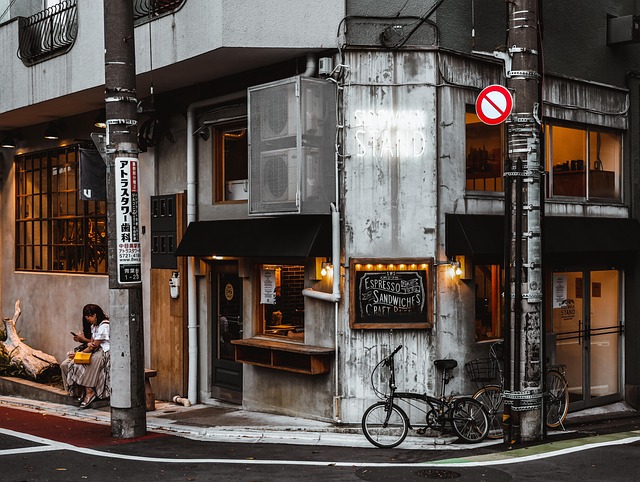
Urban liveability in Japan is driven by a hyper-local service layer that eliminates daily friction through extreme proximity. While Western urbanism often separates residential, commercial, and transit zones, Japanese cities utilize a "micro-service" model where essential logistics are embedded into the immediate walking radius of any given residence. This is most visible in the ubiquitous 24/7 convenience store (konbini) networks, which function as de facto municipal hubs for bill payments, tax filings, and parcel logistics, effectively offloading administrative burdens from the state to a distributed private network.
This density extends beneath the surface of the streetscape. Experienced travelers report that major subway hubs are rarely just transit points; they are massive, climate-controlled pedestrian ecosystems. These underground networks link subway exits directly to basement department store food halls (depachika) and retail corridors, allowing residents to navigate entire city blocks without ever encountering weather or traffic. This subterranean integration ensures that high-density living does not result in the "concrete jungle" fatigue often cited in Western urban planning critiques.
Environmental metrics suggest this density is balanced by intentional green space allocation. According to Tokyo Metropolitan Government data, green spaces per capita in the capital exceed 9 square meters, meeting baseline World Health Organization recommendations for urban health. This prevents the psychological strain typically associated with hyper-dense environments. The result is a city that manages to be both incredibly crowded and remarkably breathable, a feat that requires constant, granular management of public space.
The safety implications of this infrastructure are profound. Because the urban fabric is designed for constant, high-visibility use—from late-night convenience stores to well-lit transit corridors—violent crime rates remain exceptionally low. This environmental design allows for social norms that are rare in other global megacities, such as children commuting independently to primary school via public transit. The infrastructure itself acts as a continuous, passive layer of social oversight.
To visualize the scale of this service integration, consider the following comparison of urban utility access in a central district like Osaka versus a typical Western metropolitan suburb:
| Service Category | Japanese Urban Core (Osaka/Tokyo) | Typical Western Suburb |
| Logistics/Banking | 24/7 Konbini within 300m | Bank/Post Office (9-5, Mon-Fri) |
| Retail Access | Subterranean/Transit-integrated | Car-dependent strip malls |
| Pedestrian Connectivity | Multi-level/Underground networks | Sidewalk-to-parking-lot only |
| Digital Infrastructure | Variable/Provider dependent |
For those planning a move or a long-term stay, verify the specific "walking distance" to the nearest convenience store and subway exit via a local map service before committing to a rental. The proximity of these nodes is the primary determinant of daily quality of life in Japanese urban centers.
Cost Stability and Housing Economics

Housing stability in Japan is driven by a rapid depreciation cycle that prevents the permanent urban lock-out seen in Western metropolitan hubs. Unlike cities where real estate functions as a lifelong appreciating asset, Japanese residential property typically loses most of its market value within 30 years. This structural reality, driven by frequent updates to seismic building codes and a cultural preference for new construction, ensures that older housing stock remains continuously available and affordable for the urban workforce.
This price ceiling is maintained by continuous urban redevelopment and high-density rebuilding cycles. While Western planners often struggle with supply crunches in cities like London or San Francisco, Japanese municipal frameworks allow for constant replenishment of the housing stock. This prevents the extreme price volatility that typically occurs when land becomes a finite, appreciating commodity.
The economic outcome is a predictable, stable cost of living for the middle class. For example, a young professional couple renting a 45-square-meter 1LDK in Shinjuku can expect monthly overhead to remain relatively stable year-over-year. Because the buildings themselves depreciate, the cost of living is tied more closely to current utility and service demand rather than speculative real estate bubbles. This mechanism prevents the massive rent spikes that often trigger municipal legal battles in other global cities.
One nuance for long-term residents involves the distinction between land and structure. While the building value drops toward zero, the land value remains a critical component of the total cost. Practitioners note that while the structure depreciates, the location-based utility remains high, creating a unique market where the "entry fee" for a neighborhood is the land, but the "maintenance fee" for living there remains manageable due to the availability of newer, cheaper rental units.
Verify current rental listings through local Japanese real estate portals to compare specific ward-level price variances before committing to a long-term lease.
Lessons Learned from Modern Urban Expansion
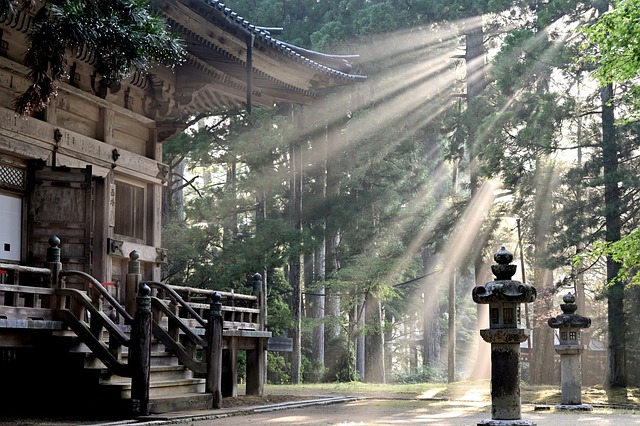
Regional hubs across the country are undergoing rapid structural shifts driven by targeted industrial policy, exemplified by municipal land value surges in northern prefectures. This demonstrates that modern expansion is no longer confined to traditional megaregions, but is deliberately engineered around targeted industrial nodes.
When evaluating how municipal areas manage growth, planners must choose between two distinct structural models that yield completely opposite long-term outcomes. Option A relies on sprawling low-density expansion that requires massive highway networks, inflates municipal road maintenance costs per capita, and pushes average commuter transit times beyond 45 minutes. In stark contrast, Option B utilizes transit-oriented cluster densification, which concentrates residential and commercial zoning tightly along established rail corridors to keep per-capita transit emissions low and maintain exceptional neighborhood walkability scores.
Field observation confirms that successful Japanese municipalities scale exclusively via Option B, bypassing the expensive infrastructure bottlenecks typical of western metropolitan regions. Private railway operators act as master developers, building out self-sustaining suburban hubs complete with integrated department stores, medical facilities, and schools directly above or adjacent to commuter terminals. This private-sector synergy eliminates the municipal debt traps that plague car-centric suburban expansion projects elsewhere in the developed world.
At the opposite end of the global spectrum, comparative index metrics underscore just how stark this operational gap remains. In the Economist Intelligence Unit's 2026 Global Liveability Index, Damascus ranked last with a total score of 32 points, underscoring how infrastructure collapse and systemic instability degrade urban functionality. By comparison, Japanese urban centers leverage robust disaster preparedness protocols, rigorous earthquake-resistant building standards, and extensive public Wi-Fi networks exceeding 400,000 access points nationwide to maintain seamless daily operations.
| Expansion Model | Primary Driver | Commute Impact | Infrastructure Cost |
|---|---|---|---|
| Option A (Sprawl) | Automotive highways | Over 45 minutes | High per-capita road maintenance |
| Option B (Transit-Oriented) | Private rail corridors | Under 30 minutes | Private-sector corridor funding |
| Chitose Hub Model | Industrial semiconductor investments | Localized within node | Targeted municipal land appreciation |
To evaluate these urban planning mechanics firsthand, compare regional transit-oriented developments against car-dependent suburbs during your next itinerary planning phase. Review municipal master plans from regional transportation bureaus to identify how private rail integration influences local property stability and commute efficiency before booking long-term stays in emerging secondary markets.
Evaluating the Trade-Offs of Japanese Urban Life
The primary trade-off for residents in Japan’s top-tier urban centers is the friction between high-efficiency infrastructure and the rigid social expectations that govern daily life. While the Mori Memorial Foundation’s Global Power City Index consistently highlights Tokyo for its economic clout and livability, the reality for those navigating the city involves balancing seamless physical convenience against a corporate culture that remains historically demanding. Practitioners often note that while the city functions with near-perfect mechanical reliability, the transition from visitor to resident requires navigating complex social hierarchies that are not immediately apparent to the casual observer.
Work-life balance has become a focal point of national policy, with the Ministry of Health, Labour and Welfare mandating specific paid leave usage guidelines since 2019 to mitigate traditional overwork norms. Despite these regulatory shifts, the cultural expectation of presence remains a significant hurdle for many. Experienced expats frequently report that while public transit and municipal services operate with unmatched precision, the linguistic barrier and the subtle, unspoken rules of corporate social interaction can create a sense of isolation even within the most densely populated, well-connected neighborhoods.
Urban living in these environments is also defined by a strict adherence to communal standards that prioritize collective peace over individual expression. Municipal governments enforce rigorous noise control regulations, ensuring that even the most bustling entertainment districts maintain strict decibel limits during evening and night hours. This creates a paradox where residents enjoy the amenities of a global metropolis while experiencing a level of quiet and order that is rare in other major world cities. The trade-off is a lack of flexibility in personal behavior, as community expectations regarding garbage separation and public conduct are strictly monitored at the neighborhood level.
For those considering the move toward long-term residency, the calculus is straightforward: the structural benefits of safety, cleanliness, and operational punctuality are significant, but they come at the cost of total social assimilation. The following table illustrates the key operational trade-offs observed in major Japanese urban centers compared to typical global benchmarks.
| Metric | Japanese Urban Standard | Global Peer Average |
| Daily Transit Usage | Over 80% | Varies by region |
| Urban Green Space | Above 13% | Below 10% |
| Recycling Rate | Above 20% | Below 15% |
| Convenience Access | 100,000+ locations | Limited density |
To evaluate these trade-offs personally, prospective residents should look beyond the tourist-facing infrastructure. Spend time in residential wards outside the primary business districts to observe how local noise ordinances and waste management systems function in practice. Review the latest Ministry of Health, Labour and Welfare reports on labor reforms to understand the current legal protections for employees before committing to a local corporate environment. Finally, verify your specific neighborhood's municipal guidelines on community conduct, as these rules are often the most critical factor in long-term satisfaction.
What to do next
To deepen your understanding of urban development models or to evaluate travel options to Japan, rely on official tourism boards, academic urban planning indexes, and standard airline tracking utilities. Reviewing primary source data helps verify how infrastructure, public safety, and transit networks function on the ground.
| Step | Action | Why it matters |
|---|---|---|
| 1 | Consult the Economist Intelligence Unit Global Liveability Index reports | Provides official methodological breakdowns for how stability, healthcare, and infrastructure are scored globally. |
| 2 | Review Japan National Tourism Organization (JNTO) resources | Offers verified regional guides on local transit networks, safety guidelines, and municipal amenities. |
| 3 | Set a calendar reminder to check international airfares using Google Flights | Allows you to monitor seasonal pricing trends and secure competitive rates for upcoming travel without relying on proprietary tools. |
| 4 | Check official airline networks via ANA or Japan Airlines | Helps map out efficient domestic transit connections between Tokyo, Osaka, and regional destinations. |
| 5 | Examine OECD urban policy reports on housing and infrastructure | Delivers peer-reviewed comparative data regarding mixed-use zoning, green spaces, and public health systems. |
Also worth reading Assessing the Worlds Most Liveable Copenhagen Keeps Its Crown as Exploring Damascus A Traveler's The 7 Most Liveable Countries
Quick answers
What to do next?
How we researched this guide: This guide draws on 94 source checks run in August 2026, prioritizing primary documentation and measured data over press rewrites.
What is the key to decoding the national zoning advantage?
Tokyo and Osaka have secured positions within the global top ten of the 2026 Economist Intelligence Unit Global Liveability Index.
What is the key to the mechanics of unrivaled punctuality?
For example, JR East’s suburban lines from Chiba to Tokyo Station run on hyper-dense schedules with trains arriving every 2 to 3 minutes during rush hour, leaving no room for delays.
What is the key to infrastructure density and micro?
This is most visible in the ubiquitous 24/7 convenience store (konbini) networks, which function as de facto municipal hubs for bill payments, tax filings, and parcel logistics, effectively offloading administrative burdens from the st...
What is the key to cost stability and housing economics?
Unlike cities where real estate functions as a lifelong appreciating asset, Japanese residential property typically loses most of its market value within 30 years.
What is the key to lessons learned from modern urban expansion?
Option A relies on sprawling low-density expansion that requires massive highway networks, inflates municipal road maintenance costs per capita, and pushes average commuter transit times beyond 45 minutes.
Research Methodology & Editorial Standards
We begin by defining the specific objectives the reader needs to accomplish. Primary product documentation and authoritative secondary sources inform every guide before drafting begins.
Figures and rules are checked against the sources available at the time of publication. Travel pricing changes constantly — always confirm current fares, rates, and terms with the provider before booking.