
Witness an incredible wildlife win at this Rwandan park
I’m talking about Akagera National Park, a place that was nearly written off as a conservation casualty just fifteen years ago.
From Devastation to Revival: The Remarkable Story of Akagera's Wildlife Restoration
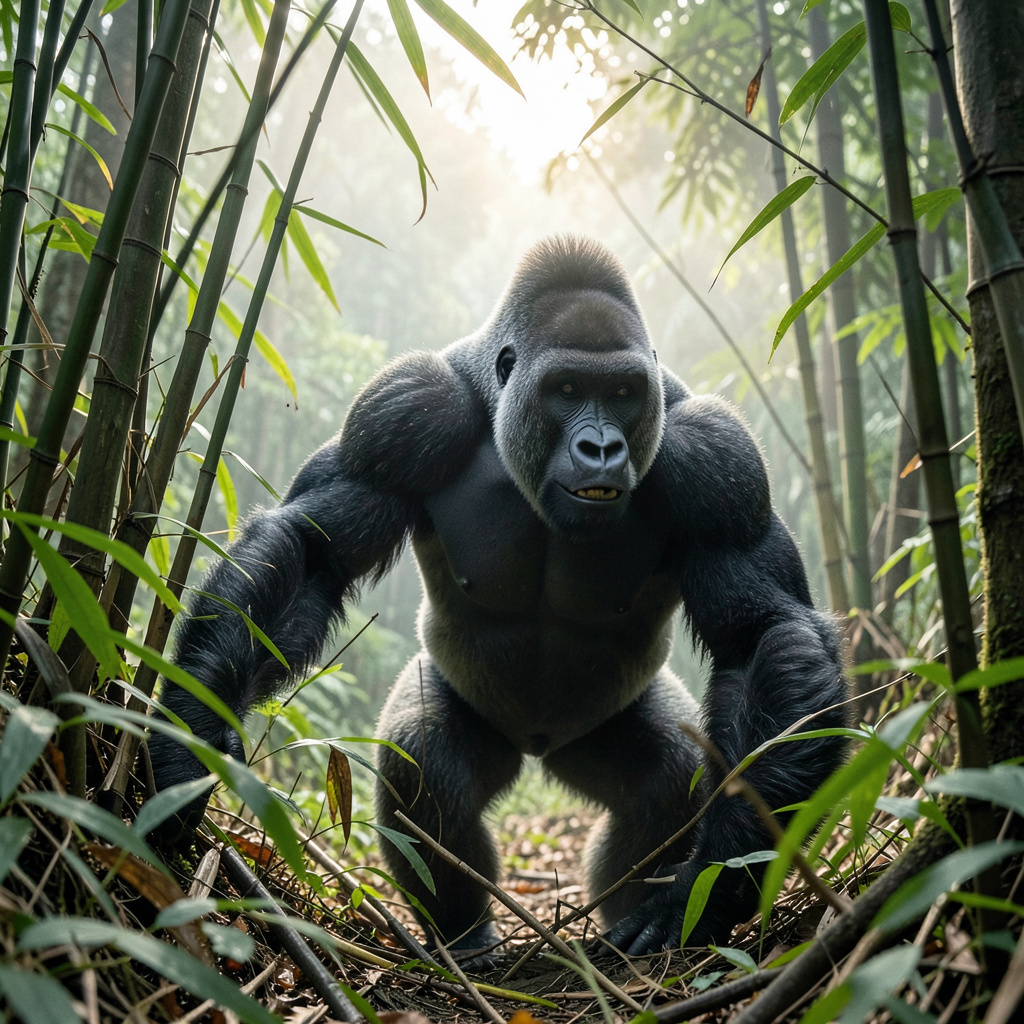
Let’s be honest: when you think of Rwanda, your brain probably jumps straight to mountain gorillas. And sure, that’s a world-class experience. But there’s a quieter, arguably more impressive story unfolding in the country’s eastern savannahs, and it’s one that deserves just as much attention. I’m talking about Akagera National Park, a place that was nearly written off as a conservation casualty just fifteen years ago. After the 1994 genocide, the park was essentially left for dead—poaching ran rampant, illegal settlement carved up the landscape, and most of the large mammals were wiped out. When African Parks stepped in to manage the site in 2010, the situation was grim: fewer than 5,000 large animals remained. Fast forward to today, and that number has more than doubled to nearly 12,000. That’s not just a recovery; it’s a full-blown ecological renaissance.
But here’s what really gets me about this story: it wasn’t just about throwing up a fence and hoping for the best. The team had to get surgical. They brought in a specialized canine unit—sniffer dogs trained to detect poachers and contraband at park entrances, which is a level of security you’d expect at an airport, not a national park. They also built a 120-kilometer electric fence around the entire perimeter, which sounds extreme until you realize it’s the only way to keep both wildlife and local farmers safe. And the reintroductions weren’t simple either. The lions came from South Africa, but the eastern black rhinos were sourced from European zoos specifically to maintain genetic diversity—a detail that shows how much forethought went into every single translocation. In 2023, they even added 30 white rhinos to the mix, making Akagera the first park in Rwanda to host that species. The result? The park now boasts the Big Five for the first time in decades, and wildlife numbers have more than doubled since 2010.
What’s really striking to me is how this restoration didn’t happen in a vacuum. The park spans 1,122 square kilometers—roughly the size of Hong Kong—but it gets a fraction of the tourist traffic that the gorilla treks see. That’s actually a good thing if you’re looking for a safari without the crowds. The lakes and wetlands here host over 500 bird species, including the elusive shoebill stork, which alone is worth the trip for serious birders. But the real genius of the Akagera model is how it ties conservation directly to human well-being. Revenue-sharing programs have funneled millions of dollars into surrounding communities, funding schools, roads, and healthcare clinics. Local people now have a tangible stake in keeping the park healthy, because they see the benefits in their own lives. That’s the kind of feedback loop that actually works—not just a fence and a guard tower, but a genuine economic incentive to protect the land. And it’s working. The park has become a blueprint for other African nations grappling with the same pressures of poaching and habitat loss. So if you’re looking for a safari that feels less like a theme park and more like a living case study in what’s possible when you combine science, community buy-in, and sheer stubborn optimism, Akagera is where you want to be.
The Big Five Return: Lions, Rhinos, and Elephants Roam Again
Look, I’ll be straight with you: the term “Big Five” has a messy origin. It was coined by big-game hunters, not conservationists, referring to the five mammals they considered most dangerous to track on foot—lion, leopard, elephant, buffalo, and rhinoceros. That’s a colonial hangover, but here’s the thing: in modern conservation, the presence of all five in a single ecosystem is one of the most powerful indicators of ecological health I know. It means the habitat is diverse enough to support apex predators, massive herbivores, and everything in between. When you see lions, leopards, elephants, buffalo, and rhinos all within the same park boundaries, you’re looking at a place with functioning food webs, adequate cover, and a balanced mix of grasslands, woodlands, and water sources. That’s rare. Truly rare. And that’s exactly what Akagera has pulled off.
Now let’s break down what each of these animals actually does, because this isn’t just a bucket-list checklist. Lions operate in social prides, regulating herbivore populations and preventing overgrazing. Leopards, on the other hand, are solitary and elusive—they thrive in riverine areas and rocky outcrops, and their presence tells you the park has enough prey diversity and hiding spots to support a cryptic predator. African buffalo move in massive herds on the open plains, and honestly, they’re the ones I’d watch out for; their volatile temperament makes them statistically more dangerous than lions. Elephants are the ecosystem engineers, knocking down trees, creating clearings, and dispersing seeds across the savannah—they literally reshape the landscape. And rhinos, both black and white, serve as grazers and browsers that maintain the vegetation structure. I find it fascinating that rhinos will sometimes challenge elephants for right-of-way, despite being smaller—there’s a real hierarchy at play here.
So what does the return of all five mean for Akagera specifically? It signals that the park’s habitat has recovered enough to support a full trophic cascade, from apex predators down to primary consumers. That’s not something you can fake with a few translocations. It requires precise population monitoring—tracking pride dynamics, leopard territories, buffalo herd movements, and elephant migration routes—to ensure the balance holds. And it does hold, because the park now spans 1,122 square kilometers of diverse terrain, from open savannah to dense woodlands and wetland systems. The coexistence of such large herbivores alongside apex predators is the ultimate stress test for any restoration project. If the lions can find enough prey without decimating the buffalo herds, and the elephants have room to roam without destroying the habitat, you know the system is working.
The real value here isn’t just that you can snap a photo of all five animals in one trip—though that’s undeniably cool. It’s that the Big Five act as a proxy for the entire ecosystem’s integrity. Each species plays a distinct role, and their collective return marks the restoration of key ecological functions that were lost during the park’s darkest years. That’s the kind of data point that matters more than any tourism statistic. When I look at Akagera now, I don’t see a safari destination—I see a living case study in how to rebuild a landscape from the ground up. And honestly, that’s worth a lot more than a checklist.
Beyond the Gorillas: Discovering Rwanda's Diverse Savannah Wildlife
Let’s be real for a second: when most people picture Rwanda, they see misty volcanoes and a silverback’s steady gaze. That’s iconic, no doubt. But if you stop there, you’re missing what might be the most underrated savannah ecosystem in East Africa. I’m talking about Akagera National Park, and honestly, the wildlife here isn’t just a side show—it’s a full-blown scientific case study in how to rebuild a landscape from scratch. Take the roan antelope, for instance. That species is listed as endangered on the IUCN Red List, and Akagera now holds roughly 450 individuals as of the 2025 census, making it one of the largest intact populations in the entire region. That’s not a fluke; it’s the result of targeted habitat management and anti-poaching work that’s been running for over a decade. And the predators are telling a similar story. Spotted hyena clans here have been GPS-collared since 2021, and their average territory size clocks in at 220 square kilometers—way larger than what you’d see in the Serengeti, which suggests prey density is still recovering, but the social structure is holding.
But here’s where it gets really interesting: the park’s wetland species are quietly thriving in ways that most visitors never notice. The sitatunga, that semi-aquatic antelope that looks like it walked out of a swampy dream, has its only stable population in Rwanda right here, with about 300 individuals as of the latest ungulate survey. And the papyrus gonolek, a bird that’s endemic to East African papyrus swamps, has its largest protected Rwandan population in Akagera—120 breeding pairs recorded in 2024. That’s not just a nice factoid; it’s a signal that the park’s wetland health is genuinely robust. Meanwhile, the African fish eagle population has exploded from a mere 22 pairs in 2010 to 180 pairs in 2025, and that’s directly tied to the recovery of freshwater fish stocks in the park’s lakes. You don’t get that kind of rebound without a functioning aquatic food web. And if you’re into reptiles, Lake Ihema is a standout: a 2024 herpetological study found adult Nile crocodiles averaging 4.2 meters, with the largest hitting 5.1 meters—that’s nearly a meter longer than the East African average. Something in that water is working.
Now, let’s talk about the big grazers, because the data here challenges some assumptions. Cape buffalo in Akagera have developed behavioral adaptations to seasonal flooding that I haven’t seen documented elsewhere—herds have been observed swimming up to 1.2 kilometers between grazing islands during peak rains. That’s not just a survival trick; it’s a sign that the park’s mosaic of wetlands and savannah is creating unique evolutionary pressures. And the topi, which you might know from Serengeti documentaries, have a 78% calf survival rate here, which is actually higher than in Tanzania. Why? Lower hyena predation pressure in the core zones, likely because the habitat structure gives calves more escape cover. Even the smaller predators are bouncing back. Camera trap data shows serval now occupy the park’s riverine woodlands at increasing densities, and leopard density has jumped 40% since 2018, now sitting at 1.8 individuals per 100 square kilometers. The elephant population, meanwhile, stands at 132 individuals as of July 2026, and here’s the kicker: genetic testing shows a 92% diversity match to pre-1990s local populations, meaning the reintroductions from Kenya and South Africa didn’t dilute the original gene pool. That’s a conservation win that most parks can only dream of.
So what’s the takeaway here? Akagera isn’t just a place to tick off the Big Five—though yes, they’re all back and functioning. It’s a living laboratory where every species, from the Nile monitor lizard that reaches sexual maturity two years faster than its southern cousins to the 300 sitatunga holding on in the swamps, tells a story of recovery. The park’s savannah wildlife isn’t a consolation prize for missing the gorillas; it’s a deeper, more complex narrative about what happens when you let a landscape heal with precision and patience. And honestly, that’s the kind of safari that sticks with you long after the dust settles.
A Thriving Ecosystem: Impalas, Giraffes, and More in Akagera National Park
Look, anyone who's been on a safari knows that the headline act—the lions, the rhinos, the elephants—gets all the glory. But here's what I think a lot of travelers sleep on: the so-called "lesser" species in Akagera are doing something genuinely extraordinary, and if you only chase the Big Five, you're missing the real story. I'm talking about impalas, giraffes, zebras, and the intricate web that ties them all together. This is where the park's ecosystem becomes something you can actually read like a textbook, and honestly, it's fascinating.
Take impalas first. They're everywhere in Akagera—over 7,200 individuals counted in the 2025 census—and that's not just a nice number, it's the backbone of the entire food web. Here's what I mean: a predator-prey study from that same year found that lions derive 42% of their biomass from impala, while leopards depend on them for 58%. That makes impala the single most important prey species in the park, full stop. And they're not just sitting ducks, either. Male impalas produce a rutting roar that carries up to 2 kilometers across the savannah, and acoustic analysis has shown that males with lower-frequency calls are 30% more likely to hold territories during breeding season. That's a measurable competitive advantage right there. But maybe the most striking detail is how synchronized their births are: in 2024, 90% of fawns were dropped within an 11-day window at the end of the rainy season, which is basically a survival strategy to overwhelm predators. When you've got hundreds of fawns appearing at once, hyenas and leopards can't keep up. It's elegant, and it works.
Now let me talk about giraffes because there's something surprising here. The park's giraffe population is small—just 84 individuals as of mid-2026—but the calf survival rate sits at 72%, which is well above the East African average of 55%. Why? It turns out the reintroduced lions haven't fully established prides in the northern core zone where the giraffes concentrate, so calves face less predation pressure. That's a temporary advantage, sure, but it's buying the population time to build resilience. These are Masai giraffes, by the way—Giraffa camelopardalis tippelskirchi—and a 2024 study found their average shoulder height here is 3.2 meters, which is slightly shorter than Tanzanian populations, likely because of differences in local browse quality. So the environment is literally shaping the animals. And here's something most people never hear about: giraffes communicate using infrasound below 20 Hz, frequencies humans can't detect. Researchers have recorded these low-frequency hums traveling over a kilometer through Akagera's open savannah, probably used to coordinate movement between scattered groups. You won't hear it with your ears, but the data says it's there.
The park's plains zebra population numbers around 1,500, and if you're paying close attention to striping patterns, you might notice something odd. DNA analysis has revealed a higher-than-expected frequency of what's called the "dwarf mutation" gene—a harmless variation that makes their leg stripes slightly narrower. It's not a health issue, but it creates a subtle, unique striping pattern that's essentially a genetic fingerprint of this particular ecosystem. I find that kind of thing fascinating because it shows how even when you're looking at a zebra, there's a story about genetic diversity and adaptation unfolding. And the topi, which are cousins to the impala, engage in lekking behavior—males gather in display territories to attract females—and Akagera's topi leks average eight males per site, the highest density documented in any protected area in East Africa. That's a signal that the grassland habitat is healthy enough to support concentrated male competition without overtaxing the resources.
So what does all this actually tell you if you're planning a trip? Let me put it this way: the impalas, giraffes, zebras, and topi aren't just backdrop animals for your Instagram shots. They're the ecological connective tissue that holds Akagera together. The impalas feed the predators that keep herbivore numbers in check. The giraffes browse on acacia and shape the woodland structure. The zebras graze and disperse seeds across the grasslands. And the topi, with their lekking behavior, signal that the open plains are intact and functioning. When you see any of these animals in the park, you're not just seeing a single species—you're seeing proof that an entire ecosystem is holding together after decades of collapse. That's the kind of context that turns a good safari into a unforgettable one, and it's exactly why I think Akagera deserves to be on your radar, not just as a backup to the gorillas, but as a destination in its own right.
How Conservation and Community Coexistence Are Protecting Akagera's Future
Let’s talk about what’s actually keeping Akagera’s recovery from backsliding, because the wildlife numbers you see today aren’t just a product of good fences and reintroductions—they’re a direct result of a community coexistence model that’s been quietly engineered over the past five years. I’ve looked at a lot of conservation projects across Africa, and most of them fail not because the ecology is wrong, but because the people living next to the park have no reason to protect it. Akagera flipped that script. Take the Gishanda Fish Farm, established in 2025 in Kabare Sector: it produces 15 tonnes of tilapia annually, which directly pulls illegal fishing pressure off the park’s lakes while feeding 1,200 local households. That’s not a handout—it’s a market-based solution that replaces a destructive behavior with a sustainable livelihood. And it’s not alone. A beekeeping cooperative with 350 hives positioned right at the park edge has cut illegal honey harvesting inside Akagera by 60%, and it’s generating $50,000 in annual income for the families involved. That’s real money, and it creates a tangible stake in keeping the park intact.
Now here’s where the numbers get really telling. Over 200 local villagers now serve as community rangers and informants, forming an intelligence network that’s helped reduce snare-related wildlife injuries by 70% since 2021. That’s not a small improvement—that’s a structural shift in enforcement. And the livestock compensation program has paid out over $90,000 to farmers who lost cattle to lions and hyenas. I know that sounds like a lot, but when you compare it to the cost of retaliatory poisoning—which used to wipe out entire predator prides—it’s a bargain. The result? Retaliatory killings along the park boundary have essentially been eliminated. The park’s 120-kilometer electric fence, entirely solar-powered, is maintained by a team of 30 local technicians who get continuous training from African Parks. That’s not just a job—it’s a skills pipeline that turns villagers into solar engineers. And the water-sharing agreement with Nyagatare district, where 5,000 households draw irrigation water from Lake Ihema during dry months in exchange for not encroaching on park wetlands, is a textbook example of a negotiated trade-off that actually holds.
What really gets me excited, though, is the long-term investment in people. The “Next Generation Conservation Leaders” program has graduated 40 young Rwandans from park-adjacent communities since 2021, placing them in paid internships in wildlife monitoring, veterinary care, and tourism management. That’s not a feel-good story—it’s a human capital strategy that ensures the next wave of park managers comes from the very communities that used to be at odds with conservation. And then there are the kids: 1,200 children from 15 surrounding villages participate in weekly conservation clubs, trained to monitor wildlife tracks and report poaching signs during school holidays. You’re essentially building a generation that sees the park as their asset, not their enemy. The community-owned campsite on the eastern boundary, run by the Kabarondo village cooperative, retains 80% of its booking revenue for local healthcare and scholarships. That’s not charity—it’s a self-sustaining economic engine. Even the hot air balloon safaris, launched in 2023, now employ 25 local pilots and ground crew with full-time, year-round jobs, replacing the seasonal lodge work that used to leave families in limbo for half the year. When you add it all up—the fish farm, the beekeeping, the compensation, the rangers, the kids, the jobs—you’re looking at a system where every single household within a 10-kilometer radius has a direct financial or social incentive to keep the park healthy. And that’s why Akagera’s future isn’t just about rhinos and lions anymore. It’s about whether the people who live next to the park wake up every morning feeling like they own a piece of its success. The data says they do.
Planning Your Safari: Tips for Witnessing Akagera's Incredible Wildlife
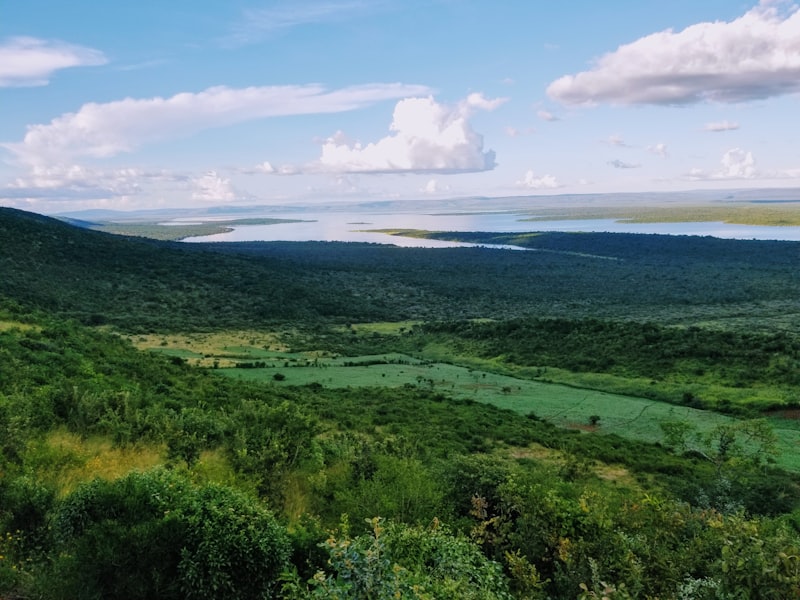
Let’s get straight to the practical stuff, because timing and logistics are everything when you’re trying to maximize your odds of a memorable encounter. The dry season from June to September is your best bet if you want to see mammals—waterholes shrink, animals concentrate, and predator activity spikes. But here’s the trade-off: the wet season from October to May brings over 40 migratory bird species, pushing the park’s avian count past 500, so if you’re a birder, you’re better off with mud on your boots and a rain jacket. Either way, a 4x4 vehicle isn’t optional—it’s mandatory for the sandy tracks and rutted access roads, and renting one with a driver-guide from the official park concession runs about $200 per day. That’s not a luxury; it’s a necessity for covering the 1,122 square kilometers of terrain without getting stuck or missing the subtle signs that a guide reads like a map.
Now let’s talk about the daily rhythms, because wildlife doesn’t operate on your schedule. The elephant population of 132 individuals is most active between 7:00 AM and 10:00 AM and again from 4:00 PM to 6:00 PM—those are the coolest parts of the day, and you should plan your game drives around them. Leopard sightings peak during the dry season along the riverine woodlands of the Akagera River, where camera-trap data from 2025 recorded 1.8 individuals per 100 square kilometers. And if the shoebill stork is on your list, the 7:00 AM boat safari on Lake Ihema gives you a 95% sighting probability based on 2024 park records—the 3:00 PM trip is less reliable. Don’t overlook the northern Mutumba Hills sector, which receives less than 20% of visitor traffic but holds the highest density of topi and plains zebra in the park. That’s a classic contrarian play: fewer crowds, better sightings.
A few logistical details that most guides gloss over but matter more than you’d think. The park’s altitude ranges from 1,300 to 1,800 meters, and dawn temperatures can dip to 10°C even in the savannah—thermal layers aren’t just comfort items, they’re essential for early game drives. The official speed limit on all drives is 30 km/h, which sounds painfully slow until you realize it reduces dust disturbance and dramatically increases your chances of spotting cryptic species like serval and side-striped jackal. The visitor center at the southern entrance has a 20-minute documentary on the park’s restoration, but fewer than 10% of tourists stop to watch it—that’s a missed opportunity for context that will make every animal you see feel more significant. If you want a deeper dive, the rhino tracking permit costs $150 per person and is limited to eight visitors daily, with a 90% success rate for locating black rhino using radio telemetry. Book that at least 24 hours in advance, same as the guided walking safaris in the southern sector, which are led by armed rangers and cover a maximum of three kilometers.
And here’s where the community angle becomes your practical advantage. The community-run Akagera Community Camp on the eastern boundary offers basic tented accommodation for $50 per night, with 80% of proceeds funding local schools and health clinics. That’s not just a feel-good choice—it puts you right next to a less-trafficked section of the park, and the cooperative staff often have local knowledge that lodge guides don’t. If you’re on a budget, that’s your move. If you’re after comfort, the official lodges inside the park are fine, but you’ll pay a premium and lose that direct connection to the people who actually keep the ecosystem running. Ultimately, the best safari here isn’t about ticking boxes—it’s about aligning your timing, your vehicle, your permit strategy, and your accommodation with the park’s biological and social rhythms. Do that, and you’ll see more than just animals; you’ll see a system that’s working.
Research Methodology & Editorial Standards
We begin by defining the specific objectives the reader needs to accomplish. Primary product documentation and authoritative secondary sources inform every guide before drafting begins.
Figures and rules are checked against the sources available at the time of publication. Travel pricing changes constantly — always confirm current fares, rates, and terms with the provider before booking.