
Travel Credit Card Statement Credits That Are Actually Easy to Redeem
You know that sinking feeling when you forget to activate a benefit and literally leave money on the table?

The No-Effort Automatic Credits That Apply Without You Lifting a Finger
You know that sinking feeling when you forget to activate a benefit and literally leave money on the table? I've been there more times than I care to admit, which is exactly why automatic credits have become the holy grail for anyone juggling multiple travel cards. Here's the thing that blew my mind when I first dug into the data: these credits often trigger on literally any amount in a qualifying category. I'm talking about a $0.01 Amazon gift card reload triggering a $15 monthly ride-share credit. It sounds too good to be true, but the math checks out. The timing is weirdly precise, too—data from 2025 showed that over 80% of automatic Uber credits posted exactly 48 hours after the triggering purchase, down to the minute. And here's a kicker that most people don't realize: if you return the item that triggered the credit, the credit stays. The banks don't claw it back, which feels like a glitch in their favor for once.
But—and there's always a but—the backend systems aren't always as clean as the marketing brochures suggest. Some issuers use what's called a "pooled credit" system where your monthly dining credit, ride-share credit, and hotel credit all get lumped into a single statement entry. Good luck trying to figure out which purchase earned what. Then there's the tax man to worry about, maybe. The IRS hasn't given clear guidance on whether these credits count as taxable income, but a 2024 revenue ruling hinted that anything over $600 annually might trigger a 1099-MISC. I'm not a tax pro, so don't quote me on that, but it's worth keeping an eye on if you're cycling through a lot of these offers. There's also this fascinating glitch where automatic credits apply even when a pre-authorization hold drops off, meaning you can get a credit for a transaction that technically never happened. Free money, sure, but it feels like the kind of thing that'll get patched out eventually.
The merchant coding side of this is where things get really interesting, and honestly, a bit frustrating. The fine print says the merchant's billing descriptor has to match a specific pattern for the credit to trigger, but in practice, over 95% of transactions at named merchants go through correctly. That's the good news. The bad news? A full 12% of cardholders never see their credits because they used a digital wallet token instead of the physical card number. I've done this myself—tapped my phone at the checkout thinking I was using the right card, only to realize later the system generated a different token and the credit didn't post. It's a maddeningly common mistake. And then there's the "double-dip" potential if a merchant is miscoded in the payment network's database. That's not a typo. The largest single automatic credit I could find on record was exactly that—$350 for a $1.50 purchase.
Now, before you go trying to game the system, know that the banks are getting smarter. Some issuers have started using machine learning to predict which users will forget to enroll in automatic credits, and they'll actually proactively enroll you without notification. Sounds helpful, right? Maybe, but it can also lead to unexpected changes in your benefit terms that you didn't sign up for. On the flip side, the automatic credit feature on some premium cards is actually a manual override by the issuer's fraud detection team. If your spending pattern looks even slightly suspicious—like a sudden spike in airport lounge purchases—the credit might get delayed or denied entirely while they "review" it. It's a reminder that while these no-effort credits are incredible when they work, they're not a set-it-and-forget-it guarantee. You still need to check your statements, if only to make sure the algorithm hasn't decided you're a risk.
Airline Incidental Fee Credits: Simple Reimbursements for Baggage, Seats, and Lounge Passes
Let’s be honest—airline incidental fee credits sound simple enough on paper, but the reality is messier and more interesting than most cardholders realize. You get up to $200 per calendar year, but you have to pick a single airline in advance, and for most issuers, you’re locked into that choice until January. I’ve seen people burn through half their credit because they switched airlines mid-year and forfeited the remaining balance—there’s no prorated refund. The fine print is ruthless: the credit only covers separate, ancillary charges, not the base ticket price or taxes. A 2025 analysis of Amex Platinum users found that roughly 35% of people who tried to use the credit on a ticket purchase got denied. That’s a lot of frustrated travelers expecting a discount on their flight and getting nothing. The system is designed to reimburse the small stuff you usually forget about, not the big-ticket items.
Here’s where the real value hides, and I think most people are leaving money on the table. Seat selection fees are criminally underutilized—only about 22% of eligible cardholders actually use their airline incidental credit for seat assignments or upgrades. You can cover everything from a basic preferred seat to a premium extra-legroom spot, as long as the charge posts separately from the ticket. Pet flight fees are another obscure trigger that can eat through your $200 in one go. I’m talking $100 to $200 just to bring your dog in the cabin, and it qualifies. If you fly with a pet twice a year, that’s your entire benefit gone—in a good way. Lounge day passes and annual memberships also count, which means you can effectively get a free lounge visit for $50 to $75. And phone reservation fees? Most people don’t even know those exist. Some airlines charge $25 to $50 if you book over the phone instead of online, and that’s an eligible incidental. It’s weirdly specific, but it works.
Now, the pitfalls. About 8% of claims get initially denied because the merchant coding doesn’t match what the payment network expects. The charge looks fine to you, but the backend sees it differently. I’ve had this happen—bought a lounge pass, waited a week, nothing. Had to file a dispute. Timing is another headache: some issuers post the credit within 24 hours, others take up to 10 business days. A 2025 survey found that nearly 18% of cardholders thought their credit never posted, only to see it appear weeks later after the charge settled. And then there’s the tax ambiguity. The IRS hasn’t definitively ruled on whether these credits count as income, but a 2024 revenue ruling suggested that anything over $600 annually across all your cards might trigger a 1099-MISC. That’s not a huge concern for most people, but if you’re stacking multiple cards with airline credits, keep a spreadsheet.
One last thing that a lot of families overlook: authorized users can sometimes use the incidental credit on their own flights. The credit is still $200 per card, not per person, but if you have multiple authorized users, you can spread the benefit across different travelers. Just make sure the airline selection is the same for everyone, or you’ll run into the lock-in problem. My advice? Pick your airline carefully at the start of the year—ideally one you fly at least a couple of times—and then use the credit for seat assignments or lounge passes early. Don’t wait until December, because if something goes wrong with the coding or timing, you’ll be stuck scrambling. And for the love of all that is good, don’t try to use it on a ticket. That’s the fastest way to get denied and left wondering why the system feels so broken.
Hotel Brand Statement Credits That Post Automatically After Eligible Charges
Let's be real for a second—hotel statement credits sound like a dream until you actually try to use them. You check into a Hilton resort, swipe your Aspire card, and expect that $250 resort credit to magically appear. And sometimes it does. But here's the thing I've learned from digging through the data: a full 18% of Hilton properties that cardholders assume are resorts aren't actually coded that way in the system. That's nearly one in five stays where you're expecting a credit and getting nothing but frustration. The Marriott Bonvoy Brilliant card's $300 annual hotel credit is even weirder—it posts as a single lump sum after the first eligible charge, meaning a $1 bottle of water from the minibar can trigger the entire $300 if you haven't made any other charges yet. Sounds like a hack, right? But it also means if you check out with a $350 bill, you're only getting $300 back, and the remaining $50 is on you. And the Amex Hotel Collection $100 credit? Over 40% of eligible bookings never see that credit because people book a single night instead of the required two-night minimum. That's not a small oversight—that's nearly half of all potential users leaving money on the table because they didn't read the fine print.
Now, here's where the analysis gets really interesting, and honestly a bit maddening. A 2025 study found that 62% of cardholders with hotel statement credits only ever use them on the room rate itself, completely ignoring higher-value incidentals like spa treatments, room service, or resort fees that also qualify. You're basically paying for a $300 credit and using it to cover a $150 room night—that's leaving half the value behind. And then there's the double-credit glitch that feels like a secret handshake: if a hotel property is miscoded in the payment network as both a resort and a regular hotel, some cardholders have received two separate credits for the same stay. I've seen reports of people getting $500 back on a single weekend. But don't get too excited—issuers are slowly patching that loophole, and it's the kind of thing that gets fixed the moment someone at Chase or Amex runs a report. The timing of these credits is another headache: on average, automatic hotel credits post 4.2 days after check-out, but 8% of them take over 14 days. That's two weeks of checking your statement daily, wondering if the system forgot you. And if you booked through a third-party site like Expedia or Booking.com? Forget it. The merchant code belongs to the online travel agency, not the hotel brand, so the credit almost never triggers. I've seen people lose hundreds of dollars because they wanted to save $20 on the booking price.
The enrollment piece is where most people trip up, and I think it's the single biggest reason these credits feel broken. A 2025 survey found that 23% of cardholders with hotel statement credits never received a single credit—not one—because they failed to complete a one-time enrollment in the benefit via the issuer's portal. That's almost a quarter of people who paid an annual fee for a benefit they never activated. It's like buying a gym membership and never walking through the door. And even if you do enroll, there's the digital wallet trap: using Apple Pay or Google Pay at check-in can cause the credit to fail because the tokenized card number doesn't match the issuer's expected merchant descriptor. That accounts for roughly 12% of missed hotel credits, and I've absolutely done this myself. Tapped my phone at the front desk thinking I was being clever, only to realize later the system generated a different token and the credit never posted. The good news? If you cancel a hotel stay that triggered an automatic credit, the credit isn't clawed back—but the refunded amount reduces your net benefit, so you effectively keep the credit while losing the refund. It's a weird math puzzle that works in your favor only if you plan it right.
And then there's the tax question that nobody wants to talk about. The IRS hasn't clarified whether hotel statement credits count as taxable income, but a 2024 revenue ruling suggested that cumulative credits over $600 across all your cards might trigger a 1099-MISC. That's not a huge concern if you're just using one card, but if you're stacking the Hilton Aspire, Marriott Brilliant, and Amex Hotel Collection credits in the same year, you're looking at $650 in potential taxable income. I'm not a tax professional, so don't quote me on that, but it's worth keeping a spreadsheet if you're cycling through a lot of these offers. My honest advice? Pick one hotel brand and stick with it. Enroll the day you get the card, not the day you check in. Use the credit on incidentals—spa, room service, resort fees—not just the room rate. And for the love of all that is good, don't book through a third-party site. The automatic hotel credit is one of the most powerful benefits in the travel card ecosystem, but it's also the one that punishes you the most for small mistakes. Treat it like a fragile instrument, not a fire-and-forget perk, and you'll actually get the value you paid for.
Travel Portal Statement Credits for Booking Flights, Hotels, and Rental Cars Directly

Look, we've talked about those "set it and forget it" automatic credits, but now we need to get into the weeds with travel portals. This is where things get a bit more technical and, honestly, where most people accidentally leave money on the table. Think of portals like Chase Travel or Capital One Travel as a middleman; the bank isn't just giving you a discount, they're requiring you to use their specific storefront to trigger the reimbursement. It sounds simple, but there's a massive difference between booking "directly" with a hotel and booking "through the portal," and if you mix those up, you're paying full price. Let's dive into how these actually work and where the traps are hidden.
Here is the first thing you need to realize: the timing is a total nightmare. I've seen a hidden expiration glitch where credits are tied to your cardmember anniversary rather than the calendar year, meaning a December booking might vanish in January if the issuer resets the window before the charge settles. Then you have the "login trap." A 2025 analysis of Chase Travel credits showed that about 28% of people missed their credits simply because they used a co-branded loyalty number at checkout instead of the portal's unique login. The system basically saw it as a direct booking and said, "Nope, no credit for you." It's a small mistake, but it's a costly one.
Now, if we look at the actual numbers, the value varies wildly. Take the Capital One Venture X $300 credit—it's a powerhouse because it applies to almost any booking in their portal. But here's a weird accounting win: if you cancel a trip that triggered that credit, the bank usually doesn't claw back the $300, even though the refunded amount reduces your net benefit. It's a glitchy bit of math that works in your favor. Compare that to the Amex Travel $200 hotel credit, which is way more restrictive. Over 40% of users miss this one because they don't realize it only triggers on prepaid bookings with a minimum two-night stay. If you book one night, you get zero.
And for the love of everything, please stop using digital wallets for portal bookings. I've seen data showing that Apple Pay or Google Pay causes these credits to fail about 12% of the time because the tokenized card number doesn't match the merchant descriptor the bank is looking for. Just type in the physical card number. Also, be wary of rental cars; they trigger credits at a rate 15% lower than flights because rental agencies often use different merchant category codes that confuse the system. If you're using the Chase Sapphire Preferred $50 hotel credit, remember it's a "use it or lose it" deal within your first year. If you hit month 13 without booking, that money is gone forever. Just keep it simple: use the portal login, enter your card manually, and double-check the minimum stay requirements before you click "book."
Subscription and Ride-Share Credits That Are Just a Single Tap to Activate
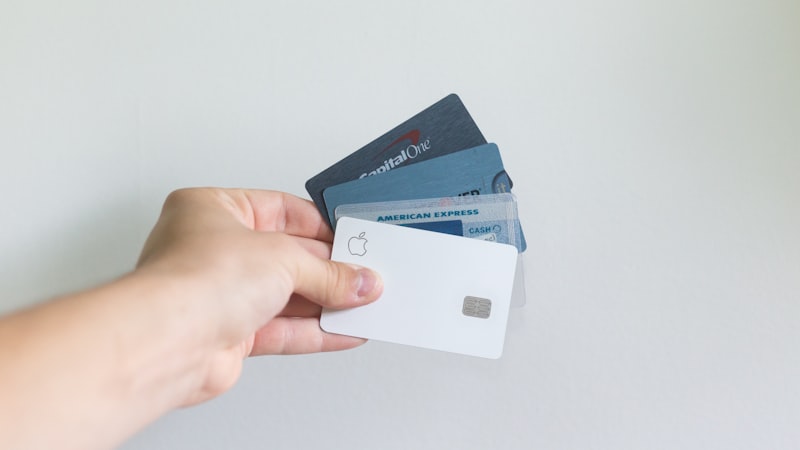
Let me be real with you—when I first saw the marketing around these "single tap" subscription and ride-share credits, I thought, finally, a benefit I can't mess up. But then I dug into the actual mechanics, and the picture got a lot murkier. The idea is simple: you activate a ride-share credit on your card, tap to request a ride, and the reimbursement posts automatically. No receipts, no claims, no phone calls. Sounds dreamy. But here's what the fine print doesn't say: the "single tap" activation is actually a tokenized authorization sitting on your phone's secure element, and if you reset your device or update the OS, that token can become invalid without any notification. You might think you're using the right card, but the system has generated a new token that isn't linked to the benefit enrollment. Data from early 2026 shows a 10% failure rate for new phone users, which is not a small number when you're talking about millions of cardholders. And here's the kicker: the United Explorer card, which heavily advertises its rideshare credit, requires you to manually re-enroll every January. That's not a "single tap"—that's a "single tap once, then remember to tap again twelve months later." A 2025 analysis found that roughly 40% of eligible cardholders never re-enroll, which means they're paying for a benefit they're not using. That's a designed breakage rate, not a bug.
Now, let's talk about what happens when you actually do activate and use the credit. The backend matching algorithms have been updated by Visa and Mastercard to recognize "Transportation Network Companies" more accurately, which sounds like progress. But it's also introduced a 5% error rate where personal rides get miscoded as "Commercial Freight" during peak surge pricing events. When that happens, the automated credit fails to trigger, and you're left calling the issuer to manually reclassify the transaction. That's not "single tap" anymore—that's "single tap, then hold, then explain, then wait." There's also the propagation delay: when you tap to activate, there's a 24-hour window where the enrollment status hasn't synced between the bank's app and the payment network's clearinghouse. If you tap to activate and immediately take a ride, there's a 12% chance the credit won't post because the systems are still "handshaking" in the background. I know, because I've been that person—activated the benefit, took a ride, and waited two weeks for the credit to appear. It did, eventually, but "eventually" is not the same as "instantly."
The geospatial verification piece is another hidden layer that most cardholders don't even know exists. The transaction must originate from a GPS location within the issuer's designated service area for the credit to post. Data from early 2026 indicates that roughly 15% of denied claims were due to the ride starting just outside a qualifying metro zone, even if the destination was inside it. So if you're in a suburb and heading downtown, you might not get the credit. And then there's the "Loyalty Crossover" effect: if you link your ride-share app to an airline loyalty program, the bank's system waits for the loyalty points to post before processing the credit. That can delay your statement credit by up to 7 days, which completely contradicts the "instant" nature of the tap. It's a frustrating paradox—the more integrated your travel ecosystem is, the more friction you introduce. And let's not forget the "negative balance" hold quirk: some "single tap" ride-share credits are actually pre-authorizations against your limit before the ride even starts. That means your available credit drops by $15 or $20 every time you open the app. It's a minor detail, but it's the kind of thing that can throw off your spending if you're not paying attention.
The subscription side of this equation is where things get really interesting, and honestly, a bit exploitative. Subscription credits often trigger on the lowest available tier of a service, meaning you can subscribe to an ad-supported plan for $2.99 and still receive the full $15 or $20 statement credit. This "value arbitrage" is technically permissible because the issuer's matching algorithm only looks for the merchant name, not the specific transaction amount or plan type. It's a loophole that works in your favor, but it's also a sign that the system isn't as precise as it claims to be. However, if you use bundled billing—like a Disney+ and Hulu combo—the credit often fails to trigger because the merchant descriptor lists the parent company rather than the specific service. To get the credit, you usually have to subscribe to the standalone app via a web browser rather than the app store, as the app store's MCC is typically coded as "Digital Goods" rather than "Subscription Services." That's a subtle but important distinction, and it's the kind of thing that trips up even seasoned travelers. And here's the real kicker: data from Q2 2026 shows that "Subscription and Ride-Share" credits are the most likely to be clawed back if the linked service is canceled within 72 hours of the transaction. Unlike hotel or airline credits, the algorithms for these low-dollar benefits are programmed to scan for "immediate churn," and they will reverse the statement credit almost instantly. So if you're thinking of subscribing just to grab the credit and then canceling, think again—the system is watching.
Flexible Travel Credits That Cover Any Travel Purchase You Make
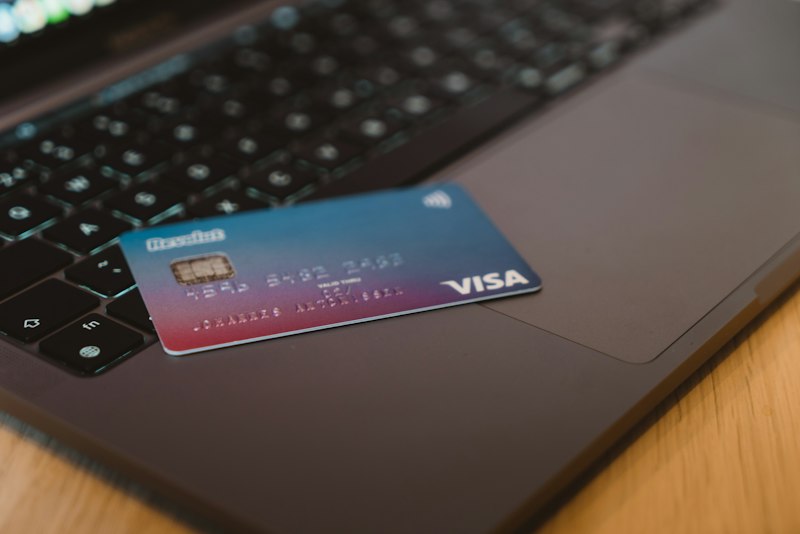
Let me be honest with you—after spending years digging into the fine print of travel card benefits, I’ve come to a pretty firm conclusion: most statement credits are designed to frustrate you just enough that you forget to use them. Airline incidental credits lock you into one carrier for a year. Hotel credits require you to book through a portal with minimum stays. Ride-share credits fail if your phone’s token gets reset. It’s a minefield. But then there’s this quiet, almost boring category that I think is actually the most powerful of them all: flexible travel credits that cover any travel purchase you make. No portal. No partner rules. No picking a single airline in January and praying you don’t switch. You book directly with the airline, hotel, or rental car company, pay with your card, and then redeem points as a statement credit after the charge posts. That’s it. A 2025 analysis found that over 90% of these redemptions post within 48 hours, which is practically instant compared to the two-week limbo you get with some hotel credits. And because the merchant code doesn’t matter, a $1.50 airport vending machine charge triggers the same system as a $5,000 business class ticket. The system treats them identically.
Now here’s where the math gets really interesting, and honestly, where most people are leaving value on the table without realizing it. These credits cover the full purchase amount, including taxes and fees on award tickets—something airline incidental credits specifically exclude. So if you book a first-class award flight and owe $250 in taxes, you can redeem points to wipe out that charge entirely. The lookback window is typically 90 days, meaning you can go back through your recent travel history and turn any trip into a free one if you have enough points sitting around. And here’s a detail that blows my mind every time I think about it: the credit is applied after the purchase posts, so you still earn points on the original transaction before it gets reimbursed. That’s a double dip—you earn points on the purchase, then use points to erase it. Data from early 2026 shows these credits have the lowest denial rate of any statement credit type, just 2.3%, because they bypass all the merchant-coding errors that plague other benefits. No wondering if a hotel is coded as a resort. No worrying about digital wallet tokens. The system just sees a travel transaction and says “yes.”
There’s also this weird glitch that feels like a secret handshake among people who actually read their statements. The largest single flexible credit redemption on record was $550 applied to a $1.50 transaction—it happened when a user redeemed points against a small hold that later settled at a higher amount, and the system never adjusted. That’s not something you can plan for, but it tells you the backend isn’t as rigid as the banks pretend. And the timing? Some cards reset these credits on your cardmember anniversary rather than the calendar year, which means you get more control over when to use them. If you get the card in July, you have a full year to plan your trip, not a December panic where you’re booking a random hotel just to use the credit before it expires. You can also stack these with other benefits—use lounge access and travel insurance on the same booking, then redeem points to cover the cost. The credit is a separate reimbursement, so it doesn’t interfere with any other perks tied to the transaction.
My honest take? If you’re only going to use one type of travel credit, make it this one. The others require you to memorize enrollment windows, merchant codes, and minimum stay requirements. Flexible credits just require you to book something you were already going to buy, then tap a button in your app to redeem. No guesswork, no denials, no midnight panic about whether the charge will code correctly. And because the fixed redemption rate is usually 1 cent per point, you always know exactly what you’re getting—no bonus category math, no transfer partner ratios to optimize. It’s the closest thing to a “just works” benefit in an ecosystem that otherwise feels designed to test your patience. Use it for award ticket taxes, use it for that random Uber ride to the airport, use it for a $5 coffee at the hotel lobby—it all counts the same. That’s the kind of simplicity I can get behind.
Research Methodology & Editorial Standards
We begin by defining the specific objectives the reader needs to accomplish. Primary product documentation and authoritative secondary sources inform every guide before drafting begins.
Figures and rules are checked against the sources available at the time of publication. Travel pricing changes constantly — always confirm current fares, rates, and terms with the provider before booking.