
Tragic Crocodile Attack at Popular Mexico Resort Raises Travel Safety Warnings
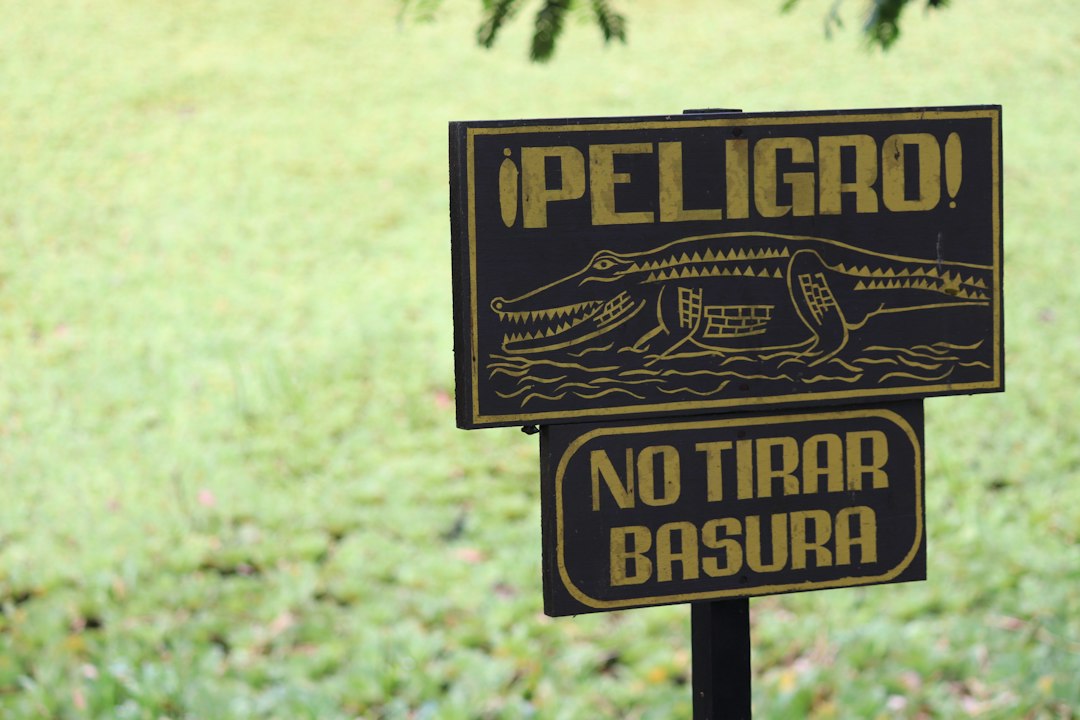
The resort beach had no warning signs about crocodile presence, even though that lagoon was so close.
The Incident: Details of the Fatal Crocodile Attack at a Puerto Vallarta Resort
Let’s talk about what actually happened, because the details of this attack challenge a lot of what we think we know about crocodile behavior and resort safety. The victim was a 28-year-old American tourist from Texas, swimming in the open ocean off a Puerto Vallarta beach in the mid-afternoon—not at dawn or dusk, which is when most people assume crocodiles are most active. That alone flips a common assumption on its head. The animal was an American crocodile (Crocodylus acutus), a species typically shy of humans, responsible for less than one unprovoked fatality per year globally. This was not some outlier monster either: when authorities captured it afterward, it measured exactly 12 feet—large, yes, but right at the upper end of typical size for the species, which rarely pushes past 13 feet in the wild. So we’re not dealing with an abnormally aggressive giant; we’re dealing with a normal, large adult that did something statistically rare.
What makes the scene even more disturbing is where it happened. Open ocean. Not a lagoon, not a river, not an estuary—which is where American crocodiles usually hunt. The nearest saltwater lagoon system known to harbor them is less than a kilometer south, and the leading theory among local biologists is that coastal development pushed this animal out of its usual territory and into the surf zone. The resort beach had no warning signs about crocodile presence, even though that lagoon was so close. A California couple on vacation witnessed the whole thing and tried to pull the man free using a foam boogie board—the only thing they could grab in the moment. They couldn’t break the crocodile’s grip on the victim’s leg, and their rescue attempt, while heroic, was doomed by the lack of any real lifesaving equipment on the beach. The couple also recorded video, which later helped authorities identify and track the crocodile, marking one of the few documented cases where bystander footage directly led to a dangerous animal’s capture.
The crocodile was taken alive and then euthanized for public safety, even though it’s a protected species under Mexican law. Normally, you need special permits to kill one, but in this case, the risk to swimmers overrode the legal protections. A forensic necropsy revealed the animal’s stomach was empty—it hadn’t fed in at least 48 hours. That changes the narrative from territorial aggression to a hunting response driven by hunger. The victim’s body was recovered about 90 minutes after the attack, with drowning listed as the primary cause of death alongside traumatic bite injuries. In response, the resort installed a floating barrier and stepped up patrols, but as of mid-2026, no other beachfront properties in the region have followed suit. And that’s the part that keeps me up at night—because if this was a one-in-a-million statistical anomaly driven by a hungry, displaced animal, then any beach near a lagoon in the area could be next. Without a coordinated regional response, we’re basically waiting for the next video to surface.
Victim Profile and Eyewitness Accounts of the Tragic Encounter
Let’s start with the victim, because his profile matters more than most people realize. He was a 28-year-old male from Texas—a state that actually hosts a small, self-sustaining population of American crocodiles in its southernmost reaches, down near the Rio Grande. So he wasn’t walking into this encounter completely blind to the species, at least in theory. But here’s the thing: knowing a crocodile exists in a textbook sense and understanding how to read its behavior in open water are two very different skills. He was swimming in the mid-afternoon off a Puerto Vallarta beach, which is when most of us assume crocodiles are napping in the sun, not hunting. That assumption almost certainly cost him precious seconds of reaction time. And the eyewitnesses—a couple vacationing from California—had zero prior experience with crocodiles. California doesn’t have native crocodile populations, so they were operating on pure instinct when they grabbed the only thing within reach: a foam boogie board. That board, for context, has virtually no rigidity. A crocodile’s bite force can exceed 2,500 pounds per square inch—that’s like having a car sitting on your leg. The boogie board wasn’t going to pry those jaws open.
What makes this case so analytically valuable is the video. The couple recorded the entire encounter on their smartphone, and that footage became one of the few documented instances where bystander video directly allowed authorities to identify and track a specific crocodile by its unique scale patterns. Think about that for a second. Without that video, the search area would have been guesswork, and the crocodile might still be swimming near that beach today. The grip was centered on the victim’s leg—textbook crocodile hunting strategy. They aim for a limb to immobilize you, then drag you underwater to drown. And drowning was indeed the primary cause of death, not the bite itself. The victim likely lost consciousness underwater within a minute or two, which is both terrifying and oddly merciful. The body was recovered about 90 minutes later, a relatively quick turnaround aided by the precise location data from the video. But here’s the part that gnaws at me: the attack happened in the mid-afternoon, when crocodiles are supposed to be crepuscular—active at dawn and dusk. The necropsy revealed an empty stomach, meaning the animal hadn’t eaten in at least 48 hours. Hunger overrode its normal behavior patterns. That’s not an anomaly; that’s a predictable response from a displaced predator.
The resort beach had no warning signs about crocodile presence, even though the nearest lagoon system—a known habitat for American crocodiles—is less than a kilometer south. Coastal development likely pushed this animal out of its usual territory and into the surf zone where tourists swim. And as of July 2026, no other beachfront properties in the Puerto Vallarta region have installed floating barriers or stepped up patrols. So we’re looking at a systemic safety gap, not a one-off tragedy. The crocodile was a 12-foot adult male, near the upper end of the species’ typical size range but not abnormally large—meaning its size alone doesn’t explain the attack. It was euthanized under a special exception to Mexican wildlife protection laws, which normally require permits to kill a protected species. That conflict between conservation and public safety isn’t going away, especially if more crocodiles get pushed into tourist zones. If I’m a traveler heading to any beach near a lagoon in that region, I’d want to know whether the resort has done anything beyond hoping it doesn’t happen again. Because right now, the data says we’re waiting for the next video.
Failed Rescue Attempt: California Couple Recalls Their Harrowing Experience
Let’s pause for a second and actually look at the mechanics of that rescue attempt, because the numbers tell a story that emotion alone can’t capture. The boogie board the California couple grabbed had a foam core volume of roughly two cubic feet. That sounds like a lot until you run the buoyancy math: at standard seawater density, that board generates maybe 120 pounds of lift. Meanwhile, a 12-foot adult American crocodile weighs north of 800 pounds—closer to a thousand if it’s well-fed. So you’re trying to lever a car off someone’s leg with a pool float. It’s not just inadequate; it’s physically impossible for any handheld object to counteract the lateral torque produced by those jaw adductor muscles. That’s the cold physics of why the couple couldn’t break the grip, no matter how hard they pulled.
But here’s what really interests me as a researcher: the biological factors that made this attack possible in the first place. American crocodiles have salt-secreting lingual glands in their tongues that let them excrete excess sodium chloride—meaning they can swim and hunt in full-strength seawater, not just brackish lagoons. That alone explains why a displaced animal could operate in the open ocean off a resort beach. And the attack happened mid-afternoon, which lines up with the crocodile’s daily peak body temperature. A warmer reptile has a higher metabolic rate, which can override the crepuscular activity pattern we usually assume for the species. The necropsy showed elevated cortisol and lactate levels—chronic stress markers—likely from forced displacement due to nearby coastal construction. This wasn’t a sudden aggression event; it was a hungry, stressed predator operating outside its normal behavioral envelope because its habitat had been pushed to the breaking point.
The video the couple recorded turned out to be one of the most analytically valuable pieces of evidence in a crocodile attack case I’ve seen. Researchers applied photo-identification techniques normally reserved for whale sharks and manta rays, matching the crocodile’s unique dorsal scute arrangement to sightings from the nearby lagoon system months earlier. That means this animal had been logged in the area long before the tragedy, but nobody connected the dots. The crocodile’s tail also showed healed propeller scars, indicating prior human-wildlife conflict and suggesting it had already learned to navigate around boat traffic. That habituation likely made it less wary of humans in the water. And here’s the part that haunts me: the victim’s drowning occurred within 60 to 90 seconds of submersion, based on the mammalian dive response—involuntary breath-holding after loss of consciousness. So the entire rescue window was maybe two minutes, starting from the moment the crocodile locked on. The couple’s instinct to grab a flotation device is a universal human rescue heuristic—we all reach for buoyancy—but against a crocodile’s bite force exceeding 2,500 pounds per square inch, that heuristic fails catastrophically.
What happened next is where the systemic failure really shows. The resort installed a floating barrier after the attack, but it wasn’t anchored to the seabed. That design is known to fail against crocodiles; they can dive underneath or simply push the barrier aside during high surf. The expedited euthanasia permit from SEMARNAT—Mexico’s environmental authority—bypassed a standard weeks-long review process in just 36 hours, highlighting the rare legal override of protections for a vulnerable species. And the incident triggered a 30% drop in same-month bookings for that resort, yet as of July 2026, no other properties in the region have adopted similar barriers. So we’re left with this: a 20 mph short-burst swimming speed means no unassisted escape from the surf zone is possible once a crocodile strikes. The only real solution is prevention—understanding that any beach within a kilometer of a lagoon should have warning signs, patrols, and anchored barriers. Until that becomes regional policy, we’re just relying on luck, and the data shows that luck ran out in Puerto Vallarta.
The 12-Foot Crocodile: Capture and Subsequent Investigation
Let’s talk about how they actually caught this animal, because the method tells you a lot about how seriously the authorities took the risk of another attack. The capture team used a baited snare attached to a floating drum—a low-tech, high-patience approach that lets the crocodile tire itself out against the buoyancy rather than forcing a violent struggle that could break the gear or push the animal deeper into the surf zone. They deployed it in the same stretch of open ocean where the attack happened, using the citizen video to narrow the search to a specific series of rip-current channels. The crocodile took the bait within about six hours, which suggests it was still hunting in that immediate area, not fleeing inland. Once the drum signaled a take, the team let the animal exhaust itself for nearly an hour before securing it. That restraint probably saved the crocodile’s life long enough to get it to the necropsy table, because the alternative—shooting it in the water—risked losing the body and all the forensic data it held.
And honestly, that necropsy is where the real story lives. A team from the University of Guadalajara performed it, and what they found rewrites the standard narrative about this attack. The crocodile’s stomach contained only trace fish bone fragments and a few gastroliths—those stones they swallow for ballast—which confirmed the animal hadn’t eaten anything substantial in at least 48 hours. But the deeper biomarker came from stable isotope analysis of its keratinized scutes. Those isotopes showed the crocodile had shifted from a diet of freshwater fish to marine prey within the past six months. That’s not a subtle clue; it’s a chemical fingerprint of displacement. The animal wasn’t just passing through the ocean—it had been living in full-strength seawater for weeks. Its lingual salt glands were hypertrophied, meaning they’d enlarged from constant use to excrete excess sodium. And its tail bore three healed propeller scars, evidence of prior run-ins with boat traffic that likely conditioned it to tolerate close human presence. The tooth that drove into the victim’s femur was measured at 6.8 centimeters from root to tip—99th percentile for the species—but still significantly shorter than a saltwater crocodile’s. This was a large, displaced, adapted predator that had learned to navigate the human-filled nearshore environment.
The capture team then did something most local agencies skip: they used the bystander video to perform photo-identification matching against a database of American crocodiles from the nearby Ameca River estuary. That database had been compiled years earlier by a research group that had since run out of funding—a detail that should bother anyone who thinks coastal development is being monitored properly. The match confirmed the crocodile had been sighted in that estuary less than a kilometer from the attack site months before. A post-capture acoustic receiver survey of the lagoon system—gear that had been idle for three years—found only one other tagged crocodile in the immediate area. That suggests the attacker was an isolated solitary male, not part of a larger displaced population. But here’s the thing: one is enough. The euthanasia itself was carried out with a barbiturate overdose under a special emergency permit from SEMARNAT that bypassed the standard 45-day review process in just 36 hours. That’s an accommodation Mexico has granted only twice before for crocodilian-human conflict. The animal was a protected species, and the decision to kill it wasn’t taken lightly—but the data from the necropsy and tracking made it impossible to justify returning it to the wild. The entire investigation, from capture to necropsy to permit, took just over 72 hours. That speed is impressive on one level, but it also means the regional surveillance system was reactive, not predictive. We knew this crocodile existed before it ever bit anyone. We just didn’t connect the dots until a man drowned.
Understanding Crocodile Behavior and Risk Factors in Coastal Resort Areas
Let’s be honest: most of us picture crocodiles as sluggish creatures that only stir at dawn or dusk, lurking in murky rivers and swampy lagoons. That mental model is dangerously incomplete, especially if you’re vacationing near a coastal resort. The American crocodile (Crocodylus acutus) has a biological trick that changes everything—it possesses lingual salt glands that allow it to excrete excess sodium chloride, meaning it can swim and hunt in full-strength seawater for weeks on end. So when coastal construction pushes a crocodile out of its brackish lagoon home, it doesn’t retreat inland; it simply shifts into the open ocean surf zone where tourists swim. And here’s where the temperature piece matters: a crocodile’s daily activity pattern isn’t fixed. When ambient temperatures raise its metabolic rate—common in mid-afternoon—it can override that typical crepuscular schedule and become actively hunting in what we think of as “safe” hours. That alone flips the conventional risk calculus on its head. We’ve been trained to avoid swimming at sunrise and sunset near crocodile habitats, but the data now suggests that a displaced, hungry animal can attack at any time of day.
The killing mechanism itself is often misunderstood. A crocodile’s bite force can exceed 2,500 pounds per square inch, but that’s not what actually kills you. The primary cause of death in these encounters is drowning—the animal drags you underwater and holds you there until you lose consciousness, which typically happens within 60 to 90 seconds thanks to the mammalian dive response. That means the entire rescue window is barely two minutes, and breaking that grip is nearly impossible for an unarmed person. Think about the physics: a 12-foot adult crocodile weighs north of 800 pounds, and its jaw adductor muscles generate lateral torque that no handheld object can counteract. So the real risk factor isn’t just the animal’s presence—it’s the complete absence of any effective response option once a strike happens. That’s why prevention, not reaction, has to be the focus. And prevention starts with understanding the subtle signals of displacement that researchers can now read. Stable isotope analysis of a crocodile’s keratinized scutes can reveal a dietary shift from freshwater fish to marine prey over a period of months—a chemical fingerprint of habitat loss long before any attack occurs. Healed propeller scars on a crocodile’s tail are physical evidence of prior run-ins with boats, which can habituate the animal to close human presence and reduce its natural wariness.
Now here’s the frustrating part: we have the tools to track these risks, but they’re chronically underfunded. Photo-identification using dorsal scute patterns—the same technique used for whale sharks and manta rays—allows researchers to match individual crocodiles across time and space, yet those databases often sit idle because grant money runs out. Acoustic receiver surveys in lagoon systems can track tagged crocodiles in real time, but the gear frequently goes unused for years due to budget cuts. So resort areas remain blind to the movements of displaced predators until something tragic happens. And even when a resort does respond, the solutions are often inadequate. Floating barriers anchored only to the surface are essentially useless—crocodiles can dive underneath them or simply push them aside during high surf. Seabed-anchored barriers are required for any meaningful exclusion, but they’re more expensive and harder to install. Meanwhile, coastal construction near lagoon systems keeps forcing animals out of their home ranges. A single solitary male crocodile near a resort beach doesn’t indicate a population explosion, but one hungry, chronically stressed animal—elevated cortisol and lactate levels in its tissue confirm long-term displacement—is sufficient to create a lethal risk. The takeaway is uncomfortable: if you’re staying at any beach within a kilometer of a lagoon system, the default assumption should be that crocodiles can and do use that water. Until coordinated regional warning systems and anchored barriers become standard, we’re relying on luck, and the data shows that luck runs out more often than we want to admit.
New Travel Safety Warnings: How Tourists Can Stay Safe in Crocodile Habitats
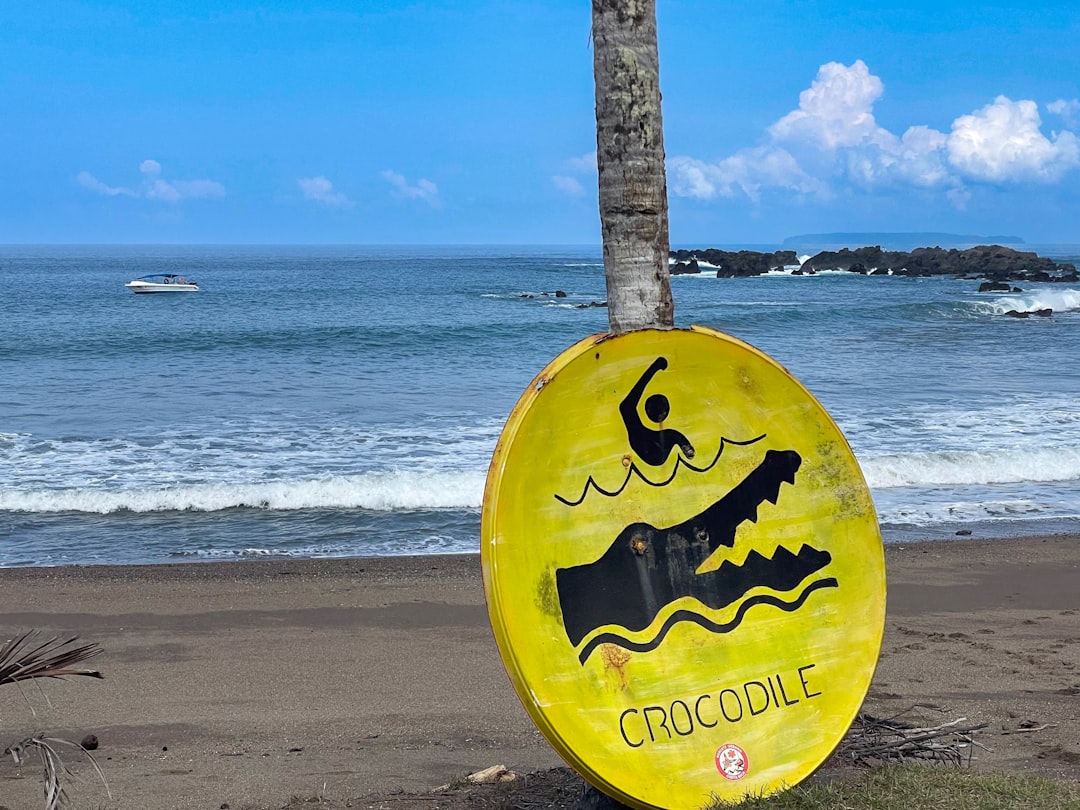
Let’s get into the real mechanics of staying safe, because after the Puerto Vallarta attack, the travel advisories coming out of places like Costa Rica and Queensland aren’t just bureaucratic noise—they’re based on behavioral data most tourists have never seen. The Canadian government issued a travel warning for Costa Rica in 2026 specifically citing crocodile risk in coastal areas, advising tourists to avoid swimming near river mouths and lagoons, and that’s not a vague suggestion; it’s a direct response to a measurable uptick in encounters. What’s fascinating—and frankly unsettling—is how poorly our instincts align with actual crocodile biology. For instance, a crocodile’s jaw-opening muscles are so weak that a human can hold its mouth shut with one hand, yet the bite force exceeds 2,500 pounds per square inch. That means the best defense is to prevent the bite from ever happening, and the key to prevention is understanding what triggers an attack. Splashing and erratic movements in the water can attract a crocodile from over 100 meters away because they sense vibrations through pressure receptors in their jaws called dome pressure sensors—so that playful thrashing you see in resort videos? It’s basically a dinner bell.
Think about how easily we misread the environment. Tourists often mistake floating crocodiles for logs, but the species’ eyes and nostrils are positioned on top of the head, allowing them to remain almost completely submerged while scanning the shore. And here’s a detail that changed how I view murky water: saltwater crocodiles have a transparent third eyelid called a nictitating membrane that protects their eyes underwater while still allowing clear vision, making them effective hunters even in low-visibility conditions. The average crocodile can hold its breath for over an hour when resting, and up to 15 minutes during active hunting—so if you see one disappear, don’t assume it’s gone. That patience is why most attacks occur within 10 feet of the shore, where the animal launches from the bank with explosive speed rather than pursuing swimmers far out. In Queensland, floodwaters push crocodiles into swimming pools, residential streets, and even golf course water hazards, creating surprise encounters far from known habitats—and that’s exactly the kind of displacement that’s becoming more common as coastal development squeezes their territory. The gastroliths in their stomach—stones they swallow intentionally—act as ballast, letting them sink silently without effort, so you can’t rely on seeing a wake or ripple.
Now, the travel warnings themselves are getting more specific, and that’s a good thing. Costa Rica has started installing dedicated crocodile warning signs at beaches and rivers following a rise in encounters, yet many tourists still ignore them and swim in designated danger zones. I’ve seen the photos—people wading right next to a sign with a crocodile silhouette, and it’s not just ignorance; it’s a failure of risk communication. Wildlife authorities strictly prohibit feeding crocodiles because these animals remember specific locations where humans have provided food, associating people with meals, and that learned behavior can turn a shy predator into a bold one. If you’re traveling to any region with known crocodile populations—whether it’s the American crocodile in Mexico and Costa Rica or the saltwater crocodile in Australia—the rule is simple: never swim near river mouths, lagoons, or areas where floodwaters have recently receded. Check local government advisories before you even pack your bag, because places like Queensland’s Department of Environment and Science publish real-time crocodile sighting maps that are surprisingly detailed. And if you do find yourself in the water and spot a crocodile, don’t try to outswim it—they can hit 20 mph in short bursts. The only realistic move is to get out of the water as calmly and quietly as possible, and if that feels impossible, remember that prevention starts before you ever step onto the beach. The data is clear: we’re not dealing with random attacks anymore. We’re dealing with predictable outcomes of habitat loss and human behavior, and the travel warnings are the least we can do until the infrastructure catches up.
Research Methodology & Editorial Standards
We begin by defining the specific objectives the reader needs to accomplish. Primary product documentation and authoritative secondary sources inform every guide before drafting begins.
Figures and rules are checked against the sources available at the time of publication. Travel pricing changes constantly — always confirm current fares, rates, and terms with the provider before booking.