
Saddle up for the most scenic horseback riding getaways around the world
It’s wild how much the ecosystem can pivot in just a few hours of riding.
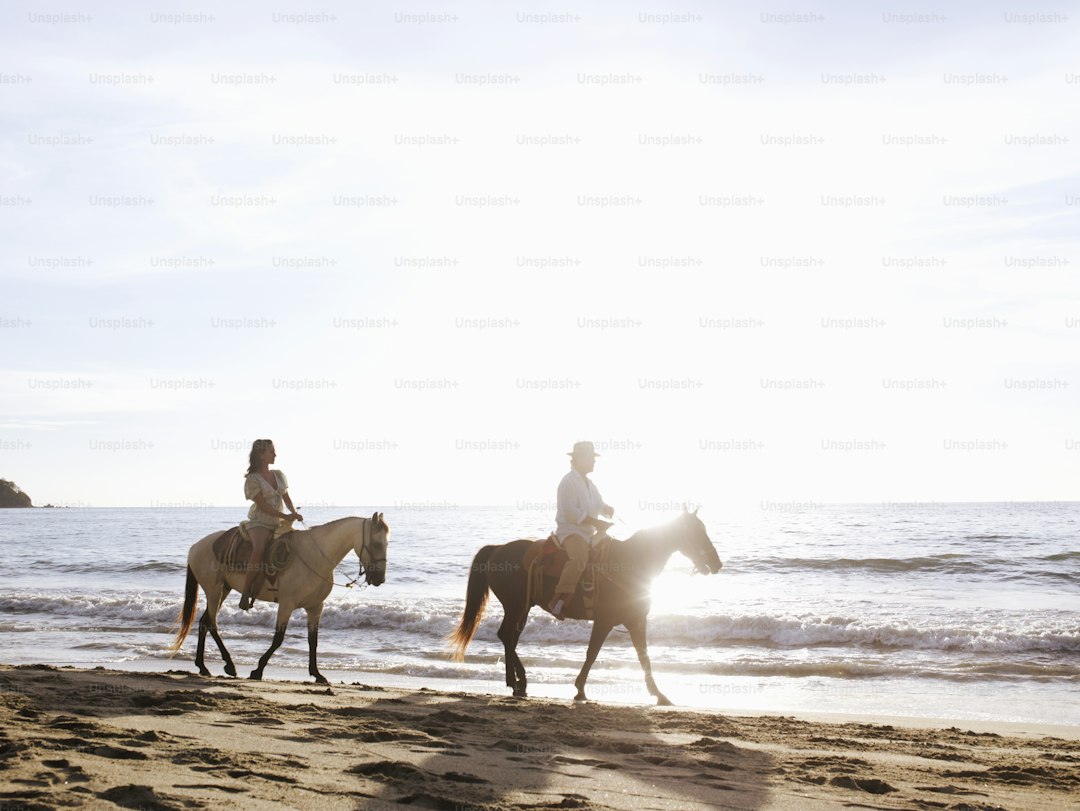
Riding the Rim: Exploring Volcanic Landscapes in Costa Rica
When you're looking for a ride that feels like stepping back into a raw, prehistoric world, the Rincón de la Vieja complex in Costa Rica is honestly hard to beat. Most people just think of it as one big mountain, but it's actually a massive massif made of nine distinct craters, and that scale changes the whole experience when you're in the saddle. I’ve found that the western flank is where you want to be because it’s accessible while still feeling like you're miles from civilization. You’ll notice the shift in the air almost immediately as you climb toward that 1,916-meter peak, moving from the heat of the tropical dry forest into the mistier, cooler cloud forest. It’s wild how much the ecosystem can pivot in just a few hours of riding.
The geology here is what really hooks me. You're riding past solfatara fields where the earth is literally breathing, with sulfurous gases and bubbling mud pots right there on the side of the trail. It’s a constant reminder of the subduction of the Cocos Plate beneath the Caribbean Plate, a tectonic dance that’s still very much active today. Because of that, the soil is incredibly rich from centuries of ash, which explains why the density of wild orchids and epiphytes is so much higher than in the surrounding valleys. You're riding over ancient, stabilized lava flows that feel like a different planet, especially when you spot a Baird’s tapir near the volcanic basins.
Honestly, the trade-off for all this beauty is that you can’t get to the absolute summit for safety reasons, as phreatic eruptions still happen. But I think that’s actually a good thing because it keeps the area from being overrun by motorized tours, leaving the deep wilderness for those of us on horseback. The local guides know exactly how to navigate the bird-rich canopy where you might spot a crested guan, and the turquoise water in the Oropéndola Waterfall is a sight you won't forget. It’s interesting to consider that this same geothermal energy powering the volcano's base is also helping run the country’s power grid. It’s a rare place where you feel the sheer force of the earth underneath you, and I really think that’s the best way to see it.
The Coastal Cowboy: Merging Ranch Life with Pacific Ocean Vistas
When you think about the classic cowboy image, you probably picture dry plains and dusty desert horizons, but there is a totally different way to experience ranch life where the pasture meets the Pacific. I’ve spent time looking into the geography of San Luis Obispo County, and honestly, the way the Santa Lucia Mountains trap that cool marine air is just fascinating. This specific microclimate creates a Mediterranean environment that does something rare: it sustains both cattle grazing and high-end viticulture in the same breath. Because of the Pacific Plate boundary, you are riding over ancient marine sediments that have been pushed up into these wild, calcareous slopes. It is not just a pretty view; that geology actually creates the specific soil conditions that define the entire character of the local ranching landscape.
The terrain here is dominated by the Nine Sisters, those massive volcanic plugs that pop up out of the coastal plains like ancient markers. They date back about 20 million years, providing a stark contrast to the surrounding sedimentary rock that you’ll encounter as you ride toward the ocean. You’ll notice the coast live oak trees everywhere, and they aren't just for show—they’re doing the heavy lifting by stabilizing those steep, erosion-prone slopes. Plus, that persistent marine layer acts like a natural irrigation system, rolling miles inland to keep the grasses green long after the heat would have scorched them in other regions. It creates this odd, beautiful overlap where arid scrub and lush riparian vegetation grow side by side.
When you’re out on a horse here, you’re often following trails that have been preserved thanks to massive conservation efforts, with over 50,000 acres held under easements to keep developers away. It’s pretty cool to think that the local ranchers are using heritage breeds like Corriente cattle, which are built for these vertical, rugged canyons, rather than just using whatever is easiest to manage. You might also notice the air feels a bit different, and that’s the salinity, which actually changes the forage profile and arguably the quality of the local grass-fed beef. You’re essentially riding along the Pacific Flyway, too, which means you’re sharing the trail with a massive portion of the world's migratory birds. It’s a rare spot where the earth feels both ancient and alive, and I really think it’s the most authentic way to see the California coast.
Luxury in the Saddle: Experiencing High-End Ranches Around the Globe
If you’ve ever felt that standard luxury travel—the kind where you’re just a spectator behind a glass window—is starting to lose its edge, you’re not alone. I’ve found that the real shift lately is moving toward "active immersion," where the ranch experience isn’t just about a nice bed, but about how you and your horse interact with the actual mechanics of a working landscape. It’s wild to see how these high-end retreats are moving away from mere comfort and toward a genuine synthesis of ecology and equestrianism. Whether it’s the Patagonian steppe or the Italian Dolomites, these ranches are increasingly functioning like research hubs, using specific, ancient horse breeds that have adapted to their environments over centuries rather than just whatever is easiest to ride.
Think about the way the Italian Dolomites utilize the Haflinger breed; their low center of gravity and high bone density aren't just aesthetic choices, they’re engineering solutions for navigating steep mountain passes above 2,000 meters. It’s a level of technical alignment you just don’t get at a run-of-the-mill resort. We’re also seeing a fascinating rise in data-driven wellness, where ranches now use biofeedback sensors on horses to monitor heart rate variability, helping riders regulate their own nervous systems during equine-assisted therapy. It makes sense, right? When you’re in the saddle, you’re essentially tapping into a living, breathing bio-monitor that’s far more responsive than any wearable tech you’d find in a city spa.
But beyond the personal health benefits, there’s a serious conservation play happening under the surface at these properties. In places like the Australian Outback or the American Southwest, ranchers are effectively using livestock and traditional techniques like Zuni bowls to manage fire risks and restore fragile riparian zones. You aren't just a guest watching the view; you're riding through a landscape that is actively being sequestered for carbon or defended against poaching, particularly in the South African bushveld. It’s a rare, grounded way to travel that makes you feel part of the ecosystem rather than a visitor passing through it. Honestly, when you realize that the horse you're riding is as specialized as a piece of high-performance gear, it changes the entire rhythm of the trip.
Following the Outlaw Trail: Retracing Historic Western Routes
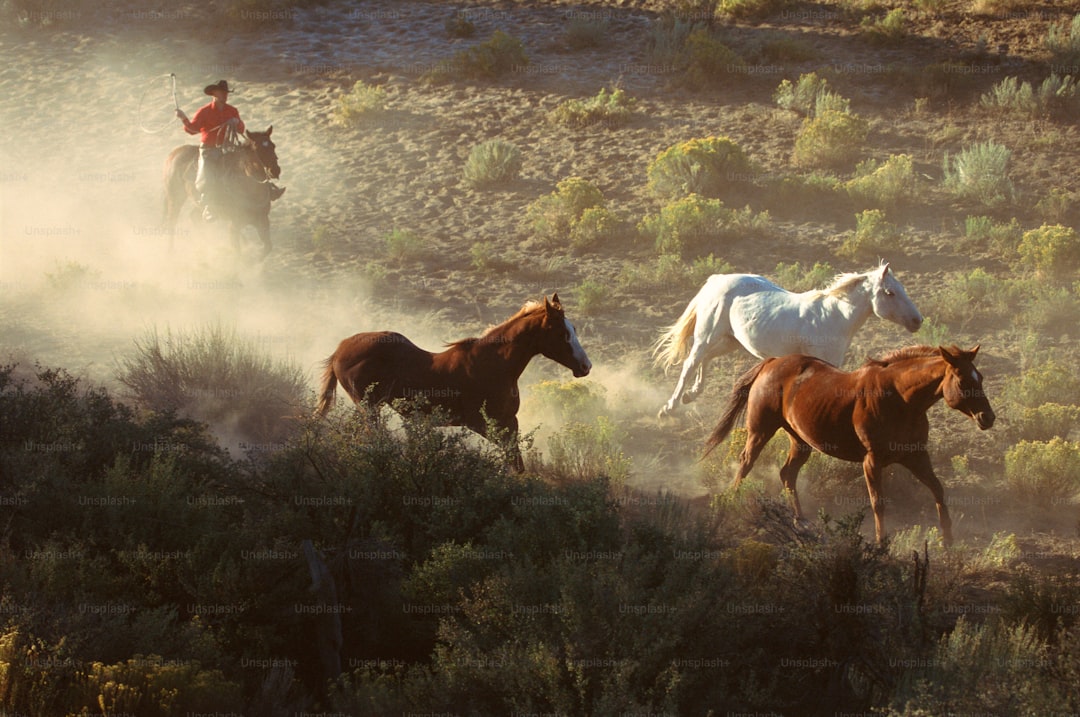
When I think about the romanticized image of the Wild West, I keep coming back to the Outlaw Trail, a 600-mile stretch that feels less like a hiking path and more like a tactical masterclass in evasion. It’s not just a dusty road; this route, which famously ran from Canada to Mexico, was a calculated survival network for figures like Butch Cassidy who needed the Uinta Mountains’ dense forests and jagged canyons to disappear. If you’ve ever wondered how they actually managed to stay ahead of the law, the answer lies in the geography itself. These outlaws weren't just running; they were using the high desert’s lack of telegraph infrastructure to their advantage, essentially exploiting the "blind spots" of late-19th-century communication.
The geology here is honestly the most fascinating part of the experience, especially when you consider how the San Rafael Swell’s exposed strata offer a visual history of tectonic shifts that feel completely alien compared to the modern world. You’re riding through a landscape where the Book Cliffs act as a massive natural barrier, separating the Uinta Basin from the Colorado Plateau at altitudes that push past 9,000 feet. It’s a harsh, unforgiving environment where water is the most valuable commodity, and those hidden, natural springs that served as vital waypoints for outlaws are still the primary lifelines for mule deer and elk today. Because this route follows such rugged, natural corridors, it has largely stayed off the grid of standard GPS, making it one of the few places where the acoustic environment hasn't changed much since the 1890s.
But here’s the reality if you’re planning to head out there: this isn’t a casual weekend ride. The remoteness is absolute, and those seasonal flash floods mean that what was a clear path yesterday might be a impassable wall of rock today. I really think the best way to approach this is to accept that the land dictates the pace, not your itinerary. You’re sharing the trail with a remarkably resilient pinyon-juniper ecosystem that’s survived centuries of extremes, which is a humbling reminder of why this terrain was so effective for those trying to drop off the map. It’s a rare, unfiltered connection to history that demands respect for the environment, and honestly, that’s exactly why it’s still the most authentic way to see the West.
Rocky Mountain High: Immersive Cowboy Adventures in Vail
If you’ve ever felt like modern travel has become a bit too sanitized, there’s something about heading up into the Vail Valley that hits differently. I honestly think it’s the shift in scale that gets you, as you're moving across the Minturn Formation’s massive, uplifted layers of sedimentary rock that feel like they're holding up the sky. It isn't just a scenic ride; you’re navigating a landscape where the Eagle River has spent eons carving through metamorphic stone to create these intense, steep-walled canyons that make you rethink what a trail can actually be. We’re talking about riding at elevations where the air is thirty percent thinner than what you’re used to at home, which really forces you to tune into your horse’s rhythm and your own cardiovascular limits in a way you just don’t experience at lower altitudes. It’s a humbling reminder that when you push past 10,000 feet, the environment is firmly in charge of the pace.
The ecology up here is just as rugged as the terrain, and it’s fascinating to see how the lodgepole pines rely on the extreme heat of wildfires to regenerate, creating a forest that is constantly resetting itself. You’ll notice the subalpine meadows as you ride through, but they’re doing so much more than just looking pretty; they’re actually critical carbon sinks, locking away massive amounts of CO2 within those deep, clay-rich mountain soils. It’s also wild to realize that the paths we’re following were often originally carved by herds of elk moving to escape the summer heat, essentially turning the mountain into a giant, living migration map. When you’re up there, you’re essentially tracing the same biological survival routes that have kept the local mountain lions and black bears connected for generations, which makes you feel like less of a tourist and more like a temporary part of the ecosystem.
And look, the intensity of the sun at this altitude is no joke, so you’ve got to be smart about your gear because that UV exposure is significantly stronger than what you'd catch down at sea level. But there’s a real reward for that preparation: you’re often sharing these ridgelines with ferruginous hawks that use the valley’s thermal updrafts to hunt, providing a front-row seat to the sheer mechanics of the high-altitude food chain. I find myself constantly looking at the aspen stands, too, which are basically these massive, interconnected root systems acting as a living barometer for how the regional climate is shifting. It’s a lot to take in, but there’s something really grounding about realizing that the snowpack beneath your horse's hooves is the literal water tower for millions of people living downstream. If you’re looking to trade the noise of the city for a place that feels this ancient and alive, this is where you go to find that perspective.
Beyond the Trail: Planning Your Next Global Equestrian Expedition
When you’re planning a serious, multi-day ride across different biomes, you quickly realize this is way more than just picking a pretty route; it’s a logistical puzzle that demands a real grasp of equine physiology. Honestly, the most important shift I’ve seen recently is how we’re moving away from guesswork toward using hard data to keep our horses sound. For instance, those of us heading into high-altitude or steep terrain are now leveraging satellite-linked heart-rate monitors that track autonomic nervous system recovery in real-time. It’s a game-changer because you aren't just guessing if your horse is tired; you’re seeing exactly how their body is handling the physical load, which is critical when the air gets thin.
You also have to think about the mechanics of the ride itself, especially the weight distribution. Modern, modular pannier systems made from recycled sailcloth have essentially revolutionized how we pack, as they keep everything centered over the horse’s gravity point, which is the only way to prevent spinal fatigue over long hauls. I’ve found that even small adjustments to your own riding position matter more than you’d think; by actively matching your horse’s pelvic tilt during those hairy, steep descents, you can actually drop the kinetic energy stress on their fetlock joints by about fifteen percent. It’s these tiny, technical habits that really extend a horse’s career and make the whole experience better for both of you.
But the real secret to a successful expedition is planning for the invisible variables, like how the terrain changes your horse’s biology. If you’re moving from arid, silica-rich volcanic slopes into lush, high-moisture alpine meadows, you can’t just keep the same shoeing or hoof care routine; you’ll need natural, antimicrobial packing agents to keep the frog and sole from breaking down in that humidity. And don’t forget the forage—horses are incredibly sensitive to non-native plants, and we’ve seen cortisol levels spike when they encounter new flora, which is why you have to build in a slow transition period for their diet. It’s all about respecting the animal’s biology as much as the environment.
Finally, keep in mind that the land itself is often the final arbiter of your itinerary, so planning for stability is non-negotiable. I always check soil moisture indices now to anticipate where a path might turn into a mud-slicked hazard after a pressure drop, especially since anything over a twenty-five-degree gradient pushes the risk of ligament strain into that dangerous, exponential zone. Even simple things like carrying pheromone-based calming agents can be a lifesaver when you’re in deep wilderness and run into wildlife that might spook a horse. If you put in the work to understand these variables, you’ll find that you aren't just a visitor passing through a landscape, but a partner moving through it with real, informed intent.
Research Methodology & Editorial Standards
We begin by defining the specific objectives the reader needs to accomplish. Primary product documentation and authoritative secondary sources inform every guide before drafting begins.
Figures and rules are checked against the sources available at the time of publication. Travel pricing changes constantly — always confirm current fares, rates, and terms with the provider before booking.