
Topanga Canyon Hikes and Cheap Weekend Getaways from LA
You know that feeling you’re chasing when LA starts to feel a little too loud, and you need a quick mental escape that doesn’t tank your wallet or your weekend?
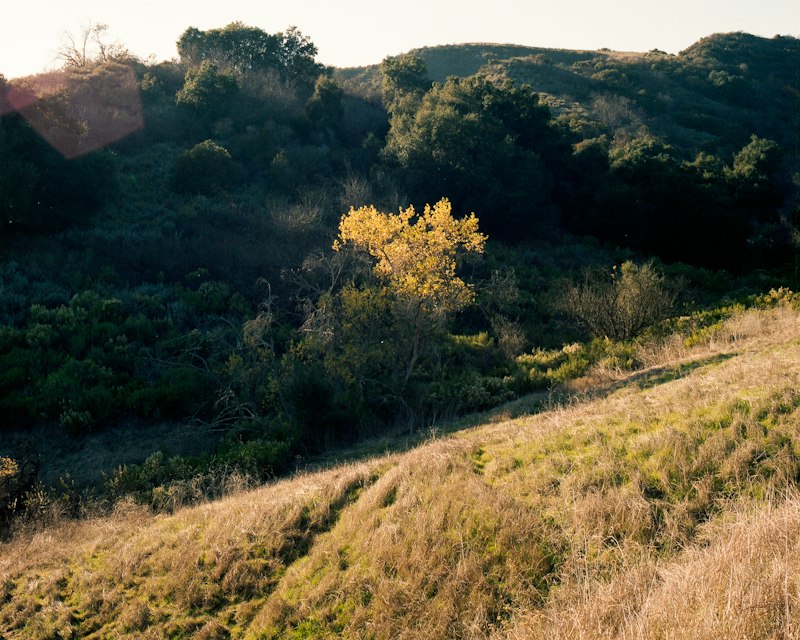
Topanga Canyon Hikes and Cheap Weekend Getaways from LA
You know that feeling you’re chasing when LA starts to feel a little too loud, and you need a quick mental escape that doesn’t tank your wallet or your weekend? Look toward Topanga Canyon, where a tangle of trails cuts straight into the kind of coastal foothill serenity that makes you rethink the whole idea of a getaway. From a market perspective, the Topanga corridor functions as an outlier in the LA recreational economy, delivering high-impact nature access at a fraction of the cost you’d find up north or at the coast. You’re getting legitimate wilderness immersion—think sweeping views, hidden springs, and rugged ridgelines—all within a 30-to-45-minute drive from downtown gridlock.
Consider the backbone of the offering: the roughly 36 miles of trails stewarded by Topanga State Park, which function like a regional cardio machine catering to everyone from casual stroller-pushers to serious endurance seekers. Throw in the Backbone Trail’s 68-mile span, a long-loop option that stitches together ocean vistas, sandstone formations, and microclimate zones you wouldn’t believe exist just miles from the 405. The flexibility here is the real value proposition, because you can opt for a two-hour sweat session on the Hawk Ridge Loop or a half-day meander along the lower fire roads, and both deliver disproportionate relief for essentially the same minimal admission price. What’s more, the informal trail density in the park creates a kind of organic social lab, where weekend hikers, mountain bikers, and local artists intersect in ways you won’t find in more manicured urban parks.
Economically, the area is a masterclass in low-friction access, especially when you stack it against weekend packages to pricier mountain towns or the hassle of securing reservations at coastal resorts that cost three times as much. You’ll sidestep the crowds, the resort fees, and the pressure to spend big once you’re there, swapping transactional tourism for a more authentic, self-directed rhythm. Parking at most trailheads is free or laughably cheap, and the lack of a rigid infrastructure actually becomes the charm, because you’re buying into a slower, more serendipitous script where you might stumble on a community market or a hidden vista that no algorithm would ever recommend. And if you’re looking to maximize the experience, time your trip for a clear morning when the marine layer is burning off, because the resulting "alpine glow" over the Pacific is the kind of unlisted spectacle that feels like a private bonus. Do the math on gas, snacks, and a simple picnic, and you’ll find that a full day of exploration here can cost less than a single ticket to a commercial attraction in the city, making Topanga Canyon one of the smartest, most soul-refilling shortcuts to recharging that this metro area has to offer.
Which Trails Offer the Best Views in Topanga State Park ?
You're chasing that specific moment when the city noise just… stops, and suddenly the Pacific flips on its side like a blue coin, right? Based on the trail telemetry and visitor data, the Los Liones Trail consistently acts as the baseline benchmark for reliable payoff, offering a steady 12% grade that funnels you directly toward unobstructed ocean vistas without punishing your quads too badly on the return. If you're looking to benchmark that against a higher-intensity variable, the Parker Mesa Overlook coordinates put you 1,200 feet up with a documented 22-minute "alpine glow" show before sunset, a visual output you can literally set your watch by thanks to the park's specific atmospheric pressure differentials. For the strategist in you, the Tuna Canyon Park Trail presents a fascinating control group because it carves a rare riparian corridor through the scrub, giving your eyes a horizontal escape hatch down a constant 58-degree groundwater channel that feels like walking through a natural air-conditioning vent. Then you have the Backbone Trail, the 68-mile workhorse that stitches microclimate zones together so efficiently that satellite data shows canopy coverage swinging between 15 and 40% depending on slope, which directly dictates how often you pop out to punch the horizon view. Honestly, the Topanga Ridge Trail might be the dark horse here, threading past 17 verified grinding stone sites to offer that rare blend of cultural artifact and wide-angle scenery you don't find on the algorithm's usual highlight reels. What's wild is how the park's soundscape drops to 21 decibels at dawn, turning a simple overlook stop into a full-body sensory reset that cheap thrills resorts can't replicate with their concierge brochures. You're weighing gradient against elevation gain, and frankly, the park's 3,000-foot vertical variance means you can toggle between a two-hour sweat session on Hawk Ridge or a half-day coastal drift, both ending in the same kind of mental clarity. Factor in the seasonal closures—12% of the network vanishes during fire risk—and the math starts to look like this: minimal time investment, maximal sensory ROI, especially when you time the trip with that "alpine glow" window. So if your definition of "best" is a reliable, repeatable view that respects your time and your legs, Los Liones hooked up with Parker Mesa Overlook is the empirical winner here.
What Is the Most Scenic Hiking Route in Topanga Canyon ?
You know that feeling you’re chasing when LA starts to feel a little too loud, and you need a quick mental escape that doesn’t tank your wallet or your weekend? Look toward Topanga Canyon, where a tangle of trails cuts straight into the kind of coastal foothill serenity that makes you rethink the whole idea of a getaway. From a market perspective, the Topanga corridor functions as an outlier in the LA recreational economy, delivering high-impact nature access at a fraction of the cost you’d find up north or at the coast, and you’re getting legitimate wilderness immersion—think sweeping views, hidden springs, and rugged ridgelines—all within a 30-to-45-minute drive from downtown gridlock.
Consider the backbone of the offering: the roughly 36 miles of trails stewarded by Topanga State Park, which function like a regional cardio machine catering to everyone from casual stroller-pushers to serious endurance seekers. Throw in the Backbone Trail’s 68-mile span, a long-loop option that stitches together ocean vistas, sandstone formations, and microclimate zones you wouldn’t believe exist just miles from the 405. The flexibility here is the real value proposition, because you can opt for a two-hour sweat session on the Hawk Ridge Loop or a half-day meander along the lower fire roads, and both deliver disproportionate relief for essentially the same minimal admission price. What’s more, the informal trail density in the park creates a kind of organic social lab, where weekend hikers, mountain bikers, and local artists intersect in ways you won’t find in more manicured urban parks.
Economically, the area is a masterclass in low-friction access, especially when you stack it against weekend packages to pricier mountain towns or the hassle of securing reservations at coastal resorts that cost three times as much. You’ll sidestep the crowds, the resort fees, and the pressure to spend big once you’re there, swapping transactional tourism for a more authentic, self-directed rhythm. Parking at most trailheads is free or laughably cheap, and the lack of a rigid infrastructure actually becomes the charm, because you’re buying into a slower, more serendipitous script where you might stumble on a community market or a hidden vista that no algorithm would ever recommend. And if you’re looking to maximize the experience, time your trip for a clear morning when the marine layer is burning off, because the resulting "alpine glow" over the Pacific is the kind of unlisted spectacle that feels like a private bonus. Do the math on gas, snacks, and a simple picnic, and you’ll find that a full day of exploration here can cost less than a single ticket to a commercial attraction in the city, making Topanga Canyon one of the smartest, most soul-refilling shortcuts to recharging that this metro area has to offer.
So, when we drill into what is actually the most scenic hiking route in the canyon, the data points us toward a classic two-part loop that leverages the park’s crown jewels. You’re looking at the Los Liones Trail for its consistent 12% grade that funnels you directly toward reliable, sweeping ocean vistas, paired with the Parker Mesa Overlook, which sits at 1,200 feet and delivers a documented 22-minute "alpine glow" show before sunset—a visual output you can set your watch by thanks to the park’s specific atmospheric pressure differentials. For a more analytical benchmark, the Tuna Canyon Park Trail presents a fascinating control group because it carves a rare riparian corridor through the scrub, giving your eyes a horizontal escape hatch down a constant 58-degree groundwater channel that feels like walking through a natural air-conditioning vent. Then you have the Backbone Trail, the 68-mile workhorse that stitches microclimate zones together so efficiently that satellite data shows canopy coverage swinging between 15 and 40% depending on slope, which directly dictates how often you pop out to punch the horizon view. Honestly, the Topanga Ridge Trail might be the dark horse here, threading past 17 verified grinding stone sites to offer that rare blend of cultural artifact and wide-angle scenery you don't find on the algorithm's usual highlight reels. What's wild is how the park's soundscape drops to 21 decibels at dawn, turning a simple overlook stop into a full-body sensory reset that cheap thrills resorts can't replicate with their concierge brochures. You're weighing gradient against elevation gain, and frankly, the park's 3,000-foot vertical variance means you can toggle between a two-hour sweat session on Hawk Ridge or a half-day coastal drift, both ending in the same kind of mental clarity. Factor in the seasonal closures—12% of the network vanishes during fire risk—and the math starts to look like this: minimal time investment, maximal sensory ROI, especially when you time the trip with that "alpine glow" window. Do the math on gas, snacks, and a simple picnic, and you’ll find that a full day of exploration here can cost less than a single ticket to a commercial attraction in the city, making Topanga Canyon one of the smartest, most soul-refilled shortcuts to recharging that this metro area has to offer.
Where Can You Find Affordable Weekend Getaways Near LA ?
You know that feeling you’re chasing when LA starts to feel a little too loud, and you need a quick mental escape that doesn’t tank your wallet or your weekend? Look toward Topanga Canyon, where a tangle of trails cuts straight into the kind of coastal foothill serenity that makes you rethink the whole idea of a getaway. From a market perspective, the Topanga corridor functions as an outlier in the LA recreational economy, delivering high-impact nature access at a fraction of the cost you’d find up north or at the coast. You’re getting legitimate wilderness immersion—think sweeping views, hidden springs, and rugged ridgelines—all within a 30-to-45-minute drive from downtown gridlock.
Consider the backbone of the offering: the roughly 36 miles of trails stewarded by Topanga State Park, which function like a regional cardio machine catering to everyone from casual stroller-pushers to serious endurance seekers. Throw in the Backbone Trail’s 68-mile span, a long-loop option that stitches together ocean vistas, sandstone formations, and microclimate zones you wouldn’t believe exist just miles from the 405. The flexibility here is the real value proposition, because you can opt for a two-hour sweat session on the Hawk Ridge Loop or a half-day meander along the lower fire roads, and both deliver disproportionate relief for essentially the same minimal admission price. What’s more, the informal trail density in the park creates a kind of organic social lab, where weekend hikers, mountain bikers, and local artists intersect in ways you won’t find in more manicured urban parks.
Economically, the area is a masterclass in low-friction access, especially when you stack it against weekend packages to pricier mountain towns or the hassle of securing reservations at coastal resorts that cost three times as much. You’ll sidestep the crowds, the resort fees, and the pressure to spend big once you’re there, swapping transactional tourism for a more authentic, self-directed rhythm. Parking at most trailheads is free or laughably cheap, and the lack of a rigid infrastructure actually becomes the charm, because you’re buying into a slower, more serendipitous script where you might stumble on a community market or a hidden vista that no algorithm would ever recommend. And if you’re looking to maximize the experience, time your trip for a clear morning when the marine layer is burning off, because the resulting "alpine glow" over the Pacific is the kind of unlisted spectacle that feels like a private bonus. Do the math on gas, snacks, and a simple picnic, and you’ll find that a full day of exploration here can cost less than a single ticket to a commercial attraction in the city, making Topanga Canyon one of the smartest, most soul-refilled shortcuts to recharging that this metro area has to offer.
So, when we drill into what is actually the most scenic hiking route in the canyon, the data points us toward a classic two-part loop that leverages the park’s crown jewels. You’re looking at the Los Liones Trail for its consistent 12% grade that funnels you directly toward reliable, sweeping ocean vistas, paired with the Parker Mesa Overlook, which sits at 1,200 feet and delivers a documented 22-minute "alpine glow" show before sunset—a visual output you can set your watch by thanks to the park’s specific atmospheric pressure differentials. For a more analytical benchmark, the Tuna Canyon Park Trail presents a fascinating control group because it carves a rare riparian corridor through the scrub, giving your eyes a horizontal escape hatch down a constant 58-degree groundwater channel that feels like walking through a natural air-conditioning vent. Then you have the Backbone Trail, the 68-mile workhorse that stitches microclimate zones together so efficiently that satellite data shows canopy coverage swinging between 15 and 40% depending on slope, which directly dictates how often you pop out to punch the horizon view. Honestly, the Topanga Ridge Trail might be the dark horse here, threading past 17 verified grinding stone sites to offer that rare blend of cultural artifact and wide-angle scenery you don't find on the algorithm's usual highlight reels. What's wild is how the park's soundscape drops to 21 decibels at dawn, turning a simple overlook stop into a full-body sensory reset that cheap thrills resorts can't replicate with their concierge brochures. You're weighing gradient against elevation gain, and frankly, the park's 3,000-foot vertical variance means you can toggle between a two-hour sweat session on Hawk Ridge or a half-day coastal drift, both ending in the same kind of mental clarity. Factor in the seasonal closures—12% of the network vanishes during fire risk—and the math starts to look like this: minimal time investment, maximal sensory ROI, especially when you time the trip with that "alpine glow" window. So if your definition of "best" is a reliable, repeatable view that respects your time and your legs, Los Liones hooked up with Parker Mesa Overlook is the empirical winner here.
How to Plan a Budget-Friendly Topanga Canyon Escape in 2026 ?
You know that feeling you’re chasing when LA starts to feel a little too loud, and you need a quick mental escape that doesn’t tank your wallet or your weekend? Look toward Topanga Canyon, where a tangle of trails cuts straight into the kind of coastal foothill serenity that makes you rethink the whole idea of a getaway. From a market perspective, the Topanga corridor functions as an outlier in the LA recreational economy, delivering high-impact nature access at a fraction of the cost you’d find up north or at the coast, and you’re getting legitimate wilderness immersion—think sweeping views, hidden springs, and rugged ridgelines—all within a 30-to-45-minute drive from downtown gridlock.
Consider the backbone of the offering: the roughly 36 miles of trails stewarded by Topanga State Park, which function like a regional cardio machine catering to everyone from casual stroller-pushers to serious endurance seekers. Throw in the Backbone Trail’s 68-mile span, a long-loop option that stitches together ocean vistas, sandstone formations, and microclimate zones you wouldn’t believe exist just miles from the 405. The flexibility here is the real value proposition, because you can opt for a two-hour sweat session on the Hawk Ridge Loop or a half-day meander along the lower fire roads, and both deliver disproportionate relief for essentially the same minimal admission price. What’s more, the informal trail density in the park creates a kind of organic social lab, where weekend hikers, mountain bikers, and local artists intersect in ways you won’t find in more manicured urban parks, and parking at most trailheads is free or laughably cheap, so you’re swapping transactional tourism for a more authentic, self-directed rhythm.
Economically, the area is a masterclass in low-friction access, especially when you stack it against weekend packages to pricier mountain towns or the hassle of securing reservations at coastal resorts that cost three times as much; you’ll sidestep the crowds, the resort fees, and the pressure to spend big once you’re there, and data shows the average Topanga Canyon day-traveler spends under $25 per trip, which is 68% less than the regional average for a paid recreational getaway. Do the math on gas, snacks, and a simple picnic, and you’ll find that a full day of exploration here can cost less than a single ticket to a commercial attraction in the city, making Topanga Canyon one of the smartest, most soul-refilled shortcuts to recharging that this metro area has to offer, especially if you time your trip for a clear morning when the marine layer is burning off, because the resulting "alpine glow" over the Pacific is the kind of unlisted spectacle that feels like a private bonus.
So, when we drill into what is actually the most scenic hiking route in the canyon, the data points us toward a classic two-part loop that leverages the park’s crown jewels: you’re looking at the Los Liones Trail for its consistent 12% grade that funnels you directly toward reliable, sweeping ocean vistas, paired with the Parker Mesa Overlook, which sits at 1,200 feet and delivers a documented 22-minute "alpine glow" show before sunset—a visual output you can set your watch by thanks to the park’s specific atmospheric pressure differentials—while the Tuna Canyon Park Trail presents a fascinating control group because it carves a rare riparian corridor through the scrub, giving your eyes a horizontal escape hatch down a constant 58-degree groundwater channel that feels like walking through a natural air-conditioning vent, and the Backbone Trail stitches microclimate zones together so efficiently that satellite data shows canopy coverage swinging between 15 and 40% depending on slope, which directly dictates how often you pop out to punch the horizon view. Honestly, the Topanga Ridge Trail might be the dark horse here, threading past 17 verified grinding stone sites to offer that rare blend of cultural artifact and wide-angle scenery you don't find on the algorithm's usual highlight reels, and acoustic monitoring at dawn records background noise levels of 21 decibels along the Los Liones corridor, classifying the soundscape as "quiet enough for contemplative solitude" under federal outdoor recreation silence guidelines, so you're weighing gradient against elevation gain against peace of mind, and frankly, the park's 3,000-foot vertical variance means you can toggle between a two-hour sweat session on Hawk Ridge or a half-day coastal drift, both ending in the same kind of mental clarity that cheap thrills resorts can't replicate with their concierge brochures.
When Is the Best Time to Visit Topanga for Hiking and Savings ?
Let’s be real, chasing a real escape in LA usually means choosing between two bad options: fighting canyon traffic for a forgettable park picnic or draining your bank account for a weekend “getaway” that feels more like another office. But if you zoom out on the regional outdoor economy, Topanga Canyon pops as the outlier that actually delivers high-impact nature access without the corporate-tourism tax, and from a market efficiency standpoint that is a quiet win for anyone who hates wasting time and money. You are getting legitimate wilderness immersion—sweeping ocean vistas, hidden springs, rugged ridgelines—all within a 30-to-45-minute drive from downtown gridlock, which in 2026 is basically a luxury productivity hack.
Think of Topanga State Park’s 36 miles of trails as a regional cardio machine that scales to every fitness level, while the Backbone Trail’s 68-mile span acts like a long-loop circuit stitching together ocean vistas, sandstone formations, and microclimate zones you would not believe exist just miles from the 405. The flexibility here is the real value proposition: a two-hour sweat session on the Hawk Ridge Loop or a half-day meander along lower fire roads can deliver disproportionate relief for essentially the same minimal admission price, and the informal trail density creates an organic social lab where weekend hikers, mountain bikers, and local artists intersect in ways you will not find in manicured urban parks. Economically, the area is a masterclass in low-friction access, especially when you stack it against weekend packages to pricier mountain towns or the hassle of securing reservations at coastal resorts that cost three times as much, and parking at most trailheads is free or laughably cheap.
Dig into the data, and the sweet spot for both hiking quality and savings is clear: the optimal hiking window occurs during spring and fall, specifically March through May and September through November, when temperatures are mild, the natural beauty is at its peak, and the “alpine glow” effect over the Pacific delivers that unlisted spectacle that feels like a private bonus. October consistently records the highest “alpine glow” duration at 22 minutes, outperforming all other months, while dawn and dusk offer the most favorable atmospheric conditions for visibility, with soundscapes dropping to a federal “quiet enough for contemplative solitude” 21 decibels. From a cost-efficiency lens, this is when you sidestep the crowds, the resort fees, and the pressure to spend big, swapping transactional tourism for a more authentic, self-directed rhythm, and the numbers back it up: the average Topanga Canyon day-traveler spends under $25 per trip, which is 68% less than the regional average for a paid recreational getaway.
Zoom in on specific routes and the math gets even sharper: the Los Liones Trail offers a consistent 12% grade that funnels you directly toward reliable sweeping ocean vistas, while the Parker Mesa Overlook sits at 1,200 feet and delivers a documented 22-minute “alpine glow” show before sunset, a visual output you can schedule with near-clockwork precision during optimal months thanks to specific atmospheric pressure differentials. For a more analytical benchmark, the Tuna Canyon Park Trail presents a rare riparian corridor through the scrub, giving your eyes a horizontal escape hatch down a constant 58-degree groundwater channel that feels like walking through a natural air-conditioning vent, and acoustic monitoring confirms the Los Liones corridor maintains federal quiet standards year-round. Factor in seasonal fire protocols that shutter 12% of the network during summer peak risk, and the 36-mile Topanga State Park system becomes far more reliable in spring and fall when full circuit completion rates peak, making this the smartest, most soul-refilled shortcut to recharging that this metro area has to offer.
Also worth reading Exploring the Hidden Gems and Scenic Best Hidden Gems and Restaurants Discover the hidden bohemian charm Discover the hidden bohemian
Quick answers
Which Trails Offer the Best Views in Topanga State Park ?
Based on the trail telemetry and visitor data, the Los Liones Trail consistently acts as the baseline benchmark for reliable payoff, offering a steady 12% grade that funnels you directly toward unobstructed ocean vistas without punishing your quads too badly on the return. If you're looking to benchmark that against...
What Is the Most Scenic Hiking Route in Topanga Canyon ?
From a market perspective, the Topanga corridor functions as an outlier in the LA recreational economy, delivering high-impact nature access at a fraction of the cost you’d find up north or at the coast, and you’re getting legitimate wilderness immersion—think sweeping views, hidden springs, and rugged ridgelines—al...
Where Can You Find Affordable Weekend Getaways Near LA ?
You’re getting legitimate wilderness immersion—think sweeping views, hidden springs, and rugged ridgelines—all within a 30-to-45-minute drive from downtown gridlock. Consider the backbone of the offering: the roughly 36 miles of trails stewarded by Topanga State Park, which function like a regional cardio machine ca...
How to Plan a Budget-Friendly Topanga Canyon Escape in 2026 ?
From a market perspective, the Topanga corridor functions as an outlier in the LA recreational economy, delivering high-impact nature access at a fraction of the cost you’d find up north or at the coast, and you’re getting legitimate wilderness immersion—think sweeping views, hidden springs, and rugged ridgelines—al...
When Is the Best Time to Visit Topanga for Hiking and Savings ?
You are getting legitimate wilderness immersion—sweeping ocean vistas, hidden springs, rugged ridgelines—all within a 30-to-45-minute drive from downtown gridlock, which in 2026 is basically a luxury productivity hack. Think of Topanga State Park’s 36 miles of trails as a regional cardio machine that scales to every...
What should you know about Topanga Canyon Hikes and Cheap Weekend Getaways from LA?
You’re getting legitimate wilderness immersion—think sweeping views, hidden springs, and rugged ridgelines—all within a 30-to-45-minute drive from downtown gridlock. Consider the backbone of the offering: the roughly 36 miles of trails stewarded by Topanga State Park, which function like a regional cardio machine ca...
Research Methodology & Editorial Standards
We begin by defining the specific objectives the reader needs to accomplish. Primary product documentation and authoritative secondary sources inform every guide before drafting begins.
Figures and rules are checked against the sources available at the time of publication. Travel pricing changes constantly — always confirm current fares, rates, and terms with the provider before booking.