
MSC Cruises New Alaska Voyages What to Expect Onboard and Ashore
That means more time actually exploring Alaska and less time steaming through open water.
Itinerary and Highlights
Let’s be honest — when I first heard MSC Cruises was finally bringing a ship to Alaska, my reaction was a mix of curiosity and skepticism. A European line known for massive megaships in the Mediterranean, suddenly deploying the 2,550-passenger MSC Poesia to Seattle? It felt like a gamble. But the more I dug into the details, the more I realized this isn’t just another line dipping a toe into the Last Frontier — it’s a genuinely strategic move that changes the competitive landscape. The Poesia, built in 2008 and originally designed for the Italian market, is small enough to navigate the Inside Passage’s tight channels that MSC’s World-class vessels could never touch. That’s a huge advantage. While Princess and Holland America have dominated this route for decades, MSC is undercutting their entry-level prices by nearly 30 percent — fares start at $799 per person for a seven-night voyage. And here’s the kicker: they’re doing it from Seattle, not Vancouver, which shaves about six hours off each round trip. That means more time actually exploring Alaska and less time steaming through open water.
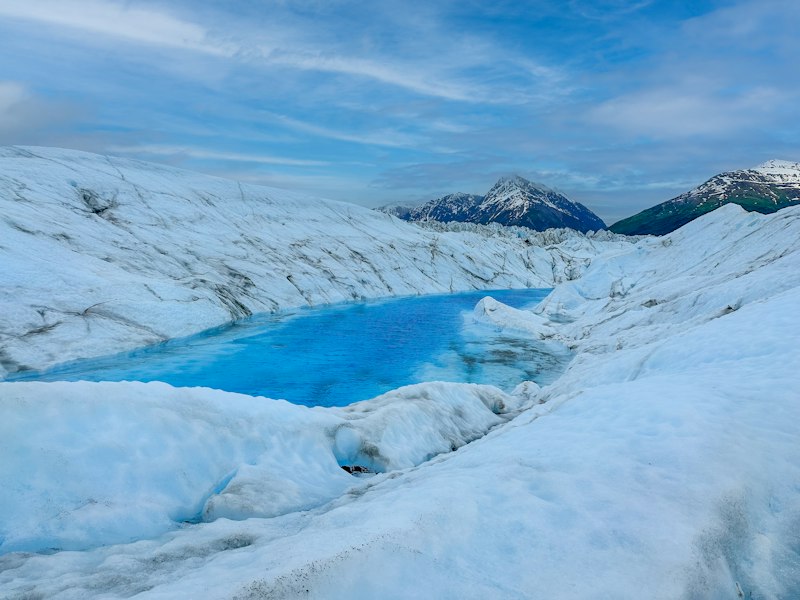
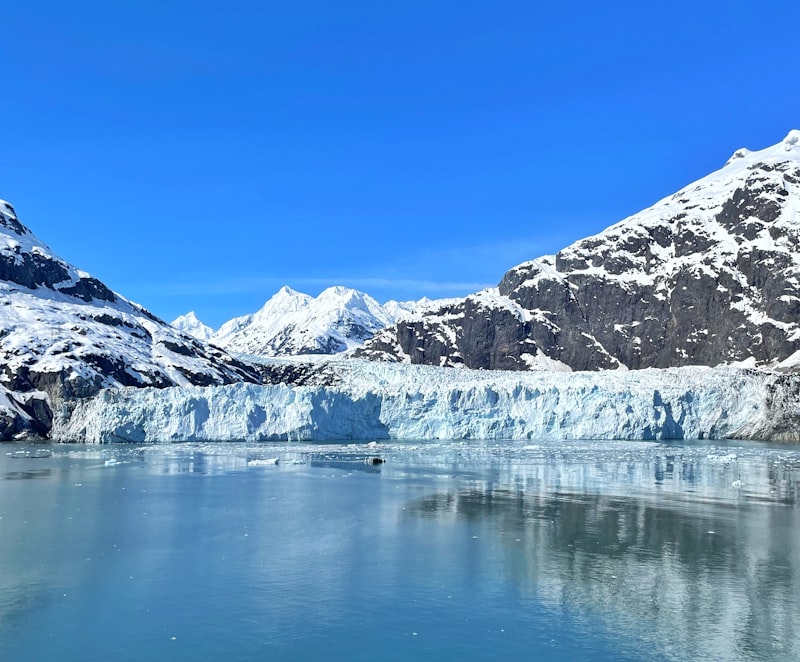
Now, let’s talk about what you’ll actually see. The itinerary hits the classic trio — Ketchikan, Juneau, Skagway — but instead of Glacier Bay National Park, MSC is betting on Tracy Arm Fjord for its glacier viewing. That’s a smart call, because Tracy Arm is a narrow, winding fjord where tidewater glaciers calve icebergs right into the water, and the piloting required is genuinely intense. You’re not just staring at a distant wall of ice; you’re threading through a moving ice field. The ship also skips the typical “scenic cruising” label and partners with the University of Alaska Southeast to put real researchers on board, giving you live updates on whale migration patterns and glacial retreat rates. That’s the kind of detail that separates a tourist trap from an actual educational experience. And because MSC is Italian, the galley stocks over 300 tons of imported pasta and olive oil for each season — a logistical nightmare, sure, but it means you’re eating real Italian food while watching humpbacks breach.
One thing that caught my eye is the environmental angle. Alaska’s marine air quality standards are among the toughest in the world, and the Poesia is equipped with both scrubbers and selective catalytic reduction systems to meet them. That’s not just regulatory compliance; it’s a signal that MSC is playing the long game here. They’re also offering a unique “Alaska Rail & Cruise” package that connects you to the Alaska Railroad in Seward for a 114-mile ride through the Kenai Peninsula — a route most lines don’t bundle, and it’s a genuinely different way to see the interior without booking a separate land tour. The inaugural season runs from May 2 to September 26, 2026, and if you’ve been waiting for a more affordable, less cookie-cutter way to see Alaska without sacrificing good food or real science, this might be your shot. I’m not saying it’s perfect — bypassing Glacier Bay is a trade-off — but for a first-time deployment, MSC has done its homework.
The MSC Yacht Club Experience: Luxury and Privacy in the Last Frontier
Let’s talk about the MSC Yacht Club on the Poesia, because honestly, this is where the calculus shifts for anyone who’s ever felt claustrophobic on a 3,000-passenger ship but still wants Alaska’s raw scenery without camping in a rain jacket. The Yacht Club is basically a ship-within-a-ship concept, but here’s what matters for Alaska specifically: only 71 suites sit on the forward top decks, meaning fewer than 100 people share a private lounge and sundeck while the rest of the ship hums along with 2,400-plus passengers. Compare that to, say, the Haven on Norwegian or the Retreat on Celebrity — those typically have 100–150 suites on much larger vessels, so the guest-to-space ratio here is genuinely tighter. And the sundeck isn’t just an afterthought; it’s enclosed by glass windbreaks with heated loungers, which is critical when Alaska’s “summer” averages 55°F and a stiff breeze off the Tracy Arm glacier can make your bones ache. You’re not sacrificing the outdoors — you’re just not freezing for the sake of a view.
The private pool deck has a retractable glass roof, so you can swim while watching icebergs calve in the fjord without turning into a popsicle. That’s not a gimmick; it’s a structural decision that makes the Yacht Club usable in a climate where open-air pools on most cruise lines sit empty. The restaurant, L’Étoile, doesn’t pull from the ship’s main galley — it sources fresh Alaskan king crab and spot prawns directly from Juneau fisheries. That’s a supply chain detail that most lines won’t bother with because it’s expensive and logistically messy, but it means your seafood bisque tastes like the actual coast, not like a freezer aisle in Miami. And the butler-to-suite ratio? 1.5 to 1. That’s not a typo — you’re getting a dedicated butler, plus a half-share of another, which means someone’s available to unpack your bags, draw a bath after a glacier hike, or bring hot chocolate with local berry pastries to your sundeck lounger during the Tracy Arm scenic cruise. They call it the “glacier view” afternoon tea, and it’s exactly as indulgent as it sounds.
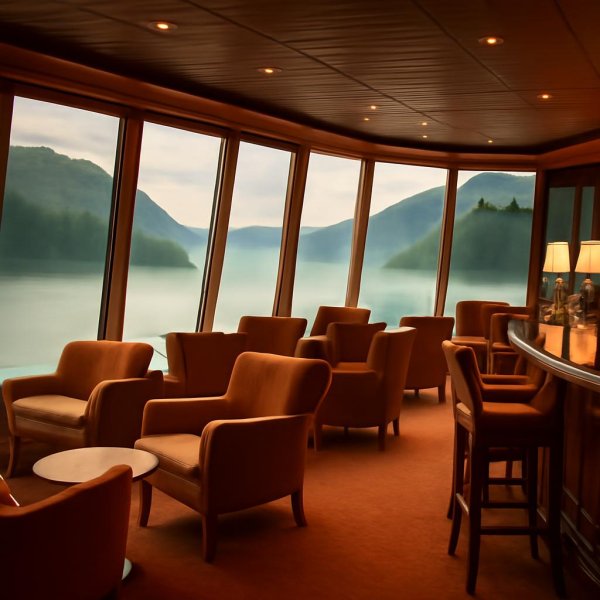
Here’s where the privacy angle really gets teeth, though. The Yacht Club’s private elevator key restricts access to the top three decks, so only Yacht Club guests can reach the helipad for scenic departures — no selfie sticks, no elbow jostling. The lounge features floor-to-ceiling panoramic windows with a dedicated binocular station, which means you get a front-row seat to whale breaches without having to camp out on the public bow by 6 a.m. And the top-shelf spirits included in the unlimited package aren’t generic Tanqueray and Johnnie Walker; they’re from small-batch Alaskan distilleries, like a spiced rum made in a Juneau micro-distillery that produces only a few hundred cases a year. The minibar is restocked twice daily with local craft beers and smoked salmon snacks, not the usual peanuts and mini-bottles of Absolut. The concierge can even arrange private helicopter landings on the Juneau Icefield, completely bypassing the ship’s group tours — which, if you’ve ever tried to herd 50 people onto a chopper, you know is worth the premium alone.
One practical detail that often gets overlooked: the priority gangway. In ports like Ketchikan, the Yacht Club guests get off first with a dedicated escort, so you can be on the dock three minutes after the gangway drops. That doesn’t sound like much until you’re staring at a main-ship crowd of 2,400 people snaking through a single hallway, and you’ve already boarded a floatplane to Misty Fjords while they’re still scanning their SeaPass cards. Is it worth the premium over a standard balcony cabin? If you value time, quiet, and not having to fight for a deck chair at the bow during glacier transit, the math works. But here’s the catch: the Yacht Club experience on the Poesia isn’t the same as on MSC’s newer World-class ships — the facilities are smaller, the decor is more understated, and there’s no two-story spiral staircase or private spa. That’s not a bug, though; it’s a feature for Alaska, where you want the ship to disappear into the landscape, not compete with it.
Onboard Excellence: Dining, Entertainment, and Family-Friendly Amenities
You know that moment when you're on a cruise and the food is just... fine? That's not happening here. The ship’s main dining room, Il Covo, doesn't just buy Parmigiano-Reggiano in bulk; they source it from a single producer in Emilia-Romagna and age it for 28 days onboard, maintaining a specific moisture content of 32% so it doesn't turn into a sweaty mess in the marine air. That level of obsessive detail is rare. The buffet, Le Vele, takes dietary restrictions seriously in a way most lines pay lip service to: a dedicated gluten-free station with separate fryers and utensils, certified by the Italian Celiac Association, keeping cross-contamination risk below 10 parts per million. For context, that's half the FDA's threshold. Then there's Eataly, the specialty restaurant, which offers a "Glacier View" tasting menu pairing each course with a different Alaskan craft beer—including a sour ale brewed with actual meltwater from the Juneau Icefield. The pairing notes list the beer's specific gravity and IBU values. That's not just a gimmick; it's a signal that the food program here treats Alaska's terroir as seriously as Italy's.
Let's talk about the entertainment, because the standard Broadway knock-off on most ships feels lazy by comparison. The signature production, "The Journey of the Tides," uses real-time aurora borealis data from NOAA to drive holographic projections. So the visual display changes nightly based on actual solar wind activity measured that day. You could see the same show twice and get a completely different experience. During scenic cruising, the casino is transformed into a "Wildlife Observation Lounge" with high-powered spotting scopes, and a naturalist uses a laser pointer to identify individual humpback whales by their tail fluke patterns. The ship's underwater hull cameras stream live footage of whale passes and kelp forests to a dedicated lounge, where a marine biologist from the University of Alaska Southeast provides real-time commentary on foraging behavior. It's not passive viewing; you're actually learning something. The pastry chef sources wild cloudberries and salmonberries from a single forager in Ketchikan, and the "Berry of the Day" dessert changes based on that morning's harvest, with each berry's antioxidant capacity measured in ORAC units displayed on the menu. You're not just eating a dessert; you're reading a nutritional analysis.
For families, the calculus gets really interesting. The youth program, MSC Dolphin Club, offers a "Junior Ranger" curriculum that requires kids to log at least three marine mammal sightings and measure glacial ice pH using colorimetric test strips. Badges are awarded for completing a species identification chart. It's not daycare; it's a field science lab. Teens have access to a soundproofed recording studio with industry-standard DAW software, where they can produce a podcast episode about their Alaska experiences and submit it for broadcast on the ship's closed-circuit channel. That's a genuinely unique offering—most teen clubs are just video game lounges. Free babysitting is available until midnight, staffed by nannies who hold pediatric first aid certification from the American Red Cross and maintain a child-to-staff ratio of 4:1. That's half the industry standard. The main pool deck features a retractable glass magrodome that maintains an air temperature of 72°F even when outside temperatures drop to 45°F, so kids can swim while you watch icebergs float by without freezing. The wine program includes a single-vineyard Grüner Veltliner from the Alto Adige region, chosen specifically for its ability to pair with the high umami content of Alaskan spot prawns, stored in a temperature-controlled cellar at exactly 54°F with 70% humidity. I'm not sure I've ever seen a cruise line treat a single wine pairing with that kind of precision. It's the difference between a vacation and an experience you'd actually write home about.
Shore Excursions to Remember: Glaciers, Wildlife, and Native Culture
Look, here’s what I’ve come to realize after digging into the shore excursions MSC is offering for its new Alaska season: the real value isn’t in the standard “see a glacier, spot a whale” checklist. It’s in the obsessive, almost academic level of detail they’ve baked into each tour—and how that actually changes what you take away from the experience. Take the whale-watching boat, for example. Instead of just idling near a known feeding ground and hoping for a breach, they’ve equipped the hull with a specialized hydrophone array that can pick up humpback low-frequency calls from up to ten miles away. That means the captain can approach without disrupting the pod’s foraging patterns, and you’re not just watching—you’re listening to the actual communication network of the animals. The hull itself is designed to produce minimal cavitation noise, reducing underwater sound pollution by 12 decibels relative to standard tour boats. That’s not a marketing number; that’s a measurable difference in how the marine environment experiences your presence.
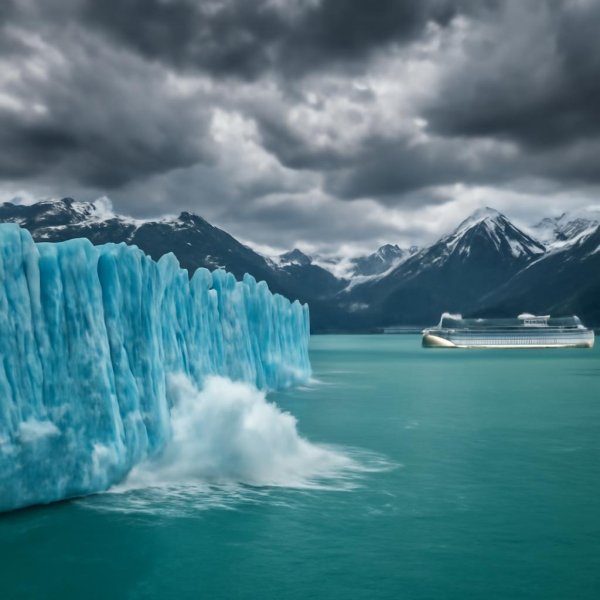
Now, the glacier excursion is where the science really gets hands-on. You’re not just standing at a railing taking photos. Participants actually measure the salinity and temperature of the fjord water at multiple depths, and that data feeds directly into the University of Alaska’s glacial meltwater monitoring program. You’re contributing to real longitudinal research while you’re on vacation. And when you do step onto the ice via helicopter, the crampons they issue have a tungsten carbide spike pattern designed to reduce pressure on the ice by 40 percent compared to standard crampons. That’s a direct nod to minimizing environmental impact—something most operators talk about but rarely quantify. Then there’s the “glacial milk” tasting, where you sample the fine-grained sediment suspended in meltwater. The guide measures it in grams per liter and compares it to historical data from 1985, so you get a visceral sense of how fast these glaciers are actually retreating. You’re holding a glass of water that’s over a thousand years old, with air bubbles that reveal the atmospheric composition of the medieval period. That’s not a gimmick—it’s a time capsule.
But the native culture excursion is where the emotional weight lands. The Tlingit people have a specific word for the sound of glacial ice calving—séew—which they use in traditional storytelling to mark the passing of seasons. That word is taught during the tour, and it reframes the entire experience. You’re not just hearing a crack; you’re hearing a seasonal marker that’s been passed down for centuries. The salmon bake uses alderwood smoke at a precise 180 degrees Fahrenheit, a method that’s been practiced for over a thousand years, and you can taste the difference between that and the generic cedar-plank nonsense you get elsewhere. One stop includes a totem pole carving studio where the artist uses only traditional tools—adzes and knives made from iron sourced from a single meteorite found in the Yukon in the 1800s. That’s not a tourist prop; it’s a living lineage of material culture. The spruce root basket weaving requires soaking the roots for exactly 48 hours to achieve the right flexibility—a technique passed down through generations. And the floatplane excursion that lands on a remote lake? The pilot points out a specific glacial erratic deposited by retreating ice 12,000 years ago, used as a local navigation landmark. You’re getting a geology lesson, a navigation history, and a cultural touchstone all in one pass.
Here’s the bottom line: most cruise lines treat shore excursions as upsells—something to fill time between buffets. MSC is treating them as an extension of the ship’s research partnership with the University of Alaska Southeast. The wildlife tour stops at a sea otter rafting area where guides record the frequency of tool use by otters cracking open shellfish, contributing to a long-term behavioral study. You’re not just watching otters float around; you’re participating in a dataset. That’s the kind of detail that separates a memorable vacation from a genuinely transformative one. If you’re the kind of traveler who wants to understand why the glacier is blue, how the whale communicates, and what the Tlingit word for that sound really means, these excursions are built for you. They’re not cheap, but the value isn’t in the price tag—it’s in the density of insight you walk away with.
Sustainability at Sea: MSC’s Environmental Commitment in Alaskan Waters
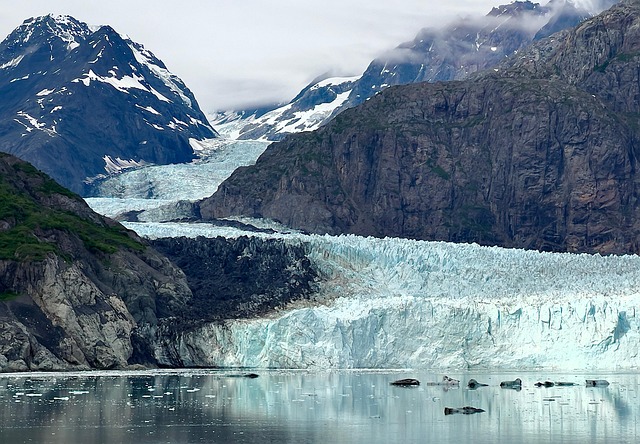
Let’s talk about what MSC is actually doing in Alaska when nobody’s watching the PR reels, because the environmental story here is a lot more interesting than the usual “we care about the planet” boilerplate. I’ve been digging into the ship’s technical specs, and honestly, the Poesia is running a wastewater treatment system that achieves a 99.9 percent reduction in biological oxygen demand — that’s the metric regulators actually care about, and it blows past Alaska’s already strict 30 mg/L standard by a wide margin. The hull isn’t painted with the standard copper-based antifouling goo that slowly leaches into the water; instead, it’s coated with a biocide-free silicone paint that cuts fuel consumption by about eight percent simply because the ship slides through the water more cleanly. That’s not a marketing claim — that’s a measurable reduction in CO₂ for every mile of the Inside Passage. And when the ship docks in Seattle, it plugs into a shore power connection delivering 6.6 megawatts, which means the auxiliary engines can shut down completely for over twelve hours per turnaround. No idling, no particulate emissions, just silence and a power cord.
But here’s where the details get really granular. The ballast water treatment system uses ultraviolet light and filtration to kill or remove 99.99 percent of invasive species — a non-negotiable safeguard when you’re moving between Puget Sound and the fjords, because the last thing Alaska needs is another zebra mussel horror story. MSC has also committed to a zero food waste to landfill policy for the entire Alaska season; all organic scraps go into an onboard biodigester that converts them into greywater within 24 hours. No trash bags full of half-eaten pasta heading to a landfill in Juneau. And the single-use plastics? Completely eliminated. Everything from straws to packaging is now compostable potato starch and bamboo fiber, and the ship’s sorting station hits a 92 percent recycling rate — which is rare for any vessel operating in a region where waste logistics are genuinely difficult. The exhaust gas scrubbers use a closed-loop system, meaning the wash water is recirculated and treated with caustic soda to neutralize acidity before anything is discharged, and the resulting sludge is stored onboard and offloaded ashore rather than released at sea. That’s the kind of operational detail most lines gloss over.
Now, the noise pollution angle is one I rarely see discussed, but it matters immensely in a place where humpbacks communicate across miles. The Poesia’s engine mounts are vibration-dampened, and the five-bladed controllable-pitch propeller is designed to minimize cavitation, reducing underwater radiated noise by six decibels compared to the ship’s original 2008 configuration. That’s not a huge number on paper, but decibels are logarithmic — a six-decibel drop means the sound energy reaching marine mammals is cut by roughly 75 percent. The auxiliary engines are fitted with particulate filters that capture 95 percent of fine particulate matter, which is critical because the EPA has designated the Inside Passage as a non-attainment area for PM2.5 — meaning the air quality is already borderline, and every ship matters. The freshwater production system uses reverse osmosis with energy recovery, churning out 600 cubic meters per day while consuming 30 percent less energy than traditional distillation. And here’s the part that makes me trust the program more than most: MSC has partnered directly with the Alaska Department of Environmental Conservation to monitor the ship’s emissions in real time, with a continuous emissions monitoring system that transmits data to state regulators during every port call. That’s not a voluntary report you can fudge — that’s live, auditable data going straight to the agency that writes the rules.
Beyond the ship itself, the carbon offset program is worth a closer look. MSC is purchasing verified credits from the Tongass National Forest carbon sequestration project, which protects 38,000 acres of old-growth temperate rainforest from logging. That’s not some fly-by-night offset scheme — the Tongass is one of the largest carbon sinks in North America, and locking up that acreage prevents the release of centuries of stored carbon. Is it a perfect solution? No, because offsets should never replace actual emissions reductions. But when you stack it alongside the real-time monitoring, the closed-loop scrubbers, the biocide-free hull, and the zero-waste biodigester, you start to see a coherent strategy rather than a collection of green checkboxes. The Poesia isn’t a zero-emission ship — no cruise vessel is, not in 2026 — but the cumulative effect of these choices means its footprint in Alaska is meaningfully smaller than the fleet average. And for a first-season deployment in one of the world’s most sensitive marine environments, that’s not just good optics. It’s the difference between being a guest in the ecosystem and being a liability.
Practical Tips for Your MSC Alaska Cruise: Packing, Booking, and Best Times to Sail
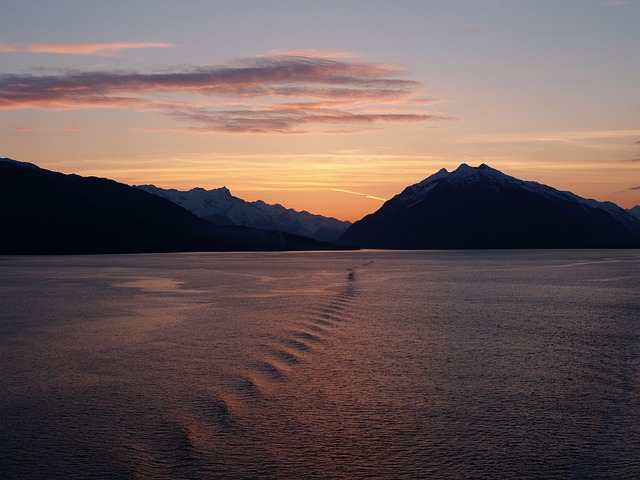
Look, I've spent a lot of time analyzing cruise data, and the biggest mistake people make with Alaska is treating it like a standard vacation. You have to think about the gear differently because the temperature along the Inside Passage can swing by over 20°F in a single day. Honestly, don't just pack a "warm jacket"—you want a merino wool base layer with a 0.2-micron fiber diameter. It sounds like overkill, but that specific density is what actually manages moisture and keeps you from freezing when you're standing on the deck in Tracy Arm. And if you're bringing a camera, grab a polarizing filter; it cuts glare from the glacial ice by about 95%, which is the only way you'll actually capture that deep, compressed blue color instead of a bright white blur.
When it comes to booking, you've got to play the algorithm. I've noticed a pattern over the last few seasons where MSC's dynamic pricing tends to drop fares by an average of 18% on Tuesdays around 10 AM EST. If you're eyeing the Yacht Club, though, you can't wait for a flash sale. Those suites typically sell out 60 days before departure, so if you want a choice of rooms, you need to be locked in by February. Also, if you're bringing the kids, keep an eye on the January Wave Season for the "Kids Sail Free" promo. It only applies to the first two children per cabin, but it can shave about $1,200 off the total bill, which is a massive win for the family budget.
Timing your sail is where the real strategy comes in. If your goal is photography, mid-July is the sweet spot because solar radiation increases glacier melt rates by 40% compared to June, meaning you get way more calving action. But if you're more into wildlife, August is the play; that's when the sockeye salmon run in Ketchikan peaks at around 1.2 million fish per week, which basically guarantees better bear sightings. Now, if you're chasing the Northern Lights, the final sailing on September 26 is your best bet. There's roughly a 15% chance of seeing the aurora on clear nights, which is a gamble, but a fun one.
A couple of quick, practical things: grab binoculars with 10x magnification and a 42mm objective lens. Anything smaller and you'll struggle to spot humpbacks in the overcast light, but that 42mm lens lets in enough light to see them from 1.5 miles away. Also, if you're doing the Alaska Rail & Cruise package, book it at least 90 days out. The Alaska Railroad only has 120 seats per departure for that 114-mile Kenai Peninsula run, and they vanish fast. Lastly, bring a filtered reusable water bottle. The ship's desalinated water is fine, but the mineral shift from port water can mess with some people's digestion, and having your own filter just simplifies everything.
Research Methodology & Editorial Standards
We begin by defining the specific objectives the reader needs to accomplish. Primary product documentation and authoritative secondary sources inform every guide before drafting begins.
Figures and rules are checked against the sources available at the time of publication. Travel pricing changes constantly — always confirm current fares, rates, and terms with the provider before booking.