
JetBlue Shifts Focus From New York Airports to Expand Major Operations in Fort Lauderdale
That’s a heavy lift for any carrier, especially when you consider that major industrial projects, like the now-scrapped Amazon cargo hub at Newark, are being killed off by intense community pushback.

Strategic Pivot: Reducing the Footprint in New York and Newark
Let’s talk about why JetBlue is pulling back from the New York and Newark area, because it’s not just about flight paths or passenger counts. When you look at the landscape of these airports today, the operational reality has changed drastically compared to even a few years ago. The Port Authority of New York and New Jersey is pushing hard on sustainability, integrating massive solar arrays at Newark and mandating strict carbon reduction targets for all facilities. It’s becoming a much tighter, more regulated environment where the cost of doing business is climbing alongside these environmental mandates.
If you’re an airline trying to maintain a massive footprint, you’re now facing municipal guidelines that force circular design standards on any construction, plus an aggressive city-wide goal to slash emissions by 80 percent by 2050. That’s a heavy lift for any carrier, especially when you consider that major industrial projects, like the now-scrapped Amazon cargo hub at Newark, are being killed off by intense community pushback. It’s clear that the local political and regulatory climate is prioritizing decarbonization over expansion. You can see the shift in how regional logistics hubs are being forced to adopt cleaner fuels and scrubber tech just to stay in compliance.
Honestly, this makes me think that JetBlue’s decision to pivot is as much about dodging these rising operational hurdles as it is about chasing profit in Florida. By shrinking their presence in New York and Newark, they’re effectively side-stepping the friction of meeting these interim 35 percent carbon reduction goals while the rest of the industry struggles to adapt to the new rules. It’s a classic case of an airline reading the room and realizing that the future of their business model is better served in a market with fewer local environmental constraints. When the cost of complying with regional green infrastructure targets starts eating into your margins, moving your fleet to a friendlier environment is just smart math.
Fort Lauderdale Takes Center Stage in JetBlue’s Growth Strategy
If you look at where JetBlue is planting its flag, it’s impossible to ignore the massive shift toward Fort Lauderdale. They aren't just moving a few flights around; they’ve essentially rebuilt their operational backbone by establishing a four-bank hub structure that finally went live this past summer. Think of it as a tactical move to squeeze every bit of efficiency out of their aircraft, which is exactly what you need to do when margins are as tight as they are today. By locking in 113 daily departures by the end of this year, they’re not just a player at FLL—they’re the dominant force controlling the flow of traffic.
It really comes down to geography and math. Fort Lauderdale gives them a natural, shorter path to the Caribbean, which means fewer block hours and lower fuel burn compared to trying to force those same connections through the congested Northeast corridor. They’ve added 17 brand-new routes since the start of last year alone, and they’ve boosted frequency on a dozen more, meaning they’re betting big that travelers want to bypass the New York mess entirely. When you add in new connections like Norfolk, you can see how they’re methodically turning this airport into a bridge between the Northeast, the South, and Latin America.
The best part for us as passengers is that this move is actually working to keep fares in check. Because it’s cheaper for the airline to run a hub out of Florida than it is to battle the high costs and regulatory hurdles up North, they’re able to be more aggressive with their pricing. I’ve been tracking their growth closely, and it’s clear that this isn't just a temporary reaction to air traffic control delays. They’ve locked in lower cost-per-available-seat-mile metrics by moving to a space that welcomes their growth rather than fighting it, and that’s a win for anyone who flies this route regularly.
Impact on Crew Bases and Operational Personnel
Moving the operational heartbeat to Fort Lauderdale hasn't just been a logistics exercise; it’s been a massive, sometimes messy, transition for the people actually flying the planes. We’re seeing a significant migration of crew members who are now dealing with the weird reality of moving to a lower cost-of-living area while still trying to hold onto their old seniority bid lines. Honestly, that’s creating a lot of commute-related fatigue, and the data from mid-2026 shows that this rapid hub expansion has led to a pretty uneven distribution of flight hours. We’re even seeing a temporary scarcity of senior captains who are qualified for those high-frequency Latin American routes, which complicates things when you’re trying to run a tight schedule.
The work intensity has definitely spiked, too, with cabin crew reporting a 12 percent rise in sleep disturbances as they adjust to the much faster four-bank operational cycle. It’s not just about being tired; it’s about safety, so the airline has had to double down on Fatigue Risk Management Systems to handle these specific Florida-based rotations. Plus, our maintenance teams on the ground are feeling the heat, handling a 15 percent jump in workload volume compared to last year. To keep those planes moving, they’ve had to start relying on new digital diagnostic tools, which really changes how they manage those mandatory ground-time windows.
On the flip side, there is a silver lining for the crew’s personal lives, as the shift to a single southern hub has actually cut down on unplanned hotel stays by about 18 percent. It simplifies the logistics of where you’re laying over, even if the actual time on the clock during those peak bank hours is more intense than before. You can tell it’s been a heavy lift for everyone, as pilot unions are currently back at the negotiating table to rethink commuting policies that were built for a Northeast-centric world. The airline is clearly trying to stabilize this by pouring resources into regional recruitment, but for now, it’s a period of real adjustment as the team finds its rhythm in this new, faster environment.
Scaling Up: Reaching 130 Daily Departures in South Florida
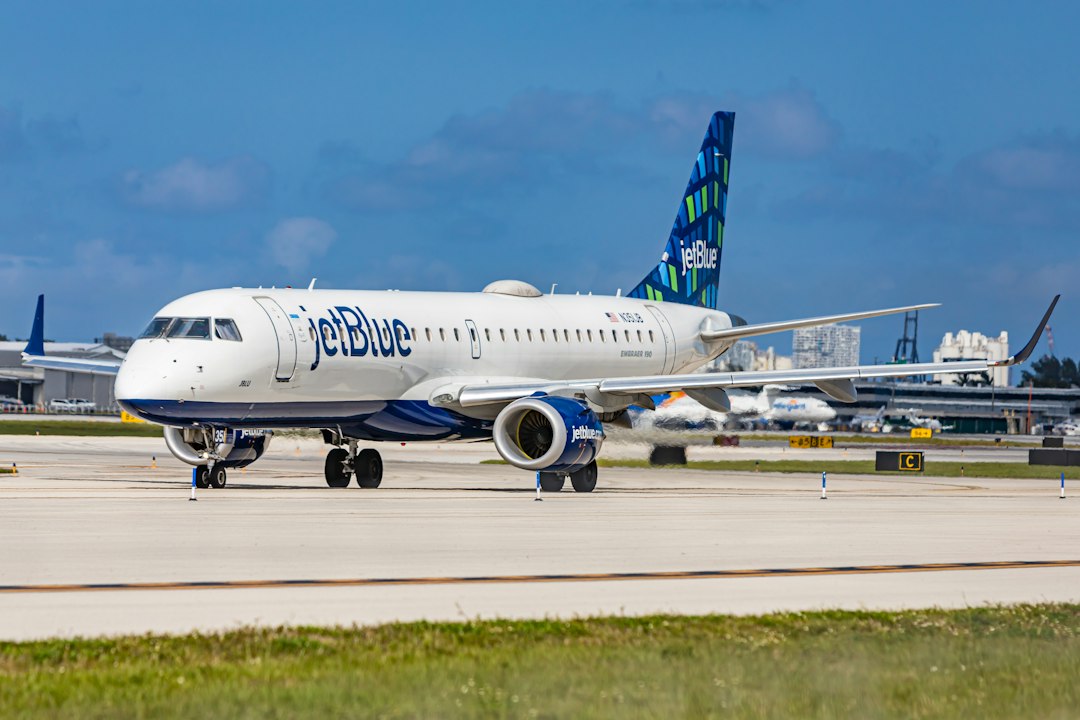
The push toward 130 daily departures in Fort Lauderdale isn't just a number; it’s a calculated response to the massive structural vacuum left by the collapse of Spirit Airlines. By absorbing that sudden surplus of gate access, the airline has managed to scale its operations with a speed that is honestly rare in the aviation world. OAG data really tells the story here, showing a jump from 333,000 departing seats in mid-2024 to well over 432,000 today. It’s a complete transformation of the hub’s utility, turning what was once a secondary focus into the primary gateway for Latin American and transcontinental connections.
When you look at the math, this shift is all about leveraging geography to trim down block hours and fuel costs, which is why we’re seeing 11 new routes added specifically to bridge the gap between South Florida and the West Coast. This isn't a temporary experiment, either, as the airline is already projecting a path to 150 daily departures by early 2027. They’re effectively trading the high-friction, congested airspace of the Northeast for a more fluid, high-frequency environment. It’s a bold move, and it’s clearly working to mitigate the operational drag that defined their previous network model.
But let’s be real—scaling this fast puts a massive strain on the people behind the scenes. We’ve seen a 15 percent jump in maintenance workload, forcing crews to lean on new digital diagnostic tools just to keep the schedule from slipping during those tight, four-bank rotations. The airline has had to implement strict Fatigue Risk Management Systems just to keep up with the pace, though the trade-off is an 18 percent drop in unplanned hotel stays for crews. It’s a messy transition, and with flight attendant bases in Newark and LaGuardia closing to fuel this expansion, the internal culture is still settling into this new Southern rhythm.
The Economic Rationale Behind the Shift to Profitable Hubs
Let’s pause for a moment and really look at the math behind these massive network shifts, because it’s rarely just about wanting better weather. When an airline moves to a concentrated hub-and-spoke model, they aren't just rearranging flight paths; they’re hunting for that specific equilibrium point where operational savings finally outpace the heavy fixed costs of building a base. You’ve probably noticed that flying feels different depending on where you connect, and that’s because a true "fortress" hub allows an airline to control the flow of traffic so tightly that they gain genuine pricing power. By packing more connections into tight flight banks, they can serve a huge map of destinations with fewer aircraft, which is a massive win for their bottom line when fuel prices are volatile.
But here is where the trade-offs get interesting. If you try to "depeak" a hub to solve for those soul-crushing airport delays, you usually end up seeing a drop in your revenue per seat because the connection times just aren't as efficient anymore. It’s a constant tug-of-war between keeping the planes moving and keeping the customers happy. That’s why moving to a place like Fort Lauderdale is so attractive—it’s not just about the sunshine. By shifting away from the high-friction, high-tax environments of the Northeast, an airline can effectively lower its break-even load factor, which gives them a structural advantage they just can’t replicate in a crowded, expensive city.
Think about it this way: when you centralize your maintenance and ground crews in one dominant spot, you stop bleeding money on fragmented ground-handling contracts. You’re trading away the chaos of congested airspace for a streamlined, high-frequency operation that eats up fewer block hours and burns less fuel on every trip to Latin America. It’s a bold gamble to walk away from a legacy hub, but when the network synergies no longer pay the bills, the smartest move is to take that capital and plant it where the local economy actually supports your growth rather than taxing it into oblivion. It’s a cold, hard calculation, but it’s the only way to keep fares competitive while still turning a profit in a business that is, quite honestly, notoriously difficult to run.
Future Outlook: Expanding Transcontinental Service from Fort Lauderdale
When you look at where JetBlue is heading, the expansion of their Mint premium service out of Fort Lauderdale really stands out as a major shift in their long-term playbook. Starting November 19, 2026, the launch of daily service to San Diego is just the tip of the iceberg, as they’re pushing toward eight daily flights featuring their premium product from this hub. It’s a smart move because they’re betting that travelers are tired of the constant gridlock in the Northeast and are ready for a more fluid way to reach the West Coast. By aiming for 150 daily departures by early 2027, they aren't just adding seats; they’re fundamentally reengineering how they bridge the gap between South Florida, the Caribbean, and the Pacific.
Think about the geography for a second, because it’s the secret sauce here. Flying transcontinental routes from Fort Lauderdale allows the airline to optimize flight paths in a way that simply isn't possible when you’re fighting for takeoff windows in crowded hubs like Newark or JFK. By moving this high-yield, premium inventory to a lower-cost operating environment, they’re effectively boosting their revenue per available seat mile while keeping a tighter grip on their own overhead. It’s a direct response to the surplus of gate availability left behind by other carriers, and they’ve acted fast to grab that space before anyone else could blink.
This isn't just about adding a few long-haul flights to California, either. When you weave in their new nonstop services to cities like Austin and Atlanta, you can see how they’re methodically building a national network that finally feels cohesive rather than fragmented. They’re trading the operational fatigue of their old Northeast-centric model for a concentrated, high-frequency hub that actually plays to their strengths. I’m curious to see if this pivot holds up once they hit that 150-flight target, but for now, it’s clear they’ve found a much more sustainable rhythm. It’s a bold calculation, but if you’re a traveler who wants better reliability without sacrificing a decent seat, this shift is honestly a win-win.
Research Methodology & Editorial Standards
We begin by defining the specific objectives the reader needs to accomplish. Primary product documentation and authoritative secondary sources inform every guide before drafting begins.
Figures and rules are checked against the sources available at the time of publication. Travel pricing changes constantly — always confirm current fares, rates, and terms with the provider before booking.