
Essential Tips for Planning Your Next National Park Adventure
I’ve noticed that dynamic park management systems are now using real-time satellite data to track things like vegetation green-up and wildlife migration, which directly dictates when those high-altitude roads finally open.
Researching Seasonal Accessibility and Peak Visitation Times
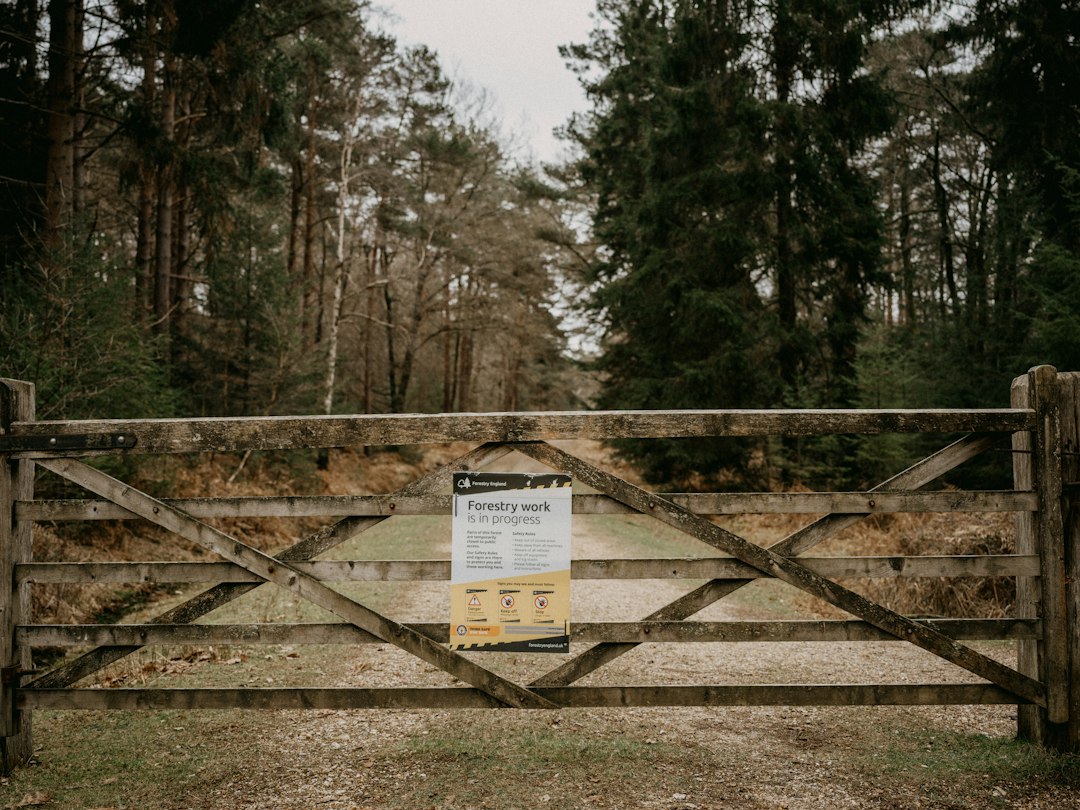
Look, we’ve all been there—you show up to a park gate expecting a quiet morning, only to find a line of cars and a parking lot that’s already full. It’s frustrating, but it’s becoming the new normal because the old rules about skipping weekends just don't hold up like they used to. Mid-week crowds are now matching what we used to see on Saturdays, effectively killing the classic strategy of dodging peak days. I’ve noticed that dynamic park management systems are now using real-time satellite data to track things like vegetation green-up and wildlife migration, which directly dictates when those high-altitude roads finally open. If you’re planning a trip, don't rely on static calendars because they simply can't account for the fact that shoulder seasons have shrunk by nearly two weeks over the last decade.
The way we visit is changing, too, largely because social media geotagging can turn a quiet spot into a bottleneck in a matter of hours. Even if the main entrance looks fine, researchers are seeing these hidden peaks where traffic spikes much earlier in the day than we saw back in the 2010s. It’s not just about the crowds, either; hydrological data from this year shows that spring runoff is causing more sudden road closures than ever, and those aren't always updated on the official sites immediately. You really need to check your access status within 48 hours of your departure to avoid getting turned away at the gate. Honestly, it’s a lot to keep track of, but the parks are increasingly using demand-forecasting tools that shift entry windows based on the actual weather, so staying flexible is your best defense.
One thing that really surprised me is how much nocturnal tourism has picked up, thanks to those night sky preservation programs. It’s creating a whole secondary peak period that requires completely different gear and planning than what you’d do for a standard hike. Then you have those rare events like mass wildflower blooms that trigger surprise administrative closures that no brochure is going to mention. If you’re heading out west, just assume you’ll underestimate your travel time by about 40 minutes because of those unmapped road bottlenecks that pop up during the summer. It’s a bit of a moving target, but knowing that the traditional "off-peak" window is shrinking is the first step toward actually getting the trip you wanted.
Navigating Potential Government Shutdowns and Park Closures
When you’re eyeing a trip to a national park, the last thing you want to worry about is a political standoff in D.C., but ignoring the reality of government funding cycles is a gamble you shouldn't take. I’ve seen enough of these lapses to know that when federal budgets hit a wall, the park experience shifts almost instantly from seamless to survival mode. During these funding gaps, the National Park Service typically pivots to skeleton crews, meaning visitor centers lock their doors and trash collection stops entirely. You might find a park gate still open, but within a few days, the lack of janitorial services often creates sanitation crises that force authorities to shut down high-traffic areas regardless of the initial policy.
It’s easy to assume your planned hike or campsite will stay accessible, but the reality is that interagency communication often grinds to a halt, leaving you with little to no real-time data. Digital portals frequently freeze at the start of a shutdown, so the website you’re checking for updates might be offering stale information while you’re already on the road. Remember that while search-and-rescue services technically remain active, they’re severely constrained by the lack of administrative support, and you’re essentially on your own if a trail becomes impassable due to a fallen tree or sudden storm damage. Even if a park manages a soft closure, you’re looking at a vastly different experience where core oversight simply isn't there to guide you.
I’d also urge you to pay attention to the nuance between government-run facilities and those managed by independent concessionaires. While lodging and dining services might continue to operate independently during a shutdown, your official camping reservations could be hit with automatic cancellations without much warning. It’s also worth noting that some states have started using non-federal grants to keep certain amenities running, but these partnerships are legally restricted from performing core federal management duties. Ultimately, if you see the budget clock ticking down, it’s safer to view your itinerary as a flexible draft rather than a fixed plan. Being prepared for a sudden pivot isn't just smart; it’s the only way to ensure you aren't left stranded at a locked gate.
Mastering the Reservation System for Popular Trails and Campgrounds
If you’ve ever sat staring at a digital clock, heart pounding, waiting for a reservation window to crack open, you know the absolute frustration of watching a campsite disappear in milliseconds. The reality is that federal portals now implement a 10-minute hold window for cart contents, which means your selection isn’t actually locked until that final payment screen clears. I’ve found that many of these systems are shifting toward weighted algorithms, actively favoring users who have a clean track record of showing up rather than canceling at the last minute. If you’re hunting for high-demand backcountry permits, they almost always drop on a rolling six-month schedule at exactly 8:00 AM Mountain Time, but keep in mind that server latency can create a three-second drift depending on your regional internet backbone.
It’s also worth noting that the digital arms race here is real, as sites now use behavioral CAPTCHAs that track your mouse movements to weed out automated bots, so don’t be surprised if your movements feel scrutinized. If you’re struggling with massive site traffic, I’ve found that using mobile-specific API endpoints can sometimes act as a back door to the inventory, effectively bypassing the main web interface that everyone else is hammering. Surprisingly, choosing a less-photogenic secondary trailhead for your hike can boost your lottery success rate by as much as 40 percent, simply because the crowd is chasing the same viral views. And if you’re really in a bind, remember that a portion of inventory is often reserved for day-of physical kiosks at remote ranger stations, which stay shockingly underutilized because most people just don't want to make the drive.
Don't overlook the role of technology in your planning, especially when it comes to those sudden, frustrating payment timeouts. Clearing your browser’s cache specifically for that domain is usually the fix, and it’s way more effective than just refreshing the page and hoping for the best. We’re also seeing more state-managed parks rely on geofencing, meaning you physically cannot complete a booking unless your GPS confirms you’re within a specific radius of the facility, so don't try to book from your couch if that restriction is in place. If you’re still striking out, subscription services that monitor real-time cancellations have become essential, given that the turnover rate for these sites often hits 15 percent within the final 72-hour window. Always double-check the server’s time zone, too, because a simple daylight savings shift can be the difference between a confirmed trip and an immediate rejection.
Essential Gear and Safety Preparations for Remote Terrain
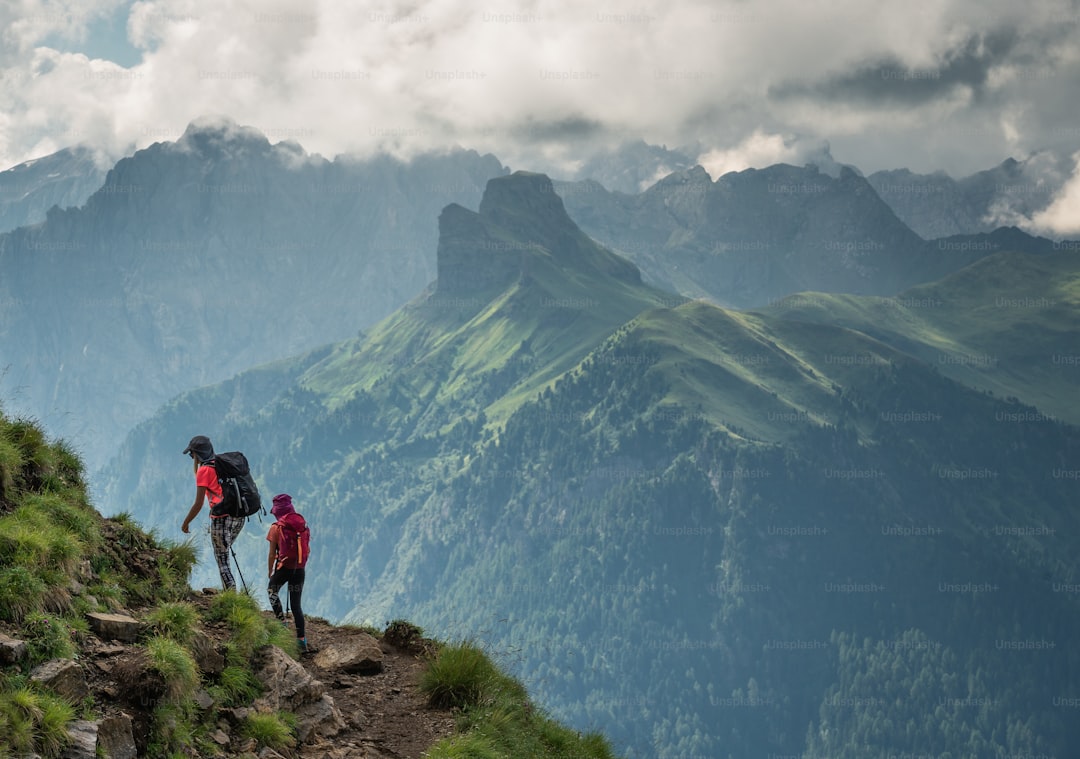
When you're pushing into truly remote terrain, the gear you pack isn't just about convenience; it’s the fine line between a memorable trip and a genuine survival situation. I’ve found that relying on old-school navigation is risky, especially since modern satellite-linked personal locator beacons now use multi-constellation GNSS to lock onto signals even in deep canyons where standard GPS units would just give up on you. You really need to watch your power sources, too, because those lithium-ion batteries you’re using for your phone or GPS suffer a massive voltage drop once the mercury dips below freezing. Honestly, keeping them in an internal pocket against your body is the only way to ensure you don’t lose 20 percent of your capacity right when you need it most.
And don't get me started on the layers, because even in the summer, the rapid heat loss from evaporative cooling in the alpine can catch you off guard if you're still clinging to cotton. I’ve started swapping out traditional gear for newer, ultralight emergency shelters made from metallized polyethylene fabrics that reflect nearly all your body heat, though you have to be careful since they can rip if the wind picks up. For water, those inline hollow-fiber membrane filters are a game changer—they’re light enough that you won't notice them, and they clear out almost all bacteria without the hassle of carrying chemical tablets. It’s also worth noting that if you’re heading into dense woods, a standard whistle often gets swallowed by the wind, so I’ve moved toward electronic signaling devices that put out a consistent 120-decibel frequency that actually cuts through the noise.
One thing that really surprised me is how much your footwear choice impacts your stability; we’re seeing a 12 percent spike in ankle injuries because people are opting for ultra-light shoes that don't provide enough support on uneven ground, so please pack high-tensile cohesive bandages. If you’re hiking in desert areas, those new cooling vests that use phase-change materials to keep your core at a steady 65 degrees are honestly worth every penny. Also, if you’re worried about being found in an emergency, it’s counterintuitive, but wearing bright, synthetic base layers makes you twice as visible to search-and-rescue drones compared to the usual earth-toned hiking clothes. Just remember that map data can be outdated due to recent terrain shifts, so try to cross-reference your digital routes with the most recent aerial imagery you can find before you lace up your boots.
Minimizing Your Environmental Footprint Through Leave No Trace Principles
When we talk about minimizing our footprint, it’s easy to think of it as just packing out our trash, but the reality is much more granular. Let’s pause for a second and consider that in high-altitude alpine environments, human waste doesn't just disappear; it can stay biologically active for over a year because the cold slows everything down to a crawl. If you’re not carrying out your toilet paper, those fecal pathogens can leach into the watershed during the next heavy rain, which is a massive issue for local water quality. It’s also worth noting that walking off-trail is deceptively damaging, as soil compaction can slash water infiltration rates by 90 percent, effectively choking off native plants. Honestly, if you step on those fragile cryptobiotic soil crusts in the desert, you’re destroying decades of growth in a single second, which hits the entire ecosystem's ability to fix nitrogen.
Think about it this way: the gear you carry and how you move actually changes the behavior of the animals you’re there to see. Even small food scraps can shift how small mammals forage, leading them to abandon their natural roles in seed dispersal, while the scent on a discarded wrapper can habituate wildlife to humans almost instantly. That habituation is exactly what leads to dangerous roadside encounters later on. And if you’re using soap, even the biodegradable kind, you’ve got to scatter it at least 200 feet from any water source; the phosphorus in those soaps can trigger localized algal blooms that wreck a pristine mountain lake. It’s a lot to keep in mind, but these aren't just arbitrary rules—they’re data-backed steps to keep the wilderness wild.
Finally, we should look at how we navigate the trails themselves. Most of us don't realize that walking on the edge of a path actually widens it, creating secondary routes that fragment habitats and accelerate erosion, so sticking to the center is the smarter move. If you’re at camp, using a bear canister is empirically better than trying to hang your food, as it saves the trees from structural damage while keeping bears away from your supplies. Even your light usage matters; switching your headlamp to a red-light mode isn't just for comfort, it helps preserve the nocturnal navigation of birds and pollinators that are already struggling with light pollution. It might feel like a lot of extra work, but honestly, it’s the only way to ensure the places we love remain intact for the next person.
Staying Informed: Monitoring Real-Time Alerts and Park Updates
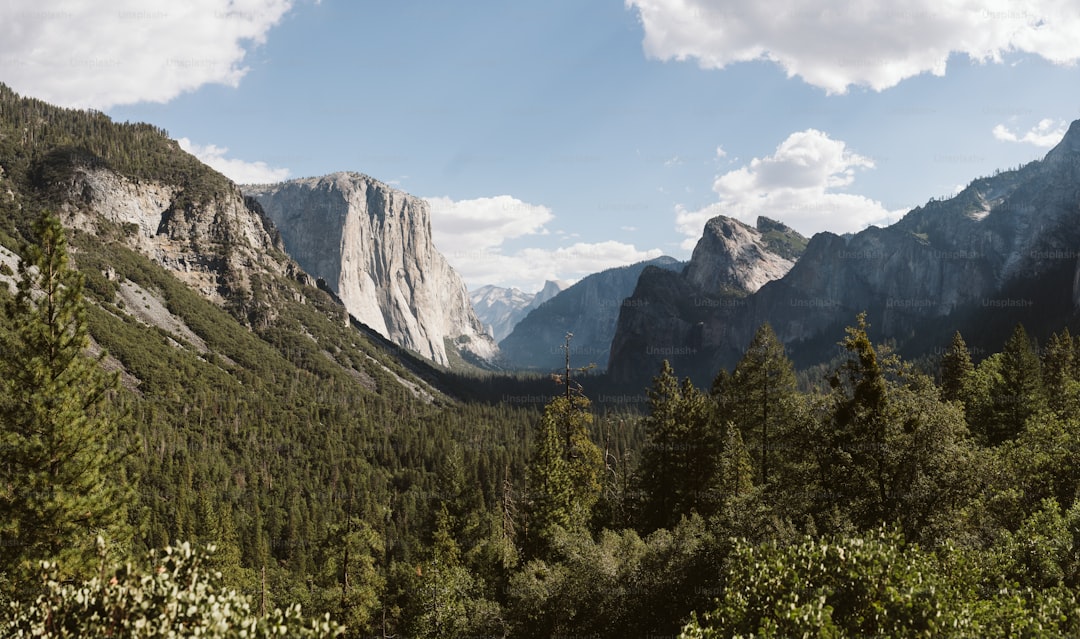
When we talk about staying ahead of the curve, I think we have to move past the habit of just checking a website once before we leave the house. Honestly, modern park management has shifted toward live, telemetry-driven data that is often far more granular than what you’ll find on a static park map. Did you know that many parks are now using geostationary satellite data to track thermal anomalies and fire starts before they’re even visible to human rangers? It’s pretty wild, but it also means that information flows through automated API feeds, which is why your favorite third-party mapping app might sometimes flag a road closure fifteen minutes before the official park site updates its own dashboard.
Here’s what I mean by that: if you’re relying on a brochure or a stale social media post, you’re already behind. I’ve noticed that park authorities are increasingly using AI-driven traffic analysis to predict exactly when a parking lot will hit saturation, often pulling data from license plate readers at the gate to forecast the morning rush. If you’re heading into the backcountry, you should definitely check for real-time stream gauge data, especially during spring runoff, because those numbers are the only reliable way to know if a river crossing has become dangerous overnight. I usually tell friends to look for the specific, raw RSS feeds provided by park field crews, as they tend to be updated by the people actually on the ground long before the main visitor center staff gets around to polishing the public-facing announcement.
It’s also worth considering that localized mesh networks are starting to appear in some remote areas, broadcasting safety alerts directly to your phone via Bluetooth even when you’re miles away from the nearest cellular signal. I’ve started making a habit of enabling push notifications for every park app I download, mostly because they’ve begun implementing 30-minute notification buffers for sudden environmental hazards like flash floods or storm cells. It might feel like overkill, but that half-hour warning is a massive tactical advantage when you’re out in the middle of nowhere and the weather suddenly turns. Ultimately, if you want a seamless experience, you have to treat your itinerary like a living document—one that you’re ready to update the second the data suggests a change.
Research Methodology & Editorial Standards
We begin by defining the specific objectives the reader needs to accomplish. Primary product documentation and authoritative secondary sources inform every guide before drafting begins.
Figures and rules are checked against the sources available at the time of publication. Travel pricing changes constantly — always confirm current fares, rates, and terms with the provider before booking.