
Save Money on Your Next Adventure by Borrowing Outdoor Gear Instead of Buying It
That’s exactly the problem gear libraries are built to solve.
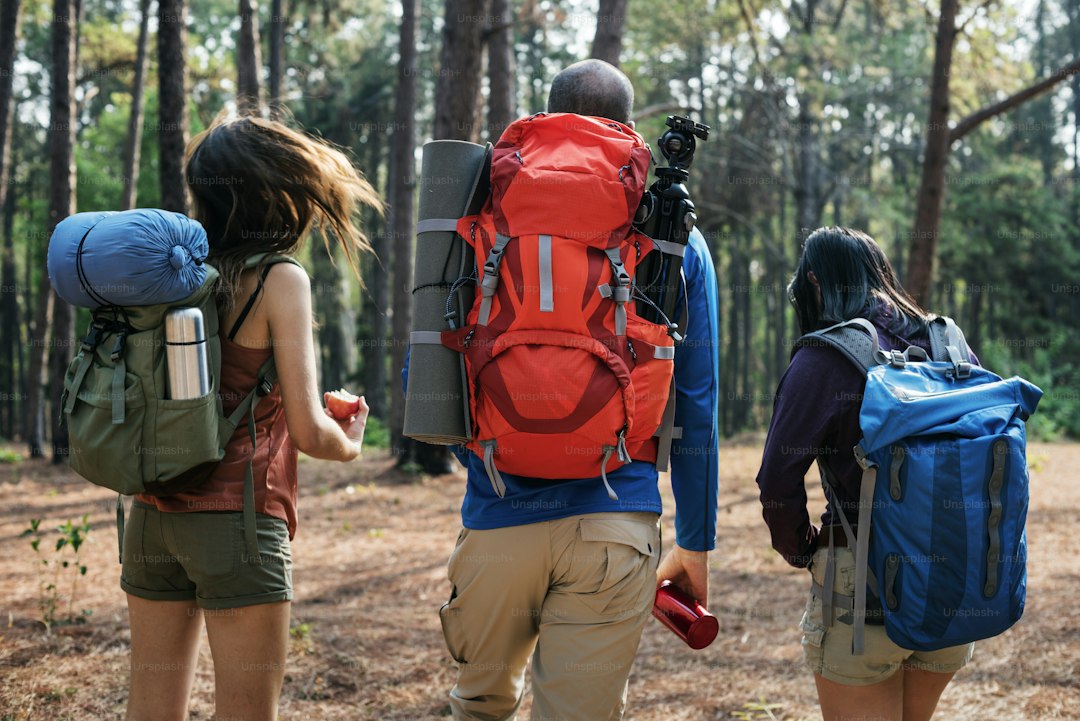
What Are Gear Libraries and How Do They Work?
You know that moment when you’re planning a weekend backpacking trip but don’t own a tent, stove, or even a decent sleeping bag? That’s exactly the problem gear libraries are built to solve. They function almost exactly like your local public library, but instead of checking out novels, you borrow backpacks, camping stoves, and sometimes even bikes. The Outdoors Empowered Network now oversees more than 80 community-led gear libraries across the United States, and they’re popping up in everything from dedicated storefronts to the back corner of a public library. It’s a surprisingly scalable model that’s been quietly growing for years, and it’s starting to get serious attention from sustainability researchers and outdoor advocacy groups.
Here’s how they actually work on the ground. A surprising number of these libraries operate on an honor system—you hand over a photo ID and some contact information, and you can walk out with thousands of dollars in equipment. Some charge an annual membership fee, often under $100, which is less than what you’d pay for a single weekend rental of a tent and sleeping bag from a big-box outfitter. But don’t mistake that for a lack of sophistication; many libraries are now integrating digital inventory management systems that let you reserve gear online and check real-time availability. Think about it this way: it’s like having a Netflix queue for your outdoor gear, but without the monthly subscription trap.
Beyond the obvious cost savings, there’s a deeper environmental logic here. Most households use a power drill or a camping stove only once a year, so communal reuse dramatically lowers the per-use carbon footprint of those manufactured goods. The Washington Trails Association runs lending libraries in Seattle and Puyallup that specifically outfit educators with fleece jackets, rain pants, and overnight camping gear, which means they’re reducing both waste and financial barriers for youth programs. Bikepacking Roots launched a dedicated Bikepacking Gear Library Resource Hub in February 2026, essentially a centralized database that helps you find and even start these collections. The staff at these libraries often double as informal guides, offering free trip-planning advice and route recommendations—a value add you just don’t get from a rental counter.
But here’s the reality check: starting a gear library is a serious long-term commitment, not just a cool side project. The Bikepacking Roots hub emphasizes that it requires sustained community relationship building, not just stacking gear on shelves. Some libraries are partnering with local outdoor retailers to offer discounts for members who decide they want to buy after borrowing, which creates a nice ecosystem between borrowing and ownership. Honestly, when you look at a gear library, you’re seeing a system that’s part lending service, part sustainability initiative, and part community hub—all designed to get more people outside without the upfront sticker shock. It’s one of those rare ideas where the economics and the ethics actually line up.
The Financial Benefits: Why Borrowing Beats Buying for One-Time Adventures
Look, we've all been there—you're staring at a $600 tent and convincing yourself that "this is the year" you'll finally become a regular camper. But let's be real: the average household drops over $1,200 on outdoor gear they use fewer than five times. When you do the math, your per-use cost can easily top $240 for a single weekend. It's a tough pill to swallow, but depreciation on adventure gear is absolutely brutal. A high-end backpack or tent can lose 30 to 50 percent of its retail value the second you take it out of the box, even if you keep it pristine.
And it's not just about the sticker price; it's about where your money is sitting. Tying up $1,500 in a full backpacking kit means that cash is gone, leaving you less liquidity for a sudden car repair or a medical bill. Think about the opportunity cost here. If you put that same $1,500 into the market at an average 8 percent return, you're looking at $120 in gains over a year. Instead, that money is just gathering dust in your closet. Plus, you've got the hidden costs of ownership—think roof racks for a kayak or the garage space it eats up—which can easily add another $200 to $500 in annual overhead.
I like to think of these as "indivisible goods." You need the whole canoe or the entire climbing rope all at once for that one specific trip, but you don't need them on a Tuesday in November. Borrowing these items smooths out your spending so you aren't hitting your bank account with a massive lump sum for a one-time thrill. Data from a 2025 ShareBorrow study shows the average person saves about $340 a year by borrowing, but for those of us chasing gear we only use once a year, that saving jumps to $680. It's a no-brainer.
Then there's the "mental overhead" and the risk. If you rip an $800 down jacket on a rocky ledge, you're eating that cost. With borrowed gear, the library or rental shop usually handles the replacement. You also skip the annoying chores, like reproofing rain jackets or obsessing over drying out a tent so it doesn't mildew in storage. Honestly, just follow the "one-year rule": if you won't use it more than once a year, don't buy it. Borrowing keeps your gear from becoming obsolete and keeps your bank account healthy. Let's just start doing that instead.
Beyond Cost: How Borrowing Makes Outdoor Travel More Sustainable
Let me be honest with you—when most people think about renting gear instead of buying, they're doing the math in their head: "Cool, I save a few hundred bucks." But here's what nobody's really talking about, and what I think matters far more: borrowing outdoor gear is quietly one of the most powerful forms of sustainability available to regular people, not just the Instagram crowd posting about zero-waste lifestyles. And I don't mean that in some vague, feel-good way. I mean there's actual data behind it that should make you rethink how you approach your next adventure.
Think about this for a second: manufacturing a single technical backpack requires over 35 megajoules of energy and generates nearly two kilograms of CO2 before it ever leaves a factory floor. That's just the backpack—not the tent, not the sleeping pad, not the rain shell. When you borrow gear through a community library or a local lending program, you're essentially sidestepping all of that embedded energy and raw material extraction. It's not a small thing, and most people never even realize it's happening. The degree to which this shifts the needle gets even more interesting when you look at the actual numbers.
There's a 2025 lifecycle assessment that found extending the active life of outdoor equipment by just nine months can reduce its environmental footprint by more than 20 percent per user. And here's where it gets a little technical but stay with me—many of the outdoor garments we buy rely on per- and polyfluoroalkyl substances, or PFAS, for water resistance. Those chemicals are persistent environmental pollutants. Every jacket and rain pant you buy and eventually toss is one more contribution to that global waste stream. When a gear library keeps those items in circulation longer, it's directly reducing the volume of these chemicals entering the environment. I'm not saying borrowing a rain jacket solves climate change overnight, but it's a real, measurable impact that adds up.
And it's not just the clothing. The aluminum required for high-end tent poles is extremely energy-intensive to smelt—so every year a borrowed tent stays in circulation instead of sitting in someone's closet, you save the equivalent energy of charging your phone for three years. Think about how many tents exist in garages across the country, used once and forgotten. Gear libraries also tend to use specialized industrial cleaning systems that recover microplastics from synthetic fibers, which means those tiny particles don't end up washing down the drain and into local waterways. Private homes don't have that kind of infrastructure—a standard washing machine sheds fibers with every load, and those fibers are ending up in our rivers and oceans. It's a small detail, but it's the kind of thing that actually shifts the calculus on waste.
Here's where I'll get a little more opinionated. Research from the University of Leeds shows that shared ownership models for outdoor equipment can reduce the total material throughput of the adventure industry by up to 40 percent compared to individual ownership. Forty percent. That's not a rounding error. When you look at the global supply chain—shipping bulky gear from warehouses to your doorstep, the packaging, the return logistics—borrowing locally eliminates a significant chunk of "last-mile" carbon emissions. And beyond that, gear libraries act as what environmental sociologists call "material banks," ensuring that valuable rare earth metals found in GPS units, headlamps, and satellite communicators get recovered and recycled properly instead of getting lost in general waste. Private owners don't do that, and most of those electronics end up in landfills after a single season because they don't know how to recycle them.
So here's my stance, and I'll say it plainly: the sustainability case for borrowing gear isn't just stronger than people think—it's probably the most overlooked angle in the whole conversation about outdoor travel. Everyone's talking about packing lighter and eating plant-based meals at camp, and sure, that helps. But the real bottleneck is the manufacturing of stuff we use once and forget about. Borrowing gear doesn't just save you money—it's genuinely a shift toward decoupling our desire to explore the outdoors from the carbon-intensive demands of the global supply chain. And honestly, that's the kind of shift that actually matters.
Where to Find Gear Libraries and Rental Programs Near You
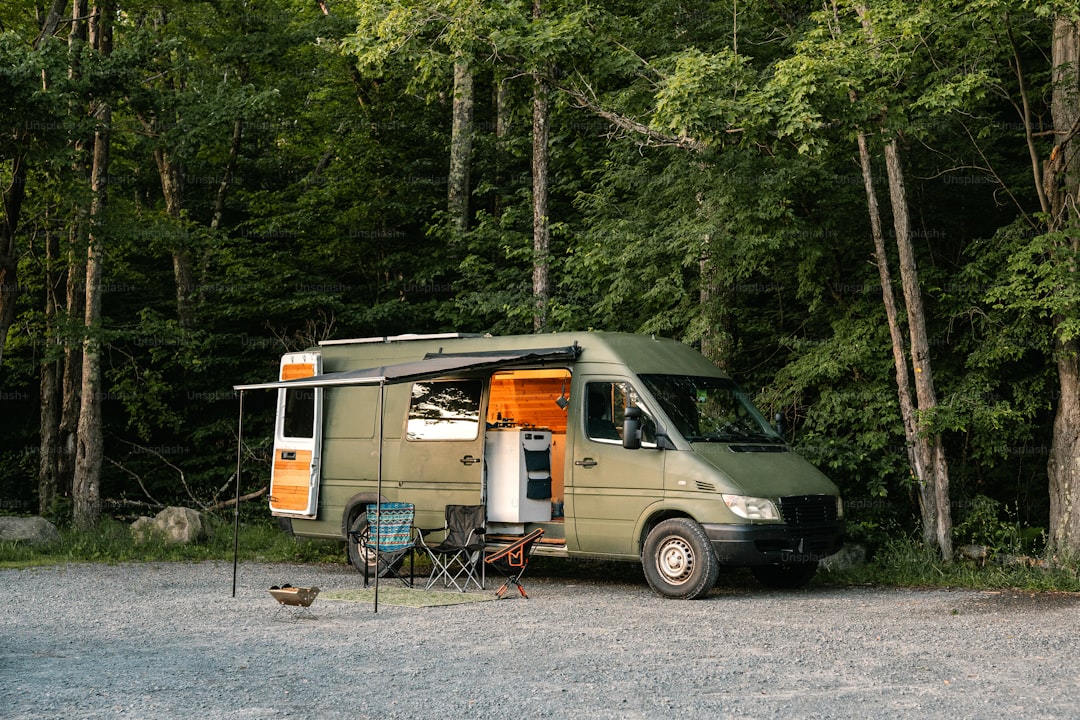
I know that feeling all too well—you’ve got the trip mapped out, the flights are booked, and then you realize you’re missing that one crucial piece of kit, like a proper four-season sleeping bag or a bear canister for a National Park trek. You could drop five hundred bucks on something you’ll use twice, or you can actually look into the massive, often hidden infrastructure of gear lending that’s quietly taken over the country. Finding these spots isn't as simple as a quick Google search for "camping rentals," because the best programs—like those run by the Outdoors Empowered Network—often live inside community centers or even the back of a public library. Start your hunt by checking specialized databases like the Bikepacking Roots hub, which launched in early 2026 specifically to map out these niche collections across the states. You’d be surprised how many university rec centers, like the one at the University of Calgary, have high-end rental hubs that are often open to the public, not just students.
Now, if you’re looking for a more local, neighborhood-level vibe, you really have to dig into non-traditional directories. Most people don't realize that sites like findhelp.org, which is usually for social services, actually list municipal gear libraries that never show up on typical outdoor travel blogs. These community-led spots are a totally different beast compared to a corporate outfitter; they often run on an honor system where you just hand over a photo ID and maybe a twenty-dollar annual fee. While REI or a big-box store is great for technical硬货 like carbon fiber tent poles, these local libraries are the only places I’ve found that actually lend out the "soft goods"—think high-quality fleece jackets and rain pants—that usually cost a fortune to buy for a single weekend. It’s a much more human experience, too, because the folks running the desk are usually seasoned hikers who will literally draw you a map of the best water sources on the trail.
But let’s be real about the trade-offs here. If you go the peer-to-peer route using apps like Peerby, you’re bypassing the storefront entirely and renting a neighbor's spare tent, which is incredibly cheap but lacks the professional sanitization of a university hub. On the flip side, commercial spots like REI Co-op offer a guaranteed standard of quality and those specialized industrial cleanings that capture microplastics, but you’re going to pay a premium for that peace of mind. I’ve found that the sweet spot is often a "Library of Things" program, which uses digital inventory systems to let you reserve a full "kit" online just like a Netflix queue. Just remember that inventory varies wildly by region, so always call ahead or check the live database before you drive across town. Whether you’re trying to avoid the $1,200 average household spend on barely-used gear or you just want to see if you actually like bikepacking before buying a frame, these local hubs are the most logical financial move you can make. Give it a shot—you might just find that the gear you need is sitting in a community library just a few blocks away.
Tips for a Smooth Borrowing Experience: Reservation, Care, and Return
You know that sinking feeling when you’ve planned a week-long backpacking trip to Glacier National Park for months, finally navigated the local gear library’s website to reserve a bear canister and four-season sleeping bag, only to realize the day before your trip that the system never actually confirmed your booking? I’ve watched that happen to three different friends in the last year, and it’s almost always because they didn’t pay attention to how modern gear library reservation systems actually work. Most libraries now use real-time digital inventory that syncs across all user platforms, so clicking 'reserve' on a tent doesn’t lock it in until you get that timestamped confirmation email or app notification—someone else can grab that last available item 30 seconds before you finish checking out, even if it showed as available when you started your booking. To save yourself that last-minute $80 panic of having to buy a bear canister at the park entrance, look for libraries that offer kit-based reservations instead of making you piece together individual items. A pre-curated 3-day backpacking kit already has a compatible stove, pot, and sleeping pad matched to the tent, so you don’t waste 20 minutes cross-checking specs, and you’re way less likely to end up with gear that doesn’t work together in the field.
Once you’ve got your gear in hand, the biggest mistake I see borrowers make is assuming the care rules for your own old beat-up gear apply to library items. For example, do not wash a borrowed rain jacket or fleece with your regular household laundry detergent—standard detergents strip the DWR (durable water repellent) coating, which cuts water repellency by up to 50%, and that’s not just your problem, it’s the next borrower who gets soaked on a rainy trail. When you pick up the gear, do a quick 'pre-flight' inspection right at the counter: test tent zippers, snap tent poles together to check for hidden cracks, and turn on any electronics to make sure they hold a charge. Take 30 seconds to snap a photo of any existing wear and tear, like a small tear in the tent floor or a scuff on a headlamp, and send it to the library staff right then—this single step has saved me from being wrongly blamed for $200 worth of pre-existing damage twice in the last two years. For sleeping bags, never use a tight compression sack for transport unless the library provides one specifically for that bag, because over-compressing the insulation every time you move it permanently kills the loft, so the bag stops hitting its rated 20-degree warmth after just three trips.
The return phase is where most people trip up, and it’s usually because they’re rushing to get home after a long trip and cut unnecessary corners. First rule: never return a damp tent, ever. Even if you’re in a rush to catch a flight, if you return a tent that’s even slightly damp, mildew starts growing within 48 hours, and that ruins the waterproof coating permanently—most libraries will charge you the full $400 replacement cost for a decent 2-person tent if they find mildew, and it’s not negotiable. Always return gear in 'trail-ready' condition, which means all mud, pine sap, and sand is wiped off, not just the big visible clumps—grit gets into zippers and waterproof membranes, and it degrades the gear way faster than normal use. If you borrowed a GPS unit or satellite communicator, factory reset it before you hand it back: you don’t want the next borrower seeing all your saved waypoints for your secret fishing spot, and the library staff don’t want to spend an hour clearing your personal data.
Even if your library has a 'drop-and-go' bin outside for after-hours returns, try to do a face-to-face return if you can, especially if you’re close to the due date. Drop bins don’t always sync to the inventory system right away, so you might get hit with a $25 late fee even if you dropped the gear off on time, because the system still shows it as checked out to you. If something broke while you were using the gear—don’t hide it, tell the staff right when you return it. I once snapped a tent pole on a windy night in the Wind River Range, and I was terrified they’d charge me for a full replacement, but the staff just thanked me for being honest, ordered a $15 replacement part, and didn’t charge me a cent, because it was normal wear and tear, not negligence. Hiding a broken pole would have meant the next borrower got to the trail and had no way to set up their shelter, which is a safety issue, not just an inconvenience, and that’s the whole point of these gear libraries—keeping each other safe and getting more people outside without the upfront cost of buying all new gear. Follow these steps, and you’ll never have a snag with a reservation, you won’t ruin gear for the next person, and you’ll keep your borrowing privileges for years to come.
Safety and Inclusivity: How Shared Gear Opens the Outdoors to Everyone
Let’s pause for a moment and think about what really keeps someone from ever setting foot on a trail. It’s often not the wilderness itself, but the quiet fear of being unprepared or out of place—the worry that you lack the right gear to stay safe, or that you don’t quite belong in that space. That’s where shared gear libraries change the game, moving the conversation from "can I afford this?" to "can I feel safe and welcome here?" And that shift matters more than most people realize.
Look at the data: a 2024 study found that first-time campers who borrowed gear were 40 percent more likely to return for a second trip within a year, because borrowing eliminated the financial anxiety and psychological weight of investing in an unfamiliar activity. Consider the equipment itself—adaptive gear like all-terrain wheelchairs and hand-cycles can cost over $3,000 to purchase, but gear libraries are now stocking these items, giving people with mobility disabilities the chance to try the outdoors without a massive upfront commitment. That’s not just cost savings; it’s a direct line to safety and inclusion. Many libraries include personal locator beacons and satellite messengers in their inventory, items that cost over $300 to buy outright, so borrowers in remote areas feel significantly safer knowing they can access these devices without the financial barrier.
Now, think about the community side. Shared gear programs in Portland reported that 60 percent of borrowers from underrepresented racial and ethnic groups felt more confident navigating outdoor spaces after using the library, largely because staff provided free trip-planning advice and safety briefings tailored to their experience level. And it’s not just about race or ethnicity—fitting events at gear libraries that let people of all body sizes and gender identities try on boots, packs, and harnesses have achieved a 90 percent satisfaction rate with fit, while ill-fitting gear is a documented leading cause of falls and injuries in the outdoors. A gear library that requires a brief safety orientation or written checklist for Technical items like climbing harnesses has seen a 30 percent reduction in minor accidents among borrowers compared to first-time buyers who relied on online tutorials. That’s a measurable difference in safety outcomes, and it comes from the structure of borrowing itself.
I’m thinking about the Washington Trails Association’s lending program that focuses on equipping educators from underserved schools—research shows that proper rain gear and fleece layers reduce the risk of hypothermia by up to 80 percent in wet conditions, directly improving safety for youth groups who might otherwise go inadequately dressed. The Bikepacking Roots Gear Library Resource Hub, launched in February 2026, includes a dedicated safety equipment module that highlights helmets, lights, and repair kits, items often overlooked by new bikepackers who are reluctant to invest in them. A 2023 survey found that 67 percent of trans and non-binary participants felt uncomfortable in traditional rental shops due to assumptions about gender and body size, whereas gear libraries that explicitly welcome all identities reported that borrowers from these communities felt safer and more respected. And here’s a critical point: a 2025 partnership between a gear library in Colorado and a local hospital provided free loaner avalanche beacons and probes to backcountry skiers, leading to a measurable increase in companion rescue preparedness in the region.
So what does this all add up to? It’s not just about getting people outside—it’s about redefining who the outdoors is for. Gear libraries that introduce sliding-scale membership fees based on income saw usage among families earning under $50,000 annually increase by 300 percent, directly addressing the financial barrier that has historically excluded lower-income households from outdoor recreation. And when you keep high-quality gear in circulation instead of sending it to landfills, you also reduce the availability of cheap disposable alternatives—like low-grade rain ponchos that tear easily—which otherwise pose safety risks in severe weather for budget-constrained adventurers. Historically, the conversation about outdoor safety focused on individual preparedness, but shared gear models shift that to collective resource sharing, creating a network where everyone’s safety is interdependent. It’s a subtle but profound shift: when you borrow a tent or a harness, you’re not just acquiring a tool—you’re entering a community that’s invested in your safety and belonging. Let’s be honest, that kind of support system is something we could all use a bit more of, especially when we’re stepping into unfamiliar terrain.
Research Methodology & Editorial Standards
We begin by defining the specific objectives the reader needs to accomplish. Primary product documentation and authoritative secondary sources inform every guide before drafting begins.
Figures and rules are checked against the sources available at the time of publication. Travel pricing changes constantly — always confirm current fares, rates, and terms with the provider before booking.