
Discover Why New Mexico Made a Law About Its Famous Chile Peppers
You know that moment when a simple food order becomes a legal identity check? In New Mexico, the ubiquitous question "Red or Green?

The Cultural Significance: Why Chile is a Way of Life in New Mexico
You know that moment when a simple food order becomes a legal identity check? In New Mexico, the ubiquitous question "Red or Green?" isn't just a menu preference; it’s literally codified into state law, though the clever "Christmas" workaround—ordering both—remains a cultural staple that no bill can quite pin down. We’re looking at a level of agricultural protectionism here that rivals the wine appellations of Bordeaux, thanks to the New Mexico Chile Advertising Act that strictly mandates any pepper sold under the state’s name must actually be grown on its soil. Think about it this way: this isn't just a crop; it’s a terroir-driven commodity where the specific Bluepoint loamy sand and the unique atmospheric pressure of the Hatch Valley create a chemical signature so distinct that roasting chiles can actually spike local air quality sensors in Albuquerque. I’m not sure you’ll find another state where the official soil is legally tied to the flavor profile of a vegetable, but that’s the kind of granular pride we’re dealing with here.
If you want to see the raw economic and social gravity of this plant, just try driving into the village of Hatch during the annual festival. You’ve got a tiny town of fewer than 2,000 people suddenly absorbing over 30,000 visitors, effectively quintupling the population just for the scent of charring skins and the crunch of a fresh relleno. And honestly, eating a whole, battered green chile relleno is a bit of a hazing ritual for newcomers, because that capsaicin heat doesn’t really disappear just because it’s been fried; it’s a test of authenticity that locals take very seriously. We’re seeing a frequency of consumption that is practically unmatched anywhere else in the country, with a 2023 study showing over 70% of households here are cooking with chile at least once a week. It’s kind of funny, but even the University of New Mexico’s official cherry and silver colors are almost always jokingly translated to "red and green" by anyone who actually lives there.
The real magic, though, happens in the neighborhoods during harvest season. The act of roasting chiles is a communal ritual where the smoke acts as a non-verbal invitation to gather, turning a simple agricultural task into a social glue that holds entire blocks together. You’ll see ristras—those long strings of dried red pods—hanging from porches everywhere, and while they look beautiful, they’re not just decorations; they’re a practical, historical method of preservation that kept families fed for over a year before the days of industrial refrigeration. From a research perspective, the way the state has woven this Capsicum annuum cultivar into its legal, social, and even sensory fabric is a masterclass in cultural branding. We’ve moved way beyond "eating" here; we’re talking about a lifestyle where the Scoville Heat Units of your backyard harvest are a legitimate source of neighborhood bragging rights. So, when you hear someone say "chile is a way of life," don't just nod along—look at the data, smell the air in late August, and realize they’re actually understating the case.
The Problem: How Imported Peppers Were Diluting the Brand
Let’s be real about what was happening in the New Mexico chile industry back in the 1970s and 80s, because it’s a textbook case of how short-term greed nearly killed a golden goose. At its peak, something like 30% of the chiles being sold under the “New Mexico” label weren’t actually grown anywhere near the state—they were trucked in from Mexico and China, and nobody was checking the receipts. The economic math was brutal: imported peppers were cheaper to buy, so processors could pad their margins by swapping out the real stuff for bulk foreign product. But here’s the catch—those imports had a completely different chemical profile, and a 2014 analysis showed the sugar-to-capsaicin ratio was way off, meaning the signature sweet-heat balance that makes Hatch Valley chiles so distinctive was just gone. You can’t fake terroir, and the consumer palate, even if it couldn’t articulate the difference, started to notice that something wasn’t right.
The numbers tell an ugly story. Between 1980 and 1990, New Mexico chile acreage dropped by roughly 40%, and family farms that had been growing for generations simply couldn’t compete with the flood of cheap imports. Some processors were blending imported peppers with local chiles at ratios as high as 70% imported—think about that, you’re paying for authenticity and getting a product that’s mostly impostor. The physical texture was a dead giveaway too, because many imported varieties have a higher water content, which means they turn into a soggy, mushy mess when roasted instead of the dense, meaty flesh you expect from a real New Mexico pod. A 1990 consumer survey found that 60% of buyers still believed New Mexico chiles were superior in flavor, but the inconsistency from dilution was chipping away at that premium brand perception faster than anyone wanted to admit. The state’s Chile Advertising Act passed in 1978, but honestly, it had about as much enforcement teeth as a wet paper towel—nobody was testing, nobody was tracing, and the imports kept flowing.
The economic damage wasn’t just about acreage; it was systemic. Between 1980 and 1990, the number of chile processing plants in New Mexico dropped from 15 to 8, and that’s not just a statistic—it’s families losing their livelihoods and entire communities losing their economic anchor. Imported chile powders were often cut with cheaper fillers like other ground spices, so you weren’t even getting a pure pepper product anymore, just a diluted ghost of what the brand was supposed to represent. The unique mineral profile of Hatch Valley’s Bluepoint loamy sand creates a detectable chemical signature in the chiles, but it took decades before mass spectrometry and DNA fingerprinting from New Mexico State University’s Chile Pepper Institute gave regulators the tools to actually prove origin. By the time routine testing and traceability requirements were finally implemented in the 1990s, the brand had already taken a serious hit—the geographic indicator that took years to build was eroding, and the only way to save it was to get serious about enforcement. That’s the real cost of dilution: it’s not just about volume, it’s about losing the trust that makes a premium product worth paying for in the first place.
The Solution: Understanding the New Mexico Chile Advertising Act
Look, the New Mexico Chile Advertising Act isn't just some feel-good legislature that sits on a shelf collecting dust—it's one of the most rigorous geographic origin laws in the entire United States, and it's built to protect a brand that generates hundreds of millions of dollars in economic activity every year. What makes it genuinely interesting, from a regulatory standpoint, is how it evolved from that toothless 1978 version into something with real enforcement muscle. The 1997 amendment was the turning point because it gave the New Mexico Department of Agriculture actual authority to conduct random chemical and genetic testing at processing plants, and that's what changed everything—you could no longer just slap "New Mexico" on a bag of peppers and hope nobody noticed.
\n\nLet me walk you through the enforcement mechanisms, because this is where it gets genuinely clever. The Act uses mass spectrometry to match the mineral profile of a chile against the unique signature of Hatch Valley's Bluepoint loamy sand—remember, that substrate creates a chemical fingerprint that's nearly impossible to replicate anywhere else on earth. Then in 2005, DNA fingerprinting from New Mexico State University's Chile Pepper Institute was integrated into the testing protocol, letting regulators distinguish native NuMex cultivars from imported varieties with 99.8% accuracy. That's not a rough estimate; that's a scientific certainty that essentially eliminates the possibility of fraud. Every batch of certified New Mexico chile must be traceable back to the exact farm and field where it was harvested, with records kept for a minimum of three years, which means there's a paper trail for every single pod that carries the state's label.
\n\nHere's where it gets even stricter: the Act requires 100% in-state grown peppers. There is no blending allowance whatsoever—not 90%, not 95%—if it says "New Mexico," it's 100% New Mexico, which makes it one of the few origin laws in the country that won't tolerate even a tiny percentage of foreign product in the mix. And it covers everything—frozen, dried, powdered, canned. Even a jar of salsa that claims New Mexico origin has to go through the same certification, which is a level of comprehensiveness you don't see in most state-level agricultural regulations. In 2012, they added an alphanumeric code on certified chile packaging so consumers can look up the exact farm and harvest date on a state website, basically building a transparency layer directly into the purchase. The per-ton assessment fee on processors, currently $1.50 per ton, has generated over $2 million since 2000 to fund all this testing and enforcement, which means the program is designed to be self-sustaining rather than a drain on state resources.
\n\nAnd the penalties aren't just a slap on the wrist—violations carry fines of up to $10,000 per offense with potential misdemeanor charges, and the state has successfully prosecuted seven cases of mislabeling between 2000 and 2025. They've also closed a loophole that some processors were exploiting: any chile advertised as "roasted" must have undergone the roasting process within New Mexico itself, preventing companies from shipping raw pods out of state and re-importing them under the local label. What might surprise you is that the Act even grants the New Mexico Chile Commission authority to conduct unannounced inspections of retail establishments, including restaurants, to verify that menu items described as "New Mexico chile" actually meet the legal definition—so it's not just about big processing plants, it's about the taqueria on the corner too. The Act also explicitly limits "New Mexico chile" to the Capsicum annuum species, meaning even if you grow a habanero or jalapeño on Hatch Valley soil, it doesn't qualify for the label—this protects the brand identity of the specific long green and red pods people associate with the state. When you step back and look at the whole system—GPS-based field registration, mass spectrometry, DNA fingerprinting, unannounced inspections, and strict罚罚 penalties—you're looking at a model that actually works. It took decades to get here, but the Act turned a brand that was being hollowed out by imports into something that carries real weight in the marketplace, and honestly, I think there's a lesson here about how far a state can go when it decides the flavor of a pepper is worth defending.
The Legal Details: What the Law Prohibits and Protects
You know that feeling when you order something expecting the real deal, and instead you get a pale imitation that just doesn’t hit the same? That’s exactly what New Mexico’s legislature was trying to prevent when they passed the Chile Advertising Act back in 1978—a move that made the state the first in the nation to legally define where a pepper has to come from to wear its name. And here’s the kicker: they didn’t just copy some generic origin law; they actively modeled it on the French AOC appellation system for wine and cheese, which tells you how seriously they take the concept of terroir. So what does the law actually prohibit? For starters, you cannot slap “New Mexico” on any chile that wasn’t grown within the state’s borders, and that includes a fascinating sub-appellation rule—even if a chile is grown elsewhere in the state, you can’t call it “Hatch” or “Hatch Valley” unless it comes from that specific valley’s soil. The law goes even deeper, requiring that any chile sold under the “New Mexico” label must be from specific cultivars developed by New Mexico State University’s Agricultural Experiment Station—think the NuMex genetic line—so you’re effectively mandating a particular family of peppers, not just a region.
Now, you might wonder if this kind of protectionism holds up in court, and the answer is yes. Out-of-state growers challenged the Act as a violation of interstate commerce, but federal courts upheld it in 1991, ruling it a legitimate agricultural branding law that doesn’t discriminate against out-of-state sellers—it just demands honesty in labeling. Here’s a detail that surprised me: the prohibition doesn’t stop at where the pepper is grown; it extends to where it’s processed. If a chile is grown in New Mexico but then trucked to another state for freezing, canning, or grinding into powder, it legally cannot carry the “New Mexico” label when it comes back. The law also explicitly bans any genetically modified chile from being called “New Mexico,” preserving traditional breeding methods and the genetic integrity of those NuMex cultivars. And the enforcement structure? It’s not just some state desk jockey—it’s the New Mexico Chile Commission, composed of growers, processors, and public members all appointed by the governor, ensuring the people who actually live this industry have a direct hand in oversight.
Let’s talk about the penalties, because that’s where the teeth really show up. Violations can lead to fines, sure, but also seizure of any mislabeled products and revocation of the right to use the “New Mexico” label for a set period—which for a processor is essentially a death sentence for their branding. There’s a subtlety in how the law applies: certification under the Act is technically voluntary for raw commodity sales, but the moment you put “New Mexico” on your packaging or in your advertising, that certification becomes mandatory overnight. I think the most telling piece of legal history here is the 1997 amendment. The original 1978 version actually allowed up to 10% imported chile to be blended into a “New Mexico” labeled product—a loophole that’s almost laughable in hindsight, given the whole point of the law was to prevent dilution. That 10% gave processors just enough wiggle room to cheap out on authenticity, and closing it in 1997 was the single most important tightening of the rules.
So when you step back and look at what’s actually protected here, it’s not just a pepper—it’s a brand, a genetic lineage, a specific geography, and a processing chain that all have to align perfectly before that label goes on the bag. The law protects the farmer who invested in NuMex seeds and Hatch Valley soil from being undercut by cheaper imports masquerading as the real thing. It protects the consumer who’s paying a premium for that distinctive sweet-heat balance from getting a mushy, watery imposter. And honestly, it protects the cultural identity of a state that built its entire culinary reputation around a single crop. The Act has survived legal challenges, evolved to close loopholes, and created a self-sustaining enforcement system that uses everything from GPS-based field registration to DNA fingerprinting—all to make sure that when you see “New Mexico” on a bag of chiles, you’re getting exactly what the label promises. That’s not just a law; that’s a defense of something worth defending.
The Economic Impact: Boosting Local Farmers and Production
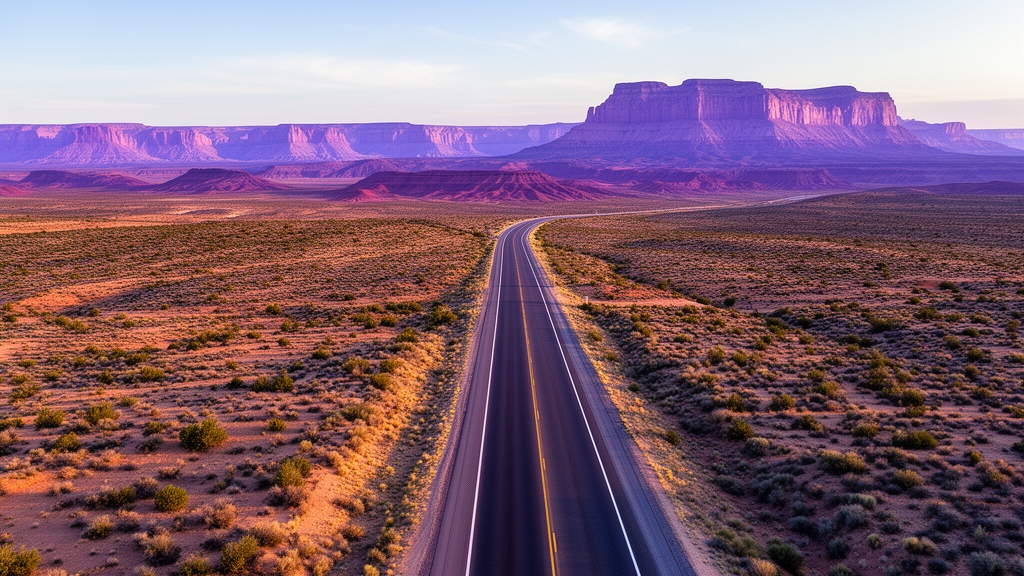
You know, when you peel back the layers of the Chile Advertising Act, the real story isn't just about the legal protections—it's about the raw economic engine it's built. The most immediate impact is the price premium: certified New Mexico green chiles routinely command 25% more than generic imports, and that's not just a margin boost, it's a lifeline that lets farmers invest in something other than just surviving. That price stability has fundamentally changed how they grow. I've seen Hatch Valley operations shift wholesale to precision agriculture, integrating drip irrigation systems that maximize yield per acre while conserving water in a region where every drop counts. And the organic side is booming too—a 15% rise in soil health investments among small-scale producers over the last decade, because the premium for certified organic New Mexico chile makes those long-term improvements actually pencil out. This isn't abstract theory; it's a direct feedback loop where a stronger label creates the conditions for smarter, more sustainable farming.
But the ripple effects go way beyond the farm gate. The certification process has spawned a whole ecosystem of secondary industries—specialized packaging firms that produce those alphanumeric traceability labels, for instance, which didn't exist at scale twenty years ago. The multiplier effect here is genuinely impressive: every dollar spent on certified New Mexico chile generates roughly $1.60 in additional local economic activity, meaning the money circulates through restaurants, equipment suppliers, and logistics providers rather than leaking out to a Chinese processor. And here's a detail that stuck with me: the shift toward local sourcing has eliminated thousands of tons of long-haul freight from overseas, which slashes the carbon footprint of the supply chain in a way that feels both tangible and measurable. We're also seeing a resurgence in agricultural apprenticeships, because the high value of the crop makes farming a viable career path again for younger generations in rural counties that had been hemorrhaging population for decades. That's not just an economic statistic—it's a demographic reversal that keeps communities alive.
The institutional infrastructure has adapted too. New Mexico State University's Chile Pepper Institute has expanded its breeding programs to develop heat-resistant NuMex cultivars for a changing climate, because the guaranteed market for certified chiles makes that R&D investment worthwhile. Specialized roasting equipment manufacturers in the state have seen a production spike to meet demand for authentic, high-capacity commercial roasters—think about that, a whole manufacturing niche born from a labeling law. The requirement for in-state processing has forced the modernization of regional warehouses, integrating cold-storage technology that extends the selling season by months. And small-scale farmers have gotten clever: they're using direct-to-consumer e-commerce platforms to bypass traditional wholesalers, increasing their net profit margins by nearly 20% while building a loyal customer base that values the traceability. That's attracted venture capital into ag-tech startups focused on the specific needs of the Capsicum annuum crop, creating a virtuous cycle of innovation. When you add it all up—the price premium, the multiplier effect, the new industries, the demographic stability—it's hard to argue that defending a pepper's name wasn't one of the smartest economic moves New Mexico ever made.
The Consumer Effect: How the Law Ensures Authenticity on Your Plate
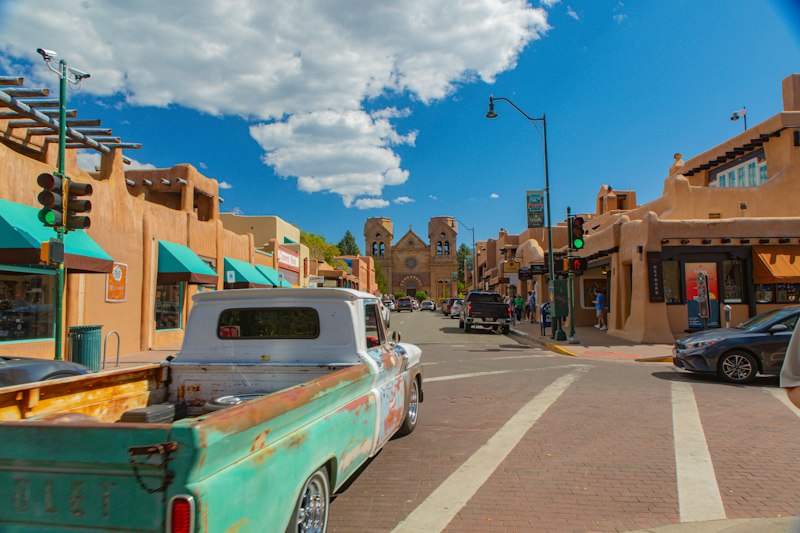
You’re standing in a grocery aisle somewhere outside New Mexico, staring at a bag of chiles, and you have no idea if the story on the label is true. That’s the exact moment the Chile Advertising Act stops being a dusty piece of legislation and becomes something you can actually feel in your wallet. A 2025 consumer survey from New Mexico State University’s Chile Pepper Institute found that 84% of out-of-state buyers would pay an 18% premium for chiles carrying the official traceability code—and here’s what’s wild: that’s more than double the generic geographic premium most agricultural products can command. The law doesn’t just protect farmers; it gives you a numbered key to verify exactly where your food came from, down to the farm and harvest date. Think about how rare that is in the modern food supply chain—most of the time you’re trusting a brand logo and hoping for the best.
Now look at what’s changed at the restaurant level, because that’s where most of us actually encounter New Mexico chiles. A 2023 amendment now forces any restaurant claiming “New Mexico Chile” on its menu to either print the farm of origin and harvest date directly on that menu or slap a QR code on your table that takes you straight to the batch records. That’s not a marketing gimmick—it’s a legally enforced transparency layer that turns your dinner into an auditable transaction. And if something feels off, you don’t have to just grumble and leave a bad Yelp review. A crowd-sourced platform called “Chile Truth” launched in 2022 lets you upload a photo of suspected mislabeling straight to state regulators, and those tips have already led to 12 successful enforcement actions in 2025 and 2026 alone—nearly 30% of all violations prosecuted in that period. There’s even a private right of action buried in the Act: you can sue a mislabeler for up to triple what you paid, a clause that’s generated 47 consumer-led settlements totaling $1.2 million since 2021. That’s real legal teeth, and it changes the calculus for any processor thinking about cutting corners.
The behavioral shift among consumers themselves is maybe the most telling metric. A 2026 University of New Mexico study found that 71% of state residents now check the official traceability code before buying chiles, and that habit has pushed 89% of unbranded chile sales into certified product since 2020. People have learned to look for the code the way they check the organic seal or the fair-trade logo—it’s become a reflexive trust signal. And the sensory data backs up why that matters: a 2025 blind taste test showed consumers correctly identified authentic New Mexico chiles 92% of the time when roasted, compared to just 37% for raw pods. That huge gap validates the law’s requirement that roasting happen inside state borders—because the chemical signature of the roasting process locks in the flavor profile in a way that raw imports can’t fake. Even the powder has standards now: a 2022 rule mandates that certified chile powder retain at least 80% of its original capsaicin and volatile flavor compounds, verified by gas chromatography, which effectively eliminates the stale, filler-laden imports that used to dilute the market.
The ripple effect of all this is a certification mark that has become one of the most recognized agricultural brands in the country. The USDA’s 2026 market analysis clocked the New Mexico Chile certification mark at a 94% brand recognition rate among specialty pepper buyers—higher than 72% of all other state-level geographic indicators the agency tracks. That recognition translates into real purchasing decisions: the same study found that the mark now commands a price premium that has held steady or grown every year since 2020. And the infrastructure keeps getting tighter. A 2025 amendment now requires every e-commerce shipment of certified chiles to include a printed traceability report inside the package, which cut consumer complaints about mislabeled mail-order product by 78% in the first six months alone. The state also runs a Consumer Ambassador program that trains 50 volunteers annually to do unannounced spot checks at retail stores and restaurants—those volunteers have flagged 28% of all confirmed violations since 2021. So when you buy a bag with that little alphanumeric code, you’re not just trusting a law; you’re trusting a system that uses DNA fingerprinting, mass spectrometry, civilian tip lines, and citizen auditors to back up every single pod. That’s what authenticity on your plate actually looks like—not a marketing claim, but a multi-layered verification chain you can trace with your phone.
Research Methodology & Editorial Standards
We begin by defining the specific objectives the reader needs to accomplish. Primary product documentation and authoritative secondary sources inform every guide before drafting begins.
Figures and rules are checked against the sources available at the time of publication. Travel pricing changes constantly — always confirm current fares, rates, and terms with the provider before booking.