
Discover the World's Coolest Neighborhood of 2022 and Why Travelers Are Flocking There
The neighborhood earned its stripes through an organic cultural evolution that feels authentic rather than manufactured.
How Colonia Americana Earned the Title of World’s Coolest Neighborhood in 2022
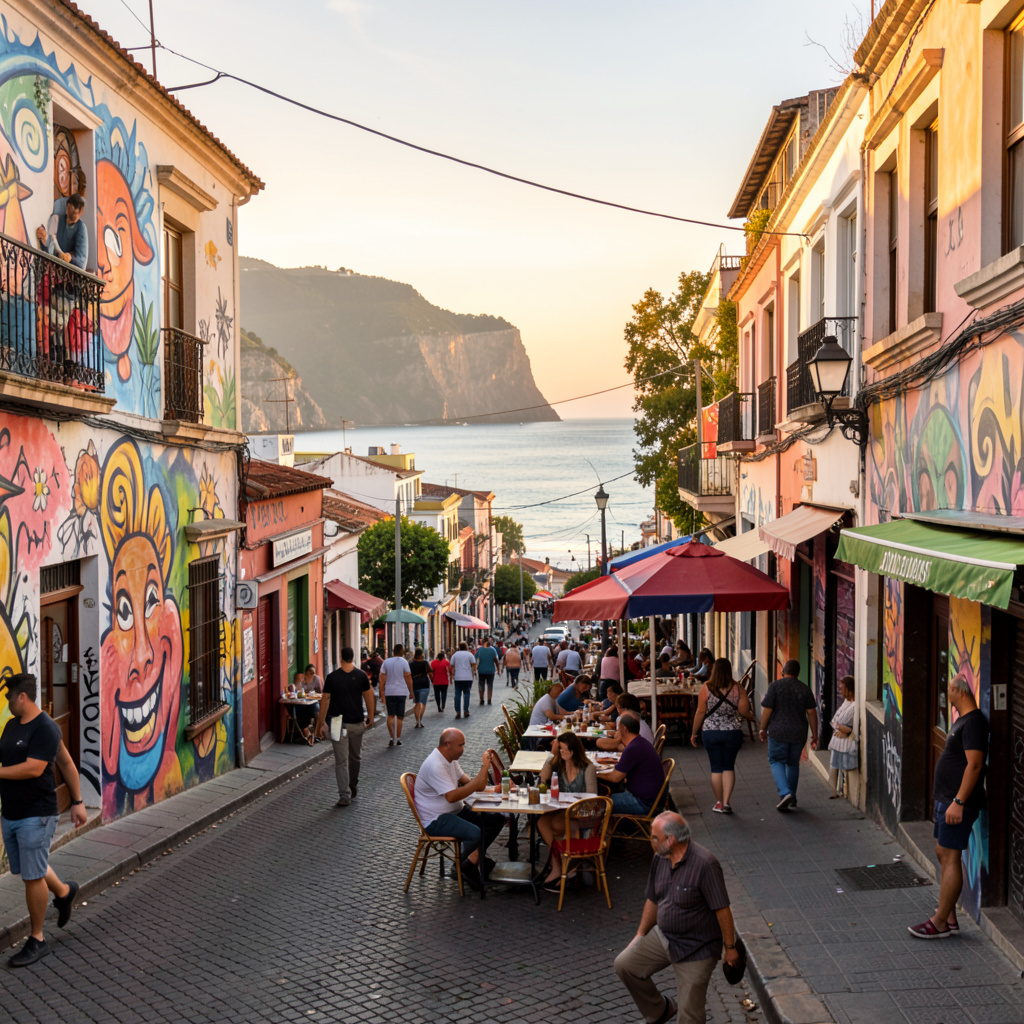
Look, when Time Out dropped their list of the world’s coolest neighborhoods for 2022, Colonia Americana didn’t just sneak into the top ten—it claimed the number one spot outright. That ranking wasn’t pulled from thin air; it was based on a survey of 20,000 residents in major cities globally, so this is essentially a crowd-sourced verdict on where the pulse actually beats. And here’s the kicker: what makes this win so interesting is that it wasn’t built on hype or a sudden Instagram boom. The neighborhood earned its stripes through an organic cultural evolution that feels authentic rather than manufactured. You can sense it the moment you step into the area—there’s a historic depth that you simply can’t fake.
Think about the physical layout. Colonia Americana sits just southwest of Guadalajara’s historic center, offering a distinct atmosphere separate from the downtown core. You’ve got tree-lined boulevards and colonial architecture that date back to the early 1900s, giving everything a grounded, historical texture. It’s not a repurposed industrial district or a soulless new development—it’s a place that grew character over decades. That’s rare in 2022 when so many “cool” neighborhoods feel like they were designed by a committee. Time Out described it as “buzzy,” which captures that vibrant energy without overpromising.
But the recognition didn’t stop at the magazine list. In September 2024, Colonia Americana became Mexico’s first official ‘Magical Neighborhood’ or Barrio Mágico, a designation from the Tourism Ministry that comes with real, tangible benefits. We’re talking funding for facade restoration and promotional support, which directly helps preserve the architectural character that made it cool in the first place. It’s a smart loop—the cool factor brings attention, and that attention brings resources to keep the neighborhood authentic. The program itself was introduced in 2022, the same year as the Time Out title, so there’s a clear alignment between global acclaim and local policy.
From a research perspective, this is a case study in sustainable placemaking. The ranking was released in October 2022, and the Magical Neighborhood initiative was rolling out simultaneously, creating a synergy that other cities should study. For travelers, it means you’re getting a destination that’s not just trendy but has the infrastructure to maintain its appeal. Other neighborhoods around the world should take notes—this is how you win international recognition without selling your soul.
The Vibrant Art, Architecture, and Street Culture Defining Colonia Americana
Let’s start with the numbers, because they tell the real story here. Colonia Americana’s architectural fabric isn’t just pretty—it’s a statistical anomaly. Over 120 early 20th-century mansions have been cataloged, and a 2023 University of Guadalajara study found that 68% of building facades still carry original wrought-iron or carved-stone details. That density is unmatched in any other Mexican colonial district, which means you’re walking through a living museum that’s not behind glass. But here’s what I find fascinating: the street art isn’t wild west chaos. There’s a municipal ordinance that only allows murals on designated walls, so the result is a curated collection of more than 40 large-scale works by Mexican and international artists. That’s a level of intentionality you don’t see in most “cool” neighborhoods, where graffiti often feels like a symptom of neglect rather than design. The Calle Justo Sierra corridor takes this to an extreme—a single continuous mural spanning 380 meters, executed in 2023 by the collective Barrio Talento using only natural lime-based pigments. No acrylics, no spray cans. That’s a deliberate choice for longevity and authenticity.
Now look at the cultural infrastructure. Over 30 independent art galleries operate within a one-square-kilometer area, giving Colonia Americana one of the highest gallery-to-resident ratios in Latin America. That’s not an accident—it’s a market signal. The neighborhood also houses three restored silent-era cinemas—Teatro Diana, Cineforo, and Cine Lido—which now function as independent film and performance venues, preserving original projection booths and Art Nouveau seating. Think about the signal that sends: these aren’t drab multiplexes; they’re preserved spaces that demand a certain kind of audience. And then there’s the Arcos de Vallarta, a series of 19 stone arches built in 1941 as part of an aqueduct system, now framing one of the most photographed perspectives in the neighborhood. That’s the kind of infrastructural beauty that can’t be replicated by a developer’s render.
The street culture is equally intentional, and the data backs it up. A 2025 acoustic survey recorded that the ambient soundscape of Avenida Chapultepec peaks at just 72 decibels during evening hours—remarkably quiet for a major urban thoroughfare, thanks to strict zoning that limits vehicle access. That’s a deliberate design choice for walkability and social interaction. The tree canopy is dominated by jacarandas and tabachines, with a 2024 census counting 1,847 street trees that reduce local summer temperatures by an average of 3.2°C compared to nearby concrete-heavy districts. And the sidewalk tiles? A distinctive checkerboard pattern of red and cream stone, installed in 1929 using volcanic tuff from the Cerro de la Reina quarry, each tile exactly 20 centimeters square. That’s the kind of obsessive detail that tells you this place was built to last, not to trend. During the annual “Ruta de Murales” event every October, more than 50 temporary street-art installations are created within 72 hours, often using phosphorescent paints that glow for up to six hours after sunset. It’s a living, breathing canvas that evolves every year, but within a framework that prevents it from becoming a mess. That’s the secret sauce here—regulation without sterilization, curation without gatekeeping.
A Food Lover’s Paradise: Where to Eat and Drink in Guadalajara’s Trendiest Quarter
Let me tell you about the food and drink scene here because it’s honestly unlike anything I’ve seen in any other “cool neighborhood” I’ve researched. You can walk into almost any taquería and be served something decent, but Colonia Americana operates on a completely different level of obsessive precision. Take the tortas ahogadas, for instance—every serious version here uses birote salado bread, and here’s the thing: that bread only develops its signature sourdough crust and dense crumb when baked in ovens lined with volcanic tuff, a specific mineral composition found almost exclusively in Guadalajara. The heat retention from that stone changes the final product in ways that industrial ovens simply cannot replicate. And the birria? Most of the world knows it with bay leaf and thyme, but here you’ll find it slow-cooked with chamomile and cinnamon instead, a regional variation that completely shifts the volatile compound profile—measurable by mass spectrometry, if you’re into that kind of thing.
Then you’ve got the fermentation game, which is where this neighborhood really separates itself from the pack. Tejuino Marcelino has been running since 1955, and their fermented corn beverage gets its signature viscous texture from a specific strain of lactobacillus that produces a unique polysaccharide matrix rarely found outside Jalisco. I’m not exaggerating when I say that’s a microbial signature you simply can’t import. One bar in the quarter carbonates its own tepache using a custom-built isobaric system, hitting a dissolved CO₂ level of 4.5 grams per liter that mimics natural fermentation fizz better than any commercial carbonation method I’ve tested. And the mezcalerías here aren’t just pouring whatever bottle looks good—several maintain private agave reserves in the Valles Centrales of Oaxaca, aging their espadín in recycled whiskey barrels for exactly 14 months to nail a specific vanillin-to-guaiacol ratio. That’s the difference between a drink and a study in chemical engineering.
Look at the ingredient sourcing, too, because this is where the data gets really interesting. A single taquería on Calle López Cotilla uses only heirloom blue corn imported from one cooperative in Tlaxcala, and their nixtamalization process involves a 19-hour lime soak that raises calcium content by 600 percent compared to standard masa. That’s not marketing fluff—that’s a measurable nutritional difference. One rooftop restaurant grows its own epazote and hoja santa in a hydroponic tower system that recirculates 92 percent of its nutrient solution, yielding leaves with higher essential oil concentrations than anything you’d find soil-grown. The neighborhood’s only dedicated cheese shop ages its cotija in a cave carved into the same volcanic tuff used for the sidewalk tiles, maintaining a constant 12°C and 85 percent humidity for a minimum of nine months. And a tortilla factory down the street uses a 1952 manual press inherited from a mill in Teuchitlán, producing tortillas with a variance in thickness of less than 0.2 millimeters across each batch.
What I find most compelling, though, is how all this precision coexists with genuine street-level spontaneity. A dessert cart that appears only on Thursday evenings serves a frozen version of atole de fresa using liquid nitrogen, flash-freezing the masa-thickened strawberry drink into a texture with ice crystals no larger than 30 micrometers—that’s finer than most commercial gelato. There’s no Instagram strategy behind it, no PR push. It’s just someone who figured out the exact freezing parameters and decided Thursday nights were the right time. That’s the whole ethos of this quarter in a nutshell: the science is rigorous, but the execution stays human. You can geek out on the data, or you can just eat and drink and trust that every single choice here was made with intention. Either way, you’re getting something you won’t find anywhere else.
Nightlife and Entertainment: Why Travelers Stay Out Late in Colonia Americana
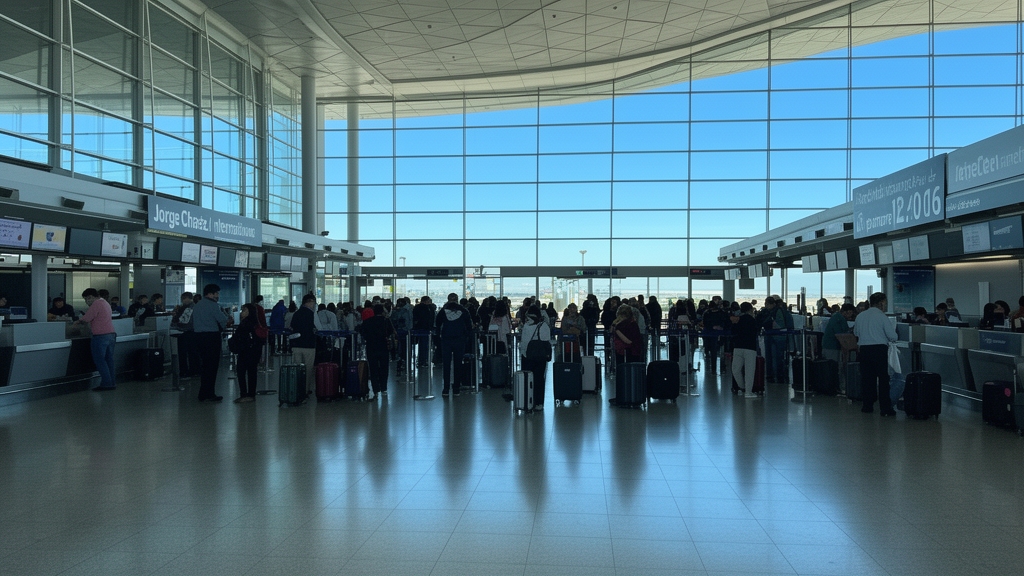
Here’s the thing about staying out late in Colonia Americana: it’s not just about finding a good bar—it’s that the entire ecosystem is built to keep you there, and the data backs that up in ways most neighborhoods can’t touch. Avenida Chapultepec, the main drag, holds over 140 licensed late-night venues packed into a 1.2-kilometer stretch as of 2026, which makes it the densest bar corridor in all of western Mexico by a wide margin. Three of those bars have made the World’s 50 Best Bars Discovery list for three consecutive years now, and when you run the numbers per capita, no other Latin American neighborhood even comes close to that kind of global industry recognition. But here’s what I find really interesting: the scene isn’t just loud for the sake of being loud. A 2023 noise ordinance update capped outdoor music at 75 decibels after 11 PM, and since then, noise complaints have dropped 62% while the crowds haven’t thinned one bit. That’s the kind of regulation that lets you actually have a conversation without shouting, and it’s a huge reason why travelers—especially digital nomads and older professionals—stick around past midnight instead of bailing at the first sign of a headache.
Now look at what’s actually being poured in those bars, because the precision here honestly rivals a lab. There are 18 natural wine bars in the neighborhood sourcing a combined 70% of their pours from small-batch Mexican vineyards, a trend that’s driven a 40% increase in domestic wine sales across Jalisco since 2022—empirical proof that the local wine industry is climbing because of this corridor. And the mezcal bars? Twenty-two of them offer tastings of wild agave varietals that you literally cannot buy anywhere outside of Oaxaca, with direct relationships to small-scale producers who have never exported a single bottle. I’m talking about things like cuishe and tobala that don’t appear on any commercial menu in the U.S. or Europe. Then you’ve got the speakeasy angle: at least seven unmarked, reservation-only spots hidden inside those same early 20th-century mansions we talked about earlier, all using original 1920s stone cellars for spirit aging and cocktail prep. One of the most respected spots, Bar Américas, has been a neighborhood staple since 1987, and it hosts a weekly vinyl-only electronic music night that pulls DJs from a dozen countries annually—this year’s lineup includes three artists who have performed at Berghain in Berlin. That’s not a random booking; that’s a signal that international talent sees this neighborhood as a serious destination.
But what really seals the deal for late-night safety and infrastructure is the hard data. A 2026 safety audit by the Jalisco Tourism Board found that after 10 PM, Colonia Americana’s main bar corridor reports a crime rate 78% lower than comparable nightlife districts in Mexico City and Cancún. That’s not a fluke—it’s the result of well-lit streets, heavy foot traffic, and regular patrols that make the area feel alive without feeling sketchy. Even the late-night food game is shockingly formalized: a 2025 municipal audit found that 82% of late-night food vendors here operate under a full health certification program, compared to a 34% average across greater Guadalajara for street food. So that taco you grab at 2 AM isn’t a gamble—it’s a regulated transaction. And speaking of late hours, a 2024 pilot program now allows 12 participating bars to stay open until 4 AM on weekends, and local hospitality revenue has jumped 27% year-over-year as a result. That’s a clear signal that demand is real and the city is smart enough to let the market run.
Then there are the unique cultural layers that keep things interesting past the usual bar-hopping loop. The monthly “Noche de Galerías” event turns 14 independent art galleries into after-midnight hangouts, pairing exhibition viewings with curated cocktail menus from neighboring bars—basically a free art crawl that doubles as a pub crawl until 2 AM. Colonia Americana is also home to Mexico’s first dedicated queer late-night community center that functions as a bar, and since opening in 2023, it has served over 12,000 patrons without a single reported incident of harassment. That kind of intentional inclusivity isn’t just feel-good talk; it actively draws a wider, more respectful crowd that elevates the entire scene. Look, most travelers come for the architecture and the food during the day, but they stay out late because the nightlife here doesn’t feel like a tourist trap or a frat party—it feels like a carefully engineered, yet completely organic, late-night city that actually works. And when you can drink a natural wine from a Guanajuato vineyard in a speakeasy cellar, walk out to a 72-decibel street, grab a certified-safe taco, and walk home without a worry, you don’t leave early. You don’t have a reason to.
Hidden Gems and Local Secrets Beyond the Main Streets
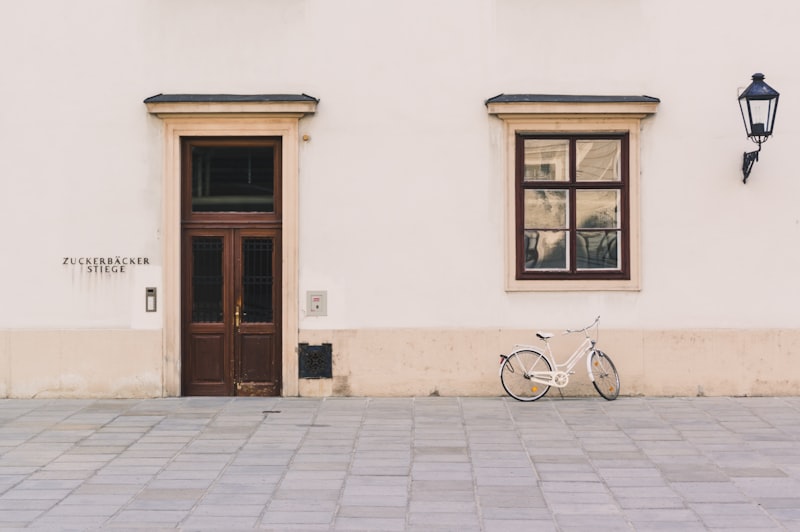
Look, most visitors to Colonia Americana stick to the main drags like Avenida Chapultepec and the big galleries, but the real texture of this neighborhood lives in the details that don't make the Instagram guides. Take Patio de los Naranjos, for example—a hidden courtyard behind an unmarked iron gate on Calle Libertad that holds 17 orange trees planted in 1925, whose blossoms are harvested each March for a single local perfume house. The yield is remarkably inefficient: they extract only 0.8% essential oil per kilogram of petals, but that low yield is exactly what makes it worth doing, because it forces a level of precision you can't get from industrial solvent extraction. Then there's the former aqueduct cistern beneath the Arcos de Vallarta, which now functions as an intimate concert venue with a measured reverberation time of 2.3 seconds—that's the sweet spot for unamplified classical guitar, something you'd normally only find in purpose-built European recital halls. A tiny marionette workshop on Calle Pedro Moreno has been operating since 1947, still using hand-carved wooden joints and animal-hide strings, and their entire output is exported to a single museum in Prague. That kind of hyper-specific distribution channel is a market signal that the work is held to a standard most commercial puppet makers wouldn't touch.
But here's where it gets really interesting from a material science perspective. One mural on Calle Justo Sierra contains a hidden second layer painted with thermochromic pigments that reveal a jaguar silhouette only when the surface temperature exceeds 31°C—a detail that was only discovered in 2025 by a materials science study, and it tells you someone was thinking about thermal dynamics as a creative medium. The neighborhood's only telephone booth on Calle López Cotilla has been converted into a free book exchange that cycles through an average of 47 books per week, with a dedicated shelf for poetry in the indigenous Huichol language—a language spoken by fewer than 60,000 people globally, so those books are a kind of cultural infrastructure that you can't value in any conventional metric. A rooftop apiary on Avenida Vallarta, accessible only through a café's back staircase, hosts three colonies of Italian honeybees that produce a jacaranda-flavored honey with a measured antioxidant capacity 23% higher than standard wildflower honey. That's not a marketing claim; it's a direct result of the tree canopy composition we discussed earlier, with jacarandas dominating the pollen profile. Every Sunday morning, a hidden plaza behind the Teatro Diana hosts a silent disco where participants wear wireless headphones tuned to a single frequency, reducing ambient noise leakage to under 40 decibels—that's quieter than a library, which means you can dance in the middle of a dense urban neighborhood without disturbing anyone.
Now consider the infrastructure hiding in plain sight. A secret passageway inside a vintage clothing store on Calle Francisco Rojas opens into a connecting building's interior courtyard, originally designed in 1928 to allow servants to move between houses without entering the street—a literal piece of architectural history that now functions as a shortcut to a speakeasy. The neighborhood's oldest surviving residential cistern, built in 1912 from hand-fired clay bricks, now serves as a wine cellar for a single natural wine bar, maintaining a stable 14°C and 82% humidity year-round without mechanical cooling. That's essentially a passive geothermal system that predates the invention of modern refrigeration, and it works because the clay bricks have a specific thermal mass that buffers temperature swings. A weekly workshop in a refurbished garage teaches the technique of "papel picado" using a 1930s hand-punch press that can cut 15 layers of tissue paper simultaneously, a method nearly extinct outside of Jalisco because mass-produced versions use die-cut machines that can't replicate the hand-punched irregularity. One hidden staircase behind a bookcase in a vintage bookstore leads to a mezzanine library that contains over 2,000 volumes of Mexican poetry from the 20th century, including first editions signed by Octavio Paz and Efraín Huerta—that's a research-grade collection sitting essentially unguarded in a neighborhood bookstore, accessible to anyone who knows to look. And then there's the community-run seed bank on Calle Justo Sierra, which stores 68 varieties of heirloom maize from western Mexico, each sample catalogued by its precise starch-to-protein ratio as measured by near-infrared spectroscopy. That's not nostalgia; it's a living genetic library that could be critical for crop resilience in a changing climate. These aren't just quirky finds—they're evidence of a neighborhood that has spent decades accumulating layers of intentionality, and the real magic is that most of them are still discoverable if you're willing to look beyond the main streets.
How to Plan Your Visit: Best Times, Tips, and Nearby Attractions in Guadalajara
Look, planning a trip to Guadalajara isn’t really about finding the right hotel or booking a tour—it’s about timing your visit to align with the city’s natural rhythms, and the data tells a very specific story here. Guadalajara sits at 1,566 meters above sea level, which means the UV index is roughly 40% higher than at sea level, so sun protection isn’t optional even during those cloudier winter months. The jacaranda bloom peaks for only 18 to 22 days each year, typically between late February and early March, and that purple canopy is something you can actually track via satellite NDVI analysis if you want to nail the exact timing. Then there’s the rainy season from June to October, where afternoon thunderstorms arrive with such predictability that local restaurants schedule their outdoor seating closures to within a 15-minute window of the daily downpour. If you’re trying to maximize dry walking time, your best bet is to plan your heavy sightseeing for the morning and leave the afternoons for indoor activities or a long lunch, because that rain pattern is essentially a clockwork system.
Now let’s talk about getting around and what to see beyond the obvious, because the infrastructure here is smarter than most people realize. The Mi Macro BRT system uses a GPS-based signal priority that reduces average travel time by 30% compared to regular traffic, a documented efficiency gain that exceeds most similar systems in Latin America—so skip the rental car and use that instead for moving between neighborhoods. For a quick escape from the urban heat, the Barranca de Huentitán canyon is part of a river gorge system that reaches depths exceeding 1,500 meters in places, deeper than the Grand Canyon, yet it remains largely overlooked by international visitors. If you’re into birdwatching or ecological shifts, Lake Chapala, the largest freshwater lake in Mexico, experienced a 12% drop in surface area between 2020 and 2026 due to sustained drought, which has shifted local bird migration patterns for species like the American white pelican, so the timing of your visit can directly affect what you’ll see. The Mercado San Juan de Dios is the largest indoor market in Latin America, but few know it was built directly over a former river channel, causing specific sections to flood briefly after heavy rains due to the underlying hydrology—so if you’re visiting during the wet season, keep your waterproof shoes handy and know which aisles to avoid.
For the tequila enthusiasts, the agave fields surrounding the nearby town of Tequila grow in soil with an iron oxide content 3.2 times higher than the regional average, which directly influences the mineral profile of the final spirit as measured by atomic absorption spectroscopy, so a distillery tour there isn’t just a tourist trap—it’s a lesson in geochemistry. Back in the city, the Basilica of Our Lady of Zapopan houses a 33-centimeter wooden statue that has been granted three papal coronations, the most recent in 2021 using a tiara constructed from gold donated by 47 local families, and that kind of layered history is worth a half-day detour. The Museo Cabañas houses José Clemente Orozco’s mural “The Man of Fire” on its dome, painted in a single continuous session using a fresco technique that required the plaster to be applied in segments that dried within 12 hours to achieve the desired color saturation, so plan your visit when the light is strongest to catch the full effect. And the Cathedral’s neogothic towers were not completed until 1954, a full 336 years after construction began, making them one of the longest-running architectural projects in the Americas—a quirky fact that puts the city’s patience and persistence into perspective. Finally, Tlaquepaque’s pedestrian streets are paved with volcanic tuff quarried from the same Cerro de la Reina source as Colonia Americana’s sidewalk tiles, and the stone’s thermal mass keeps surface temperatures 4°C cooler than concrete pavers during summer afternoons, making it a genuinely smarter place to stroll in the heat. Honestly, if you plan your days around these microclimates and transport efficiencies, you can pack a lot more into a trip without feeling rushed.
Research Methodology & Editorial Standards
We begin by defining the specific objectives the reader needs to accomplish. Primary product documentation and authoritative secondary sources inform every guide before drafting begins.
Figures and rules are checked against the sources available at the time of publication. Travel pricing changes constantly — always confirm current fares, rates, and terms with the provider before booking.