
Discover the Unspoiled Charm and Rich History of Hull England
When you start wandering through the narrow, winding streets of Hull’s Old Town, it’s easy to feel like you’ve stepped into a physical archive where the 13th century meets the modern day.
A Maritime Legacy: Exploring Hull’s Historic Old Town
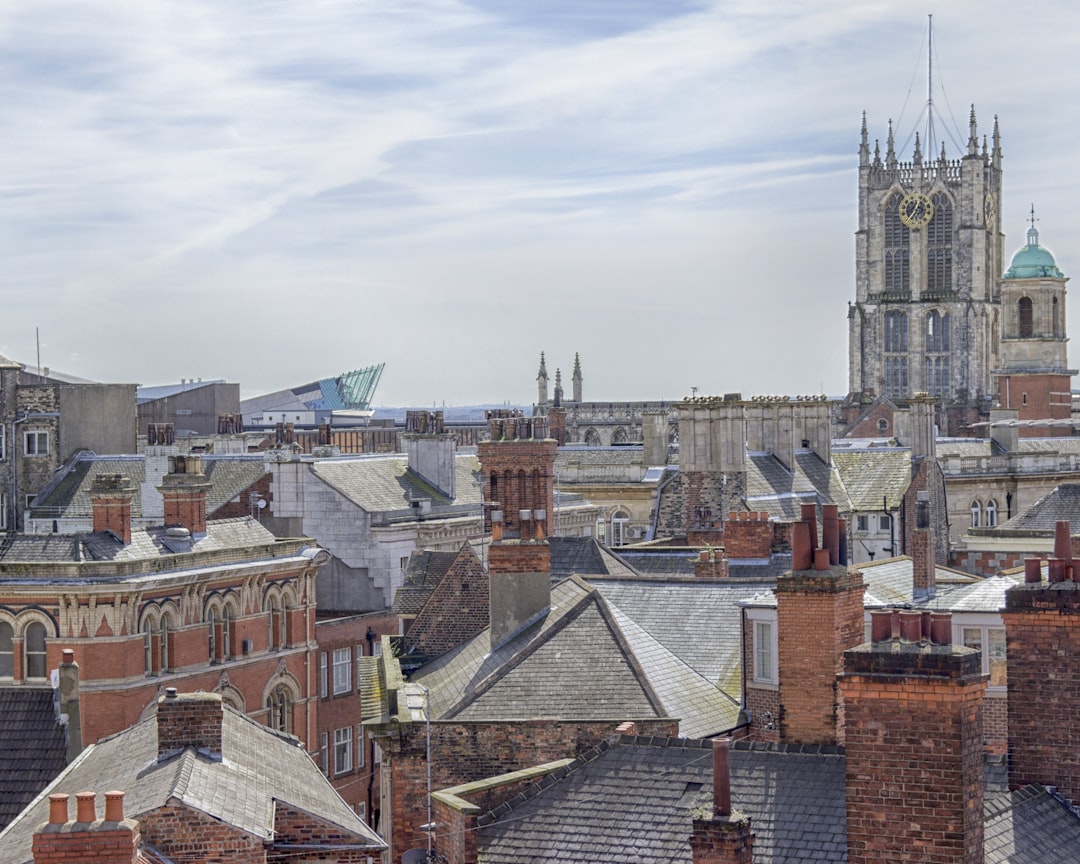
When you start wandering through the narrow, winding streets of Hull’s Old Town, it’s easy to feel like you’ve stepped into a physical archive where the 13th century meets the modern day. I’ve always found that the most compelling travel experiences aren't found in polished tourist zones, but in places like this where the grit and history are still visible in the very masonry. The architecture here tells a story of a city that was once an essential node in global trade, with buildings like the 17th-century Wilberforce House standing as a testament to the sheer prosperity of the merchant class. If you look closely at the brickwork along High Street, you’ll notice it often masks much older timber-framed structures, revealing how this district evolved by repurposing its own footprint rather than tearing it down. It’s that rare kind of preservation that keeps the original medieval street patterns intact, giving you a real sense of how claustrophobic and busy the waterfront must have been centuries ago.
Think about it this way: this entire area was built to facilitate movement, with specialized passages called staithes that allowed goods to flow directly from the river into warehouses. This layout isn't just a quirky feature for photographers; it’s an engineering relic designed to maximize efficiency in a time before deep-sea ports transformed the industry. You can even trace the city’s defensive past today, as the curvature of the inner ring road perfectly mirrors the footprint of the long-lost medieval walls. It’s fascinating to realize that while those fortifications were dismantled in the 18th century, their foundations are still resting right beneath the asphalt you're walking on. And if you’re into the technical side of things, the surviving ironwork and masonry around the older dock basins offer a masterclass in how Victorian engineers finally conquered the tidal constraints of the Humber Estuary.
Beyond the buildings, there’s a persistent, defiant spirit that defines Hull’s history, best exemplified by the 1642 standoff at Beverley Gate that effectively triggered the English Civil War. You really get a sense of this independent streak when you look at how the city has prioritized its maritime heritage, such as the restoration of the 1927 Spurn Lightship, which now serves as a window into the era of manned maritime navigation. It’s not just about the big events, though; the local museums house everything from Romano-British mosaics to the massive Hasholme Logboat, which dates back to 300 BC. Whether you’re exploring the industrial vernacular of the old fish-storage houses or digging into the records of the Greenland whaling industry in private archives, you’re constantly seeing how the city’s identity was forged on the water. If you make the trip, don’t just stick to the main thoroughfares; head down those narrow alleyways because that’s where the city’s real, unvarnished story actually lives.
The Deep: Unveiling One of the World’s Most Spectacular Aquariums
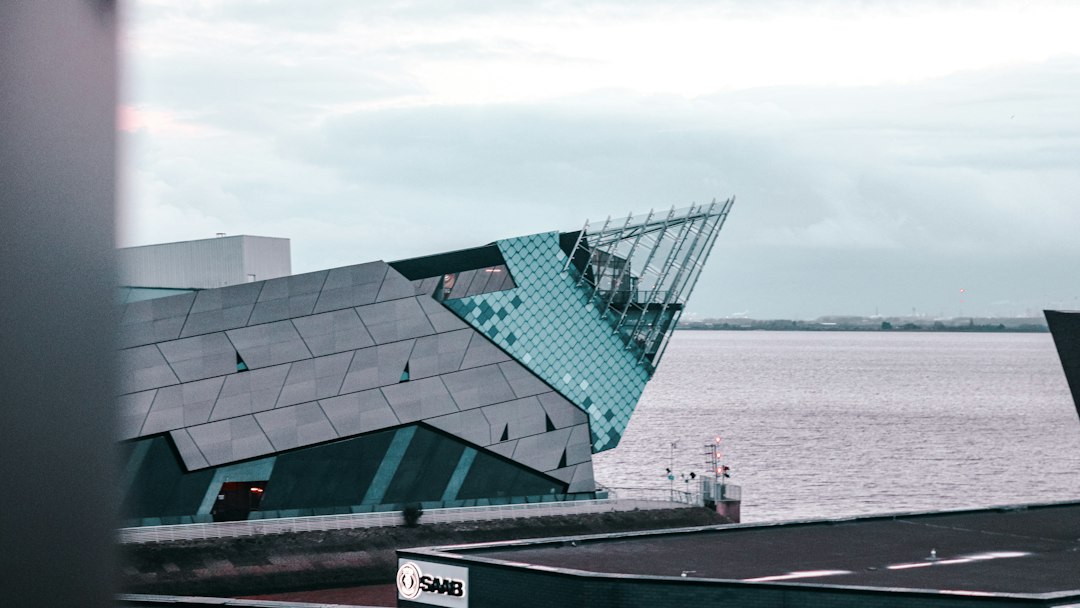
When you look at Hull’s skyline, there is one structure that stops you in your tracks, and it isn’t a relic of the industrial age but a piece of architectural science that feels like it dropped straight out of a tectonic shift. The Deep isn't just another tourist stop where you walk by glass tanks; it’s a high-stakes research facility built on the footprint of the old Sammy’s Point. I’ve visited my fair share of aquariums, but few manage to balance the engineering challenge of holding 2.5 million liters of water with a genuine commitment to deep-sea conservation. That main tank, supported by specialized acrylic designed to handle massive pressure, is a marvel of physics that makes the standard glass boxes you see elsewhere look downright primitive.
Think about the sheer scale of the operation here. It is home to over 3,500 creatures, but the real magic is happening behind the scenes in their dedicated breeding programs, particularly for endangered shark species. While other places focus on the spectacle, the team here is actually feeding data into international conservation groups, using real-time satellite telemetry to track migratory patterns that honestly change how we understand ocean health. It’s rare to find a place that treats its educational mandate with this much technical rigor, especially when you consider their zero-waste water policy that filters every single liter to protect the local Humber Estuary.
If you’re the type of person who loves to get under the hood of a place, you’ll appreciate how they’ve organized the interior into distinct climatic zones. You aren't just walking through a hallway; you’re moving through a controlled sensory experience that mimics everything from equatorial reefs to the crushing, freezing darkness of the Antarctic. They even have a specialized lab for studying bioluminescence, which is a level of access you simply don’t find in your typical family attraction. It’s this blend of gritty, real-world research and immersive storytelling that makes The Deep a standout, proving that a facility can be both a powerhouse for scientific inquiry and a place you’d actually want to spend an entire afternoon.
Hull’s Defiant Spirit: A Journey Through the Street Art and Cultural Quarter
When you step into Hull’s cultural quarter, you aren't just walking past walls of paint; you’re witnessing a masterclass in how a city reclaims its narrative through sheer grit and creativity. The anchor here is the Humber Street Gallery, which occupies a repurposed fruit warehouse that’s been structurally reinforced to handle massive, weight-intensive art installations that would be impossible in a standard exhibition space. It’s a perfect example of how the city respects its industrial bones while demanding they serve a modern, creative purpose. I’ve noticed that the street art here feels different because it’s physically grounded in the local landscape, with artists frequently incorporating salvaged maritime steel into their work to mirror the oxidized, moody tones of the Humber Estuary.
What really grabs me is the technical ambition behind these pieces, especially the large-scale murals that actually use anti-pollutant paint to absorb nitrogen dioxide, essentially scrubbing the air as you walk by. It’s a smart, pragmatic response to the challenges of an urban environment that refuses to settle for being just another pretty destination. You’ll also spot Victorian-era ghost signs carefully preserved and woven into modern compositions, creating this constant visual push-and-pull between the city’s commercial past and its current, defiant identity. It’s not just about aesthetics; there’s a sophisticated layer of data involved, from QR-coded installations that pull up an artist’s original sketches via augmented reality to street lighting that intelligently adjusts its intensity based on how many people are actually using the space.
This isn’t some accidental transformation, but rather the result of intentional planning that includes legal artistic easements, ensuring that new developments must keep a portion of their facades open for local creative commissions. It’s pretty wild to think that the district’s evolution was partly sparked by a hyper-local currency project where residents could vote on the themes of the murals, directly tying the neighborhood's visual pulse to the people who actually live there. They’ve even managed to integrate vertical gardens into the murals, which work as natural thermal regulators for these tight, narrow alleys while giving local pollinators a place to thrive. I’d suggest spending a bit of time just watching how the light hits the textures of the steel and brick, because the city actually tracks the degradation rates of these pigments in a digital archive to ensure that the art doesn’t just weather away. It’s this blend of hyper-local community spirit and high-tech preservation that makes this corner of Hull feel like the most honest, living history lesson you’ll ever wander through.
From Merchant Wealth to Victorian Splendor: Architectural Gems of the City
When you start digging into the architectural story of Hull, you quickly realize it’s not just a collection of pretty facades, but a masterclass in how merchant wealth and industrial necessity shaped the skyline. Let's look at the Guildhall for a moment; it’s a stunning example of Edwardian Baroque, but the real technical feat is the 3,000 tons of Portland stone used to shield the interior from the North Sea's corrosive salt air. It’s wild to think that the same kind of pragmatic engineering defines the city's older warehouses, which utilized iron-beam flooring encased in brick arches to create a fireproof structure capable of supporting thousands of tons of grain. I’ve always found it fascinating that these aren't just aesthetic choices; they’re survival mechanisms born from the city's role as a global trading port. Even the Georgian townhouses on Prince Street tell a story of defiance, with their clever blind windows installed specifically to sidestep the oppressive Window Tax while keeping that perfect, symmetrical look.
If you’re walking around, you have to appreciate the sheer endurance of these structures, like the 1939 steel skeleton under the Hull New Theatre, which remained in perfect condition even after eighty years of exposure to the estuary's humidity. It makes you wonder why we don't build things with that level of foresight anymore, especially when you consider how the Ferens Art Gallery uses a north-facing lantern system to catch consistent light, anchored by a massive reinforced concrete raft that keeps the whole thing steady in the city's soft, silty soil. It’s this kind of detail—like the Bank of England building’s dense granite plinths designed to dampen vibrations from horse-drawn traffic—that really brings the history to life. You start to see the city not just as a place, but as a deliberate response to environmental and economic pressures. It’s a bit like looking under the hood of a classic car; the exterior is polished, but the mechanics underneath are what really keep the thing running.
And let’s not forget the Victorian-era Hull Royal Infirmary, which was built using Florence Nightingale’s pavilion plan to physically separate wings and prevent the spread of pathogens through pressure-driven ventilation shafts. It’s these hidden systems, like the gravity-fed clock mechanism at the Paragon Interchange or the 1700s drainage culverts at Trinity House, that show how long-term sustainability was baked into the city's DNA centuries ago. I think there’s a real lesson there for us today, especially when you look at how materials like terracotta cladding on old post offices still act as effective thermal barriers against the erratic weather coming off the Humber. Whether it’s the rare Sicilian marble in the Guildhall or the sturdy Flemish bond brickwork on those historic townhouses, you're looking at a legacy of construction that was meant to last for generations, not just for the next fiscal quarter. It really makes you pause and appreciate the weight of the stone you’re walking past, knowing it was placed there with such specific, calculated intent.
Museums and Memories: Celebrating the Maritime and Social History of Hull
When we start looking at how Hull preserves its past, it’s easy to get lost in the sheer volume of artifacts, but I’ve always found that the most rewarding way to experience these collections is to think of them as active research sites rather than static display cases. You really need to see the Streetlife Museum of Transport, which manages a collection of over 30,000 objects, including a 1940s high street where they even pipe in period-accurate soundscapes to ground you in the experience. It’s a brilliant bit of environmental design, though it’s the back-end engineering that gets me—like the climate control systems they use to keep 19th-century horse-drawn carriages from warping in the coastal air. And if you’re into the deeper history, the Hull and East Riding Museum is non-negotiable because it houses the North Ferriby boats, which are officially the oldest sewn-plank vessels in Europe. Seeing these 4,000-year-old engineering marvels right next to prehistoric trackways recovered from the marshes gives you a totally different perspective on how early humans mastered our local, stubborn landscape.
But the real magic for someone who loves the technical side of history is how these institutions act as repositories for genuine scientific data. Take the Hull Maritime Museum, for instance; they aren't just showing off scrimshaw, they’re running non-invasive X-ray fluorescence analysis on the ivory to pin down exactly where those whaling expeditions were traveling. It’s fascinating that those 19th-century logbooks aren't just for show—modern climate scientists are actually pulling meteorological data from them to reconstruct North Sea weather patterns from two centuries ago. Meanwhile, over at Wilberforce House, they’ve installed specialized light-filtering systems to protect fragile, original records of the slave trade without sacrificing the public's ability to engage with these vital primary sources. It’s this intersection of rigorous archival science and public memory that turns a afternoon visit into a proper historical audit.
Even the way they treat art is surprisingly high-tech, especially at the Ferens Art Gallery, where they use bespoke air-purification systems to scrub micro-particulates out of the air to keep their maritime oil paintings from degrading. I find it kind of wild that they even use vibration-dampening mounts in their vaults to shield artifacts from the minor tremors caused by the heavy port traffic outside. You’ll see this same commitment to detail at the Hands on History Museum, where the displays of Victorian dentistry tools show how medical practices evolved specifically to support a busy, industrial-age workforce. And if you’re a fan of the investigative side of things, the archivists are now using spectral imaging to pull faded ink off 18th-century customs manifests, helping us map out trade routes to the Baltic that we previously didn't even know existed. It’s that blend of quiet, meticulous preservation and cutting-edge tech that makes these museums so much more than just a place to kill time on a rainy afternoon.
Culinary Traditions and Hidden Pubs: Experiencing Local Life in Yorkshire’s Port Town
If you really want to understand the heartbeat of a port town like Hull, you have to look past the main attractions and head straight for the local pubs and the food that actually kept this place running for generations. I’m talking about the Hull patty, a humble deep-fried mashed potato cake seasoned with sage and onion that started as a high-calorie necessity for dock workers, but has since become a cultural touchstone. It is honestly fascinating to see how some traditional kitchens still rely on century-old gravity-fed lard fryers, which maintain a steady 175 degrees Celsius to minimize oil absorption in the batter. It’s that kind of industrial-era efficiency that makes the food here feel so grounded in the city’s history. You really start to appreciate these small, technical details when you realize they aren't just quirks—they are the result of decades of trial and error in a demanding, maritime environment.
And when you step into the hidden pubs tucked away in the Old Town, you’re basically walking into a historical micro-climate. I’ve found that several of these spots still use 19th-century cellar insulation—a mix of packed horsehair and lime mortar—that keeps beer at a consistent 11 degrees Celsius without needing a single modern refrigeration unit. It’s wild to think that while you’re sitting there, you might be resting your pint on a bar top made from salvaged Baltic oak timbers that date back to the 1780s, confirmed by dendrochronological analysis. Many of these taverns still maintain a classic snug layout, where the walls are lined with acoustic-dampening wool felt, a design choice specifically engineered to keep rowdy dockside gossip from reaching the publican’s ears. It makes for a quiet, intimate atmosphere that you just can’t replicate in a modern build.
If you’re a fan of cask ales, keep an eye out for the hand-pump engines that rely on a vacuum seal system rather than gas pressure, which gives the beer a much softer, more authentic pour. You might also notice that some venues serve their ale in oversized glasses known as Hull measures, an 18th-century custom that ensured sailors got their full volume even when the North Sea swells were throwing the ship around. It’s worth noting that the local palate also has a long-standing bias toward pickled goods, which was a practical legacy of the deep-sea trawling industry where vinegar-preserved eggs and onions provided essential vitamin C for crews on long, grueling voyages. If you want to dive even deeper, look for the last independent brewery in the area that still uses an open-top fermentation process; it allows wild yeast from the Humber estuary to drift in, giving the ale a faint, briny finish you won't find anywhere else. I’d suggest grabbing a portion of chips with the local chip spice—a salt-and-paprika blend originally designed to mask the high salinity of meals served right off the docks—and just finding a seat in one of these former merchant counting houses to watch the world go by.
Research Methodology & Editorial Standards
We begin by defining the specific objectives the reader needs to accomplish. Primary product documentation and authoritative secondary sources inform every guide before drafting begins.
Figures and rules are checked against the sources available at the time of publication. Travel pricing changes constantly — always confirm current fares, rates, and terms with the provider before booking.