
Why you should not expect free tap water when dining out in Italy
I think most of us assume that a glass of water at dinner is a given, but when you’re sitting at a table in Italy, that expectation can run straight into a wall of legal reality.
Understanding the Legal Landscape: Why Tap Water Isn't Guaranteed
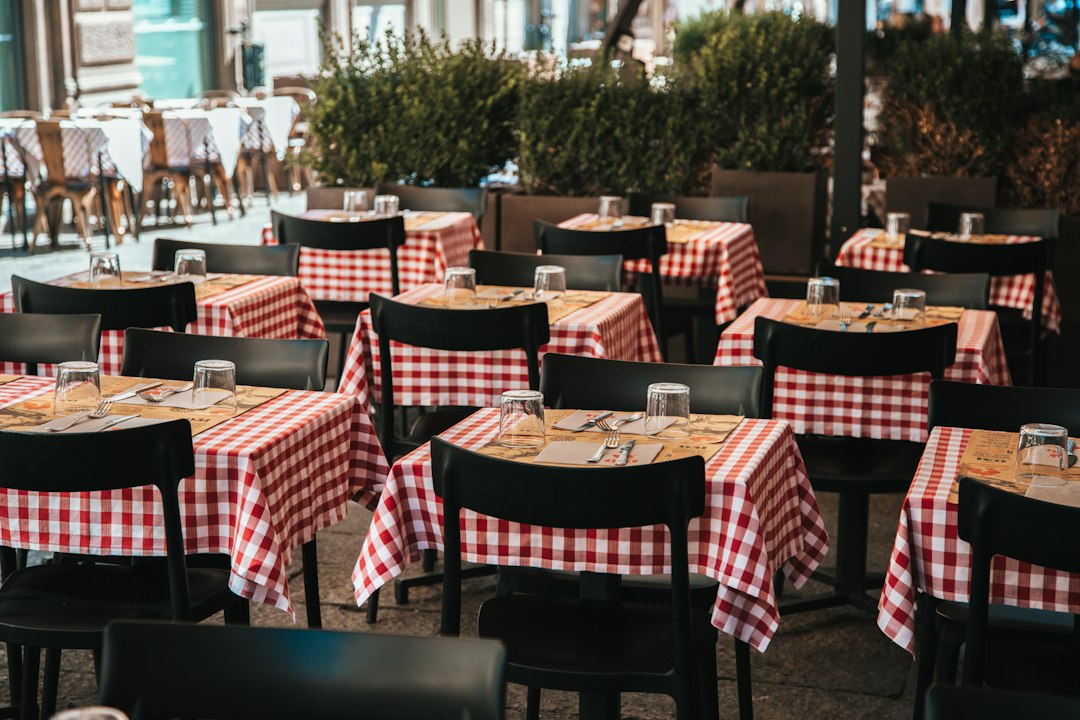
I think most of us assume that a glass of water at dinner is a given, but when you’re sitting at a table in Italy, that expectation can run straight into a wall of legal reality. It’s easy to feel like you’re being nickel-and-dimed, but the truth is that Italian law doesn’t view potable tap water as a mandatory free commodity for restaurants to hand out. Instead, your water is treated as a service, much like the wine or the bread on your table, rather than a basic right. Even with that coperto charge covering your glassware and seating, there’s no specific statute forcing a proprietor to offer you a glass of tap water for free.
Think about it this way: Legislative Decree 18/2023 sets the rules for how safe the water has to be, but it doesn’t dictate how a business owner should charge for it. Many of these historic cities are running on aging pipe infrastructure that needs constant, expensive maintenance, and restaurant owners often see that cost reflected in their utility bills. Because there isn't a national mandate, every city or even every neighborhood can have its own local rules. One spot in Milan might operate under a completely different set of administrative guidelines for drink service than a trattoria in Rome.
At the end of the day, it really comes down to the Italian commercial code and a long-standing cultural preference for bottled mineral water. Many owners argue that when they pour you a glass, they’re providing a service—chilling, filtering, or handling the logistical overhead—rather than just turning on a tap. You’ll see free water at the public fountains, or nasoni, scattered around these cities, but those are meant for public use and aren't part of the private restaurant business model. It’s just how the system is built, and knowing that shift in perspective makes it a lot less frustrating when you see "acqua" on your final bill.
The Landmark Ruling: Insights from Italy’s Top Court
When we talk about the legal structures underpinning how things work in Italy, we often get caught up in the fine print, but the Italian Supreme Court recently shifted the goalposts in a way that’s impossible to ignore. They’ve fundamentally moved away from letting companies rely on simple, formal paperwork to justify their financial arrangements, insisting instead that the actual economic reality of a transaction is what really matters. If you’ve ever felt like the rules of the game were just about ticking boxes, this ruling effectively tears that notion apart by requiring a much deeper look into who actually controls the money. It’s no longer enough for a business to just present a certificate and call it a day; now, they have to prove that the recipient of a payment truly has the autonomy to manage those funds.
Think of it as a shift from checking a box to proving the substance behind the act. The court has essentially handed Italian tax authorities a new mandate to pierce through complex, multi-layered corporate structures to find out who is actually enjoying the benefits of a deal. This means that if you’re a multinational entity, you can’t just lean on standard contractual agreements anymore, because the courts are prioritizing hard evidence over technical form. It’s a direct challenge to the way things have been handled for years, and it’s creating a whole lot of uncertainty for anyone operating within these types of financial webs.
Honestly, this change is a massive wake-up call for how we think about corporate governance in the region. By forcing companies to prove that their payment recipients aren't just shells but active managers with real control, the court is making it significantly harder to dodge scrutiny. Auditors are now pushed into a corner where they have to perform much tougher due diligence on every single link in a payment chain to avoid potential litigation. It’s a bold departure from the past, and it signals that if you can’t show the economic substance behind your operations, you shouldn’t expect the system to grant you any special tax advantages. It really changes the math for businesses that have long operated under the old, more relaxed rules.
Cultural Expectations vs. Customer Rights in Italian Dining
When you’re sitting at a sun-drenched table in Rome or Florence, it’s easy to feel like the lack of a free carafe of water is a slight against you as a customer, but we really need to look at the economic machinery working behind the scenes. In Italy, a restaurant isn't viewed as a public utility; it’s a private business where every item on your table, from the bread to the water, is treated as a distinct unit of service. Unlike the mandates you might see in the U.K. or France, Italian law doesn't force a proprietor to hand over water for free, and honestly, that’s because they’ve built a model where beverage sales are a primary engine for keeping those pasta prices reasonable. It’s not about being stingy; it’s about how the industry has structured its survival in a competitive market.
Think about the labor involved: someone has to chill, serve, and eventually clear that glassware, and that’s a real cost that gets folded into the bill. Many owners are also dealing with significantly varying water hardness levels across the peninsula, which is why you’ll often find them pushing bottled mineral water—it guarantees a consistent, premium flavor profile that a simple tap pour just can't match. Some high-end spots are even installing their own reverse osmosis systems to refine that water, which further shifts it from a basic resource into a value-added service they feel justified in charging for. It’s a completely different logic than what we’re used to back home, where we often see water as a fundamental right of the dining experience.
And don't get me wrong, it’s a bit of a culture shock at first, but it starts to make sense once you realize that the commercial code here prioritizes the business owner’s right to define their own service menu. You might see those lovely public fountains, the nasoni, dotted around the city, but those are strictly public infrastructure and have zero to do with the private, contractual nature of the restaurant you’re sitting in. Because there’s no national mandate overriding these local customs, every trattoria essentially sets its own rules based on its own overhead. It’s really just a different way of doing business, and once you stop expecting the "freebie" mentality to apply, you’ll find it’s much easier to just budget for that bottle of sparkling and enjoy the meal without the frustration of feeling like you're being overcharged.
Why Bottled Water is the Industry Standard in Italy
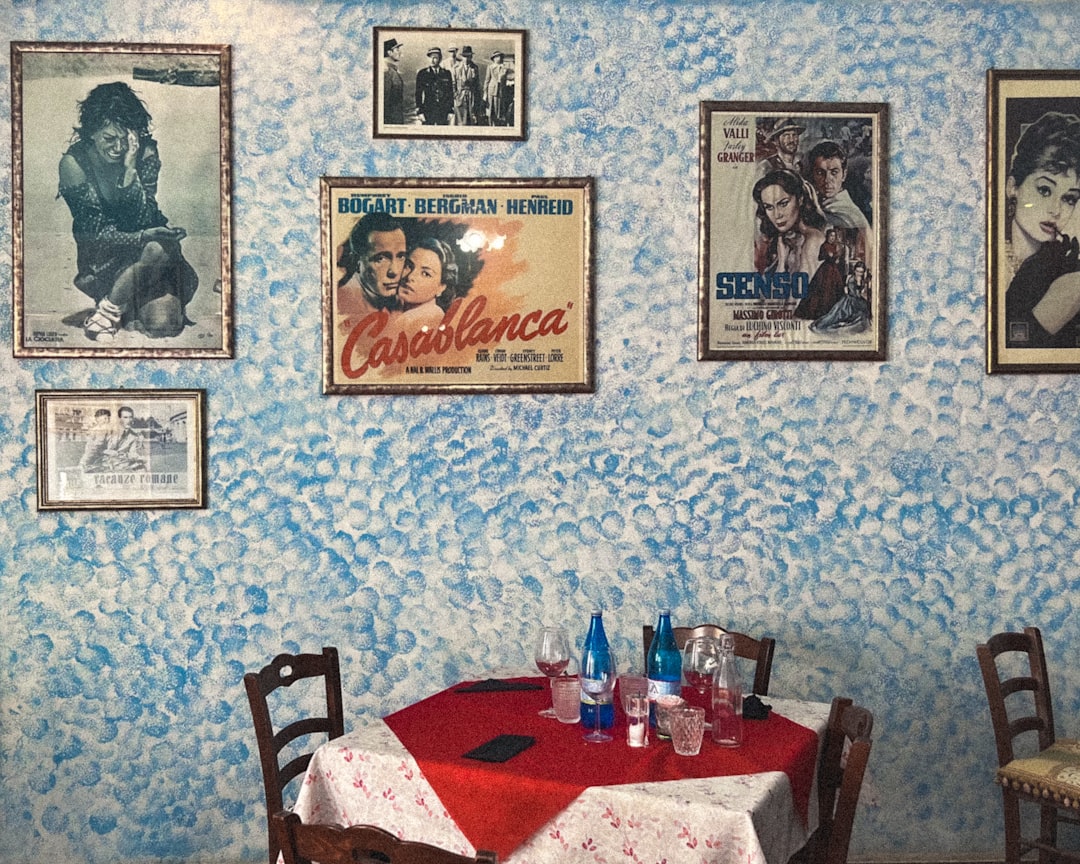
It’s honestly fascinating how we’ve collectively landed on this specific habit in Italy, where the act of ordering bottled water feels almost as ritualistic as choosing a vintage for your meal. If you look at the raw numbers, Italy is consistently among the world’s top consumers of bottled water, with many people working their way through over 200 liters annually. Think about that for a second; it’s not just a casual choice but a deep-seated, systemic reliance that actually shapes the entire hospitality sector. For many locals, there is a lingering, historical skepticism toward municipal tap water that transcends any modern safety certification, leading to a cultural preference for the reliable, consistent flavor profile found only in a sealed bottle.
But here is where the economic reality kicks in: for restaurant owners, this isn't just about taste or tradition, it’s a vital piece of their financial survival. Because the country is dotted with hundreds of regional mineral springs, each with its own unique chemical composition, the "water menu" has evolved into a legitimate culinary category treated with the same reverence as a wine list. Restaurants aren't just selling a drink; they’re selling a specific, controlled experience that avoids the variables of the local pipe infrastructure, which—let’s be real—can be notoriously aging and difficult to maintain across such a diverse landscape. By treating water as a revenue-generating service rather than a utility, these businesses successfully bridge the gap between their operating costs and the final price on your bill.
It’s worth noting that this isn't just an informal custom, as the Italian Supreme Court has actually stepped in to reinforce the legal autonomy of these private establishments. They’ve made it clear that hotels and restaurants aren't under any mandate to serve free tap water, effectively shielding this business model from the kind of public-utility expectations we might be used to back home. Even with the European Commission nudging Italy to align more closely with broader regional drinking water directives, the status quo remains incredibly resilient. So, when you’re sitting there in a crowded trattoria, you’re really participating in a highly matured industry standard that trades the free tap water model for one defined by regional branding, health-focused marketing, and a very specific, locally-rooted idea of what high-quality service should look like.
Navigating the Difference Between Restaurants, Bars, and Hotels
Let’s pause for a moment to consider why you might feel that tug-of-war between expecting a refreshing glass of water and seeing a line item for it on your bill. We often lump restaurants, bars, and hotels into one big bucket of hospitality, but if you look under the hood, they operate on completely different legal and economic engines. In Italy, the distinction often comes down to the licenza di somministrazione, a specific license that dictates whether a spot is built to serve full meals or just drinks, which fundamentally changes how they price their inventory. You’ve probably noticed that standing at a bar is cheaper than sitting at a table; that’s because many municipalities slap a higher tax on establishments that provide seating, forcing them to recoup that cost through your check.
It’s easy to think of these places as public utilities, but the reality is that a restaurant is a private operation balancing thin margins against the high labor costs of chilling, serving, and sanitizing glassware. While you might expect a hotel to hand over a bottle of water as part of your stay, their on-site restaurants usually run on entirely different supply chain contracts, meaning they aren't bound by the same guest-service mandates you find in your hotel room. Think about it: a hotel restaurant might be dealing with the massive overhead of its own filtration technology or the complex logistics of sourcing, while a local trattoria might be battling aging infrastructure that just can't keep up with the volume of a busy dinner rush.
And don't forget that these businesses aren't just selling water; they're selling a consistent, reliable product that removes the variables of local pipe health, which is a major concern in many historic Italian cities. Even as some spots start experimenting with high-end micro-filtration, they’re still passing that capital expenditure on to you because they view the service as a value-add rather than a free resource. It’s a completely different logic than what we’re used to seeing back home, where we tend to view water as a right of the dining experience. Once you start seeing these differences in licensing and operational costs, the "why" behind the bill gets a lot clearer, and it's much easier to stop feeling like you're being overcharged and start seeing the business model for what it actually is.
Practical Tips for Staying Hydrated Without Overpaying While Traveling

If you’re anything like me, you’ve probably spent way too much of your travel budget on overpriced bottled water while navigating the heat of a foreign city. Let’s be honest, the convenience is tempting, but it adds up fast, especially when you’re already watching your spending. The good news is that you don’t have to rely on commercial sources if you’re smart about your gear. I’ve found that investing in a high-quality, vacuum-insulated stainless steel bottle—specifically one released with the newer copper lining layers—keeps your water chilled for nearly two days, which is a game-changer when you’re out walking all day. Plus, opting for a wide-mouth design means you can easily grab free ice from hotel breakfast buffets to keep your supply cold without paying a cent.
When you’re worried about local water quality, you don’t have to stick to bottled options to stay safe. I’ve started using bottles with integrated UV-C purification systems, which neutralize almost all bacteria and viruses in under a minute, turning any public tap into a safe source. If you’re trying to pack light for budget flights, a collapsible silicone bottle is a total lifesaver since it shrinks down to almost nothing once you’ve finished your supply. For those long treks, I’ve been looking into hollow-fiber membrane filtration straws that can process hundreds of liters, essentially giving you a portable water treatment plant that fits in your pocket. It’s a bit of an upfront investment, but it pays for itself by the end of your first trip.
Beyond just the gear, there’s a real science to how we hydrate while we’re on the move. I’ve learned that keeping water at around 10 degrees Celsius actually helps it move through your system faster, which is key for keeping your energy up during long days of sightseeing. Don’t overlook the value of oral rehydration salts, either; they can boost your water absorption efficiency by up to 25 percent compared to drinking plain water, which makes a huge difference when you’re sweating in the summer sun. And look, if you’re trying to stay organized, go for a bottle with a carabiner handle so you can clip it to the outside of your pack. It keeps the weight distributed properly and keeps your gear from getting soaked by accidental leaks inside your bag.
Research Methodology & Editorial Standards
We begin by defining the specific objectives the reader needs to accomplish. Primary product documentation and authoritative secondary sources inform every guide before drafting begins.
Figures and rules are checked against the sources available at the time of publication. Travel pricing changes constantly — always confirm current fares, rates, and terms with the provider before booking.