
Why you should escape to a luxury wooden cabin in the Suffolk countryside
If you’re like me, you’ve probably heard people rave about the English countryside, but Suffolk is different because it’s not just another postcard view.
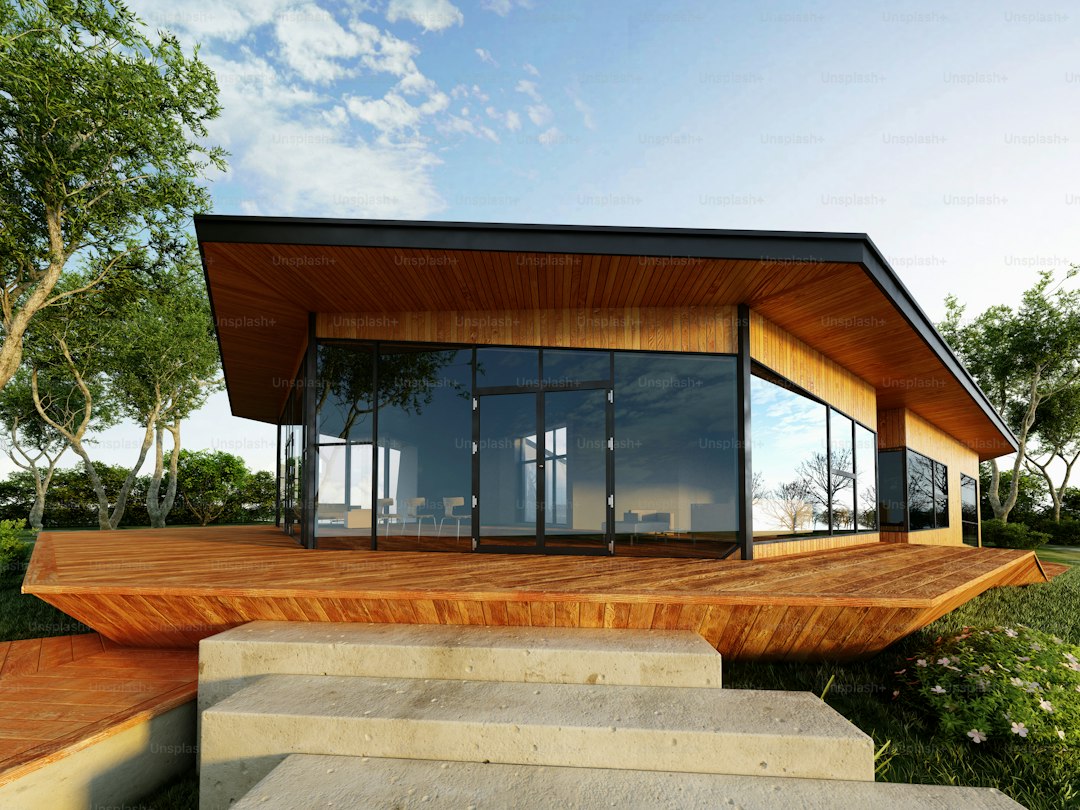
The allure of the Suffolk countryside: A tranquil city escape
Look, I’ve spent enough time in crowded airports and neon-lit city centers to know that when you're burnt out, you don't just need a vacation—you need a complete reset. If you’re like me, you’ve probably heard people rave about the English countryside, but Suffolk is different because it’s not just another postcard view. We’re talking about a place where over 1,000 miles of footpaths crisscross the map, giving you one of the densest walking networks in the UK. Plus, there’s a genuine climatic advantage here; thanks to a rain shadow effect from those westerly winds, the region stays significantly drier than the national average. It’s the kind of place where you can actually plan a hike without obsessing over a rain jacket every five minutes.
Think about the sheer history you’re walking through when you visit these spots. You’ve got the Dedham Vale, which was the UK’s very first designated Area of Outstanding Natural Beauty, and honestly, looking at it today, it’s remarkably similar to the scenes John Constable painted two centuries ago. It’s not just pretty trees, though; the area is a goldmine for anyone who appreciates real ecology. You have Sutton Heath, which is the largest lowland heath in Britain, and if you’re lucky, you might spot an endangered woodlark or a nightjar. Even the soil here is distinct, with rich glacial till and boulder clay that sustains rare arable plants you just won't find in the more industrialized farming zones elsewhere.
And if you’re a night owl, you have to pack a decent camera. Because the Suffolk Coast and Heaths have such low light pollution, the winter sky is something else—you can actually see the Milky Way with the naked eye. It’s a total contrast to the hazy, orange glow of city life that most of us are used to. I’m always struck by the architecture, too, especially those medieval wool churches with their tall naves and intricate flushwork. They were built by 15th-century merchants with so much money they didn’t know what to do with it, and they still stand as a reminder of how much this region has shaped English history.
It’s not just history, though; it’s a living lab. Take Orford Ness, for instance, which is a massive, highly sensitive shingle spit that’s globally important for science. Or look at the Suffolk Broads, where they’ve done an incredible job restoring wetland corridors to help the rare Fen Raft Spider make a comeback. Honestly, there’s something grounding about being in a place that’s been managed through coppicing cycles for over 700 years, like in Bradfield Woods. It puts our modern, fast-paced life into a perspective that’s hard to find anywhere else. Let’s dive into why this specific blend of geography and history makes it the perfect place to hide away for a while.
Architectural elegance: Defining the modern luxury wooden cabin
When we talk about the modern luxury cabin, we’re moving way beyond the rustic, drafty log huts of the past and into a world where precision engineering meets high-end comfort. Think of it as a shift toward biomimetic design, where the structure itself mimics organic patterns to naturally regulate airflow and heat, creating a living space that feels like it breathes with the surrounding woods. I’ve noticed a massive move toward using cross-laminated timber, which is honestly a game changer because it offers fire resistance that rivals concrete while maintaining that warm, natural aesthetic we all crave. It’s pretty incredible to think that the core of these buildings is essentially a high-performance material that provides superior sound damping, turning the cabin into a quiet sanctuary by converting noise into heat through internal friction within the wood fibers.
If you’re wondering how these structures stay so cozy without a massive carbon footprint, the secret is in the marriage of ancient material and modern physics. We’re seeing a real push toward passive house standards, where the annual space heating demand is kept below 15 kilowatt-hours per square meter, making these homes incredibly efficient. Engineers are now using smart vapor membranes that shift their permeability based on the humidity, which keeps the interior air fresh without the mechanical clatter of older HVAC systems. Plus, by using thermally modified wood—timber heated in a nitrogen-rich environment—these cabins naturally repel insects and fungi without needing a drop of synthetic, toxic chemicals.
The real beauty, though, is in the construction method itself, with many of these luxury builds relying on prefabricated modular units cut by lasers to within a single millimeter of tolerance. This level of precision creates airtight seals that traditional on-site framing just can’t touch, ensuring you aren't losing heat through hidden gaps in the walls. Even the interior climate is stabilized by phase-change materials tucked into wall cavities, which act like a thermal battery to keep things steady during those chilly Suffolk nights. It’s a fascinating, data-driven approach to luxury that proves you don't have to sacrifice our planet or your comfort to get that perfect, secluded escape.
Immersed in nature: The benefits of a woodland retreat
I’ve spent enough time staring at glowing screens in high-pressure office environments to know that feeling of mental exhaustion where you just can’t process another email. But here’s the thing: retreating into a woodland isn't just about escaping the noise, it’s actually a biological reset that changes how your brain functions. When you step under a tree canopy, you’re breathing in phytoncides—essentially, the natural defense aerosols trees release to ward off rot—which have been shown to actively lower your blood pressure and shift your nervous system out of that constant fight-or-flight mode. It’s wild to think that your body is physically responding to these chemical signals, moving you into a parasympathetic, restorative state almost as soon as you settle in.
And if you’re wondering why a walk in the woods feels so different from a treadmill session, it comes down to how our brains interpret visual information. The fractal patterns in leaves and branches trigger what’s called soft fascination, a state of effortless attention that lets your prefrontal cortex finally take a break from the high-stimulus grind of city life. Plus, there’s actual data showing this isn’t just in your head; studies using fMRI imaging confirm that nature walks decrease activity in the subgenual prefrontal cortex, which is that specific part of the brain that keeps us stuck in a loop of negative, repetitive thoughts. You’re essentially offloading your cognitive burden, allowing your brain to recover in a way that just doesn't happen when you’re staring at four walls.
Think about the physical impact, too, especially if you’ve been struggling with sleep or feeling run down. Being beneath a canopy helps regulate your circadian rhythm far better than artificial lighting, as that specific green-filtered light spectrum helps sync your internal clock and improves your sleep architecture. Even the air quality is on another level, as the lack of particulate matter and the presence of negative air ions—especially near water or thick vegetation—can boost your mood and vitality while suppressing inflammatory markers. I’ve found that even just a few days of this, surrounded by the scent of wood terpenes like alpha-pinene, manages to clear the mental fog that I usually can't shake no matter how much coffee I drink. It’s not just a vacation; it’s a measurable, physiological upgrade to your system.
Slow travel in Suffolk: Embracing a slower pace of life
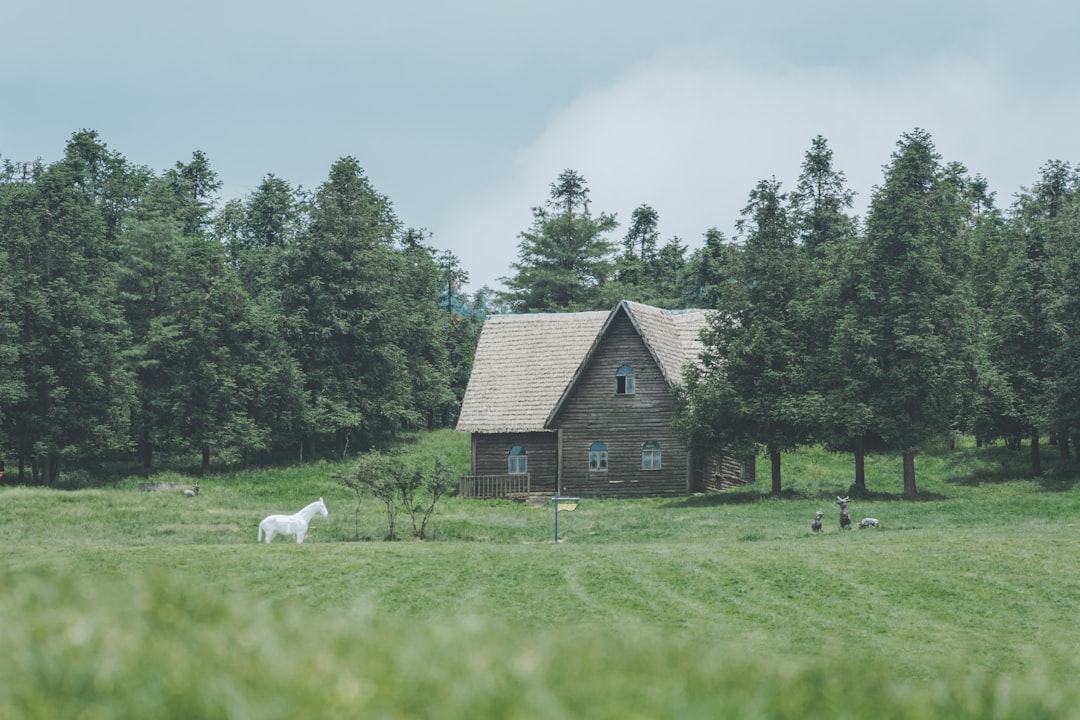
When we talk about slow travel in Suffolk, we aren’t just discussing a vacation preference; we’re looking at a deliberate choice to engage with a landscape that has spent centuries resisting the frantic pace of the modern world. You really feel this the moment you step onto the ancient drover roads, which are significantly wider than today’s lanes because they were designed to accommodate large herds of livestock moving to market. These corridors aren't just paths but biodiversity hotspots where you’ll find rare species like sulphur clover thriving in the undisturbed, nutrient-poor soil. It’s a complete departure from the industrialized farming zones we’re used to seeing, and frankly, it changes how you process time when you’re walking through a space that has maintained its spatial configuration for over 600 years.
If you’re wondering why this region feels so grounded, it’s worth noting that the landscape itself is a massive, natural regulator. The heavy boulder clay acts like a giant sponge, absorbing moisture and slowly releasing it to keep the meadows lush even through the driest months, which is a stark contrast to the brittle, stressed environments we often encounter elsewhere. You can see this stability reflected in the architecture, especially with those unique round-tower churches built from glacial flint; it’s a brilliant example of human ingenuity adapting to a landscape that lacked traditional building stone. Even the heritage orchards here serve as living genetic banks, maintaining a soil microbial diversity that is practically extinct in commercial, high-yield agricultural settings.
Let’s be honest, there’s something deeply humbling about encountering the Suffolk Punch, a breed of workhorse that evolved specifically to handle this dense clay soil, or watching the tidal dynamics of the Deben Estuary as it reshapes mudflats just as it has for millennia. When you visit these spots, you’re not just a tourist checking off a list; you’re observing a hydromorphology that has seen almost zero industrial alteration. It’s a rare, high-signal experience to witness a place where nature is left to do its work without constant human interference. I honestly think that when you strip away the digital noise and immerse yourself in these ancient, slow-moving systems, you aren't just taking a break—you’re recalibrating your own internal rhythm to match a much older, more sustainable pace.
Design meets comfort: Amenities that define a premium cabin stay
When we talk about premium cabin stays, it’s easy to focus on the aesthetics, but honestly, the real magic happens in the engineering that you don't even notice. I’ve found that the best spaces are those that intuitively adjust to your needs before you’ve even articulated them. Think about walking into a room where the lighting isn't just a switch on the wall, but a system tuned to your own circadian rhythm, shifting from crisp, energizing tones in the morning to a soft, melatonin-friendly amber as the sun dips below the horizon. It’s a subtle shift, but it changes how your body settles into a new environment.
Beyond the light, it’s the quiet that really stands out. Many of these newer, high-end builds are using acoustic decoupling in the floor joists to stop vibrations from traveling through the structure, which means you’re getting a near-silent interior even when the Suffolk wind is picking up outside. It’s like living in a high-performance acoustic chamber. Plus, they’re using clever tech like heat recovery ventilators that operate at ultrasonic frequencies, so you’re getting fresh, filtered air without that annoying hum of a traditional fan that usually keeps you up at night.
It’s also fascinating to see how designers are using materials that feel natural but act like high-tech armor. You’ll see flooring treated with specialized nanocoatings that mimic the surface of a lotus leaf, making the wood hydrophobic so it stays pristine without needing heavy chemical treatments. And the walls are often doing heavy lifting too, with moisture-buffering panels made from compressed cellulose that keep the humidity locked in that perfect 45-55 percent range. It really comes down to this: the best luxury isn't about gold-plated fixtures; it’s about creating a micro-climate that helps you sleep better and feel more grounded, almost like the building itself is working to help you decompress.
Why the ‘wooden Airstream’ aesthetic is the ultimate getaway trend
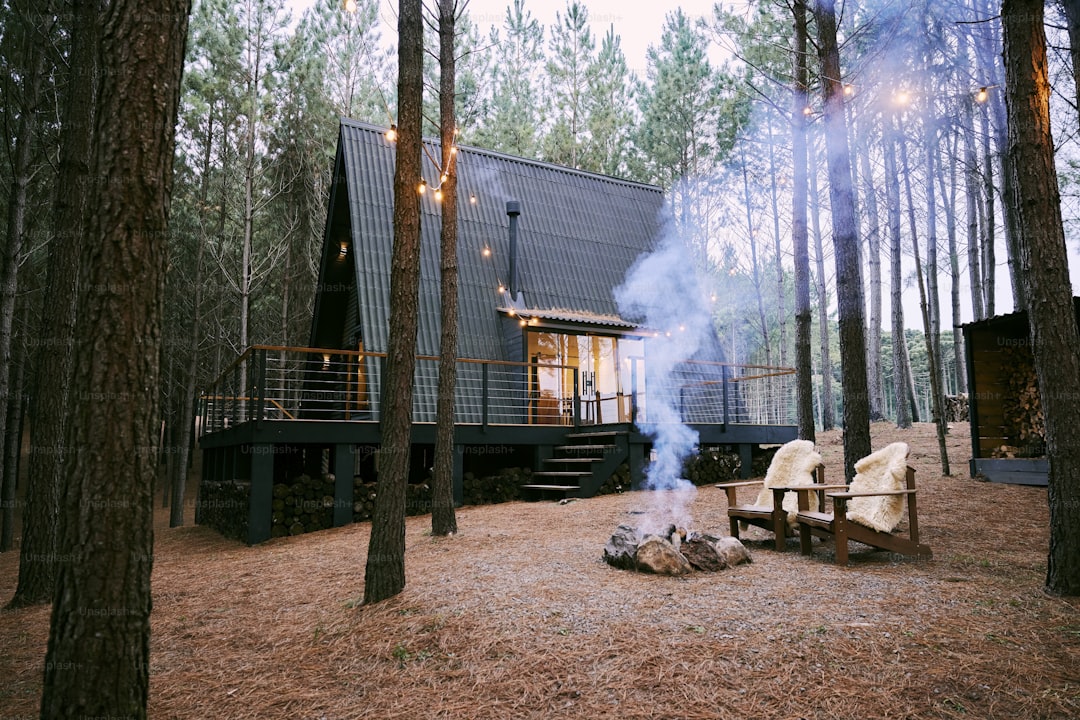
You know that feeling when you walk into a space and your shoulders just naturally drop? That’s exactly what the wooden Airstream aesthetic is tapping into, and honestly, it’s a masterclass in how design influences our mental state. We’re seeing a shift toward biophilic minimalism, where the focus isn't just on looks but on the biological safety of curved, nest-like geometries. Research actually suggests these rounded interiors can drive down cortisol levels by up to 20 percent compared to the typical, rigid right angles we see in standard hotel rooms. It turns out our brains are hardwired to feel more at ease when they aren't scanning sharp corners, making these cozy, curved pods the ultimate remedy for modern sensory overload.
But it isn't just about the vibe; the engineering behind these structures is genuinely impressive. By using curved timber ribbing, designers have managed to create a high strength-to-weight ratio that lets these cabins be placed in fragile, remote corners of the Suffolk countryside without leaving a heavy footprint on the soil. Many of these builds sit on elevated chassis systems, which is a brilliant way to ensure we aren't disrupting the natural drainage or the delicate subterranean fungal networks that keep the local woodlands healthy. Plus, the move toward Shou Sugi Ban—that beautiful charred timber finish—means they’re naturally fire and water-resistant without needing a drop of those harsh, toxic chemicals we usually try to avoid.
If you’ve ever felt like your home is just a collection of clutter, you’ll appreciate how these cabins prioritize high-utility layouts that actively strip away visual noise. Everything is tucked away behind hidden, magnetic storage, keeping the wood grain uninterrupted and your mind clear. They’re also using some really clever tech, like smart-glass windows that shift opacity based on the sun to keep the temperature steady, paired with acoustic-dampening wood interiors that soak up any annoying high-frequency sounds. It’s a totally different way of thinking about a getaway—you aren't just staying in a room; you’re staying in a refined, high-performance nest that works as hard as you do to help you finally unplug. I really think this is the future of travel because it proves you don't need a massive footprint to have a massive impact on your own peace of mind.
Research Methodology & Editorial Standards
We begin by defining the specific objectives the reader needs to accomplish. Primary product documentation and authoritative secondary sources inform every guide before drafting begins.
Figures and rules are checked against the sources available at the time of publication. Travel pricing changes constantly — always confirm current fares, rates, and terms with the provider before booking.