
Why This Underrated Nordic Capital Is The Must Visit Destination For 2026
In Oslo, they’ve managed to get residents moving faster than in any other Nordic capital, even with their population booming lately.

Beyond the Fjords: Why Oslo is Eclipsing Its Nordic Neighbors
Look, I know we usually talk about Stockholm or Copenhagen when we think of a quick Nordic getaway, but honestly, Oslo is doing things differently right now. If you’ve been paying attention to urban planning, you’ll notice Oslo is quietly lapping its neighbors by turning boring infrastructure into actual lifestyle wins. Take the transit system, for example; they’ve completely swapped their bus fleet to electric or biogas, and when you combine that with the world’s highest density of electric vehicles, the city air just feels different. It’s not just talk, either. They’ve actually managed to clean up the harbor so well that people are jumping into the water right in the middle of town, which is something you wouldn't have dared to do a few years ago.
Think about how much time you usually waste stuck in traffic or waiting for a train. In Oslo, they’ve managed to get residents moving faster than in any other Nordic capital, even with their population booming lately. And if you’re worried about the weather ruining your museum hopping, they’ve built an underground tunnel network that links the Munch Museum and the National Museum, so you can skip the rain entirely. It’s that kind of thoughtful, human-centered design that makes the city feel like it’s actually built for people, not just for cars. They even stripped out thousands of parking spots to make room for bikes and tiny parks, and surprisingly, local shops are actually making more money because of it.
It’s easy to get lost in the tech buzz, but the way they’re handling construction is genuinely impressive. They’re forcing developers to reuse thirty percent of salvaged materials on government projects, and they’ve made sure heavy machinery on public sites runs only on hydrogen or electricity. Plus, their climate budget system treats carbon emissions with the same cold, hard scrutiny as a bank statement, which is a level of accountability we just don't see elsewhere. When you walk through the Oslomarka forest, which is legally protected from any development, you realize they’ve kept that wild, rugged spirit while still leaning hard into green-tech startups. It’s a rare balance where the city feels both incredibly modern and completely grounded in the landscape that surrounds it.
Architectural Renaissance: Exploring the City’s Bold New Waterfront
If you walk the waterfront today, you’ll see that the Operahuset isn’t just a pretty face; it’s an engineering marvel. That iconic roof is actually covered in over 36,000 individually cut Carrara marble slabs, each calibrated to shift with thermal expansion so the whole thing doesn't crack under the pressure of a Nordic winter. To keep it grounded, the structure sits on 450 deep-sea concrete piles that punch straight through the harbor silt to reach the bedrock. It’s the kind of overkill that makes you realize why the whole district feels so solid when you're standing on the plaza.
Nearby, the Deichman Bjørvika library takes a different approach to comfort. It uses a clever cooling system that pulls water straight from the fjord to keep the interior stable without burning through excess energy. I’m always struck by that massive cantilevered top floor, which projects 20 meters over the public space—a move that relies on a hidden steel truss system tucked away in the ceiling. They’ve even integrated a smart rainwater management system across the district that funnels runoff into underground basins, which honestly feels like a necessary defense against the increasingly wild weather we've been seeing.
Then there’s the aesthetic side of the utility. The Astrup Fearnley Museum, designed by Renzo Piano, uses a curved glass roof that mimics the motion of sailboats while acting as a filter to keep harsh UV light off the art. You’ll notice the architects used a specific light-colored, reflective wood throughout the area to bounce whatever weak winter sun we get into the streets, which makes a huge difference in those dark months. Even the shoreline itself is doing work; those artificial reef modules they dropped in are already boosting local crustacean populations, turning a construction project into an actual habitat restoration.
When you look at the new high-rises, you’re seeing safety tech hidden in plain sight, like seismic sensors embedded in the foundations to monitor the crust. The whole Bjørvika district essentially acts as one giant heat-exchanger, recycling thermal energy from nearby industrial work to heat the apartments right next door. And if you’re wondering where all the trash goes, you won't see any trucks; it’s all moved via pneumatic tubes under the pavement directly to central processing. By swapping standard concrete for a low-carbon mix made with local crushed limestone, they’ve managed to build an entirely new skyline without the usual environmental footprint, which is a rare win for modern city-building.
A Culinary Revolution: How Local Sourcing is Redefining Nordic Fine Dining
When you start digging into the food scene in Oslo, you quickly realize it’s not just about what’s on the plate, but how those ingredients actually got there. I’ve been looking at how these kitchens are hitting a near-zero carbon footprint, and honestly, the shift to sourcing everything within a 50-kilometer radius is a total game changer. By cutting out those long-haul supply chains, chefs are essentially stripping away the hidden environmental costs we usually just ignore. It’s wild to think that microbiologists are now working directly with these kitchens to map unique yeast strains from local wild berries, which is why you’re getting these signature fermentation profiles that just don’t exist anywhere else. And don't get me started on the waste; these places are using AI to track inventory so accurately that they've slashed food waste by 65 percent, letting the kitchen balance their prep against real-time weather and reservation data.
But there’s a deeper, almost aggressive push for biodiversity that I find really fascinating. You’ll see menus now highlighting invasive species like Pacific oysters and snow crabs, which isn't just a trend—it’s a calculated effort to restore the local marine ecosystem by thinning out populations that don't belong. It’s also cool to see how they’re handling the extreme light variations here, which actually change the chemical makeup of local herbs, packing them with a higher concentration of essential oils that give the food such a distinct, punchy profile. To keep this going year-round, you’ve got chefs using hydro-powered rooftop greenhouses to grow rare arctic flora that you’d never be able to find in a traditional urban garden. It feels like they’re hacking the environment just to make sure you get a taste of something truly rare.
The way they’re reclaiming land is another piece of the puzzle that caught my attention. By shifting focus back to ancient grains and forgotten root vegetables, local farmers have brought over 2,000 hectares of abandoned land back to life, using regenerative techniques that actually fix the soil rather than just draining it. I’ve seen them use cold-pressing on spruce needles to create these intense, resinous flavors that taste exactly like a walk through the woods, which is such a brilliant way to capture the landscape. They’re even blending old-school preservation tricks like dehydration with modern vacuum-sealing to stretch peak seasons up to 18 months without needing a single synthetic additive. It’s honestly refreshing to see a city turn its dinner service into a legitimate exercise in ecology and science, and I think it’s why Oslo is quietly becoming the most interesting place to eat right now.
Sustainable Luxury: Staying in the World’s Most Eco-Conscious Hotels
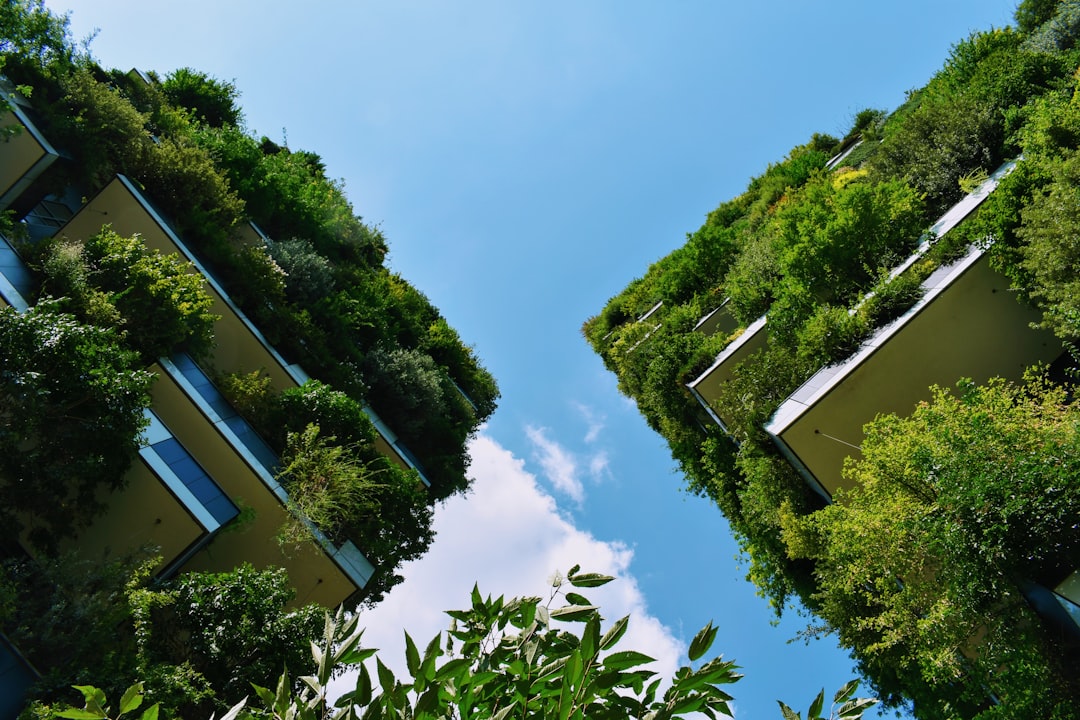
When we talk about sustainable luxury, it’s easy to get hung up on the marketing fluff, but the reality on the ground is shifting toward engineering-heavy solutions that you’d barely notice as a guest. I’ve been looking at how top-tier properties are moving beyond simple towel-reuse programs, and honestly, the shift toward landscape-integrated architecture is the most impressive part. You’re seeing hotels now using elevated steel-frame pods that touch the earth at only a few points, which keeps the local soil microbes and vegetation thriving beneath you rather than being smothered by a foundation. It’s a design choice that prioritizes the environment without making you feel like you’re camping; it’s just better, more thoughtful building.
Think about the climate control in these spaces, too, because it’s a massive departure from the noisy, energy-sucking HVAC units we’re used to. Many of these newer spots are ditching traditional compressors for geothermal loops, where water is circulated deep underground to stabilize your room temperature naturally. On top of that, I’m seeing more hotels install smart-glazing that shifts its opacity based on the sun’s intensity, which keeps your suite cool without you ever needing to touch a thermostat. It’s kind of wild to think that the building is essentially breathing and adjusting for you in real-time.
But where it gets really granular is in the daily operations that you’d never catch if you weren't looking for them. These hotels are swapping out chemical cleaners for probiotic solutions that actually eat organic waste in the pipes, and they’re using greywater recycling to cut freshwater use by nearly half. I’ve even seen remote resorts running anaerobic digesters that turn kitchen scraps into the very biogas used to cook your dinner. It’s a closed-loop system that feels like a total win-win, especially when you consider that they’re also growing herbs in vertical modules on-site to skip the massive carbon cost of food logistics.
Ultimately, this is about luxury that doesn't feel like a sacrifice, but rather an upgrade in quality. You’re staying in spaces built with cross-laminated timber, which actually sequesters carbon, and you’re surrounded by biophilic designs—like living walls—that filter your air better than any mechanical vent ever could. If you’re like me and you want to know if your stay is actually making a difference, these places are even using blockchain to track the exact energy output of your visit. It’s no longer about just doing less harm; it’s about creating a stay that contributes to the local ecosystem instead of just occupying it.
The 2026 Cultural Calendar: Must-Attend Festivals and Gallery Openings
When we look at the 2026 cultural landscape, it’s clear that Oslo has moved far beyond the traditional gallery experience by merging high-tech engineering with genuine environmental accountability. I think you'll find it fascinating how the Oslo Biennale is actually using hydrophones to stream live acoustic data from the inner fjord into a massive sound installation, turning the local marine life into a living, evolving performance piece. It’s a complete departure from the static exhibits we’re used to seeing in major capitals. Meanwhile, the National Museum is doing something truly clever by using spectral imaging to reveal hidden underdrawings in thousands of artifacts, giving you a literal look beneath the surface of history. I’ve been tracking these developments closely, and frankly, it’s the most authentic way to bridge the gap between pure art and rigorous technical research.
The way the city integrates these events into its physical infrastructure is just as impressive as the art itself. Take the Nordic Light Festival, for instance, which now uses a smart laser grid to track crowd density and adjust light output in real-time, specifically designed to protect local nesting birds from unnecessary light pollution. It’s this kind of detail—prioritizing the ecosystem over mere spectacle—that makes the city’s approach so refreshing. Even the temporary gallery spaces for Design Week are being built with 3D-printed timber modules that are fully compostable within six months. It really makes you question why we’re still settling for wasteful, single-use construction in our own local event planning.
When you dive into the autumn schedule, the level of sensory innovation becomes even more apparent. The Munch Museum is rolling out haptic feedback tech that lets you physically feel the texture of brushstrokes, which is a massive leap forward for accessibility and immersion. Plus, the city’s commitment to sustainability extends to the mundane, like the photography symposium shifting to plant-derived film development to stop chemical runoff. We’re even seeing kinetic sculptures in the central plaza that power themselves solely from pedestrian movement, effectively turning the crowd into the engine of the art show. It’s honestly rare to see a city so committed to turning its entire cultural calendar into a laboratory for sustainable, human-centered innovation.
Maximizing Your Budget: Insider Tips for an Affordable Nordic Getaway
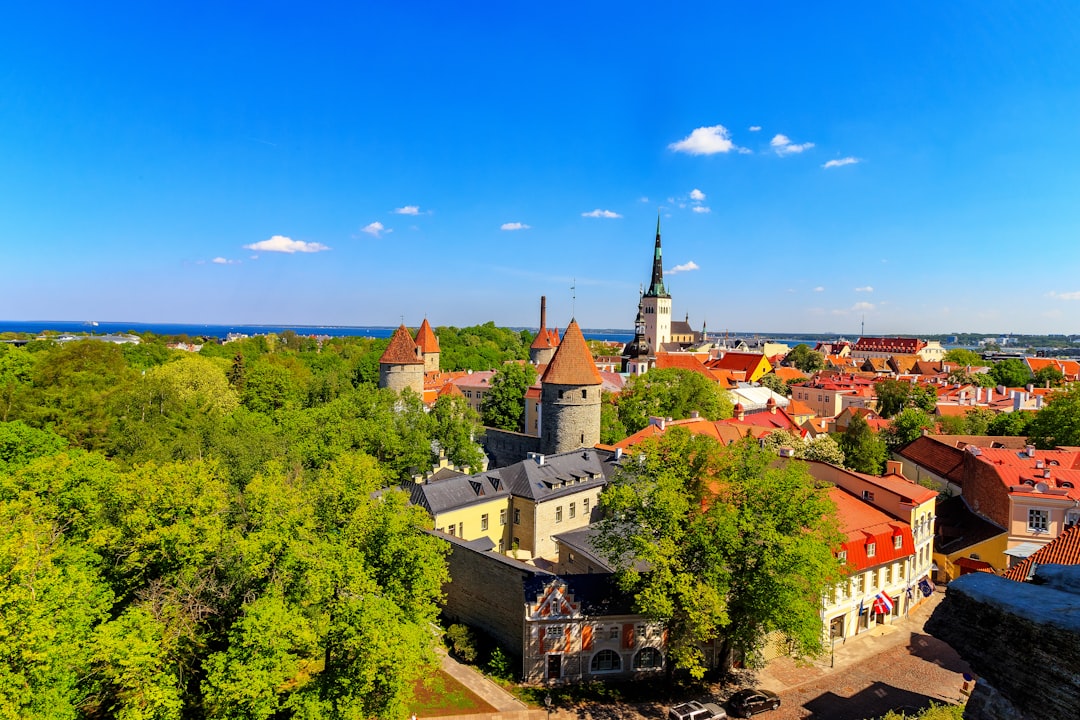
Let’s be honest, the biggest hurdle to enjoying a Nordic getaway is the sticker shock that hits the moment you check your bank statement after a single coffee run. I’ve spent a lot of time crunching the numbers, and the secret isn't cutting out the fun, but rather shifting how you interact with the city’s infrastructure. If you’re heading to Oslo, you’ve got to start with the Oslo Pass, which is honestly the most underrated tool in your arsenal; it bundles museum entry and unlimited public transit—including those electric ferries—into one flat fee that pays for itself if you hit just two or three spots a day. And please, skip the bottled water entirely because the local tap water is arguably some of the cleanest on the planet, saving you a small fortune every single day you're there.
If you’re flexible with your calendar, try to aim for the shoulder months of May or September. You’ll see hotel rates drop by about 20 percent compared to the summer peak, and honestly, the city is much easier to navigate when it isn't crowded with tourists. When you're hungry, skip the pricey sit-down spots for every meal and hit a local Kiwi or REMA 1000 for high-quality picnic supplies; it’s how the locals actually eat, and you’ll get a much better feel for the region’s ingredients without the heavy markup of a restaurant check. I also love using the city bike network integrated right into the transit app, which makes getting around a breeze and saves you from the temptation of calling a taxi.
Don’t feel like you’re missing out by keeping things cheap, either. Some of the most iconic experiences, like the sweeping views from Ekebergparken or wandering through the city’s architectural waterfront, don't cost a single krone. If you’re into the sauna scene, look for community-run floating facilities rather than the high-end private spas; you get the exact same dip in the freezing fjord for a fraction of the cost. Keep an eye on local bakery apps toward the end of the day too, as they often have those “too good to go” deals on fresh bread and pastries that are still perfect. By layering these small, smart choices, you’re not just saving money—you’re actually experiencing the city the way a local does, which is usually the best part of any trip anyway.
Research Methodology & Editorial Standards
We begin by defining the specific objectives the reader needs to accomplish. Primary product documentation and authoritative secondary sources inform every guide before drafting begins.
Figures and rules are checked against the sources available at the time of publication. Travel pricing changes constantly — always confirm current fares, rates, and terms with the provider before booking.