
Why The Latest Generation Of Jet Engines Are Causing Headaches For Major Airlines
You might think that chasing better fuel efficiency is a simple win for airlines, but it actually forces a brutal trade-off with engine longevity that’s really starting to show.
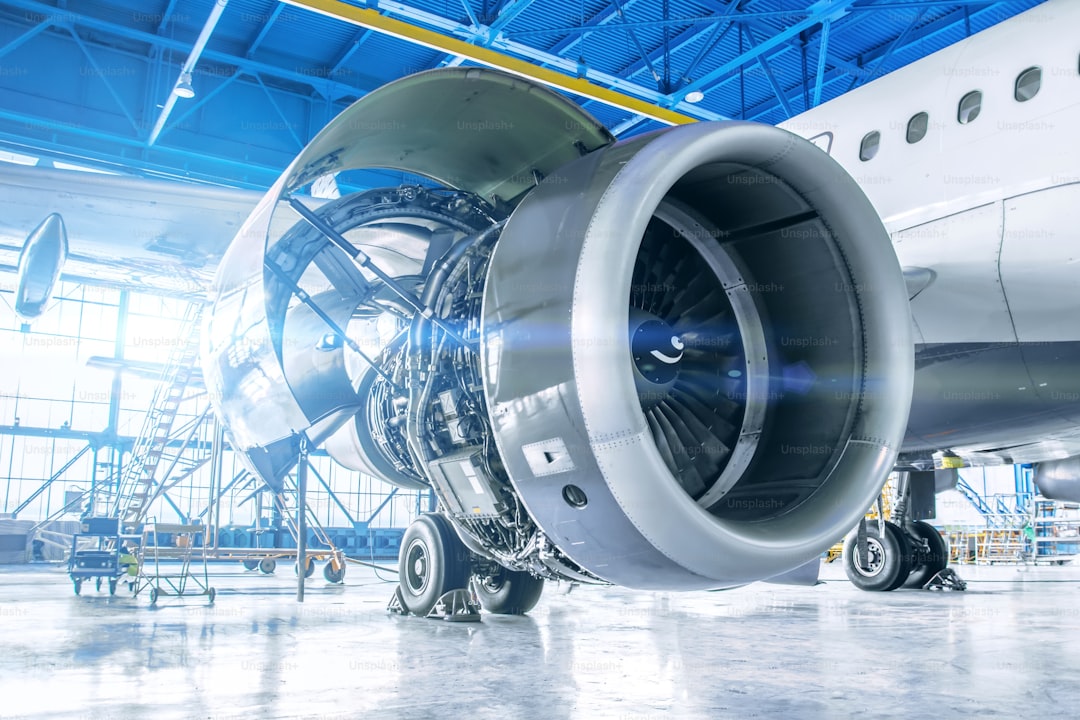
The Trade-off Between Fuel Efficiency and Durability
You might think that chasing better fuel efficiency is a simple win for airlines, but it actually forces a brutal trade-off with engine longevity that’s really starting to show. When we push for those record-breaking bypass ratios, we’re essentially asking turbine blades to survive in temperatures that would liquefy standard materials. To keep them from failing, we have to bleed off precious compressed air for cooling, which just eats into the very efficiency gains we’re chasing. It’s like trying to run a marathon while breathing through a straw; you’re staying cool, but you’re sacrificing a ton of power to do it.
The push for tighter tolerances and higher operating pressures also creates a hidden maintenance trap. While those advanced ceramic matrix composites shave off weight, they’re incredibly sensitive to the harsh reality of runway debris and environmental grit. When you add in thinner thermal barrier coatings, you get parts that are brilliant when new but prone to flaking off under the intense heat cycles of short-haul routes. Think of it like wearing a high-performance athletic shoe on a gravel road—it feels fast for the first few miles, but the sole starts breaking down way faster than you’d expect.
Honestly, even with all our fancy digital twin technology, we still can’t perfectly account for the chaotic turbulence happening inside these tighter, more compact engine housings. This lack of certainty leaves airlines in a tough spot, often forcing them to pull parts for inspection much earlier than the theoretical charts suggest. You end up with a situation where the daily fuel savings are constantly being eroded by the sheer cost of more frequent shop visits. It’s a classic engineering dilemma where the quest for perfection on paper creates a messy, expensive reality on the tarmac.
Supply Chain Bottlenecks in Engine Maintenance and Overhaul
Let’s be real for a second: the engine maintenance world is currently stuck in a massive, grinding bottleneck that isn't going away anytime soon. We’re looking at a situation where the turnaround time for standard shop visits has ballooned by nearly 30 percent, largely because we just can’t get our hands on critical parts like high-pressure turbine casings when we need them. It’s not just about the parts, though; we’re short about 25,000 skilled technicians every single year, and that talent gap is making every other problem feel ten times worse. Honestly, when you combine that labor shortage with raw material lead times that have jumped by over 40 percent since 2020, you start to see why so many aircraft are sitting idle on the tarmac.
The secondary market for used parts is also acting pretty wild right now, with prices for high-demand components spiking by more than 20 percent in just the last eighteen months. Because shop capacity utilization is hovering near a staggering 95 percent, there’s practically zero room for the surge of unscheduled inspections we're seeing from premature engine wear. It’s gotten to the point where operators are routinely cannibalizing perfectly good, mid-life engines just to keep the rest of their fleet flying—a move that used to be a last resort but is now just standard operating procedure. And don't even get me started on the logistics of moving these massive, oversized components across borders; the lack of specialized freight capacity is just another hurdle in a long list of them.
We’re seeing some clever workarounds, like shops experimenting with additive manufacturing for smaller parts, but the regulatory red tape to get those certified is a massive time-sink. Even with huge, multi-million dollar investments flowing into new regional shop capacity, we're likely looking at late 2027 before we see any real relief, since commissioning high-tech testing gear takes forever. Throw in the fact that our old-school maintenance tracking software can’t talk to the modern, automated inventory systems used by manufacturers, and you’ve got a recipe for total operational gridlock. It’s honestly a mess, and for mid-sized airlines, the rising cost of financing these elongated shop visits is starting to force some really tough conversations about their future fleet plans.
Accelerated Wear Patterns in Harsh Operating Environments
When we talk about why today’s jet engines are struggling, we really have to look at the brutal reality of what happens inside them when they’re pushed to their limits in less-than-ideal environments. It’s not just about standard wear and tear; we are seeing specific, chemical-level attacks on engine components that the previous generation of powerplants simply didn’t have to face. For instance, sand ingestion at high altitudes is a massive issue because it forms those calcium-magnesium-alumino-silicate deposits—essentially molten glass—that chemically dissolve the thermal barrier coatings protecting our turbine blades. Once that stuff solidifies, it forces the coating to delaminate the moment the engine cools down, leaving the metal underneath completely exposed to the fire.
The problem gets even worse when you factor in where these planes actually fly. If you’re operating in coastal regions, you’re dealing with sea salt aerosols that react with sulfur in the fuel to trigger sulfidation, which creates a corrosive liquid film right on the engine’s hot section. It’s like a slow-motion chemical burn that bypasses our standard oxidation defenses, eating away at the nickel-based superalloys that are supposed to be indestructible. And don't forget the impact of volcanic ash or desert dust, which acts like a high-speed abrasive slurry, physically thinning turbine vanes and clogging the microscopic cooling channels we rely on to keep everything from melting.
Even our best attempts at modernization are hitting some unexpected snags. We’ve turned to additive manufacturing to create complex internal cooling geometries, but the inherent surface roughness of these printed parts often creates turbulence that traps heat instead of shedding it. These localized hotspots can push the metal past its metallurgical limits before a pilot even reaches cruise altitude. Then you have the cycle of short-haul flights, which means engines are constantly stuck in the high-stress transition of takeoff and climb rather than settling into a stable, steady-state cruise.
Honestly, it’s a perfect storm of engineering strain. Between the vibration harmonics causing invisible micro-cracks and the way rapid throttle changes create shear stress at the coating interfaces, we are seeing parts fail way earlier than those optimistic design simulations ever predicted. Add in the reality of contaminated de-icing fluids causing embrittlement or synthetic lubricants creating carbon deposits in cooling lines, and you start to see why the maintenance shops are completely overwhelmed. It’s a classic case of pushing materials to the bleeding edge of physics, only to find that nature—and simple gravity—has a way of pushing back even harder.
The High Cost of Unscheduled Engine Inspections
Let’s pause for a moment and really look at the financial ripple effect caused by these unscheduled engine removals, because it goes far beyond just the hourly rate of a mechanic. When an engine has to be pulled unexpectedly, we aren't just talking about a repair bill; we're looking at a staggering total that can easily climb past five million dollars once you factor in aircraft-on-ground support and the sheer loss of revenue from scrapped flight schedules. It's an operational nightmare where the logistics of moving a ten-thousand-pound engine across borders become a massive, hidden tax on your budget.
Think about the technical side of this, too. Modern high-bypass engines are so tightly integrated that a single failed seal in an accessory gearbox can force a deep dive into the entire high-pressure compressor, effectively turning a minor fix into a multi-day shop visit. You’re forced into complex borescope inspections that eat up an entire shift just for one module, and that’s before you even get to the specialized non-destructive testing required to spot invisible subsurface fatigue in turbine disks. Even with all our fancy predictive analytics, the reality is that the tools needed to act on a sensor warning are often sitting in a facility hundreds of miles away from the grounded plane.
And honestly, the situation is only getting tighter as regulatory bodies issue fleet-wide mandates following a single premature failure. When that happens, you aren't just dealing with one plane; you're looking at a sudden, massive liability as hundreds of aircraft are pulled for inspections simultaneously. Between the scarcity of skilled labor—where we're paying premium rates just to get fly-in teams on-site—and the need for full certification pedigrees on every replacement part, it’s no wonder operators are feeling the squeeze. It’s a brutal cycle where the quest for cutting-edge efficiency is constantly butting heads with the messy, expensive reality of keeping a fleet in the air.
Balancing Fleet Expansion with Reduced Engine Availability
When you look at the current state of airline operations, it’s clear that we’ve moved into an era where fleet growth is no longer just about signing purchase orders for new jets. We’re in a strange, high-stakes game of musical chairs where the engine is the most valuable piece on the board. You’re seeing major carriers scramble to secure green time engines—those older units nearing their overhaul limit—simply to keep enough metal in the air while waiting for factory-fresh replacements that are perpetually delayed. It’s a tactical stopgap, but it forces airlines to defer maintenance until the absolute last second, which is a stressful way to run an operation if you ask me.
And honestly, the way operators are handling this is changing how they view their entire fleet. You’ll see airlines now routinely cannibalizing parts from parked aircraft just to feed the spare pool, essentially shrinking their own active capacity just to keep the remaining planes flying reliably. They’re even re-optimizing flight schedules based on the remaining engine cycles rather than passenger demand, which is something that would have been unthinkable a few years ago. It’s a complete inversion of how we traditionally thought about capacity planning, where the engine’s health has become a more volatile asset than the actual cash on the balance sheet.
But here is where the real trade-off happens: to stop the bleeding, many airlines are now running their engines in derated modes, sacrificing fuel efficiency—and those hard-won carbon targets—just to squeeze a few more hundred hours out of the turbines before they have to hit the shop. We’re also seeing a massive shift toward power-by-the-hour contracts that offload the risk of grounded aircraft back onto the manufacturers, though even that doesn't solve the fundamental shortage of parts. It’s a messy, expensive, and deeply uncertain time to be managing a fleet, and frankly, I don’t think we’re going to see a return to normal until the supply chain for these high-pressure components finally catches up to the reality of our global travel demand.
Long-term Reliability Concerns for Next-Generation Turbofans
Let’s pause for a moment to consider why those shiny, record-breaking turbofans powering today’s newest jets are giving maintenance crews such a massive headache. We’re essentially pushing material science to the absolute wall, with internal combustion temperatures now hitting a staggering 2,400°F—a level where standard alloys start to lose their nerve. To manage this, engineers have leaned heavily into ceramic matrix composites, which are brilliant for shedding weight but turn out to be surprisingly brittle when faced with the daily reality of runway debris. Honestly, it’s like trying to run a marathon in delicate glass slippers; they’re fast, but they aren't exactly built for the grit of the real world.
The complexity doesn't stop at the materials, either, because these engines now use intricate gear systems to decouple fan speeds from the core, which introduces all sorts of unpredictable vibrations that we’re still learning to track. Think about the sheer size of these high-bypass designs; they’re so massive that they actually experience significant gyroscopic stress during normal flight maneuvers, placing loads on the engine mounts that early design simulations didn't fully capture. And then there's the fuel-nozzle coking issue, where carbon buildup messes with the spray patterns and creates localized hotspots that can warp turbine vanes faster than you’d expect. It’s a classic case of the design being perfect on a computer screen but struggling to survive the chaos of actual operation.
Maybe it’s just me, but it feels like we’ve traded a bit too much operational margin for that extra bit of fuel efficiency. We’re seeing higher overall pressure ratios that narrow the compressor stall margin, leaving these engines with almost no room to breathe when they hit sudden turbulence. Even the clever use of additive manufacturing for internal cooling channels has backfired slightly, as the tiny surface variations in those printed parts end up being the perfect starting points for fatigue cracks. When you add in sensors that fail from vibration and synthetic oils that break down under these new extreme heat loads, you get a system that’s constantly teetering on the edge of needing an unscheduled shop visit. It’s a sobering reminder that even the most advanced engineering can’t entirely outrun the basic, stubborn laws of physics.
Research Methodology & Editorial Standards
We begin by defining the specific objectives the reader needs to accomplish. Primary product documentation and authoritative secondary sources inform every guide before drafting begins.
Figures and rules are checked against the sources available at the time of publication. Travel pricing changes constantly — always confirm current fares, rates, and terms with the provider before booking.