
Why Ryanair predicts a wave of airline bankruptcies across Europe
It’s not just about the sticker price at the pump; it’s about how these spikes ripple through every single aspect of an airline's operation.
Rising Fuel Costs and the Threat to Profitability
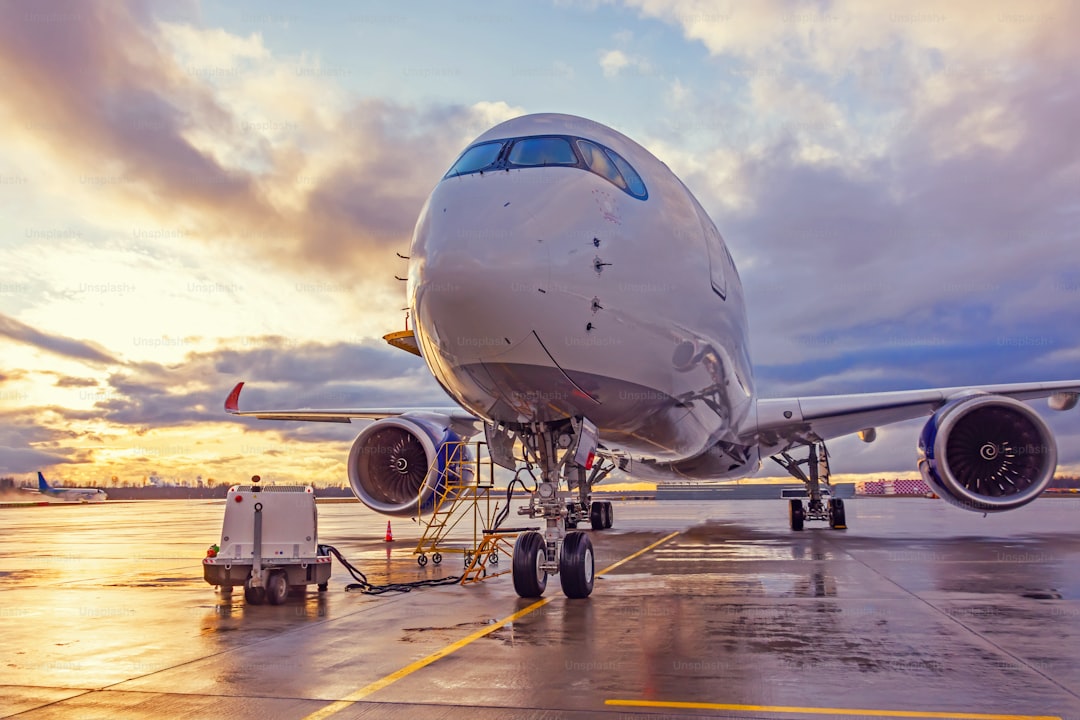
Let's be honest, when we talk about airline profitability, we’re really talking about a delicate balancing act that’s currently being tested by the relentless climb in energy prices. It’s not just about the sticker price at the pump; it’s about how these spikes ripple through every single aspect of an airline's operation. When fuel starts eating up nearly 40 percent of total operating expenses, you’re left with almost zero breathing room for maintenance, staffing, or that necessary investment in a more modern, fuel-efficient fleet. If you’re a smaller carrier without the deep pockets of a major global group, you simply don't have the leverage to negotiate the kind of bulk fuel contracts that keep costs manageable. It’s a brutal reality where older aircraft, once perfectly reliable, suddenly become a terminal financial liability because of their higher fuel burn rates in this expensive environment.
The real trouble often kicks in when you look at the gap between what you’re paying for fuel today and the tickets you sold months ago. Because consumer booking cycles move so much slower than the volatile energy market, many airlines find themselves flying routes that technically turned into money-losers before the plane even pushed back from the gate. We’ve seen this play out globally, from carriers in Africa forced to slash routes just to keep the lights on, to U.S. airlines sweating over how a summer travel surge will actually hit their bottom line if oil prices stay elevated. Fuel hedging is often touted as the safety net, but it’s a double-edged sword; it requires massive upfront capital and, when things get really wild, banks often demand more collateral, which just sucks the remaining liquidity right out of the business.
Think about the geopolitical side of things for a second, too. Conflicts in places like Iran create an immediate, unpredictable supply chain shock that makes long-term earnings forecasts look more like educated guesses than solid data. Even if you have a plan, the sheer speed of these price fluctuations means that fuel surcharges—which are supposed to act as a buffer—often lag behind reality, leaving a revenue gap that's hard to close. It makes you wonder how some of these smaller players can survive when every single variable is moving against them at once. It’s a tough environment, and honestly, it’s why we’re likely going to see some real structural shifts in the industry before the year is out.
The Consolidation Trend: Why Smaller Carriers Are Vulnerable
If you look at the industry right now, it feels like the walls are closing in on smaller players, and frankly, I think the math is becoming impossible to ignore. It really comes down to a brutal lack of scale that hits these carriers in every corner of their operation. Take digital distribution, for example; while the big guys are cutting massive deals with Global Distribution Systems to slash fees, smaller airlines are stuck paying significantly more just to be visible. Then there’s the talent drain, which is honestly exhausting to watch. These smaller firms act as a revolving door for pilots who train up and immediately bolt for the majors, leaving the smaller outfits to eat the entire cost of that training without ever seeing a return on the investment.
The operational inefficiencies are just as punishing when you dig into the details. If you’re running a smaller fleet, you aren’t getting priority slots at maintenance hangars, which means your planes are stuck on the ground longer than they should be. And while a massive group can move crews around their network to cut down on those expensive deadhead flights, smaller carriers are often stuck with higher unit costs per seat because they lack that same flexibility. Even the financing side has turned against them; since 2024, lessors have been slapping a risk premium on independent carriers, making their cost of capital nearly two percentage points higher than what the legacy groups pay. It’s hard to stay competitive when your baseline costs are inflated at every turn.
We’re also seeing a real shift in how these carriers are being pushed out of the market. They just can't keep up with the dynamic pricing algorithms that larger competitors use to siphon off ancillary revenue, and they’re consistently left out of the lucrative joint ventures that provide a safety net for the big players. Then there’s the shadow of what we call the Hanjin effect, where a single missed payment can trigger a total collapse because suppliers and airports start demanding cash on delivery. Once that trust is gone, the liquidity dries up instantly, and there’s no room for a comeback. It’s a vicious cycle where every regulatory hurdle—like the EU’s emissions trading costs—falls harder on the smaller guys who don't have the legal teams to optimize their way out of it. When your insurance premiums spike simply because you aren't part of a diversified conglomerate, you realize the industry is basically forcing a consolidation that’s going to leave fewer, but much larger, players standing.
Operational Challenges and Summer Flight Disruptions
Let’s look at why these summer skies feel so much more chaotic than in years past. It isn't just bad luck or a few stormy days; it’s a fundamental breakdown in how airlines manage their daily operations when everything is pushed to the limit. We’re seeing a massive collision between labor shortages and a total lack of reserve capacity, which means that when one flight hits a snag, it doesn't just stay in that one city—it ripples out and wrecks schedules across entire continents. For instance, when a major hub like Dulles sees dozens of delays, you can bet that travelers in London or Frankfurt are going to feel the sting almost immediately.
The math just isn't working in the airlines' favor right now, and that’s forced carriers like SWISS or Icelandair to start hacking away at their own schedules weeks or even months in advance. It’s a bitter pill to swallow, but they’re effectively choosing to cancel flights proactively rather than risking a total system meltdown that could trap thousands of passengers in airport terminals. We’re also watching a strange trend where legacy flag carriers are suddenly hit by the same pilot shortages that used to only plague regional operators. It really shows how thin the margins have become, and honestly, it turns every summer travel plan into a bit of a high-stakes gamble.
Think about the sheer volume of these incidents, like the hundreds of disruptions popping up in places like Miami and Phoenix on single days. The infrastructure is simply buckling under the weight of current demand, and there’s very little interoperability between different airlines to help you get home if your flight gets axed. When you combine that with the financial weight of passenger compensation laws in the EU, you realize that airlines are essentially playing a game of chicken with their own liquidity. I suspect we’re going to keep seeing these aggressive, pre-emptive schedule cuts until the industry can find a way to build back some actual breathing room into their daily operations.
How Ryanair’s Financial Resilience Sets Them Apart
When you look at the European aviation market, it’s honestly easy to get lost in the noise of daily flight cancellations and rising fuel prices, but if you step back, you’ll see that Ryanair is playing an entirely different game. Their secret isn't some complex algorithm or secret sauce; it’s a boring, relentless focus on owning their own destiny. While most carriers are busy burning cash on lease payments, Ryanair owns over 90 percent of its fleet outright. That single decision completely removes the interest rate volatility that’s currently choking off the competition. Because they aren't beholden to lessors, they’ve maintained an investment-grade credit rating that allows them to borrow money at rates their rivals can only dream of. It’s a massive competitive moat that keeps their cost of capital significantly lower during these turbulent times.
Think about the sheer operational simplicity they’ve cultivated as well. By sticking almost exclusively to a standardized fleet of Boeing 737 aircraft, they’ve slashed training and maintenance costs in ways that mixed-fleet operators just can’t replicate. They even run their own heavy maintenance checks in-house, which gives them control over scheduling that you simply don’t get when you’re reliant on third-party providers. When you aren't fighting for space in an external hangar, your planes stay in the air, and that’s where the real money is made. They’ve even managed to side-step the logistical nightmare of baggage transfers and connecting flights, which sounds like a minor detail, but it saves them a fortune in rebooking costs and passenger compensation when things inevitably go wrong.
Then there is the way they handle their relationships with airports and technology. They refuse to play the game of high-cost primary hubs, opting instead for secondary airports that offer them massive volume discounts on fees. They also cut out the middleman by driving all their bookings through a direct digital channel, effectively avoiding those nasty four to six percent commission fees that Global Distribution Systems charge legacy airlines. Even their seat configuration is a masterclass in efficiency, packing more passengers into each frame to drive down the cost per seat kilometer to a point that’s almost impossible for others to match. It’s this combination of long-term fuel hedging—sometimes stretching out seven years—and a relentless push for ancillary revenue that keeps them profitable even when the rest of the industry is scrambling just to stay liquid.
Market Saturation and the End of Cheap Air Travel
The global aviation landscape is shifting as the era of ultra-low-cost carriers faces a structural crisis, marked by the recent collapse of major budget players that once anchored the pricing floor. This disappearance of discount competition is removing the baseline pressure that previously kept ticket prices artificially low across the board. Data from mid-2026 indicates that secondary airports, once the primary growth engine for budget airlines, are now seeing a 15 percent reduction in scheduled capacity as surviving carriers pivot toward high-yield primary hubs. This strategic retreat suggests that the convenience of low-cost regional connectivity is being sacrificed to preserve the financial health of larger, more centralized airline groups.
The cost of air travel is further compounded by the expiration of older, favorable supply chain agreements that were negotiated before the current wave of inflationary pressures. Carriers are finding that renewing these service contracts now involves cost increases of up to 25 percent, a burden that is inevitably being passed directly to you, the passenger. Technological shifts in dynamic pricing algorithms have reached a point of saturation where airlines can now predict individual consumer demand with such precision that the traditional concept of a bargain fare is effectively obsolete. These systems now prioritize revenue maximization over market share, ensuring that seat prices remain high even during historically off-peak periods.
Regulatory oversight regarding carbon offset mandates has introduced a new fixed cost per seat, which as of June 2026, accounts for nearly 8 percent of the average short-haul ticket price in Europe. This environmental compliance cost acts as a permanent tax on the industry, preventing a return to the sub-50-euro fares that defined the previous decade. The average age of the global commercial aircraft fleet is currently at a 15-year high due to persistent manufacturing delays, which forces airlines to operate older, less efficient jets that require 12 percent more maintenance downtime. This operational drag reduces the total number of available seats in the market, creating a structural supply-demand imbalance that keeps ticket prices elevated.
Without the ability to increase flight frequency, competition is stagnating, allowing legacy carriers to maintain higher price floors without fear of losing market share. Institutional investors have also shifted their focus away from growth-at-all-costs strategies, now demanding that airlines prioritize free cash flow over passenger volume metrics. This financial mandate has forced even the most aggressive discount airlines to raise base fares, effectively ending the period of predatory pricing that characterized the post-2020 recovery.
Looking Ahead: The Future Landscape of European Aviation
When we look at where European aviation is heading, it’s clear we’re moving away from the era of hyper-competition and into a period defined by sheer consolidation. The integration of airlines like SAS into the Air France-KLM group isn't just a corporate move; it’s a fundamental restructuring of how trans-Atlantic traffic is controlled, effectively allowing a handful of massive entities to dictate pricing across once-competitive routes. We’re also seeing legacy groups like Lufthansa aggressively securing 90 percent stakes in carriers like ITA Airways to monopolize critical Mediterranean hubs. For you, this means the days of fierce price wars between smaller players are likely behind us, as the industry prioritizes shareholder returns and high-yield, premium-cabin performance over simple market share.
At the same time, we’re witnessing a strange, high-tech pivot as the industry tries to cope with its own structural limitations. Airlines are increasingly using digital twins and advanced simulation tech to stress-test their networks, trying to predict how a single delay in one city ripples across thousands of connections before it even happens. But even with these tools, they’re still fighting a losing battle against ground-handling shortages and persistent manufacturing backlogs that force them to keep older, inefficient jets in the air longer than planned. This creates a painful paradox where capacity remains constrained even when demand is high, leaving secondary airports with service levels we haven't seen in years.
Then there’s the quiet, long-term shift toward entirely new ways of moving people and goods. Projects like air taxi infrastructure in Serbia and the EU’s push for autonomous drone logistics suggest a future where high-value, time-sensitive transit might eventually bypass our congested, legacy airport networks altogether. Meanwhile, major carriers are increasingly handing off their least profitable short-haul routes to rail networks, freeing up their limited fleets for more lucrative long-haul flying. Honestly, it feels like the entire industry is being forced to shrink its footprint to survive the weight of new sustainability mandates and the reality of higher operating costs. We’re watching a transition where the system is becoming less about connecting every corner of the map and more about maximizing the efficiency—and the price—of every single seat.
Research Methodology & Editorial Standards
We begin by defining the specific objectives the reader needs to accomplish. Primary product documentation and authoritative secondary sources inform every guide before drafting begins.
Figures and rules are checked against the sources available at the time of publication. Travel pricing changes constantly — always confirm current fares, rates, and terms with the provider before booking.