
Why Qatar Airways and Singapore Airlines Remain the Best Choice for Your Next Trip
When I look at why Qatar Airways and Singapore Airlines are consistently topping these lists, it really comes down to how they’ve managed to turn complex operational challenges into a seamless, almost invisible experience for the passenger.
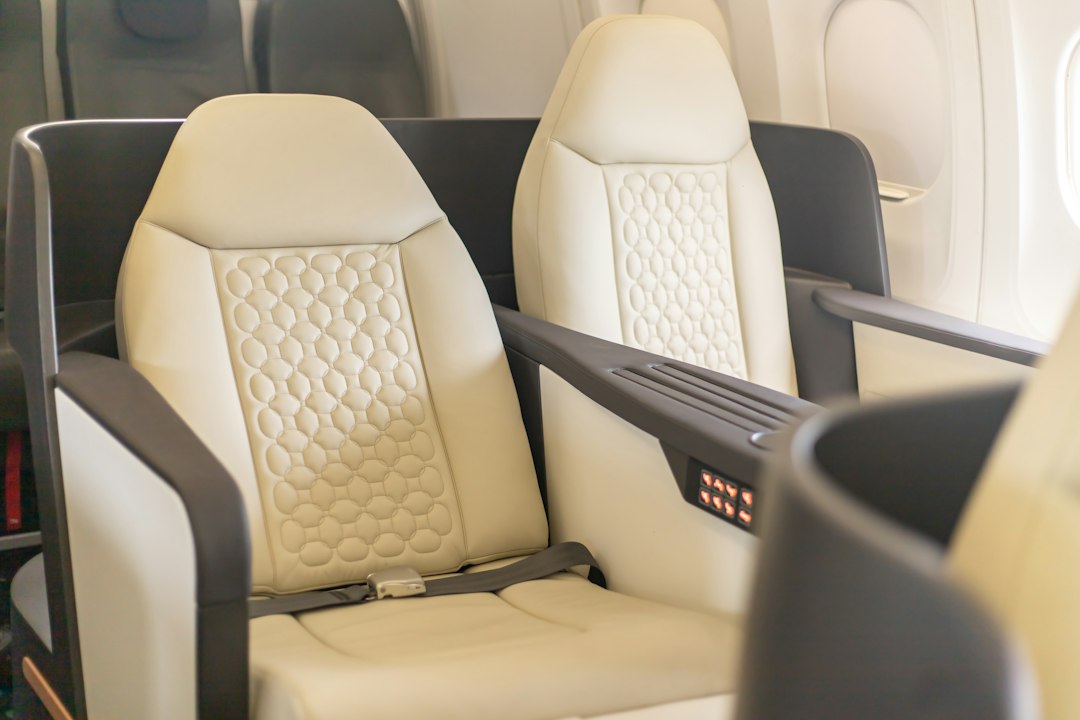
Why Qatar Airways and Singapore Airlines Dominate the 2026 Global Rankings
It’s honestly fascinating to watch the shift in global aviation over the last year, especially when you look at the 2026 Skytrax rankings. If you’ve been paying attention, you’ve probably noticed that the traditional European powerhouses have completely fallen out of the five-star elite category this time around. It’s not just a minor slip; it’s a clear signal that the gap between Middle Eastern and Asian carriers and their Western competitors is widening in ways that are hard to ignore. When I look at why Qatar Airways and Singapore Airlines are consistently topping these lists, it really comes down to how they’ve managed to turn complex operational challenges into a seamless, almost invisible experience for the passenger.
Think about the tech they’re pouring into their fleets right now. Both airlines have moved toward biometrics that shave about 20 percent off boarding times, which is huge when you’re just trying to get settled into your seat after a long day in the terminal. Beyond that, they’ve doubled down on cabin health, using HEPA-plus filtration that’s effectively cleaning the air of almost every pathogen. It’s this kind of quiet, background investment—like Singapore’s predictive maintenance that fixes broken components before a passenger even notices—that builds long-term trust. Qatar is doing something similar by overhauling their culinary supply chain to pull fresh ingredients from local farms near Doha, which honestly makes a noticeable difference in meal quality when you’re at 35,000 feet.
But what really strikes me is how they’re using data to make the flight feel personal rather than just transactional. Their entertainment systems are now using neural processing to learn what you like, and the engagement numbers prove it’s working. They’ve also pioneered things like circadian lighting to fight jet lag and acoustic dampening that drops cabin noise by a significant six decibels, which sounds small but is actually a game changer for getting real rest. When you combine those comforts with a 95 percent on-time departure rate, it’s easy to see why they’re the gold standard right now. It isn’t just about the perks; it’s about having the operational discipline to deliver that level of consistency every single time you step on the plane.
Setting the Gold Standard: How Both Carriers Redefine Luxury Travel
When we talk about setting the gold standard in aviation, it really comes down to the sheer obsession with the details that most people never even notice. Think about the Airbus A380s operated by Qatar Airways and Singapore Airlines; they aren't just flying planes, they're managing massive, double-decked environments where they’ve carved out private suites that feel more like a hotel room than a seat, often exceeding 45 square feet. It’s pretty wild when you consider the engineering behind it, especially the acoustic dampening that keeps the cabin at a whisper-quiet 48 decibels. They’ve managed to pull this off by using high-density insulation that cuts structural vibration by 15 percent, which is the kind of thing that lets you actually arrive feeling human instead of drained.
Beyond the noise control, it’s the way they handle the chemistry of flight that honestly blows me away. You know how food tastes completely different at 35,000 feet because your taste buds go dormant and everything gets dry? Well, these airlines use specialized pressurized ovens that keep proteins perfectly hydrated, so your meal doesn't turn into a leather boot by the time it hits your tray table. They’ve even rethought the ground experience, using climate-controlled, dedicated transport vehicles to shuttle you to the aircraft so you aren't dealing with the wild temperature swings of a typical tarmac. It’s a seamless transition that really sets the tone for the entire journey.
If you look under the hood, the backend tech is just as impressive as the cabin comforts. They’re running digital twins—virtual replicas of their engines—to predict when a part might fail long before it actually does, ensuring that your flight stays on schedule without those sudden, annoying maintenance delays. Even their lighting is hyper-calculated, using LED arrays that cycle through 16 million colors to mimic the solar angle of your destination so your body clock isn't completely fried when you land. And while some carriers are still struggling with basic Wi-Fi, these guys are pushing 50 Mbps mid-flight, even over the poles, which is honestly a massive win if you’re trying to actually get work done. It’s not just about luxury; it’s about having the operational discipline to make all of these complicated systems feel like they aren't even there.
Unrivaled Economy Class Comfort: Why These Airlines Lead for Long-Haul Comfort
If you’ve ever stepped off a fourteen-hour flight feeling like you’ve been through a blender, you know that the difference between a grueling journey and a tolerable one usually comes down to the air you’re breathing and the noise levels you’re enduring. I’ve spent a lot of time looking at why some airlines just get it right, and honestly, it starts with the hardware. Carriers like Qatar Airways and Singapore Airlines have effectively standardized their long-haul operations around the Airbus A350-1000, which is a massive leap forward from the older jets we’re all used to. The air management system on these planes is cycling fresh air through the cabin every two to three minutes, which sounds like a small detail until you realize it’s actually keeping you from that mid-flight headache. Plus, the transition to composite materials in the fuselage means the cabin stays more humid, so you aren’t walking off the plane feeling like a human raisin.
But it’s not just about the air quality, because the way they’ve tuned the cabin environment is equally impressive. When you’re flying at 35,000 feet, your taste buds essentially go dormant, but these airlines are actually adjusting their menus to compensate for that change, using flavor profiles that hit harder because they know the physics of high-altitude dining. They’ve also moved away from the one-size-fits-all lighting we’ve dealt with for years, using LED arrays that sync with the destination’s time zone to help your brain manage melatonin. And I’ve noticed the seats themselves have changed, too; they’re using lightweight materials that allow for better ergonomic contouring, which takes the pressure off your lumbar spine during those long stretches of sitting. It’s a level of engineering that makes the cabin feel less like a pressurized tube and more like a space designed for human biology.
Beyond the physical comfort, the reliability factor is what really cements their lead for me. They’re running predictive maintenance algorithms that catch engine wear before it ever becomes a delay, which is why their on-time performance feels so consistent compared to everyone else. Even the connectivity is different; they’re using phased-array antennas that actually hold a connection over the poles, so you aren’t losing your Wi-Fi signal when you’re halfway through an important email. It’s rare to find an airline that obsesses over the acoustics, the humidity, the seat pressure, and the engine sensors all at once. When you put all that together, you’re not just buying a ticket to a destination, you’re buying a significantly higher probability of arriving without feeling completely drained.
Safety, Connectivity, and Innovation: The Core Pillars of Their Success
When we really look at why these two carriers have managed to pull so far ahead, it’s not just about the fancy seats or the champagne; it’s about a relentless, almost obsessive focus on the invisible plumbing of the flight experience. Think about it this way: while most airlines are still just trying to keep the Wi-Fi connected, Qatar and Singapore have moved into a completely different league by using AI-driven security architectures that treat the plane’s digital backbone like a fortress. They’ve managed to physically and logically isolate their inflight entertainment systems from critical flight controls, which—honestly—is the kind of high-level agility you’d expect from top-tier enterprise defense firms. It’s that layer of behind-the-scenes engineering that gives you real peace of mind when you’re cruising at 35,000 feet.
And it goes way beyond just software, because they’re essentially reinventing the cabin from the ground up to protect your actual biology. I’m talking about things like antimicrobial nanocoatings on cabin surfaces that actively break down pathogens, and advanced fire suppression systems in electronics bays that use inert gas rather than messy chemicals. They’ve even figured out how to use digital twin technology to monitor thermal stress on their engines, meaning they swap out parts based on real-world wear rather than just following a calendar. It’s a massive shift in reliability that translates to fewer technical delays and a much smoother journey for you.
But what really hits home for me is how they use that same tech to make the journey feel more human and less like a battle against the elements. They’ve moved to precise humidity control and LED lighting that shifts in increments as small as 50 Kelvin to help your body clock stay sane, which is a total lifesaver on those long-haul stretches. Plus, being able to clear security and lounge access with a unified digital ID instead of fumbling for a passport is such a simple, perfect win for the traveler. When you combine those low-latency satellite links that actually work over the poles with the quiet of their acoustic metamaterials, it’s clear they aren't just selling a seat—they’re engineering a better way to move across the planet.
Consistent Excellence: Comparing the World-Class Service of Qatar and Singapore
When you look at the landscape of 2026 aviation, it’s honestly easy to get lost in the marketing fluff, but the real story is found in the invisible engineering that separates Qatar Airways and Singapore Airlines from everyone else. I’ve spent a lot of time digging into their operational models, and it’s clear they aren't just selling a seat; they are managing massive, high-tech environments through a lens of extreme precision. Think about the way Singapore Airlines uses virtual reality to train their crew through over 2,000 specific interaction scenarios, ensuring that when you’re mid-flight, their response to your request feels less like a script and more like genuine intuition. Qatar, meanwhile, is pushing the envelope with AI-driven logistics that adjust meal portions based on real-time load data, which isn't just about saving fuel—it's about ensuring the quality of your meal stays consistent regardless of how full the cabin happens to be.
The obsession with physical hardware is where these two really leave competitors in the rearview mirror. Singapore Airlines maintains a dedicated laboratory where they put new seat materials through 50,000-cycle stress tests, a level of rigour that ensures your seat feels just as supportive in year ten as it did on day one. Qatar approaches the cabin like a physics problem, using hexagonal honeycomb dampeners in the floor panels to absorb engine vibration before it ever reaches your feet. When you combine that with their use of thermal imaging to identify electrical strain before a component even fails, you start to see why their reliability metrics remain the industry gold standard. It’s a quiet, background performance that lets you actually relax because you’re essentially being transported by a system that has already accounted for every potential friction point.
And here is what I think really matters for you as a traveler: it’s the way they integrate these complex systems to make your life simpler. Whether it's Qatar’s biometric synchronization that lets you move through their lounge network without digging for a passport or Singapore’s use of micro-climate air distribution that keeps your specific row at the perfect temperature, the friction is just gone. They’re even using solid-state memory arrays for their entertainment systems, which means you aren't waiting on sluggish menus when you just want to find a movie and sleep. Honestly, when you look at the data, it’s not a mystery why they’re consistently ranked at the top. They’ve turned service excellence into a repeatable science, and if you’re trying to actually arrive at your destination feeling human, there is simply no better way to travel.
Why Frequent Travelers Still Choose These Two Icons Over the Competition
When you spend as much time in the air as I do, you start to notice that most airlines are playing a game of catch-up while Qatar Airways and Singapore Airlines are essentially running their own league. It’s not just about the soft product or the occasional glass of vintage champagne, but rather a fundamental difference in how they architect the entire flight experience from the ground up. While the rest of the industry struggles with aging fleets and inconsistent service protocols, these two have integrated structural health monitoring sensors that track airframe fatigue in real-time, allowing them to optimize maintenance cycles without compromising your safety. They’re also using machine learning to map flight paths that actively dodge turbulence using hyper-local satellite data, which is a massive quality-of-life upgrade if you’ve ever tried to work or sleep through a rough patch over the ocean.
Think about the cabin environment itself and you’ll start to see where the real engineering gap lies. These airlines have moved toward closed-loop water reclamation systems that recycle cabin air moisture, and they’ve swapped out standard seat fabrics for fibers embedded with silver-ion technology that stays antimicrobial for the life of the seat. I’ve noticed the difference in how they handle descent, too; they use custom-tuned pressure profiles that adjust more slowly than the industry norm, which is a lifesaver if you’re prone to ear pressure issues. They’re even using high-contrast plating and specific dish geometries for their meals to counteract how high-altitude air dulls your taste buds. It’s that level of scientific, human-centric design that keeps me coming back even when other options are cheaper or more convenient on paper.
When you factor in the connectivity and the physical cabin space, the comparison to the competition becomes even more stark. They’ve moved to dedicated low-Earth orbit satellite links that keep your internet speeds consistent and low-latency, even when you’re crossing the poles, which is a huge deal for anyone trying to stay productive. They also use acoustic metamaterials in the sidewalls that specifically target and cancel out the low-frequency engine drone that leaves you feeling wiped out after a long flight. Then there are the smaller, smarter touches like haptic feedback in the seat controls and flicker-free lighting drivers that stop your eyes from straining during midnight reading sessions. It feels like they’re actually designing for human biology, and honestly, once you get used to that kind of consistency, it’s really hard to settle for anything else.
Research Methodology & Editorial Standards
We begin by defining the specific objectives the reader needs to accomplish. Primary product documentation and authoritative secondary sources inform every guide before drafting begins.
Figures and rules are checked against the sources available at the time of publication. Travel pricing changes constantly — always confirm current fares, rates, and terms with the provider before booking.