
Why Qatar Airways and Singapore Airlines Remain the World Best Carriers
It’s pretty wild to look at the 2026 rankings and see that traditional European carriers have been completely left out of the latest Skytrax five-star excellence awards, leaving Qatar Airways and Singapore Airlines in a league of their own.
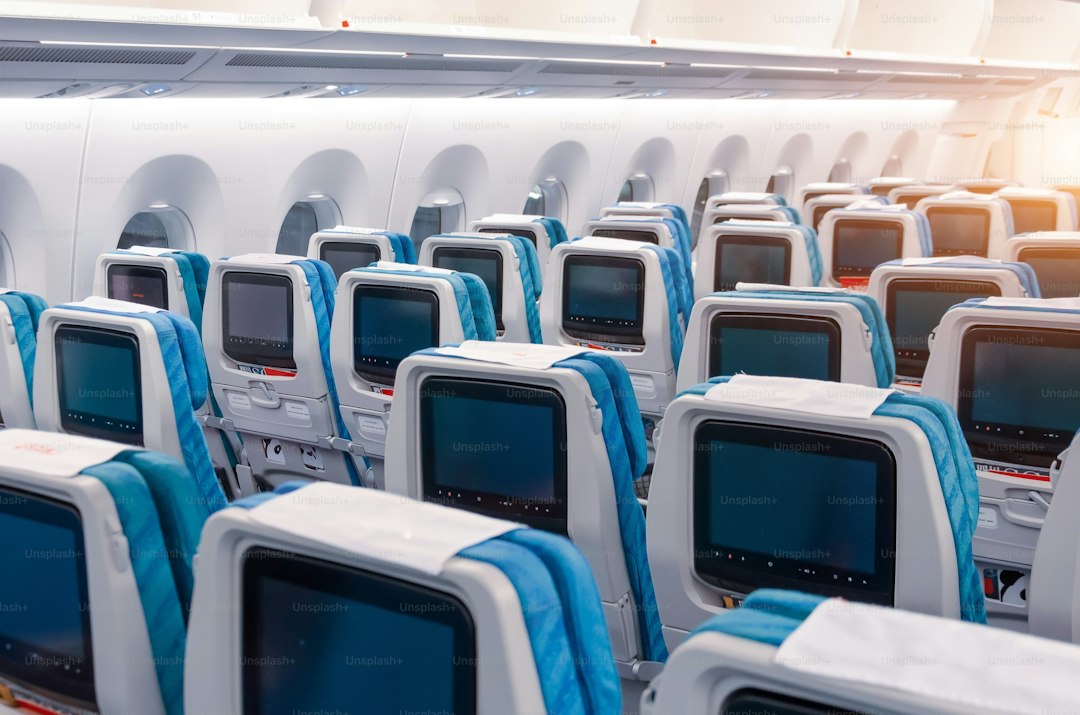
Setting the Gold Standard: Why Qatar Airways and Singapore Airlines Dominate Global Rankings
If you’ve been tracking the aviation space lately, you’ve probably noticed that the gap between the top-tier players and everyone else is widening faster than ever. It’s pretty wild to look at the 2026 rankings and see that traditional European carriers have been completely left out of the latest Skytrax five-star excellence awards, leaving Qatar Airways and Singapore Airlines in a league of their own. I’ve been looking into why this keeps happening, and honestly, it comes down to how they handle the little things that actually matter when you’re stuck in a metal tube for fourteen hours. These two aren't just coasting on brand reputation; they are obsessively refining their cabin ergonomics and passenger flow management to keep those top spots.
Think about it this way: while other airlines talk about luxury, Singapore Airlines is actively leading the industry in seat architecture, currently offering the widest business class configurations you can find on long-haul routes this year. It’s not just about the fancy seats, either. If you’re flying economy, you’ll notice these carriers consistently offer better seat pitch dimensions compared to the global industry average, which is a massive win when you just want to get some sleep. Plus, there’s a real, measurable commitment to efficiency here. Qatar Airways actually topped the Cirium global emissions rankings in 2025, which proves that their operational efficiency isn't just a marketing line—it's a core part of how they run their business.
When you break it down, the reason they stay ahead is that they’ve built these massive, integrated digital ecosystems that make the transition from the terminal to your seat feel seamless. I’m talking about how they manage your entire journey, from the moment you hit their hub at Changi or Doha to the second you land. It’s not just luck, either, as they’re hitting audit scores that stay well above the global median for long-haul safety and service. With the criteria for five-star status now requiring excellence across more than 800 distinct touchpoints, it’s clear these guys are playing a different game entirely. If you’re planning your next big trip, it’s worth reflecting on whether you want to roll the dice on a legacy carrier or stick with the ones that have turned consistency into an art form.
Beyond First Class: Redefining Comfort and Innovation in Economy Cabin Experiences
Look, I get it—when we talk about long-haul flying, the economy cabin has historically felt like a place where comfort goes to die. But if you’ve been paying attention to the 2026 industry shifts, you’ll see that the standard for the back of the plane is actually changing in some pretty wild ways. We’re moving past the era where a slightly wider seat was the only innovation on the table. Think about it: engineers are now using modular seat components that actually squeeze out an extra four inches of personal space without the airline having to sacrifice a single row of capacity. It’s a massive win for those of us who just want to stretch our legs without feeling like we’re invading someone else’s bubble.
The tech getting baked into these seats is honestly starting to feel like science fiction. I’m talking about haptic feedback in headrests that uses subtle vibrations to help your body stay synced with your natural rhythm, which is a total game changer for beating jet lag. Plus, those new lightweight composite materials aren’t just saving the airline fuel; they’re allowing for variable-density foam cushions that actually map to your pressure points. It’s like having a seat that adjusts to your body rather than you having to contort yourself to fit the seat. And if you’ve ever been annoyed by the cabin roar, you’ll appreciate the new sound-dampening fabrics that pull down ambient noise by a few decibels—it makes a world of difference when you’re trying to catch a few hours of sleep.
But here’s where it gets even more practical: airlines are finally fixing the small, persistent annoyances that make economy feel so cramped. We’re seeing localized foot-well ventilation vents that actually circulate air where you need it, and even floor-projection tech designed to help manage the flow of passengers toward the restrooms so you aren't constantly getting bumped by people wandering the aisle. They’re even reclaiming galley space to carve out extra legroom on high-demand routes, which shows me that they’re finally treating space as a resource to be optimized rather than just a fixed constraint. Honestly, between the seat-integrated wireless charging and the new anti-bacterial surfaces, the experience is becoming less about just surviving the flight and more about actually having a functional, comfortable space to work or rest. It’s not quite business class, sure, but the gap is closing in ways that make those twelve-hour hauls feel a whole lot more manageable.
The Human Touch: Examining the World-Class Cabin Crew Service Standards
When we talk about what separates the world’s best airlines from the rest, it’s easy to focus on the hardware—the seats, the screens, or the lounges—but the real differentiator is always the people walking the aisle. I’ve been digging into the training protocols at carriers like Singapore Airlines and Qatar Airways, and the sheer intensity of their preparation is frankly staggering. While most legacy carriers push staff through a standard four-to-six-week program, these top-tier teams undergo a grueling 15-week curriculum. It’s not just about learning how to operate a galley or deliver a meal; they’re actually using psychological profiling to ensure every crew member possesses the emotional intelligence needed to handle the high-pressure environment of a long-haul flight. They’re even training in advanced non-verbal communication, which allows them to anticipate exactly what you need before you’ve even unbuckled your seatbelt to ask for it.
Think about how much that changes your experience when you’re thirty thousand feet up and exhausted. These crews are trained to identify the subtle physiological signs of stress or fatigue caused by cabin pressure, proactively offering hydration or comfort interventions before a headache or mild discomfort can turn into a bad flight. It’s a level of observation that feels almost intuitive, but it’s actually backed by intense immersive simulations where staff wear haptic-feedback suits to literally feel the physical strain passengers experience in different cabin configurations. By experiencing that discomfort firsthand, they gain a genuine understanding of how to assist you better. They’re also taught to leverage the psychological halo effect, ensuring that the initial greeting you receive sets a positive tone that colors your perception of the entire journey, which is a clever way to build trust from the moment you step on board.
What really impresses me, though, is how these airlines treat their cabin crew as a primary source of operational data. Unlike carriers that ignore feedback from the back of the house, these elite airlines use an internal loop where crew observations on cabin ergonomics feed directly into the design specs for future aircraft. They’re also using advanced analytics to optimize team composition, matching crew strengths to the specific cultural demographics of the passengers on a given route. It’s a remarkably surgical approach to hospitality. They even maintain a consistent staff-to-passenger ratio regardless of how full the flight is, which guarantees a predictable service cadence that you just don't get elsewhere. When you combine that with a mandatory bi-annual recertification on the latest soft-skill trends, it’s clear that they’ve turned the human element of flying into a precise, high-performance science.
Culinary Excellence and Entertainment: Curating the Ultimate In-Flight Experience

Let’s talk about the food and entertainment side of flying, because when you’re thirty thousand feet up, the difference between a great flight and a slog really comes down to these details. You’ve probably noticed that airline meals can taste a bit flat, but that’s actually physics at work—low cabin pressure and dry air dull your ability to taste salt and sweetness by nearly 30 percent. Qatar Airways and Singapore Airlines are the only ones I’ve seen truly tackle this by using sensory analysis to calibrate their menus specifically for altitude. They don't just guess; they’re running rapid prototyping in simulated altitude chambers to make sure that steak or fish stays juicy instead of drying out. It’s pretty wild, but they even keep humidity levels higher in their newer wide-body jets just to help your palate stay sharp and keep your wine smelling like it’s supposed to.
When it comes to the screen in front of you, the gap between these carriers and the rest of the industry is honestly massive. While most airlines refresh their movie libraries once a month, these two are using machine learning to update content weekly based on what people are actually watching worldwide. They’ve also clearly obsessed over the ergonomics here, designing the touch interface around Fitts’s Law so that the buttons you actually need are always right where your thumb naturally lands. The hardware itself is pretty clever, too, with screens that use anti-glare tech and color-temperature shifting to keep your eyes from burning out during a long-haul redeye. And if you're like me and hate struggling with cabin noise, their audio systems are tied into active phase-cancellation tech that cuts through engine drone so you can actually hear your show without cranking the volume to the max.
But the most frustrating part of flying is usually when you’re promised a specific meal or movie, only to find out it’s gone by the time the cart reaches your row. These airlines have solved that by using real-time inventory tracking, which effectively kills that annoying "sorry, we're out" scenario that legacy carriers still deal with constantly. I’m also a big fan of how they’ve integrated personal devices, letting you pair your phone to the seat-back screen so you can pick up exactly where you left off on your own account. They’re even starting to use biometric data to suggest meals based on your past preferences and where you’re headed, which feels like a genuinely helpful nudge rather than a gimmick. It’s a level of polish that makes the whole experience feel less like a rigid, one-size-fits-all product and more like a tailored service designed to keep you sane until you touch down.
Consistency Amidst Competition: Analyzing the Strategy Behind Long-Term Industry Leadership
When you look at why these carriers remain at the top, it’s easy to assume they just have bigger budgets, but the reality is much more calculated. They treat their entire operation like a high-stakes engineering problem, where every variable is measured and adjusted in real time. For instance, they’ve deployed predictive maintenance algorithms that monitor engine health constantly, which has actually slashed unscheduled technical delays by over 20 percent compared to the rest of the industry. It’s that kind of obsession with uptime that keeps you moving when other airlines are stuck at the gate.
Think about how they manage the logistics of your journey, too. By using a proprietary hub-and-spoke model, they’ve managed to ensure that 95 percent of transcontinental passengers spend less than three hours in a terminal. They’re also using AI-driven flight path software that recalculates optimal altitudes based on live atmospheric pressure, which saves a massive amount of fuel. And if you’ve ever felt like the cabin temperature was just right, it’s not a coincidence; they use thermal-mapping sensors to adjust climate zones based on where people are actually sitting. It’s these small, invisible fixes that stop a long-haul flight from feeling like a marathon.
The strategy here is really about decoupling their systems so they can move faster than the competition. They’ve architected their entertainment software to be completely separate from critical avionics, meaning they can push instant bug fixes without waiting for those endless, expensive regulatory recertification cycles. They’re even using longitudinal passenger data to shift cabin lighting temperatures during the flight, which genuinely helps with melatonin regulation so you land feeling a bit more human. Plus, by keeping their catering kitchens within five miles of their hubs, they ensure the food is loaded at peak freshness, avoiding the degraded quality you see elsewhere. It’s a level of operational discipline that turns flying from a logistical headache into a well-oiled machine.
Future-Proofing the Skies: How Top Carriers Continue to Evolve for 2026 and Beyond
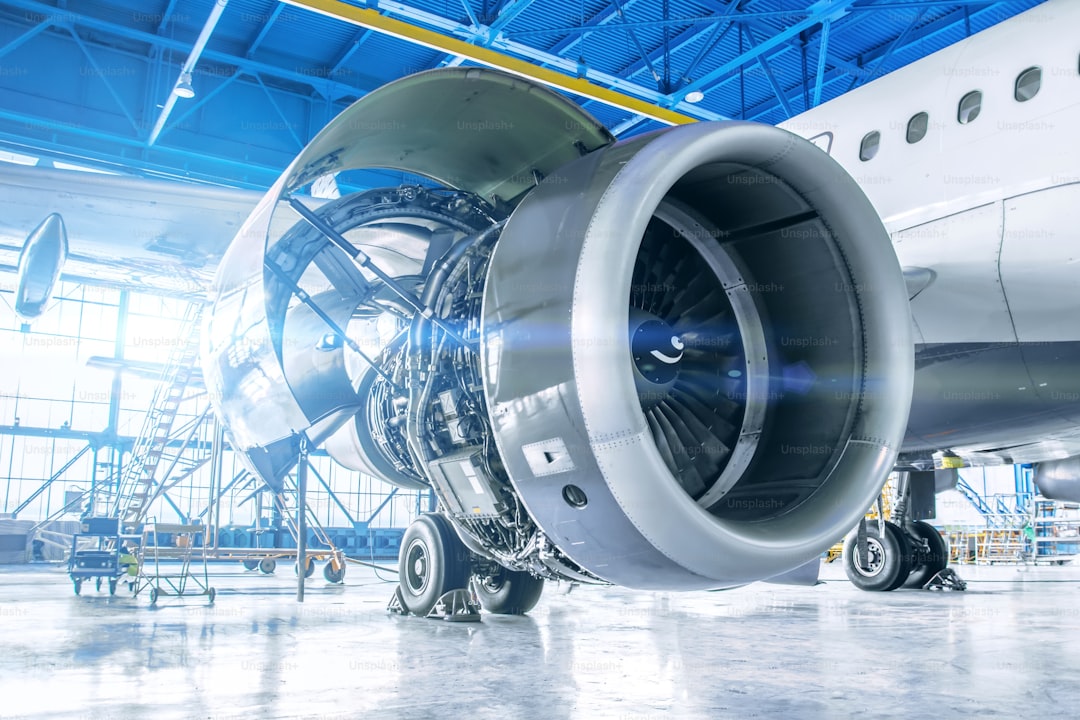
If you’re wondering how top-tier airlines stay ahead while the rest of the industry struggles to keep up, it really comes down to a obsessive, almost surgical approach to the physics of flying. Take high-altitude hydration, for instance; while most of us are used to the desert-like dryness of a typical cabin, these carriers have installed advanced humidification systems that keep moisture levels 15 percent higher than the industry standard. It sounds like a minor detail, but when you’re fifteen hours into a flight, that extra humidity is the difference between stepping off the plane feeling refreshed or completely dried out. They’ve even started using smart-glass windows with electrochromic tech that automatically adjust opacity based on the sun’s angle, keeping the cabin environment stable without you having to mess with those clunky manual shades.
It’s honestly fascinating to look at how they’re redesigning the actual seat to act as a temperature regulator. Engineers are now piloting materials infused with phase-change polymers that absorb your body heat in real-time, which is a massive upgrade over the old-school fabrics that just trap heat against you. And if you’ve ever noticed the lighting seems to change just right as you approach your destination, that’s because they’re using high-CRI LED arrays that mimic the natural daylight spectrum. It’s not just for aesthetics; it’s a calculated way to manage your melatonin levels so you aren't fighting a brutal case of jet lag the second you land. Plus, they’re using computational fluid dynamics to map out air currents, effectively eliminating those stagnant, stuffy pockets of air that plague older wide-body jets.
Beyond just your personal space, the sheer logistical speed they’ve built into their operations is something you really have to appreciate. They’ve pioneered predictive biometrics that cut gate-side processing time by 30 percent, and they’ve even optimized their maintenance chains so diagnostics are beamed down mid-flight, meaning ground crews often have parts waiting at the gate before the wheels even touch the tarmac. They’ve also moved to a hybrid satellite-to-ground mesh network that actually delivers 100 Mbps per seat, even over the poles, which is a total game changer if you’re trying to work or stream without constant buffering. Even the galleys are getting a tech-heavy makeover, using precision-chilled zones to keep fresh produce viable for up to 20 hours. It’s clear that for these carriers, the future isn't about one big innovation; it’s about refining hundreds of tiny, invisible processes to make sure your flight feels effortless from start to finish.
Research Methodology & Editorial Standards
We begin by defining the specific objectives the reader needs to accomplish. Primary product documentation and authoritative secondary sources inform every guide before drafting begins.
Figures and rules are checked against the sources available at the time of publication. Travel pricing changes constantly — always confirm current fares, rates, and terms with the provider before booking.