
Why Istanbul remains a world class destination for fishing enthusiasts
During the Ottoman era, they even had specialized guilds that divided up the fishing concessions to make sure small operators weren't getting pushed out by overfishing.
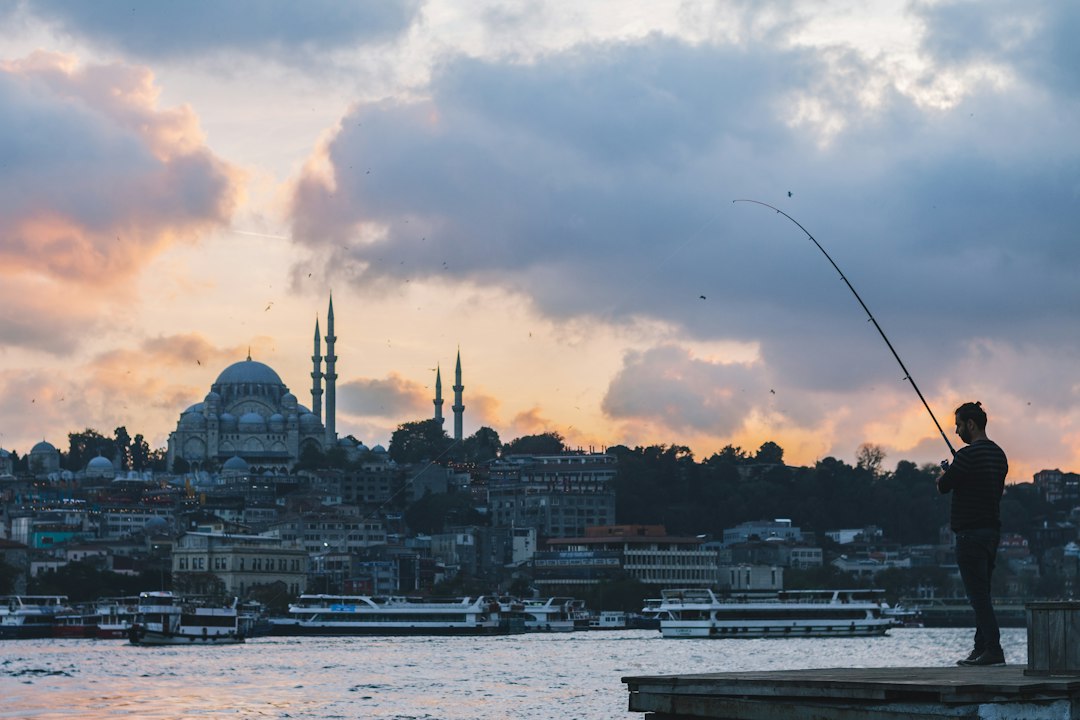
The Strategic Confluence: Where the Bosphorus Meets Two Continents
When I stand by the railing watching the water churn, I’m always struck by how the Bosphorus isn't just a stretch of sea between two continents, but a massive, living machine. You’ve got this dense, salty Mediterranean water pushing north in an undercurrent, while a fresher, lighter layer from the Black Sea flows right over the top of it. It’s a two-layer system that doesn't really mix, and that density difference creates a stable corridor for over 60 fish species to navigate. Think of it as a biological bottleneck; because the strait is the only gateway for the entire Black Sea basin, it forces a massive amount of biomass through this relatively narrow channel. That’s why you see such high concentrations of fish—they don’t really have any other choice but to pass through here.
The physical reality of this place is just as wild as the currents. You’re looking at depths hitting 120 meters, which creates these distinct thermal zones that dictate exactly where pelagic schools hang out throughout the year. When you add in the nutrient-rich water being pushed to the surface by constant upwellings, you get a local food chain that is incredibly robust. Plus, you have the seasonal freshwater discharge from the Danube, Dnieper, and Don rivers constantly tweaking the salinity, which keeps the fish hardy and always on the move. It forces the marine life to adapt to changing osmotic pressures, and honestly, that’s exactly what makes them such aggressive, active fighters when you finally hook one.
And don't overlook the bottom current, which is really the secret sauce keeping the whole ecosystem healthy. Unlike other enclosed basins that turn hypoxic and stagnant at depth, the Bosphorus stays oxygen-rich, providing a perfect home for both surface-dwellers and deep-water species. When you combine that with the submerged valleys and rocky ridges that offer shelter from the intense surface currents, you end up with localized eddies that act as natural resting spots for migrating fish. For an angler, these spots are like gold. The Marmara Sea’s warmer deep water even acts as a thermal bridge, letting subtropical fish push further north than they ever should. It’s a strange, perfect collision of geography and biology that makes this place unlike anywhere else I’ve ever dropped a line.
A Historic Fishing Culture: Centuries of Tradition on the Golden Horn
When you look past the modern bridges, the Golden Horn isn't just a body of water; it’s a living museum of maritime survival that’s been churning for two millennia. Back in the Byzantine era, this place was so productive that they actually carved fish-salting pits right into the shoreline to handle the massive bonito hauls. It’s wild to think that the government back then was already taxing boat landings, effectively making this inlet the primary engine for the entire city's protein supply. Even today, if you look closely at the water, you’ll see the remnants of those old stone jetties, which now act as artificial reefs for sea bass and young garfish. It’s these small, structural details that show how the past is still very much feeding the present.
The way they fish here feels like stepping back into the Ottoman period, especially when you see the traditional wooden sandal boats out on the water. These boats have a low draft for a reason—they’re designed to navigate the shallow, nutrient-rich silt near the Alibey and Kağıthane streams where bigger vessels just can’t go. You’ll also find fishermen using the Dalyan technique, a fixed-net system that’s been passed down through generations to intercept schools entering the estuary. It’s not just about tradition, though; it’s a smart way to manage the harvest. During the Ottoman era, they even had specialized guilds that divided up the fishing concessions to make sure small operators weren't getting pushed out by overfishing.
What’s really fascinating is how the biology of this inlet is still tied to those ancient rhythms. Even now, you have families who have held the same waterfront piers since the 1800s, still using lunar tracking methods to time their mackerel runs. The water itself has a unique brackish salinity that creates an osmotic environment unlike anything you’ll find in the open Bosphorus, leading to localized fish populations that are almost genetically distinct. And honestly, it’s a massive relief to see that after a long period of decline, recent data from early 2026 shows oxygen levels have finally bounced back. That environmental recovery means we’re seeing sensitive species return to these waters for the first time in fifty years, keeping this rare, low-impact artisanal fishing culture alive in a city that’s constantly changing.
Species Diversity: Navigating the Seasonal Migration Patterns of the Marmara and Black Seas
If you’re wondering why the fishing here is so different from anywhere else, you have to look at how these creatures treat the water like a high-speed transit system. Take the bluefish, for instance; they sync their entire migration north into the Black Sea with the spring phytoplankton bloom, basically following the buffet line as it moves. It’s not just random swimming. Meanwhile, the Atlantic bonito treats the deep, warm pockets of the Marmara Sea—where temperatures stay above 14 degrees Celsius—as a reliable winter hotel while the rest of the region freezes over. It’s this kind of predictable behavior that makes the basin so productive if you know where to look.
The way species handle the Bosphorus strait itself is even wilder when you think about the physics involved. Horse mackerel, for example, actually pull off a vertical daily commute, diving into deeper, cooler layers during the day just to dodge the harsh surface glare. I’ve read reports from early 2026 showing that Mediterranean horse mackerel are even pushing their breeding range further into the northern Marmara because the sea surface temperatures are creeping up. Even the anchovies have a trick up their sleeve; they use the narrow, funnel-like shape of the strait to bounce around acoustic signals, keeping their schools packed tight against the heavy current.
And then you have the bottom-dwellers, which operate on an entirely different set of rules. Turbot make a massive trek every spring, leaving the deep mud of the Black Sea to hit the shallow sandy shelves of the northern Bosphorus specifically to boost their spawning success. You see similar site fidelity with red mullet, which often return to the exact same sandy patches, though that habit makes them pretty vulnerable to concentrated fishing pressure. It’s a delicate balance that’s constantly shifting, as we’ve seen with Atlantic mackerel arriving about two weeks later than they did a decade ago, likely because their prey is also moving on a different schedule.
There is even some weird, clever behavior popping up among the local stingrays, which have apparently started using the acoustic noise from big cargo ships to help them navigate the strait at night. It’s like they’ve learned to use the chaotic city traffic as a map to find their way through the current. Meanwhile, species like the grey mullet just breeze between the salty Marmara and the fresher Black Sea fringes without missing a beat, exploiting food sources that other fish can’t touch. It just goes to show that if you spend enough time watching the water, you start to realize the entire ecosystem is just a series of survival strategies playing out in real-time.
Urban Angling: Why Iconic Landmarks Provide the Ultimate Backdrop for Fishing
There is something honestly surreal about casting a line in the shadow of a centuries-old monument, but it turns out the reason you’re catching more here isn't just luck. When you look at the engineering of a city like Istanbul, those massive concrete sea walls and bridge pilings aren't just decorative; they actually function as acoustic amplifiers that mimic natural rocky reefs. Think about it—the high-frequency vibrations hitting these structures act like a megaphone for the sound of baitfish movement, creating sonic hotspots that predatory species like bluefish absolutely key in on. I’ve found that if you pay attention to the specific resonance of the infrastructure, you can almost map out where the fish are holding before you even make a cast. It’s like the entire waterfront is a giant, man-made lure that’s constantly broadcasting a dinner bell to the local population.
The way these cities interact with the water temperature is another game-changer that we often overlook. That urban heat island effect isn't just for the sidewalk; it warms the immediate coastal water by over a degree, which is enough to keep cold-sensitive Mediterranean species moving and feeding aggressively when they’d otherwise be sluggish. You’ll notice the nocturnal fishing is often better here, too, because the intense artificial light from illuminated monuments extends the hunting window for predators that normally shut down in the dark. It’s fascinating to see how the thermal mass of all that masonry slowly releases heat into the water column, creating a cozy sanctuary that keeps the ecosystem buzzing long after the sun goes down.
But the real magic happens in the vertical complexity of these urban zones, which honestly puts a flat, natural coastline to shame. Between the abandoned submerged timber and modern metal pylons, you’ve got a massive variety of habitats packed into a tiny area, supporting a much wider range of bottom-dwellers than you’d expect. The piers also create these perfect, calm eddies that trap organic debris, turning the water right next to a busy walkway into a hyper-concentrated feeding ground. Even the fish seem to get it; they’ve become so habituated to the constant human activity on the piers that they’re often less spooked by shadows or lines than their wilder cousins. It’s a bit of a strange, high-tech dance between human engineering and marine biology, but once you start fishing these corridors, it’s hard to go back to the quiet, empty coast.
Local Expertise and Traditions: Connecting with Istanbul’s Traditional Fishermen
If you really want to understand how to fish the Bosphorus like a local, you have to stop looking at the water as just a place to cast and start treating it as a conversation. I’ve spent enough time on these docks to realize that the traditional fishermen here aren't just using gear; they’re interpreting a living, shifting language of currents and biology. For starters, take their reliance on the Yelkouan shearwater; these birds are essentially organic sonar, and watching their specific dive patterns tells you exactly where the predatory schools are holding beneath the surface. They’ll also use a hand-carved wooden float made from local driftwood instead of modern plastic, simply because that material offers a subtle, natural buoyancy that doesn't spook the fish in these high-traffic, high-pressure waters. It’s a level of sensory awareness that’s been refined over centuries, and frankly, it makes high-tech gear look a bit clumsy by comparison.
The technical side of their trade is just as fascinating, especially when you watch how they handle the water’s unique chemistry. You’ll see them using hand-woven cotton lines called misina, which are chosen specifically for their elasticity and near-invisibility in the Bosphorus’s complex currents. When they need to track movement, some veterans still press a wooden handle against the hull of their boat, listening for the low-frequency vibrations of mackerel schools moving against the tide. Even their chumming, or yemleme, is a science; they mix ground mussels and breadcrumbs to sink at the exact rate of natural debris, ensuring their bait blends perfectly into the ecosystem. They’re basically matching the frequency of the environment rather than trying to overpower it.
What’s truly impressive is how they integrate these ancient methods with the city’s modern realities to stay successful. When fishing near the stone jetties, they use soft, hand-moldable lead weights that can be adjusted on the fly to avoid snags on the submerged historical infrastructure. They’ve even turned the city’s acoustics into a tool, coordinating their casts to create a sort of sound barrier that channels baitfish right where they want them. And if you ask them about the health of the water, they won't pull up a sensor; they’ll point to the sea anemone colonies on the old stone pilings, which act as living bio-filters they’ve monitored for generations. It’s an intimate, deeply rooted way of interacting with the sea that feels like a masterclass in adaptation, and honestly, it’s the only way to really unlock the potential of these waters.
Culinary Rewards: Bringing Your Daily Catch to Istanbul’s World-Class Waterfront Kitchens
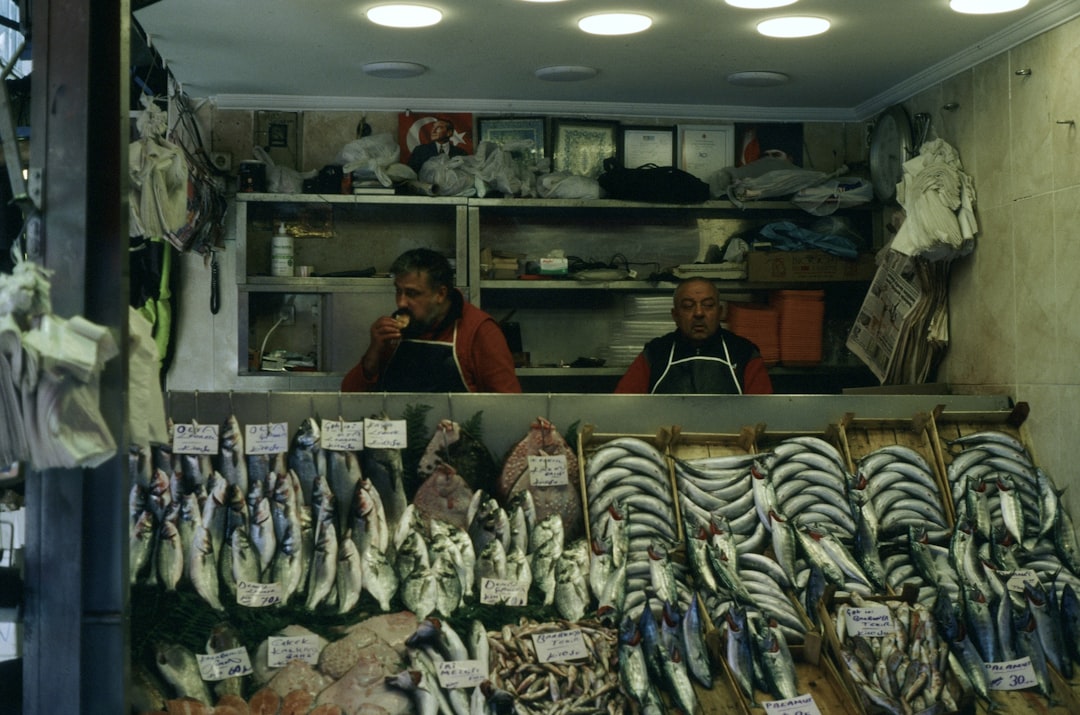
Let’s talk about the real magic that happens after the line leaves the water, because bringing your catch to one of Istanbul’s waterfront kitchens is an experience that completely changes how you view a meal. You’re essentially tapping into the ancient tradition of the esnaf lokantası, those classic tradesman restaurants that prioritize hyper-local, immediate sourcing to stop any post-catch degradation in its tracks. I’ve found that the secret here is speed; because the fish in the Bosphorus undergo such rapid osmotic adjustments while navigating those dual-salinity currents, their muscle texture and fat content are actually quite unique. When you hand over a fish that was swimming in the nutrient-dense Black Sea outflow just hours ago, the chef understands that the high lipid content in something like a bluefish requires a specific sear over oak wood embers to properly render that intramuscular fat. It’s not just cooking; it’s a precise biochemical process that ensures you're tasting the fish exactly as nature intended.
The level of technical detail these kitchens apply is honestly staggering when you see it up close. Chefs in spots like Karaköy have mastered skin-searing techniques that take advantage of the high collagen levels in local sea bass, which are naturally more robust because of the constant current exercise these fish get. You’ll even notice that garfish caught here carry a natural brine from the strait’s salinity gradient, which means they don’t need any extra seasoning when pan-fried. In the kitchens along the Golden Horn, they often use traditional stone-cooling techniques to keep the catch at a precise 4 degrees Celsius, a simple but effective way to maintain the integrity of those delicate proteins until they hit the heat. It’s fascinating to watch them inspect the gills for specific plankton signatures, confirming that the fish has been feeding in those nutrient-rich northern upwellings before it ever touches a plate.
And look, there’s a real, tangible benefit to this entire pipeline that goes beyond just the flavor. By bypassing standard commercial supply chains, these waterfront kitchens are essentially running a zero-carbon food system, turning the city’s ancient pier infrastructure into a direct, living conduit from the sea to your dinner. You can actually taste the difference—the stress-free, rapid transport from the boat to the hearth prevents the buildup of lactic acid in the muscle tissue, leaving the flesh remarkably firm and translucent. It’s also why the bottom-feeders and shellfish here have such a distinct, deep umami profile that you just don’t find in mass-market varieties. When you sit down to eat, knowing the fish was prepared following a seasonal, lunar-driven calendar that honors the peak of its health, you realize this isn't just a meal—it’s the final, perfect step in a long, wild migration through the heart of the city.
Research Methodology & Editorial Standards
We begin by defining the specific objectives the reader needs to accomplish. Primary product documentation and authoritative secondary sources inform every guide before drafting begins.
Figures and rules are checked against the sources available at the time of publication. Travel pricing changes constantly — always confirm current fares, rates, and terms with the provider before booking.